
Top Stories
Petrol now costs Nigerians over N1,300 per litre. The Dangote refinery was supposed to change that. It has not. And the government has said almost nothing.
Dangote wants to build his next mega-refinery in East Africa. But Uganda, Kenya, and Tanzania already have rival plans — and the politics are just as tangled as the pipelines.
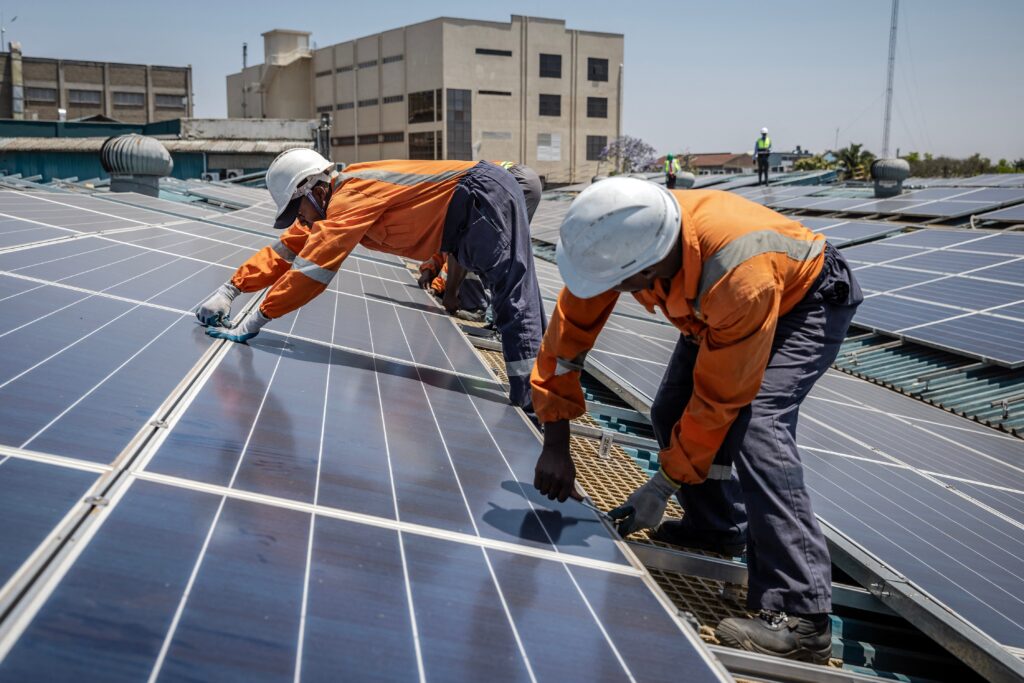
Africa is now a destination spot for solar power as adoption continues to grow rapidly. However, different nations on the continent employ various strategies to optimise their own renewable energy market
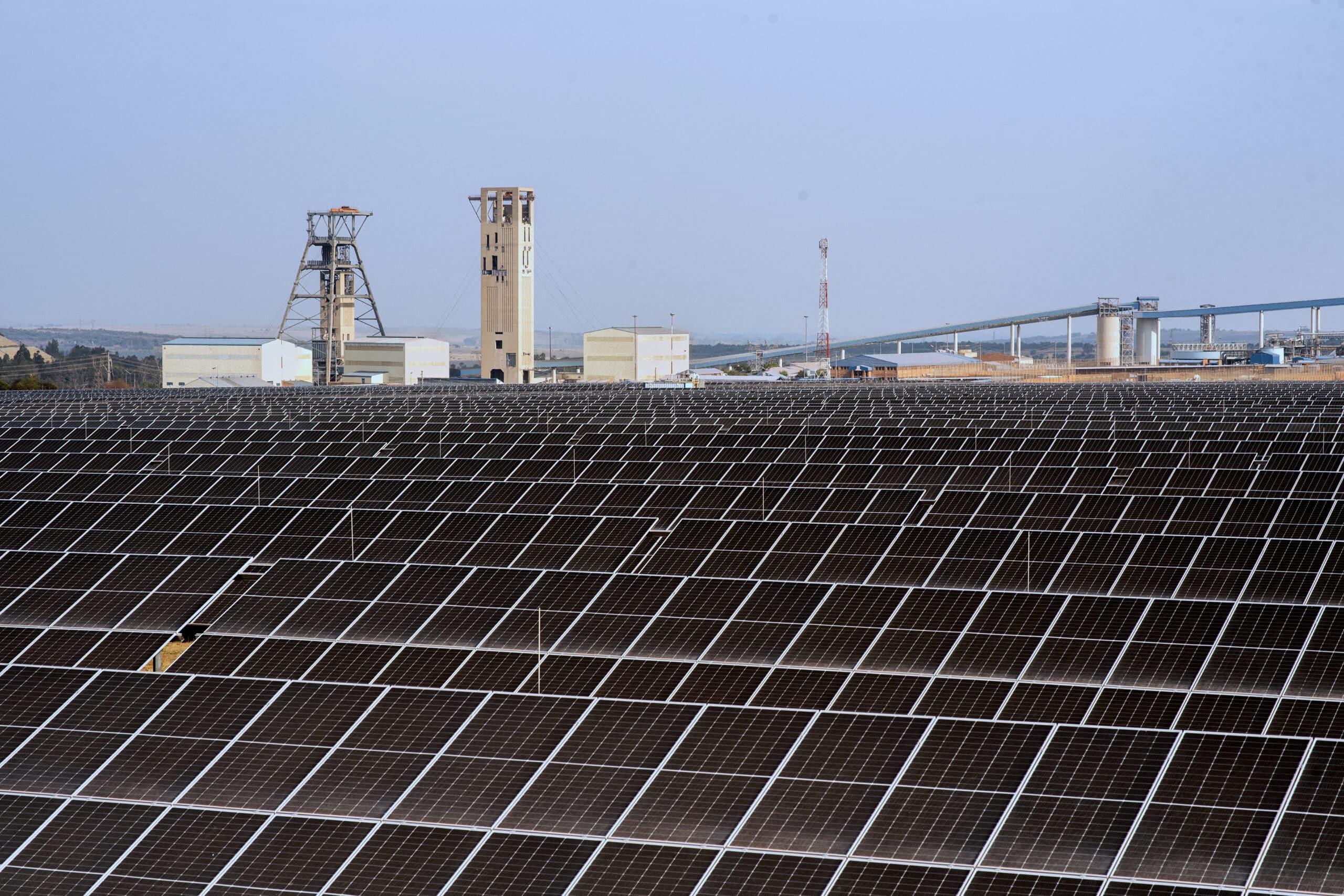
Solar adoption has reached record levels, yet significant gaps remain. This article examines three distinct markets and the factors positioning them as potential next solar powerhouses on the continent.
Brand Press:
Eterna Plc and Fuelmetrics launch self-service fuel stations in Nigeria,…

Rana Energy, an AI-powered Clean Energy-as-a-Service ecosystem, announced the successful…

Schneider Electric, the leader in the digital transformation of energy…

Lagos, Nigeria – August 26, 2025 – All On, a Shell-funded…

You can post on Energy in Africa too!
Post hereEterna Plc and Fuelmetrics launch self-service fuel stations in Nigeria,…
Rana Energy, an AI-powered Clean Energy-as-a-Service ecosystem, announced the successful…
Schneider Electric, the leader in the digital transformation of energy…
Lagos, Nigeria – August 26, 2025 – All On, a Shell-funded…
You can post on Techpoint Africa too!
Post hereOther highlights
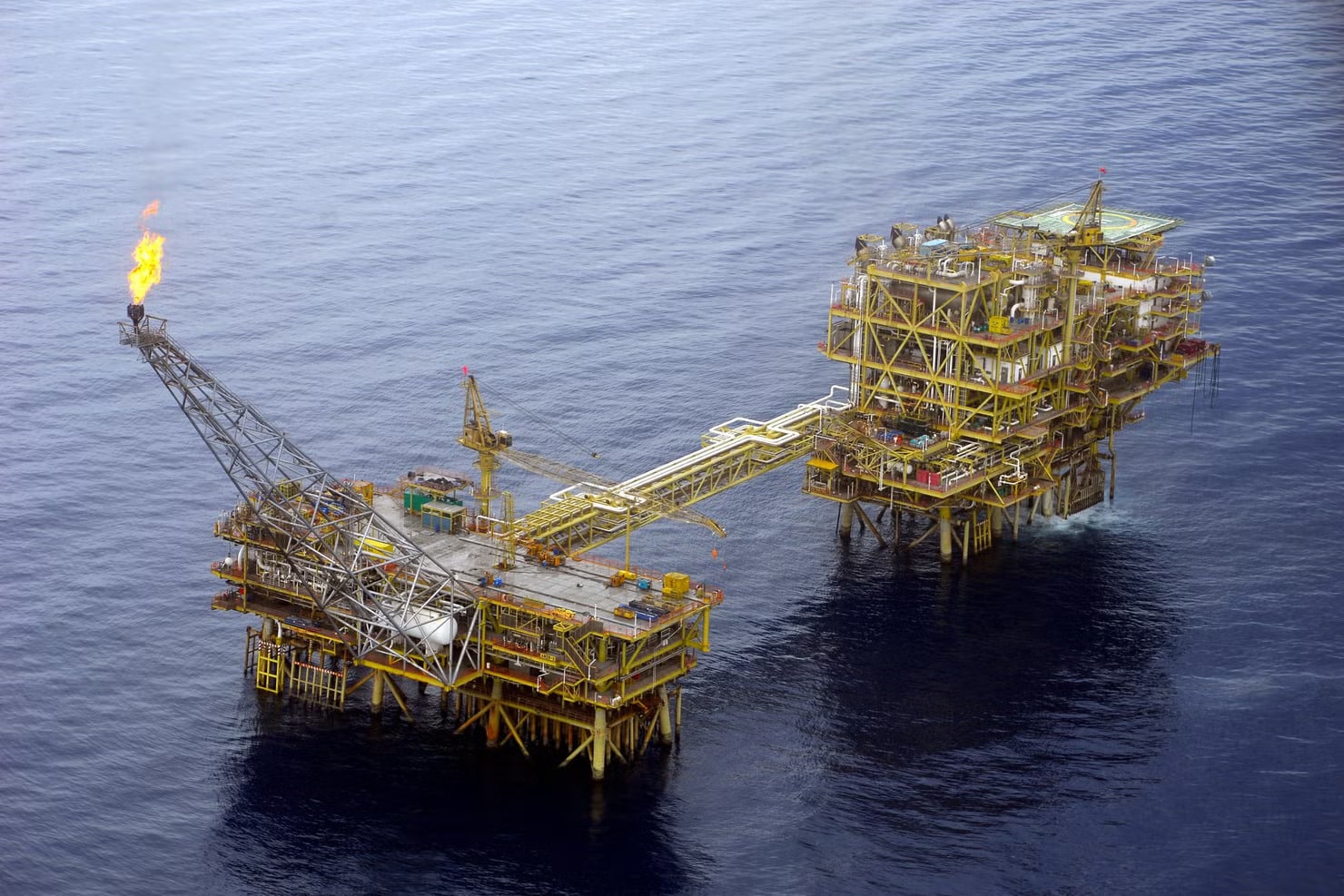
Nigeria and Libya are Africa’s leading oil producers. For nearly a decade, Nigeria has held the top position, with Libya consistently close behind. However, recent trends suggest this long-standing order may be shifting.
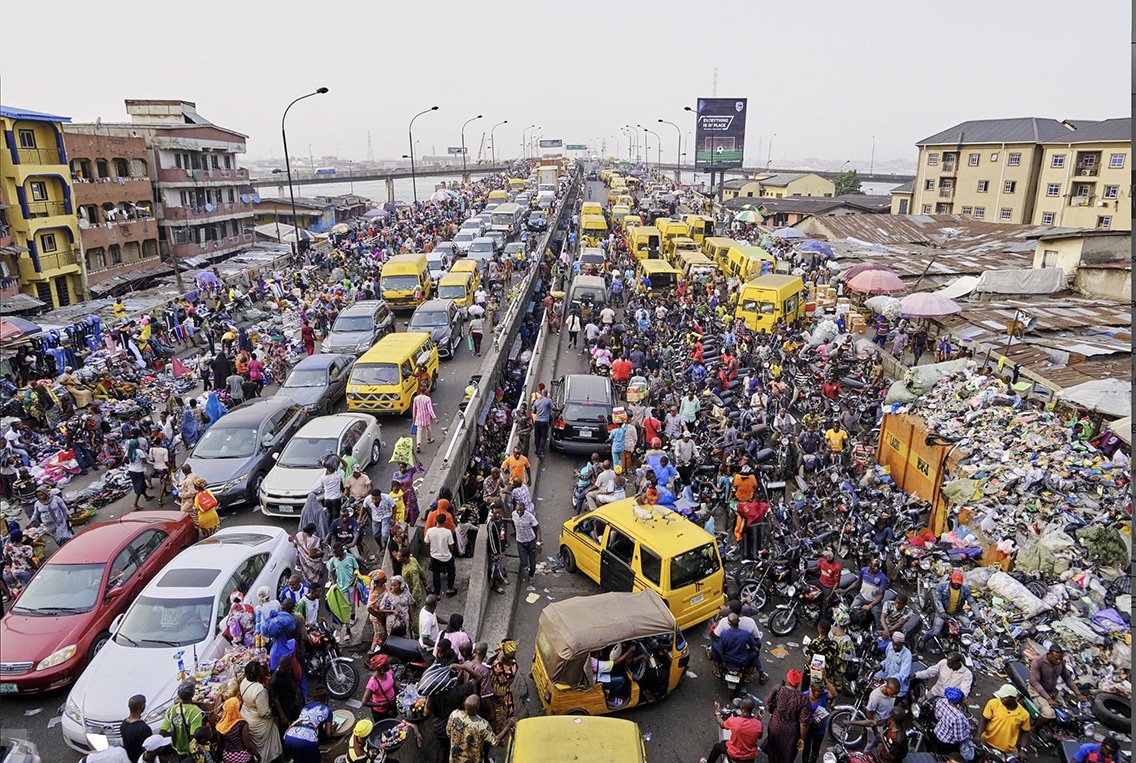
Nigeria is Africa’s top oil producer, meaning the recent spike in oil prices could provide a revenue boost. However, its current domestic economic conditions suggest it may not benefit as much as it did during the last oil boom.
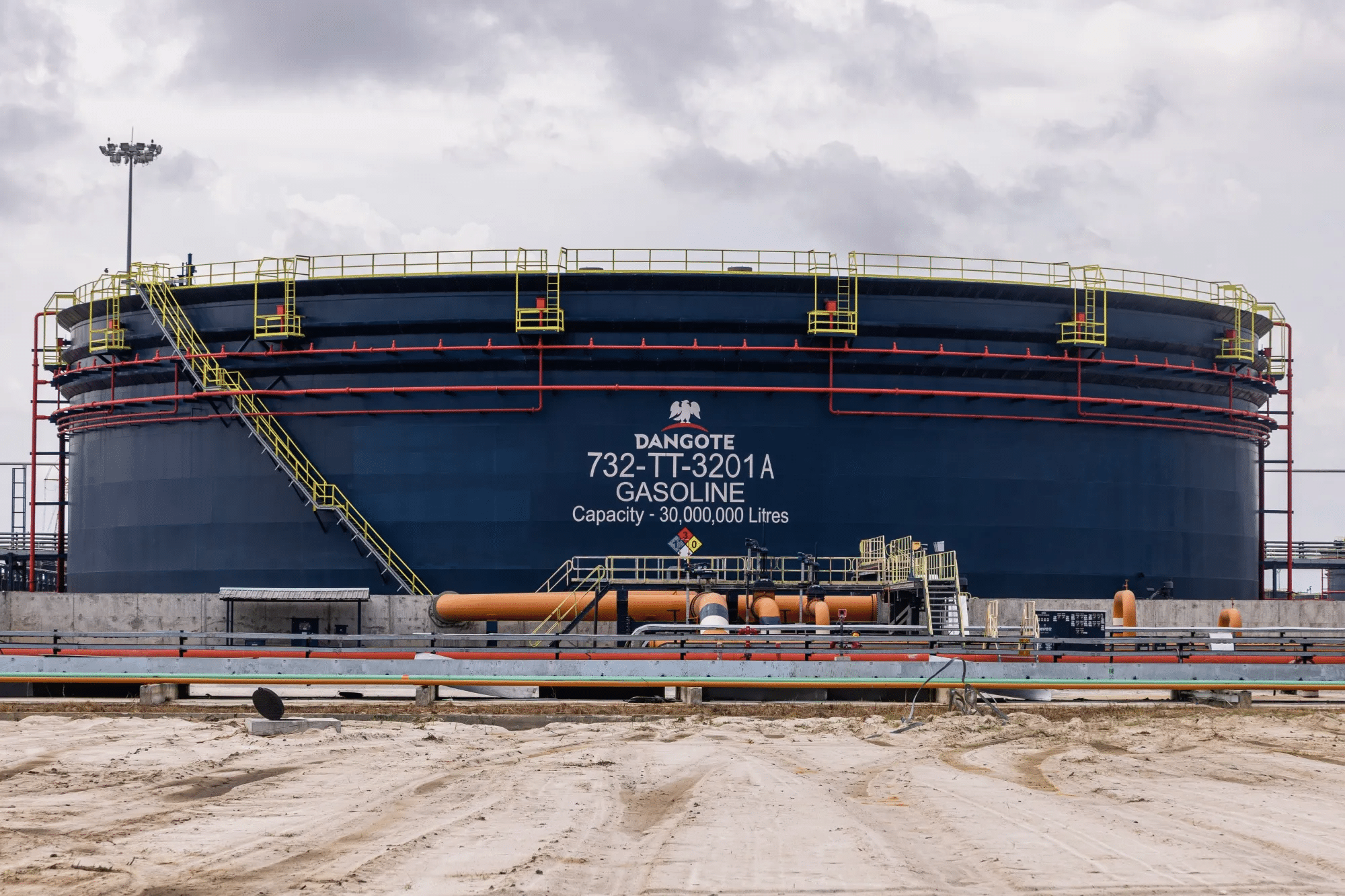
Europe’s ongoing jet fuel shortage presents a strong opportunity for Nigeria’s Dangote refinery. It has already shipped cargoes to the UK, and as the continent looks for more supply, its buyer base could expand further.
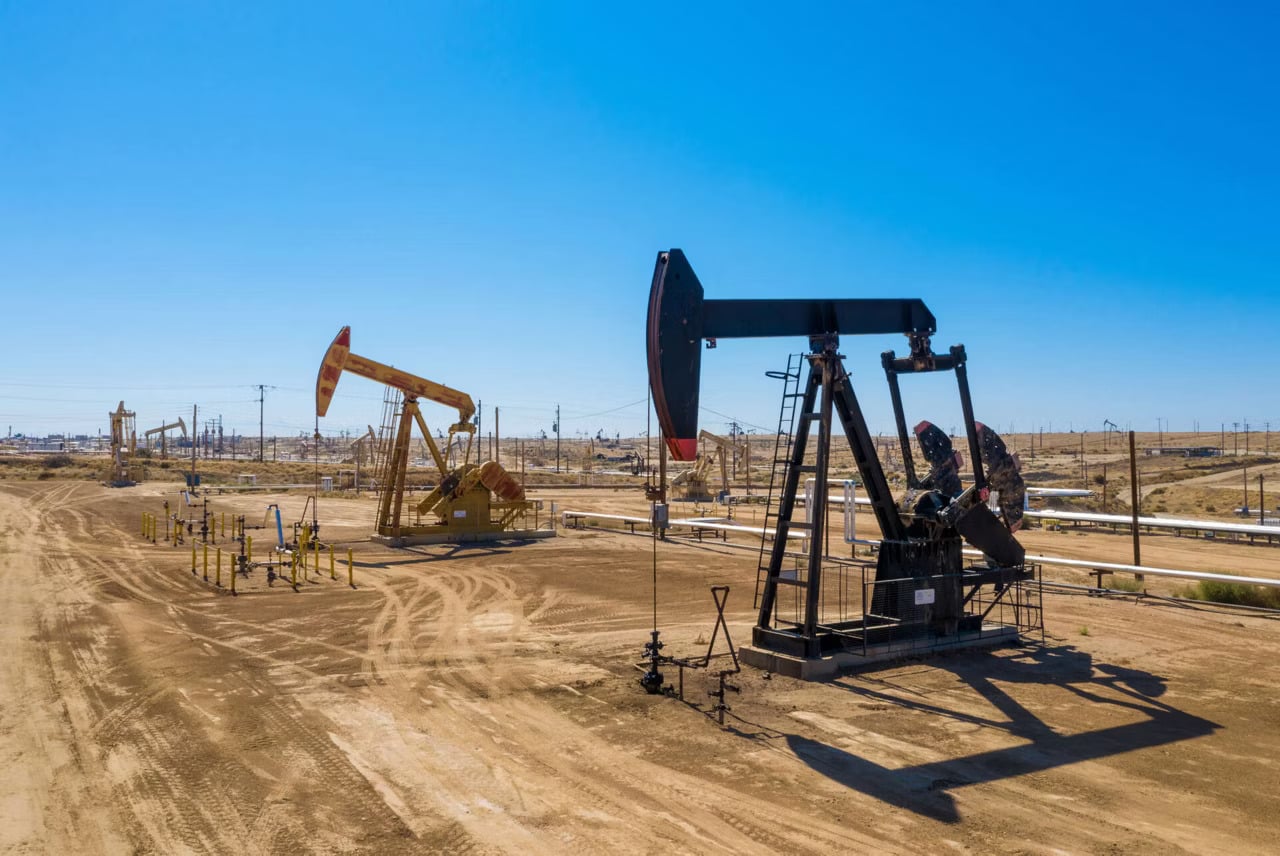
The windfalls from rising crude prices is leaving oil-African nations the wiggle room to return to the global capital market. With price at above $100 a barrel, these countries are leveraging on their resources to raise fresh capital