


Ghanaians will face higher electricity bills from January 1, 2026, following the Public Utilities Regulatory Commission’s (PURC) approval of tariff increases across all consumer categories.
The adjustment is part of the Commission’s new 2026–2030 Multi-Year Tariff Review, which sets the baseline for how electricity will be priced over the next five years.
In a statement issued on Monday, PURC said the new tariff structure was approved after nationwide investment hearings, stakeholder consultations and regional public engagements.
“The Public Utilities Regulatory Commission wishes to inform consumers of Electricity and Water that, after going through the major Multi-year Tariff Review Order (MYTO) processes for the period 2026 to 2030, there has been a review of the existing tariffs effective January 01, 2026.
“Having considered all the underlying factors, the Commission wishes to announce that, there will be 9.86% increase in the electricity tariffs across board for all category of electricity customers.
“Water Tariffs for all customer classes on the other hand will experience an upward review of 15.92% over the tariff control period (2026–2030),” the statement read in part.
The Executive Secretary Dr. Shale Suleman explained that the multi-year review is different from quarterly adjustments, which only reflect short-term fuel prices and currency swings.
Why Ghana is increasing tariff
PURC noted that the review is based on expected developments in Ghana’s power generation landscape.
It includes planned thermal generation volumes, anticipated reductions in hydropower output, and the limited but growing input from renewable energy sources.
The Commission said it also considered system losses, which continue to affect the financial health of power distributors.
Transmission losses were maintained at 4.10%, while average distribution losses were revised slightly from utility proposals to 21.50%.
It further added that natural gas costs, which heavily influence thermal generation, were another major driver.
Last major electricity tariff
Ghana’s last major tariff review was in 2022, during a period of high inflation and currency instability.
Since then, several quarterly adjustments have been implemented to help utilities manage fluctuating costs.
In April, PURC announced a 14.75% increase in average electricity tariffs and a 4.02% rise in water tariffs for Q2 2025.
The changes were based on exchange rate movements, fuel prices, inflation and the hydro-thermal generation mix.
The 2026–2030 review also integrates mini-grids that serve islands and remote communities into the national tariff schedule.
This inclusion is aimed at promoting universal electricity access and aligning mini-grid costs with national affordability levels.
How customers are reacting
Moreover, some consumer advocacy groups have expressed concern about the timing of the increase.
They say households are under pressure from food inflation, transport costs and rent, and fear the new tariff could worsen the situation.
In addition, industry groups warn that increased utility costs could slow production growth.
They also argue that businesses need predictability and urge utilities to improve efficiency to minimise future tariff hikes.
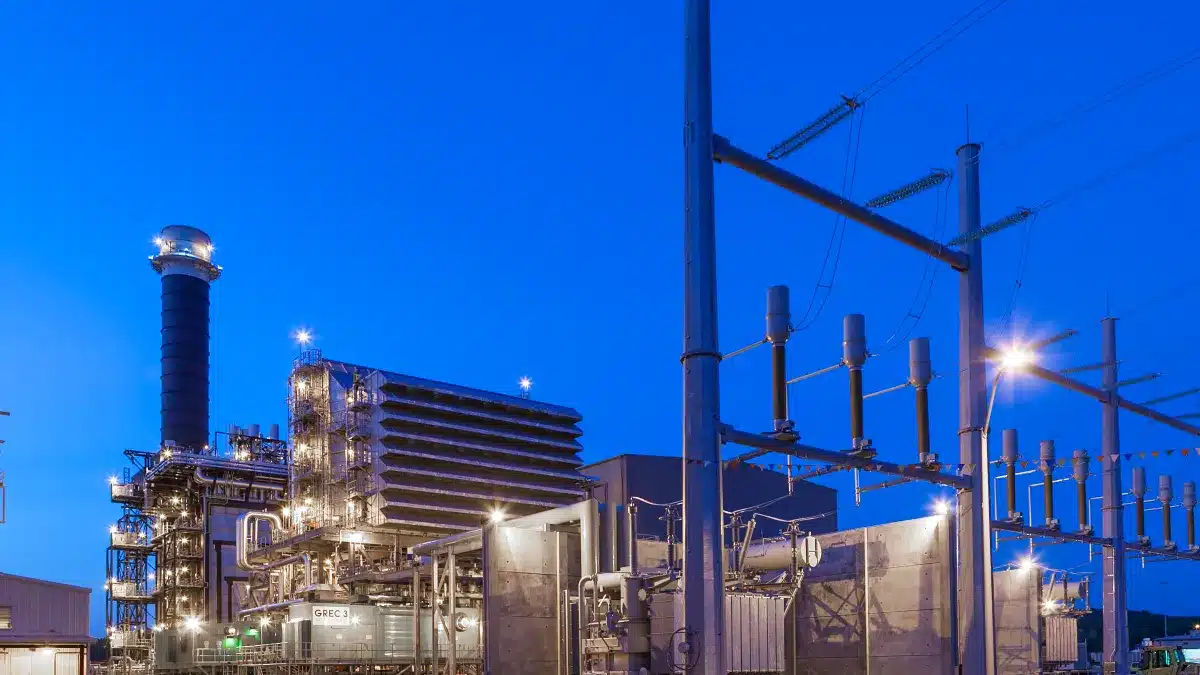
Ghana’s power sector continues to rely heavily on thermal generation.
Thermal plants are projected to supply over 78% of power between 2026 and 2030 as hydropower declines.
System losses remain a major challenge where distribution losses exceed 21%, while transmission losses stand at just over 4% which undermine utility revenue and push tariffs higher.
The Commission says the progress of these initiatives will influence future tariff adjustments because improved efficiency will reduce the need for higher consumer charges.