


The African Development Bank (AfDB) has approved a $10 million loan to Hyphen Hydrogen Energy to advance engineering work on Namibia’s planned $10 billion green hydrogen and ammonia project.
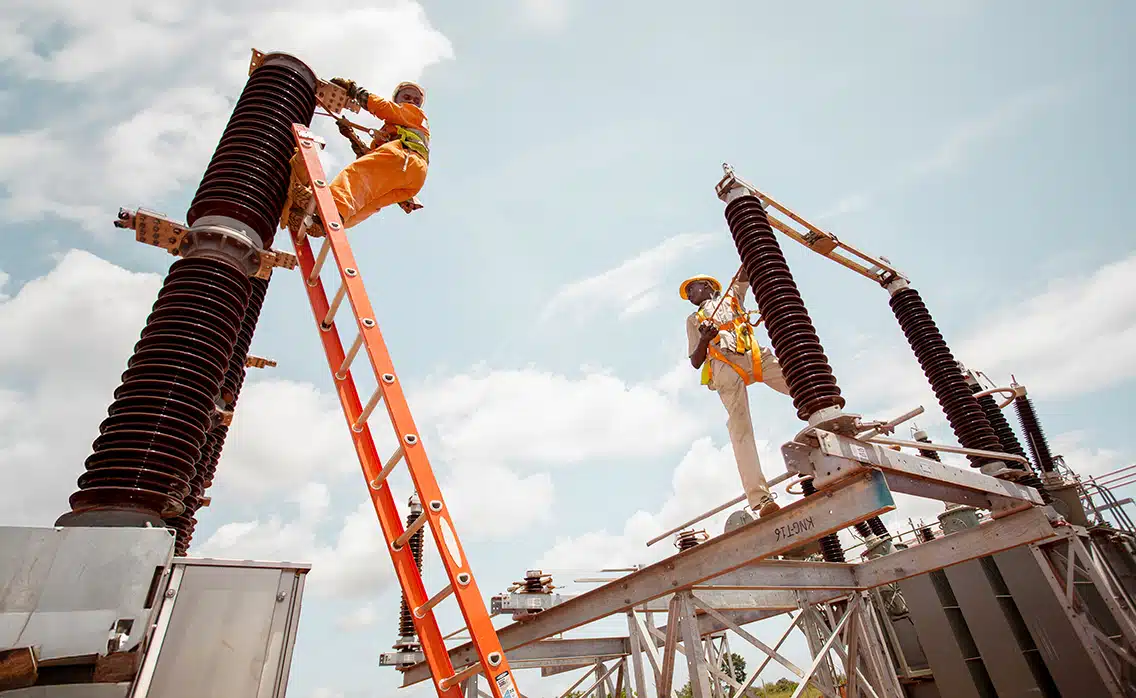
The funding will support front-end engineering design for solar and wind plants, battery storage systems, electrolyser units and desalination facilities.The loan comes through the Sustainable Energy Fund for Africa (SEFA).
AfDB says this early-stage work is needed to reduce technical risks and move the project closer to full investment approval.
Under the first phase, Hyphen plans to build 3.75 GW of renewable energy capacity supported by battery storage. It also intends to install 1.5 GW of electrolyser systems to produce hydrogen.
The phase will include pipelines, transmission lines and expanded port infrastructure to allow large-scale ammonia exports.
The project is located inside Tsau //Khaeb National Park, a coastal area with some of the best wind and solar resources in Southern Africa.
German utility RWE pulls out as demand slows
AfDB’s approval follows a major setback. In September, RWE, one of Germany’s largest power companies, withdrew its interest in the project.
The company said hydrogen and ammonia demand in Europe is growing slower than expected. It added that timelines for commercial use have shifted, forcing it to reconsider early-stage hydrogen ventures.
RWE had signed a non-binding memorandum of understanding with Hyphen in 2022. The MoU covered the possible purchase of 300,000 tonnes of green ammonia annually from 2027. No binding offtake agreement was reached.
The withdrawal affects Namibia’s ambition to become a major global exporter of green hydrogen products.
It also comes shortly after the country secured US$114.7 million for its National Green Hydrogen Programme (NGH2P). The programme is designed to support pilot projects, commercial demonstrations and technical work needed to grow the industry.
Developers across Africa faced slowing demand
The weaker demand outlook in Europe was changing how developers planned hydrogen projects. Industrial use in sectors such as steelmaking, chemicals and shipping had not expanded as quickly as projected.
This delay affected export-focused projects that relied on long-term supply contracts.
Developers in other African countries were facing similar conditions. Projects in Mauritania, South Africa and Egypt had reported delays linked to high costs and uncertain demand.
Many investors also wanted stronger market guarantees before committing large amounts of capital.
Hyphen spokesperson Ricardo Goagoseb said RWE’s exit did not stop project development.
He explained that the company had only signed an exploratory MoU. He also said Hyphen was in talks with other potential buyers and would continue with environmental studies, community consultations and engineering work funded through SEFA.
Why this matters for Namibia and beyond
The project strengthens Namibia’s position in the global clean-energy economy. It could create new export revenues and reduce emissions tied to traditional fuels.
It also demonstrates how African countries can leverage natural resources to build new industries around renewables.
The AfDB loan reduces risks at a critical phase of development. It also signals confidence to commercial investors who will be needed for full project financing.