


In market terms, the Dangote refinery fight with its competitors may be coming to an end. Not because both parties decided to shake hands or suddenly become friends. Not at all. In fact, the opposite is the case.
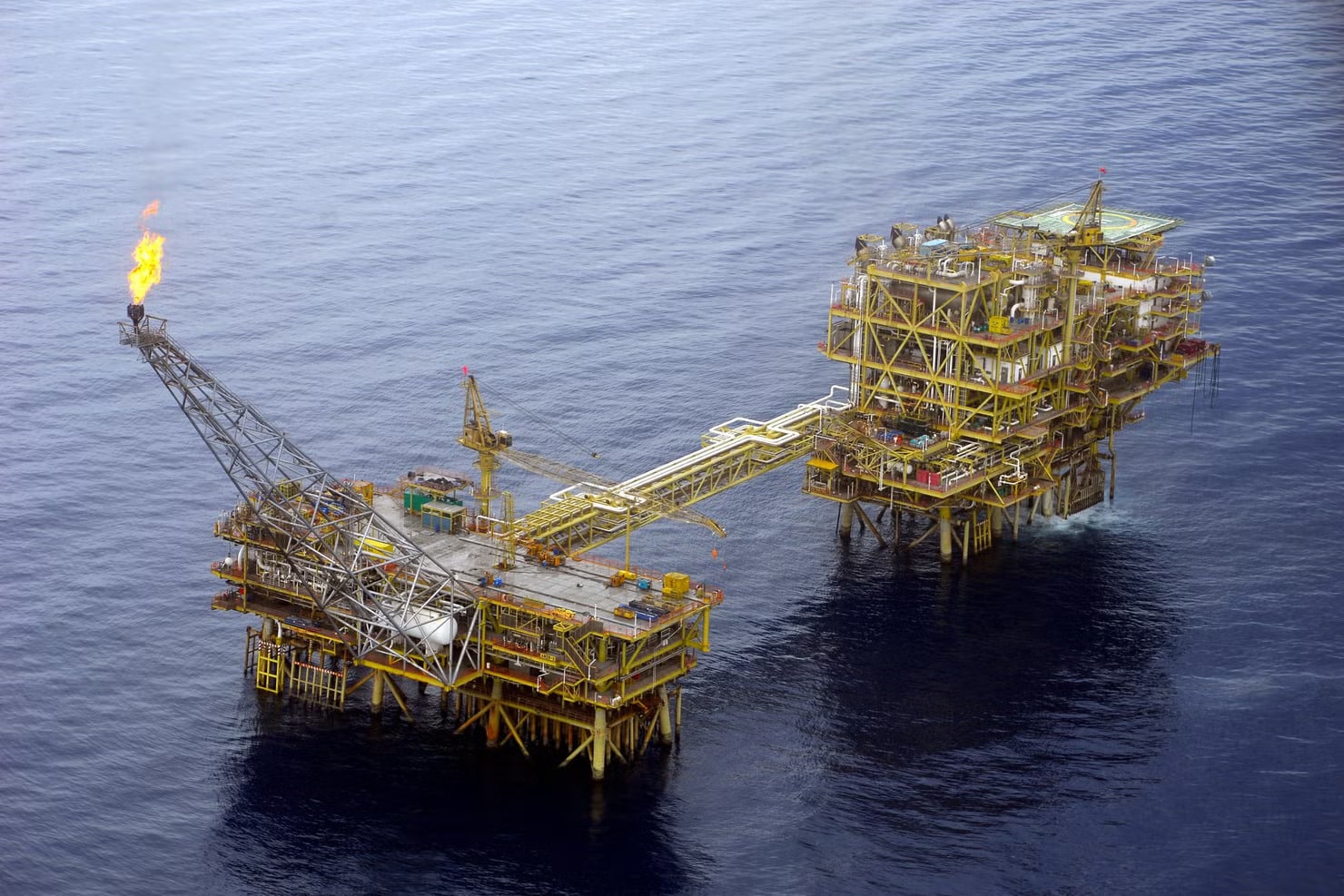
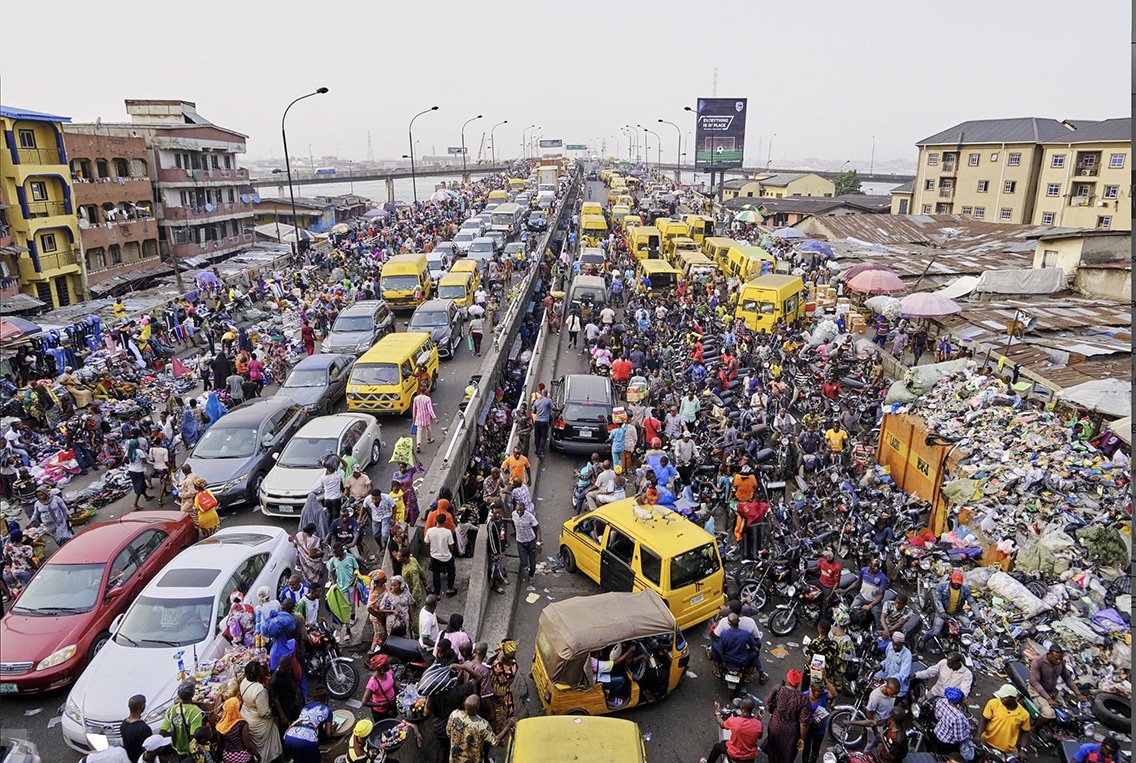
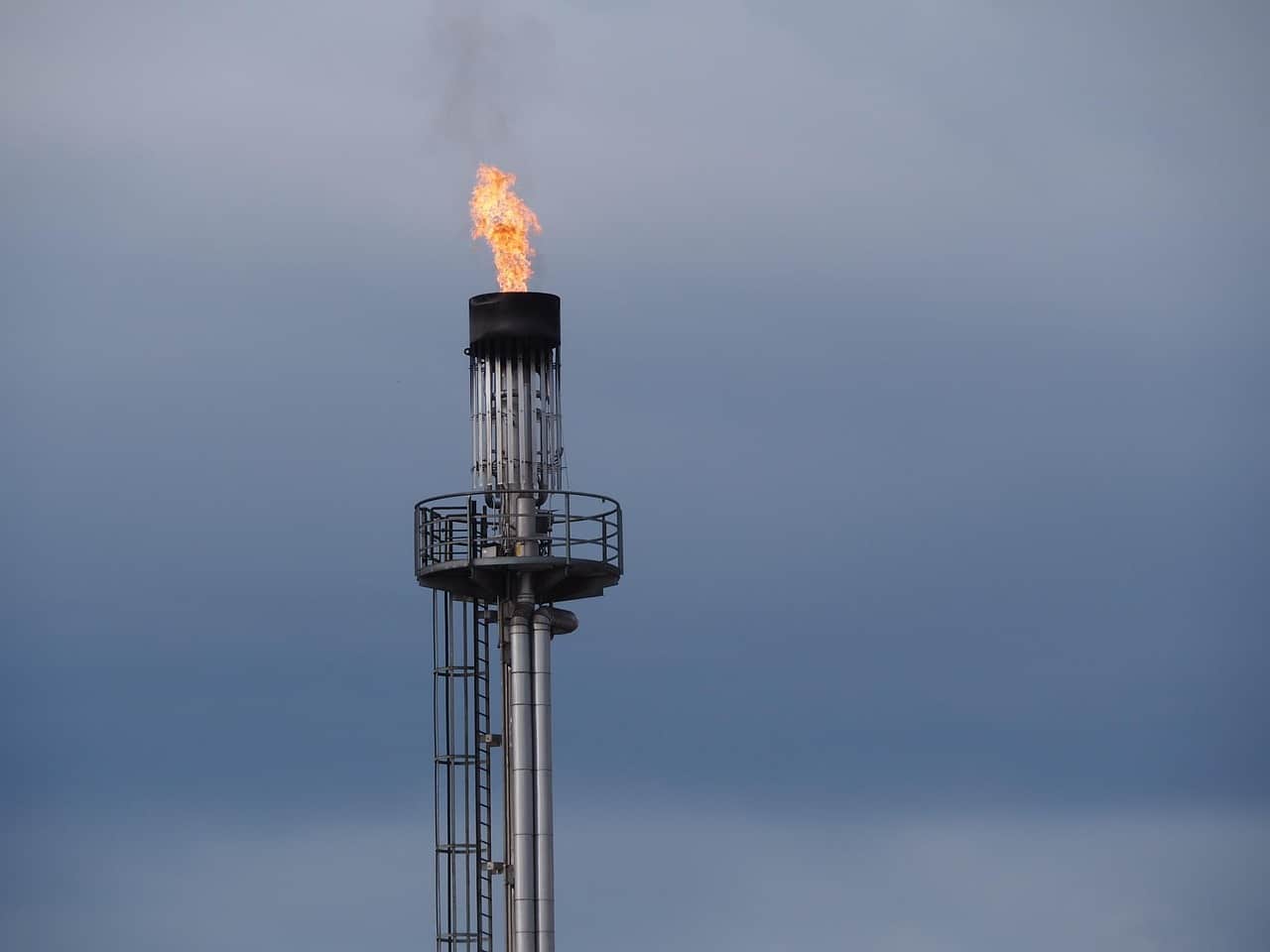
Since its inception in 2023, the $20 billion refinery has struggled to dominate the market the way experts and industry players expected. And this is despite the fact that it is the biggest refinery in Africa and the only functioning large-scale refinery in Nigeria, Africa’s most populous country.
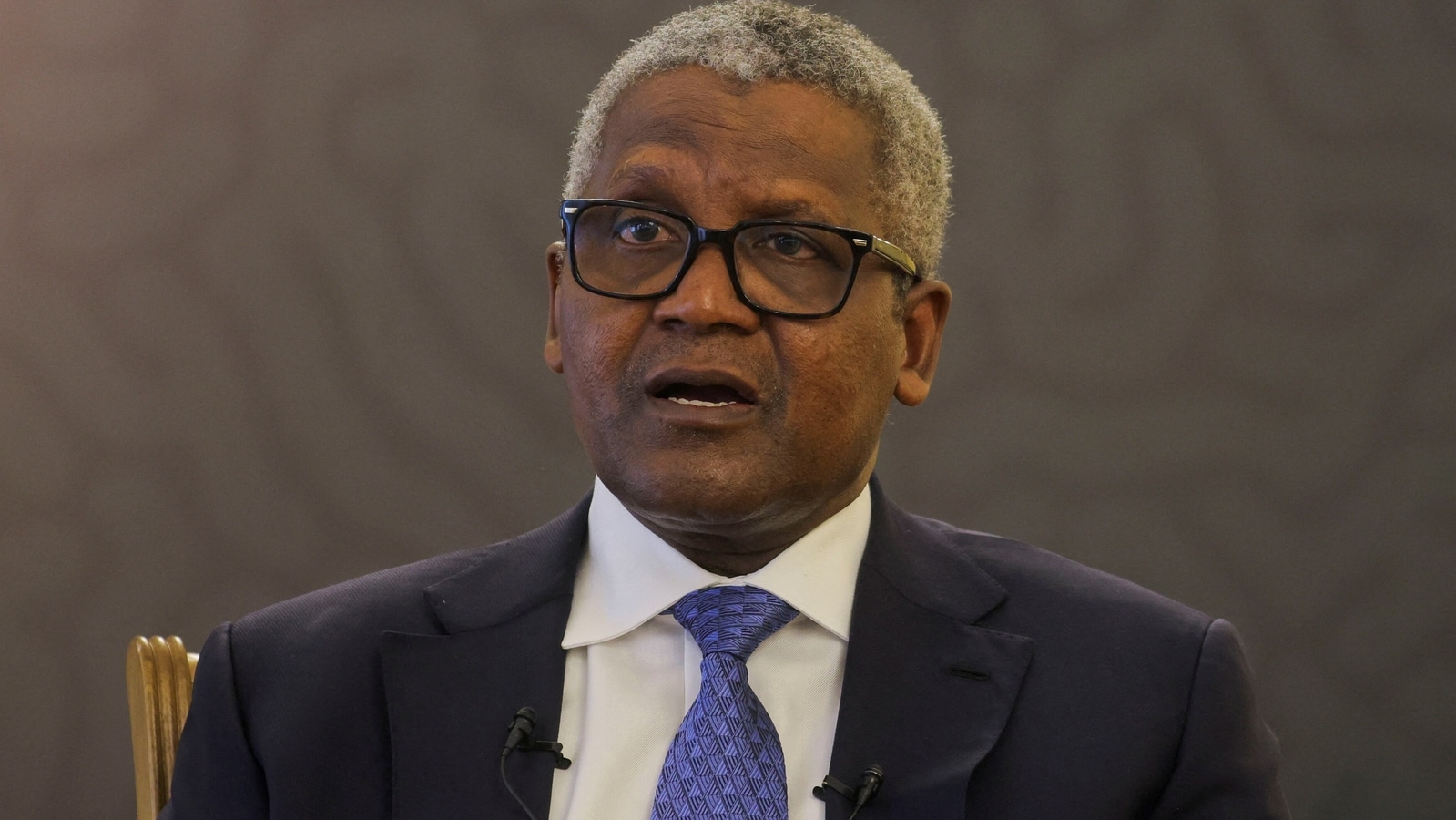
When Aliko Dangote committed his cement backed fortune to the project, many Nigerians believed it could finally ease the country’s long running importation crisis. With reports showing Nigeria spent no less than $400 million annually importing fuel, it was natural to assume this could mark the end of that dependence.
Not so fast.
The Dangote refinery failed to secure the level of partnership many had expected, even from associations and bodies that should have been its natural allies. Importation instead surged, and the country continued to rely on foreign fuel.
One major issue has always been pricing. How do you price imported fuel? Importers have a clear advantage. They can source fuel from anywhere, including places like Russia, where sanctions from the United States and other Western nations have pushed products into cheaper, often black market channels. Many Nigerian importers are reportedly sourcing from there.
So the question becomes, how can a local refinery, sourcing crude from the formal market and doing everything by the book, compete with that? How can such a business survive when others can cheat the system and buy from the cheapest place possible?
That is where the price war begins.
Dangote refinery tried as much as possible to navigate the muddy waters and remain competitive. Importers fought back. Prices went up, then down, then up again. Since the battle started, prices in Nigeria’s downstream market have changed more than 50 times. Dangote itself has adjusted prices upward and downward more than 20 times this year alone. Marketers have done the same.
Then came the shock.
Pricing: Dangote’s trump card
Last week, Dangote refinery announced a price cut of more than 15%. It is the largest petrol price reduction in Nigeria since the time of the late Umaru Musa Yar’Adua, when petrol prices were brought down from 85 naira per litre to 65 naira per litre. The market did not see it coming. Importers did not see it coming. Even consumers did not see it coming.
From an economic standpoint, this kind of reduction does not fully make sense, even for Dangote itself. There is no doubt that the refinery is absorbing some of the cost in an attempt to penetrate Nigerian obstinate market. But the objective is clear. This is a fight Dangote is willing to take to the importers’ doorstep.
The advantage here is timing. Importation takes time. It takes nothing less than 2 to 3 months to get a vessel offloaded and products sent into the market. The free on board rule applies, meaning once a product is ordered, the importer bears all the costs until it lands. So no importer, in reality, would slash prices by 15% knowing fully well that they still have to carry those costs. It simply does not make sense.
Dangote refinery has its own petroleum storage. That gives it flexibility. And beyond that, Aliko is a billionaire. Billionaires do not always need volume to justify decisions. Their balance sheet can act as a safety net.
In a competitive market where importers still outweigh local refiners, it only makes sense to use every weapon in your arsenal. And this appears to be what Dangote is doing.
For now, Dangote seems to have the upper hand. We do not yet know what importers have left in their arsenal or how they might respond. But this move has created serious pressure.
Consumers are already asking questions. When headlines say Dangote fuel is selling at N699 naira, people naturally ask, why is yours selling at N800? Why is yours N900? Retailers feel that pressure. Some may be forced to stock Dangote products, even though many are tied to importer controlled supply chains.
Now, in a post subsidy removal era, regulation is fierce. Nigerian players are willing to do whatever it takes to hold on to their grip on Africa’s largest fuel consumption market. Dangote has come to change the game, but it will not be easy.
A 15% price drop is a big deal. Crude prices trending downward have helped, giving the refinery some wiggle room. And with the festive period approaching, consumers are excited about the reductions.
For now, the refinery appears ahead.
Dangote and the Rockefeller playbook
This is where the Rockefeller playbook comes in. John D Rockefeller used pricing to dominate the oil market, making products cheaper, improving logistics, and cutting out middlemen. He priced competitors out and, in some cases, bought them out. People later argued monopoly, but what he delivered was cheaper fuel and efficient supply.
Dangote appears to be following a similar path. Investments in logistics, including CNG powered trucks, are aimed at removing middlemen and preventing added costs that distort the market.
Pricing remains the trump card. People respond to price faster than to policy or regulation. It may come at a high cost in the short term, but it can deliver long term gains.
Nigeria being import dependent for petrol makes little sense when it produces crude and has the biggest refinery in Africa. Importers will fight back, no doubt. But for now, Dangote’s pricing strategy appears to be winning.
And this, clearly, is just the beginning.
An onging market war
Still, this does not mean the war is over.
Importers are unlikely to fold quietly. Some may decide to consolidate. Others may attempt to collaborate with the Dangote refinery. And some will simply continue importing, especially as long as countries like Russia and others are willing to sell petrol cheaply through black market routes. That reality exists, and it cannot be ignored.
But history shows that this kind of resistance is not new.
Even in the time of Rockefeller, there were pushbacks. There were players who refused to collaborate. There were those who believed they could outlast the pressure. In the end, many of them disappeared. Not because they were wrong, but because pricing eventually broke them.
That is why pricing remains Dangote’s strongest weapon.
Pricing works. People respond to pricing more than any other economic mechanism. It is the fastest and cheapest way to influence behaviour. This strategy may come at a very high cost in the short term, but it makes sense if the goal is long term control of the market.
And this is where the bigger question comes in.
Should Nigeria remain an import dependent country, especially for petrol products? It already sounds strange. It sounds even stranger when you remember that Nigeria is a crude oil producing country. And it sounds almost absurd when you add the fact that the biggest refinery in Africa sits right in Nigeria’s backyard.
This is not just about Dangote refinery. It is about structure. It is about whether the Nigerian downstream market will continue to reward importation over local refining. It is about whether regulation will truly support domestic capacity or quietly protect entrenched interests.
Importers will fight back. That is certain. They have money. They have networks. They have influence. But for the first time in a long time, they are facing a player that can match them in scale, patience, and financial firepower.
For now, Dangote appears to have the upper hand. Not because the fight is finished, but because pricing has shifted the conversation. Consumers are watching. Retailers are under pressure. And the market is beginning to ask uncomfortable questions.
Has Dangote won the war? No one can say that yet. Is the pricing battle over? Clearly not. But has the balance of power shifted?
That question is no longer hypothetical.
And in Nigeria’s downstream market, once pricing shifts, everything else eventually follows.