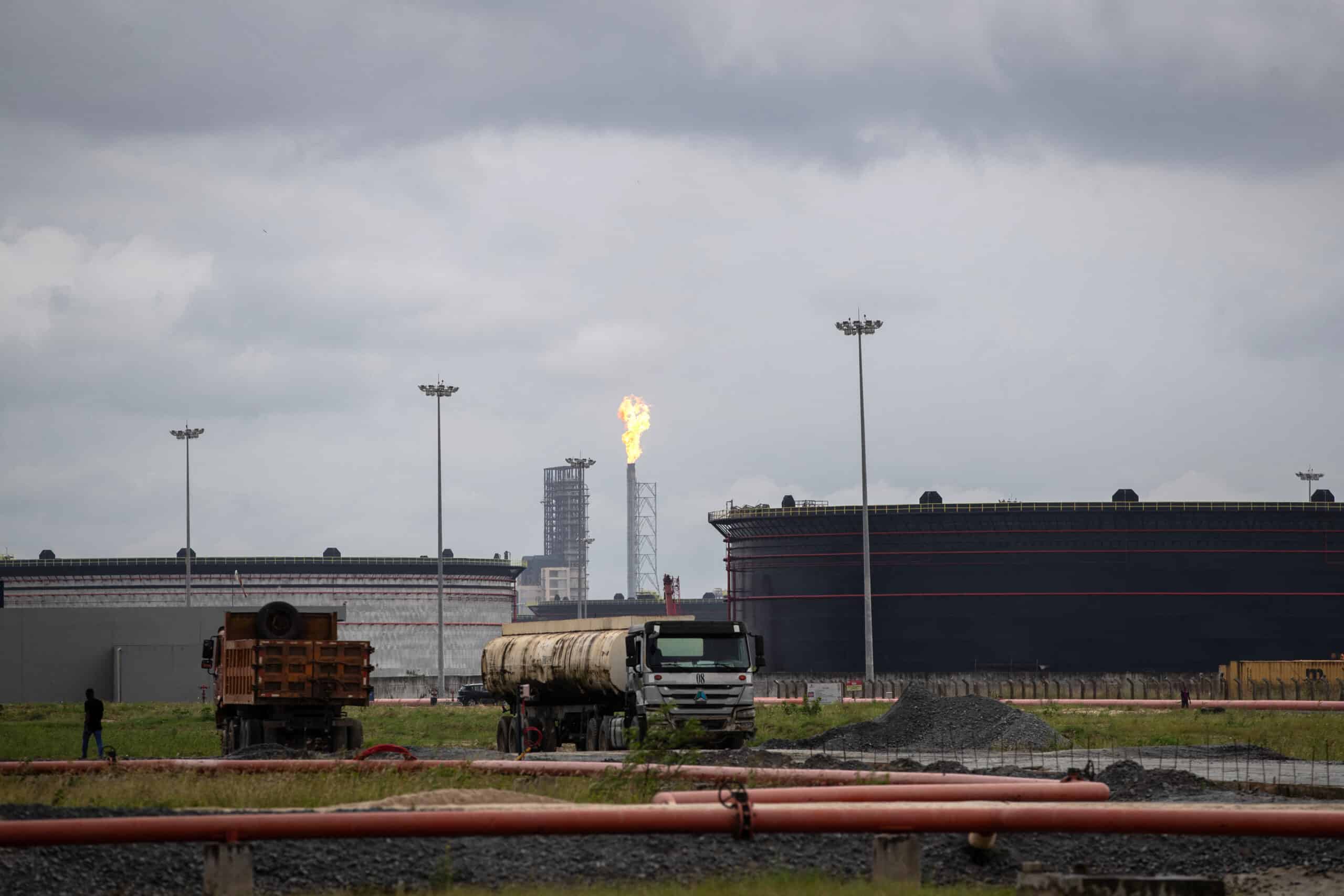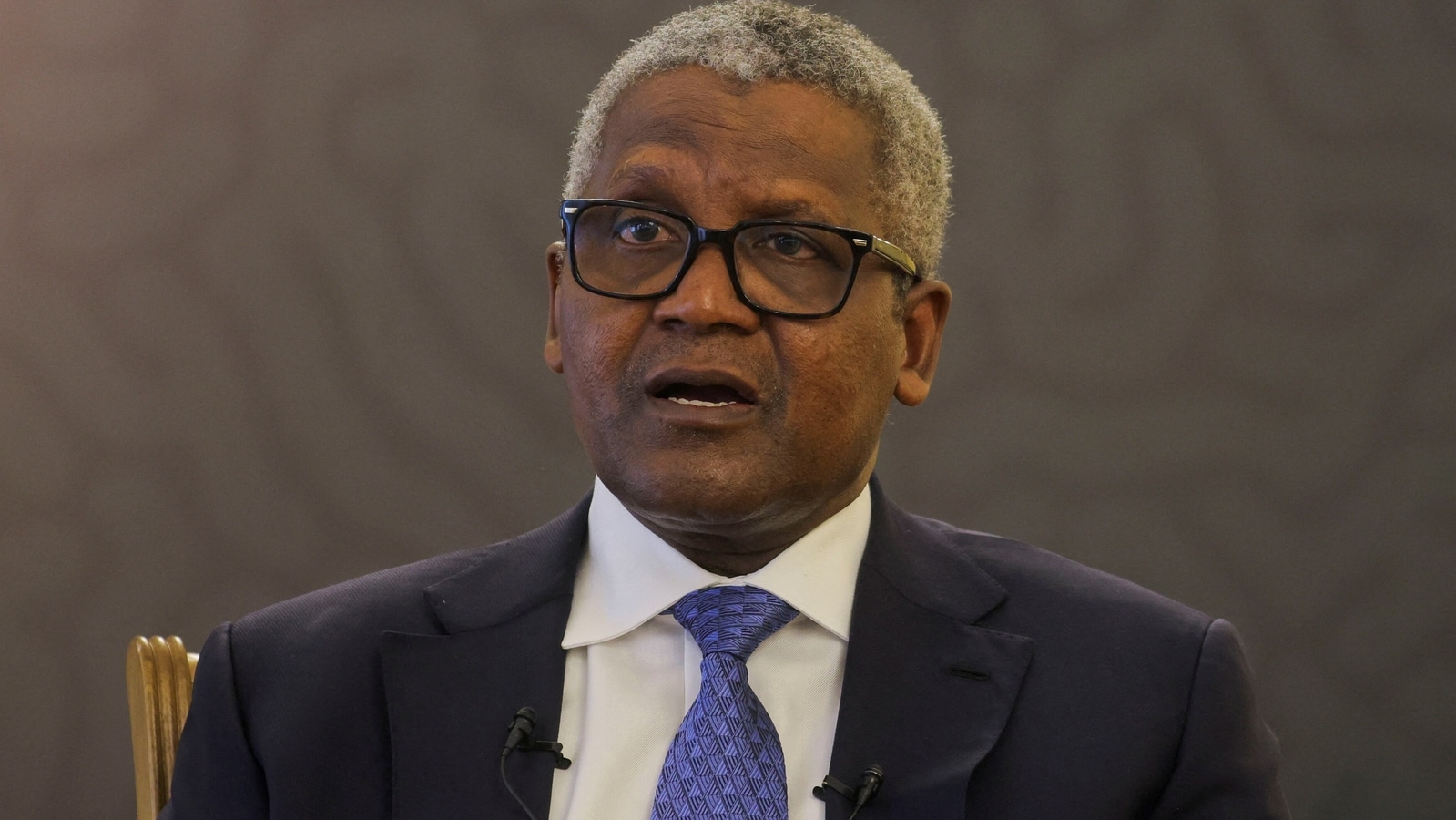



Nigeria’s long-delayed Ajaokuta-Kaduna-Kano (AKK) gas pipeline is now on course for commissioning in early 2026, the Group Chief Executive Officer of NNPC Ltd, Bashir Ojulari, has confirmed after briefing President Bola Tinubu at the Aso Villa on Sunday.
Ojulari told reporters at the Villa that the company had completed welding of the main line, including the critical River Niger crossing — a technical challenge that had stalled progress for years.
“We have been able to successfully complete the welding of the mainline of the AKK. You remember some time this year, we were able to cross the River Niger which had been a struggle for many years,” he said.
The milestone clears the way for final connections in 2026, with Ojulari promising that the pipeline will “bring gas in its full form into the northern part of Nigeria.”
Transforming Northern Nigeria’s energy landscape
The AKK pipeline, valued at $2.8 billion, was first conceived by NNPC in 2008 as part of Nigeria’s ambition to harness its vast gas reserves for economic growth.
Stretching over 614 kilometres, the project is designed to deliver natural gas from Ajaokuta in Kogi State through Abuja and Kaduna to Kano.
It is one of Nigeria’s most ambitious energy infrastructure projects and is part of the Trans-Nigeria Gas Pipeline system, which aims to connect gas-rich southern fields to demand centres in the north.
The project was initially billed to deliver first gas by the first quarter of 2025, but that couldn’t happen for reasons NNPC has not made public.
However, after a lingering delay, Ojulari in May promised to resume both exploration in the Kolmani and construction works on the stalled pipeline project which was then at around 70% completion.
“NNPC will continue drilling in the Kolmani field and press forward with the construction of the Ajaokuta–Kaduna–Kano (AKK) gas pipeline,” Ojulari said. “Existing contractors will remain on the projects, and we are open to welcoming new partners.”
By June, the construction work on the pipeline had progressed from 72% completion in Q1 2025 to 83%, with River Niger crossing successfully achieved.
It is currently around 96% today.
Ojulari said the pipeline would supply gas to industrial parks, fertiliser plants and power stations.
“By completing this mainline, we can begin to make all the connections, which we will do in the earlier part of next year. We are looking at Kaduna, Kano, and of course also Ajaokuta and Abuja,” he added.
The project is also expected to support Nigeria’s wider energy transition, reducing reliance on oil revenues by expanding gas-based industries.
NNPC’s wider energy ambitions
Moreover, NNPC is undergoing a period of transformation, backed by President Bola Tinubu, with structural reforms aimed at improving efficiency and transparency.
Ojulari said the company is targeting 1.8 million barrels per day of oil production in 2026, alongside new investment decisions in the gas sector.
AKK is part of a wider portfolio of gas projects designed to strengthen Nigeria’s role in Africa’s energy market.
The government aims to unlock more than 55 trillion cubic feet (TCF) of uncommitted gas reserves through monetisation and infrastructure expansion, securing long-term energy supplies.