


Egypt has signed a preliminary agreement to supply natural gas to Lebanon’s Deir Ammar Power Plant, in a move aimed at easing the country’s chronic electricity shortages and strengthening regional energy cooperation.
The Memorandum of Understanding (MoU) was signed between Egypt’s Ministry of Petroleum and Mineral Resources (MoPMR) and Lebanon’s Ministry of Energy and Water during a visit to Beirut by Egyptian Petroleum Minister Karim Badawi.
The deal is expected to deepen bilateral ties and utilise Egypt’s extensive gas infrastructure to bolster regional energy security, according to a statement from Cairo.
Under the agreement, Egypt will draw on its production and export facilities, including the Idku and Damietta liquefaction plants, which have already exported around 150,000–155,000 cubic metres of liquefied natural gas (LNG) this year to Greece, Italy and Türkiye.
The recent gas supply deals reflect a dual strategy— importing LNG to cover immediate shortfalls while securing long-term supplies from Israel and expanding regional cooperation with Lebanon.
Leveraging Egypt’s gas infrastructure
The plan also involves the use of the Energos Force Floating Storage Regasification Unit (FSRU), currently docked at Jordan’s Port of Aqaba, to facilitate gas transport via the Arab Gas Pipeline.
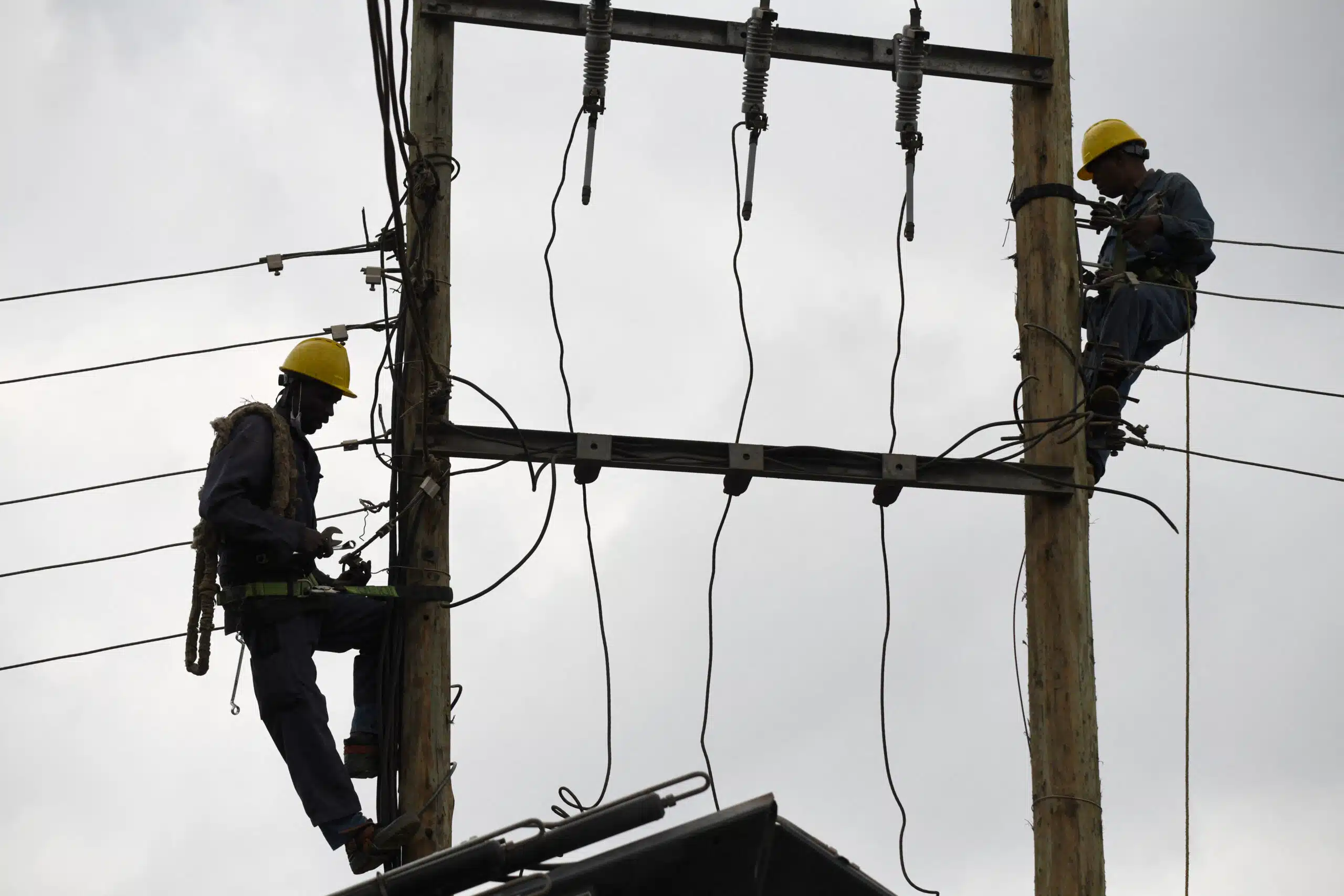
This infrastructure is expected to help meet Lebanon’s rising electricity demand, which has long been constrained by fuel shortages and underinvestment in power generation.
During his visit, Badawi met Lebanese President Joseph Aoun, who described the MoU as a “fundamental step” towards increasing electricity supply for citizens. He emphasised that the partnership offered a practical solution to Lebanon’s energy needs.
Badawi also met Parliament Speaker Nabih Berri, with both officials highlighting the historical ties between the two nations, particularly in the energy sector.
The Egyptian minister said joint working groups would move quickly to implement the agreement, stressing Egypt’s readiness to share technical expertise in oil and gas to support Lebanon’s development goals.
The deal builds on commitments made at the 10th Session of the Egyptian-Lebanese Joint Higher Committee, held in Cairo in November 2025.
At that meeting, both countries signed 15 strategic accords covering petroleum exploration, refined product trade, and administrative cooperation in taxation and customs.
Egypt’s gas output push
In recent months, Egypt has signed multi-billion-dollar gas supply deals with both international energy companies and regional partners.
These include a $3 billion LNG import agreement with Shell and TotalEnergies to secure 60 cargoes in 2025, and a landmark $35 billion gas export deal with Israel’s Leviathan field operators running until 2040.
Cairo has also inked preliminary supply agreements with Lebanon to deliver gas via the Arab Gas Pipeline, reflecting Egypt’s ambition to remain a regional energy hub despite domestic production shortfalls.
Egypt, once a net gas exporter, has faced declining production and rising demand, forcing it to import LNG to meet local needs. Despite challenges, Egypt continues to position itself as a gas hub for the Eastern Mediterranean, leveraging infrastructure like Idku, Damietta and regional pipelines.
After a 40% drop in gas output since 2021, Egypt is staging a strong recovery that will help it reduce LNG imports and boost domestic supply.
Gas output began recovering in mid-2025, increasing by over 200 million cubic feet per day (mmcf/d).
The Israel deal provides long-term supply security but exposes Egypt to political risks linked to regional instability. Securing LNG cargoes and pipeline agreements helps stabilise Egypt’s power sector, which has struggled with blackouts and fuel shortages.
Egypt’s gas sector is projected to expand at a compound annual growth rate of 12% through 2033, defying political headwinds and positioning the country as a resilient force in the global energy arena.