



Nigeria’s state-owned oil company, NNPC Limited, has announced the full restoration of the Escravos–Lagos Pipeline System (ELPS), following an explosion on a section of it earlier this month that disrupted supplies.
The incident occurred at about 5:50pm on 10 December 2025 at three communities near Warri in Delta State, prompting an emergency response.
A few days later, NNPC confirmed it had carried out coordinated containment measures on the affected section of the pipeline. It also said multidisciplinary teams worked around the clock to repair the damaged section, conduct pressure tests and recommission the line.
The pipeline is now back in service, the company confirmed on Monday.
NNPC credited the swift restoration to coordinated efforts involving regulators, security agencies, host communities and technical partners.
“Together, we turned a challenging moment into a success story, restoring operations in record time while upholding the highest standards of safety and environmental stewardship,” the company said in a statement.
The Escravos-Lagos gas line
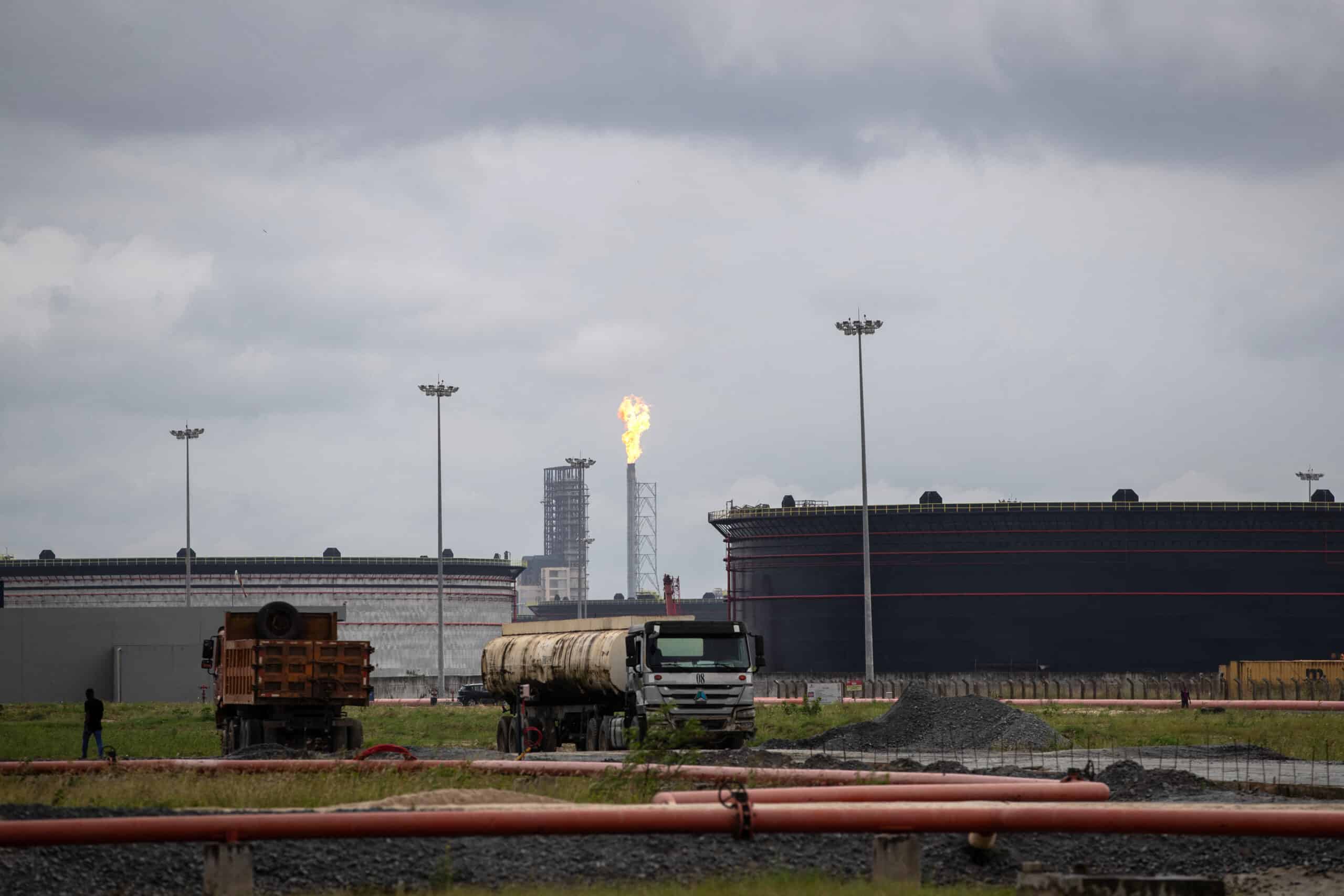
The Escravos–Lagos Pipeline is a critical part of Nigeria’s gas infrastructure, transporting supplies from the Niger Delta to power plants and industrial hubs in the southwest, including Lagos.
Built in 1989, the looped 36-inch gas pipeline runs more than 340km transporting up to 2.2 billion cubic feet of natural gas from Delta to Lagos, where it connects to the broader West African Gas Pipeline system.
Disruptions to the line have historically led to electricity shortages and industrial downtime. The pipeline primarily feeds major gas-fired power plants (like Egbin and Ughelli) and other industries along the southwest corridor, with the line explosion attributed to the recent blackout in many parts of the country.
Meanwhile, NNPC said it had sanctioned a business continuity plan—which typically involves rerouting supply through alternative pipelines— to minimise downtime and help offtakers resume operations quickly.
“The operator has activated its business continuity plan to manage the impact on all affected stakeholders,” NNPC said four days after the incident. “The company remains committed to the safety of its host communities, the protection of the environment and the reliability of its operations across all assets.”
Commitment to energy security
NNPC spokesperson Andy Odeh said the restoration reaffirmed NNPC’s resilience and commitment to energy security.
The company pledged to continue safeguarding communities and protecting the environment while maintaining the integrity of its assets.
The ELPS has long been central to Nigeria’s energy mix, feeding gas into the national grid and supporting industries reliant on stable supply. Its rapid repair is seen as vital for ensuring electricity generation and industrial activity as the country heads into 2026.
The gas pipeline was undergoing an expansion, according to the October 2025 report of NNPC company, alongside a couple of other major pipeline projects that were at various advanced stages of completion.
The ongoing 50km Iseni pipeline project is also being developed as a potential tie-in to the Escravos-Lagos line.
As part of ongoing effort to ramp up gas production, the company chief executive on Sunday said the long-delayed Ajaokuta-Kaduna-Kano (AKK) gas pipeline was on course for commissioning in early 2026.