


For much of the past two years, Egypt’s energy story has been one of shortages, blackouts and declining gas production. Once celebrated as a rising gas hub in the Eastern Mediterranean, Cairo found itself struggling to meet domestic demand, forced to cut exports and lean on costly imports.
By mid-2024, output had slipped below expectations, exposing structural weaknesses in exploration, investment and infrastructure.
Yet 2026 might mark a turning point. A mix of emergency supply deals, new upstream approvals, and strategic partnerships has begun to stabilise Egypt’s gas sector.
From long-term import contracts with global majors to landmark export agreements with Israel, and preliminary supply commitments to Lebanon, Egypt is repositioning itself as both a regional supplier and a resilient consumer.
In what seems like a comeback plan, Egypt is not just about plugging short-term gaps but taking broader steps to unlock more than 55 trillion cubic feet of uncommitted reserves, expand liquefaction capacity, and reaffirm its role as a Mediterranean energy hub.
The stakes are high—for the economy, for regional energy security, and for Cairo’s credibility as a reliable partner.
Where it all started for Egypt
Before the discovery of Zohr, Egypt’s energy sector was in crisis. The country faced severe gas shortages, rolling blackouts and mounting import bills.
By 2016, Cairo was spending hundreds of millions of dollars each month on liquefied natural gas (LNG) to keep the lights on.
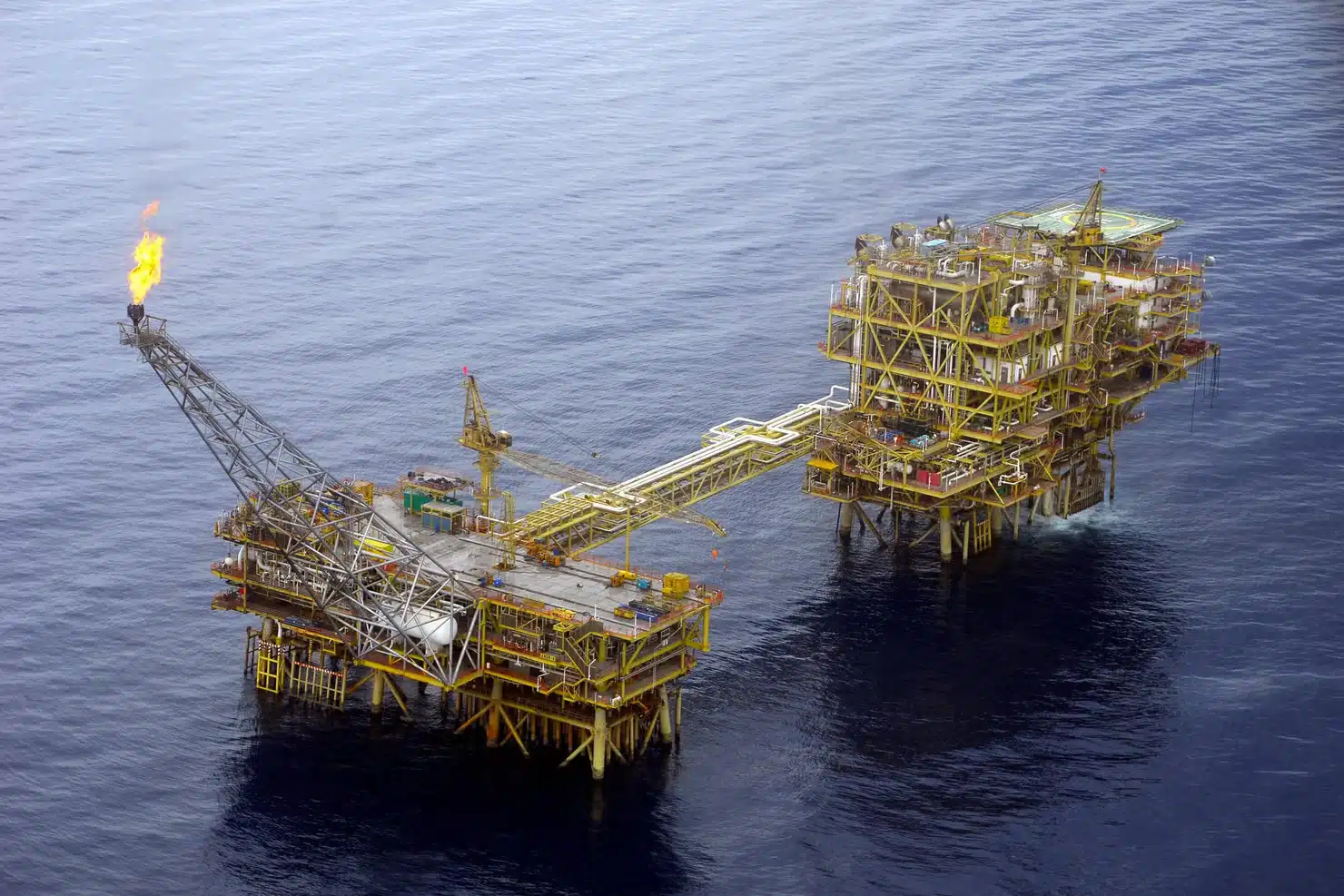
The turning point came in 2015, when Italy’s Eni announced the discovery of the Zohr gas field—the largest ever found in the Mediterranean. With reserves estimated at 30 trillion cubic feet (TCF), Zohr’s rapid development and production from late 2017 transformed Egypt’s fortunes.
Within two years, the country had shifted from being a gas importer to a regional energy hub, saving billions in import costs, stabilising electricity supply and enabling LNG exports.
By the late 2010s, production at Zohr (operated by Petrobel, a joint venture between Eni and the state-owned Egyptian General Petroleum Corporation) had reached its peak, and Egypt became a net LNG exporter.
The discovery fundamentally changed the country’s energy trajectory.
From exporter back to importer
But the success proved harder to sustain. Declining domestic onshore production, rising demand for power generation and more frequent heatwaves have combined in recent years to push Egypt back towards imports.
Output from Zohr fell to 1.9 billion cubic feet per day (Bcf/d) in 2024, well below its 2019 peak.
According to the Joint Organisations Data Initiative (JODI), Egypt’s gas production in May 2024 stood at 3,545 million cubic metres, down more than 40% compared with March 2021.
By the end of 2024, Egypt had quickly reverted to being a net LNG importer, ordering its highest number of cargoes in years.
The financial strain has been significant. For instance, Bloomberg reports that Egypt’s import bill for LNG and petroleum products rose by 60% year-on-year, reaching $20 billion by November 2025, compared with $12.5 billion the previous year.
The gas rebounds
However recently, Egypt’s natural gas sector is showing signs of recovery as the government pursues its goal of regaining exporter status by 2027, when production is expected to reach 6.6 billion cubic feet per day (Bcf/d).
Since August, output has risen by more than 200 million cubic feet per day, according to figures from the Ministry of Petroleum and Mineral Resources.
The increase has been driven by international operators including Shell, BP and Eni, which have brought new wells online.
In late August, the ministry confirmed that Eni was drilling three new wells at Zohr, Egypt’s largest gas field, while another well had already added 65 million cubic feet per day to national supply.
The Italian energy giant resumed operations at Zohr in February after production was curtailed due to arrears owed to foreign oil companies.
Eni has pledged up to $8 billion over the next five years to boost output at key fields, with Zohr alone currently contributing more than 23% of Egypt’s total gas production.
The rise in oil and gas output has already reduced Egypt’s fuel import bill by $3.6 billion and enabled the settlement of $1 billion in arrears to international partners, easing pressure on the grid and industry after last summer’s rolling blackouts.
Between May 2024 and May 2025, Egypt drilled 75 wells, resulting in 40 new oil and gas discoveries, according to government data.
The state-owned Egyptian Natural Gas Holding Company (EGAS) is now implementing seven new gas field projects and plans to place 24 wells into production during the 2025/26 fiscal year.
Meanwhile, LNG suppliers have been asked to defer nominated deliveries until early next year to help bridge a significant domestic demand gap.
More gas on the way
Egypt is stepping up efforts to boost natural gas production, with international energy majors announcing new projects in the Mediterranean and Cairo launching fresh exploration tenders.
Shell has connected six new wells at the West Delta Deep Marine (WDDM) concession and confirmed a final investment decision to develop the Mina West gas discovery.
Meanwhile, BP has reported a new find in the North Alexandria Offshore Concession, which it plans to develop as a tie-back to the WDDM infrastructure. The British company also intends to drill five additional wells in the Mediterranean by the second quarter of 2026.
To attract further investment, Egypt’s Ministry of Petroleum and Mineral Resources opened an international tender in November for four offshore oil and gas blocks in the Red Sea, with submissions due by 3 May 2026.
“We want the partners to increase their investments in local production and in discovery processes to be able to add to reserves and production,” Petroleum Minister Karim Badawi said in October.
The tender follows Cairo’s unveiling of a five-year plan to stimulate oil and gas output, targeting 480 exploration wells with investments exceeding $5.7 billion—one of the country’s most ambitious campaigns to date.
In parallel, Egypt has signed several strategic gas deals to stabilise its energy sector.
These include a $3 billion LNG import agreement with Shell and TotalEnergies, a landmark $35 billion export deal with Israel’s Leviathan field operators, and preliminary supply accords with Lebanon and Cyprus.
The agreements reflect Cairo’s dual strategy: covering short-term domestic shortfalls while reinforcing its role as a regional energy hub.
After years of declining output and recurring shortages, Egypt is taking bold steps to restore self-sufficiency.
Renewed drilling in 2026, alongside the continued development of the Zohr field, signals Cairo’s determination to keep gas at the centre of its comeback plan.