
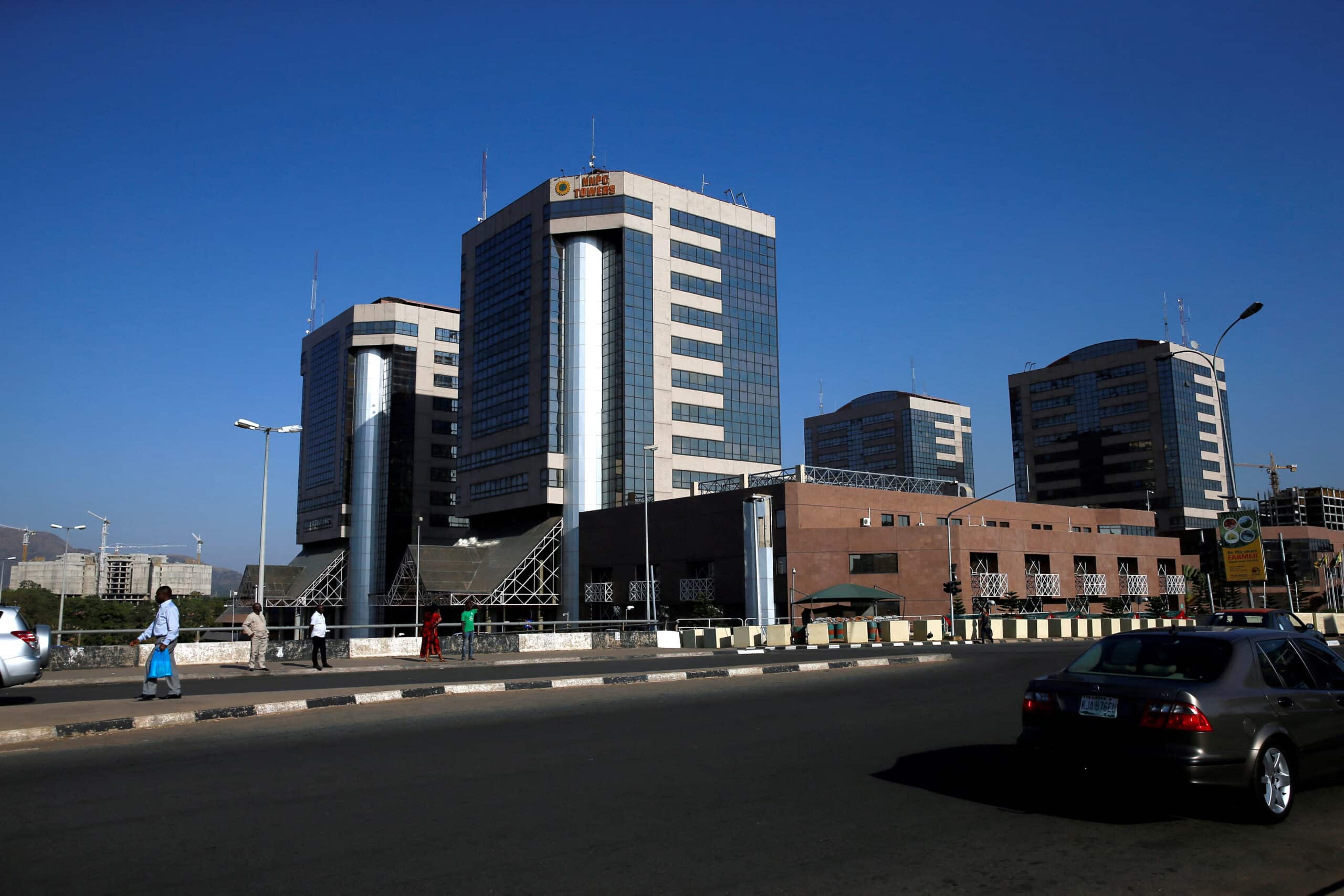


Nigeria’s state-owned oil company, NNPC Limited, has maintained a consistent upward trend in monthly earnings, reporting N502 billion ($350 million) in profit for November 2025 as higher crude output and improved remittances boosted government revenues.
According to figures released on Wednesday, NNPC posted profits of N216 billion ($150 million) in September and N447 billion ($310 million) in October, before climbing to November’s record level.
By contrast, the company’s revenue for November stood at N4.358 trillion ($3.01 billion), lower than the N5.078 trillion ($3.51 billion) reported in October, which itself was higher than the September figure of N4.269 trillion ($2.95 billion).
The steady rise in earnings reflects stronger oil production, higher global prices, and reforms under the Petroleum Industry Act (PIA), which aim to corporatise the company and improve transparency.
Reform momentum and fiscal impact
NNPC’s profit surge comes at a time when Nigeria is seeking to stabilise its public finances.
Oil remains the country’s largest source of foreign exchange and government revenue, and the company’s improved performance has eased pressure on the Federation Account Allocation Committee (FAAC), which distributes funds to federal, state and local governments.
Between January and October of the current year, the state-owned energy company says it has remitted a total of N12.117 trillion ($8.37 billion) to the federation account as statutory payments. That’s way higher than the N424 billion ($283 million) said to have been disbursed between January and August.
On its part, President Bola Tinubu’s administration has pushed for reforms to strengthen NNPC’s commercial viability, including debt write-offs, restructuring of joint venture obligations, and tighter oversight of crude sales.
In an October FAAC meeting, the president had approved more than $1.42 billion worth of legacy debt owed to the federal government to be taken off NNPC’s books. A separate N5.57 trillion ($3.85 billion) has also been cancelled.
The write-off covers obligations up to 31 December 2024, but excludes newer 2025 obligations (between January to October) which remain outstanding and are being actively tracked for recovery.
In recent years, NNPC, which recently celebrated a historic production high, has faced criticism from the World Bank for failing to fully remit oil revenues to the Federation Account.
Notwithstanding, analysts say the company’s rising profits over the months are a sign that measures implemented by the current leadership are beginning to yield results.
Challenges ahead for the oil firm
Despite recent gains, Nigeria’s oil sector continues to grapple with deep-rooted challenges.
Crude theft, pipeline vandalism and years of underinvestment in infrastructure have long undermined production. Output has only recently begun to recover, reaching about 1.77 million barrels per day in 2025 after a prolonged decline.
In November, crude oil and condensate production stood at 1.6 million barrels per day, slightly higher than October’s 1.58 million barrels.
Global market volatility also poses risks. While higher oil prices have supported NNPC’s earnings, any downturn could quickly erode profits.
At the same time, Nigeria faces mounting pressure to diversify its economy and reduce dependence on hydrocarbons, even as it seeks to expand gas production and exports.
The company’s sales figures highlight ongoing difficulties. The total volume of crude oil and condensate sold in November fell by more than 25%, dropping to 19.98 million barrels compared with 26.71 million barrels in October. I
n October, NNPC exported 1.93 million barrels of condensate alongside crude, but in November exports consisted solely of crude, with condensate volumes reduced to zero.
Production levels remained largely flat between October and November, but gas sales declined by 63 million cubic feet per day (mmcf/d), down from 4,713 mmcf/d in October.
Looking ahead, NNPC plans to commission the $2.8 billion Ajaokuta–Kaduna–Kano (AKK) gas pipeline in the opening months of 2026, following the completion of welding on the mainline and the critical River Niger crossing.
The project is seen as central to Nigeria’s ambition to expand gas supply to the north and strengthen energy security.