


In April this year, it will mark one year since oil veteran Bashir Ojulari assumed office as the leader of Nigeria’s state owned oil firm, NNPC Limited. Ojulari, a former Shell executive, took over from Mele Kyari at a time when the company was under intense public scrutiny.
Kyari’s tenure was far from smooth. Allegations of corruption, weak transparency and rising debt weighed heavily on the national oil company throughout his time in office.
Since assuming office as Group Chief Executive Officer (GCEO), Ojulari has worked to change that narrative. His focus has been on corporate transparency, crude production, tackling oil theft and renewing investments in infrastructure.
One of the most visible changes has been NNPC’s return to publishing its monthly financial and operational summaries. These reports now disclose revenue, production figures, profit after tax and statutory payments to the federation account.
Changes at the board level have also played a role. Following Ojulari’s appointment, a new Chief Financial Officer was named. Nine other oil and gas executives were also appointed to the board.
As one analyst noted, the leadership overhaul felt like a breath of fresh air for a company long associated with corporate malfeasance, weak accountability and a bloated bureaucracy.
Ojulari continues to steer the company in a new direction, with investors and industry observers paying close attention to the emerging outlook.
Oil theft, production targets and the IPO race
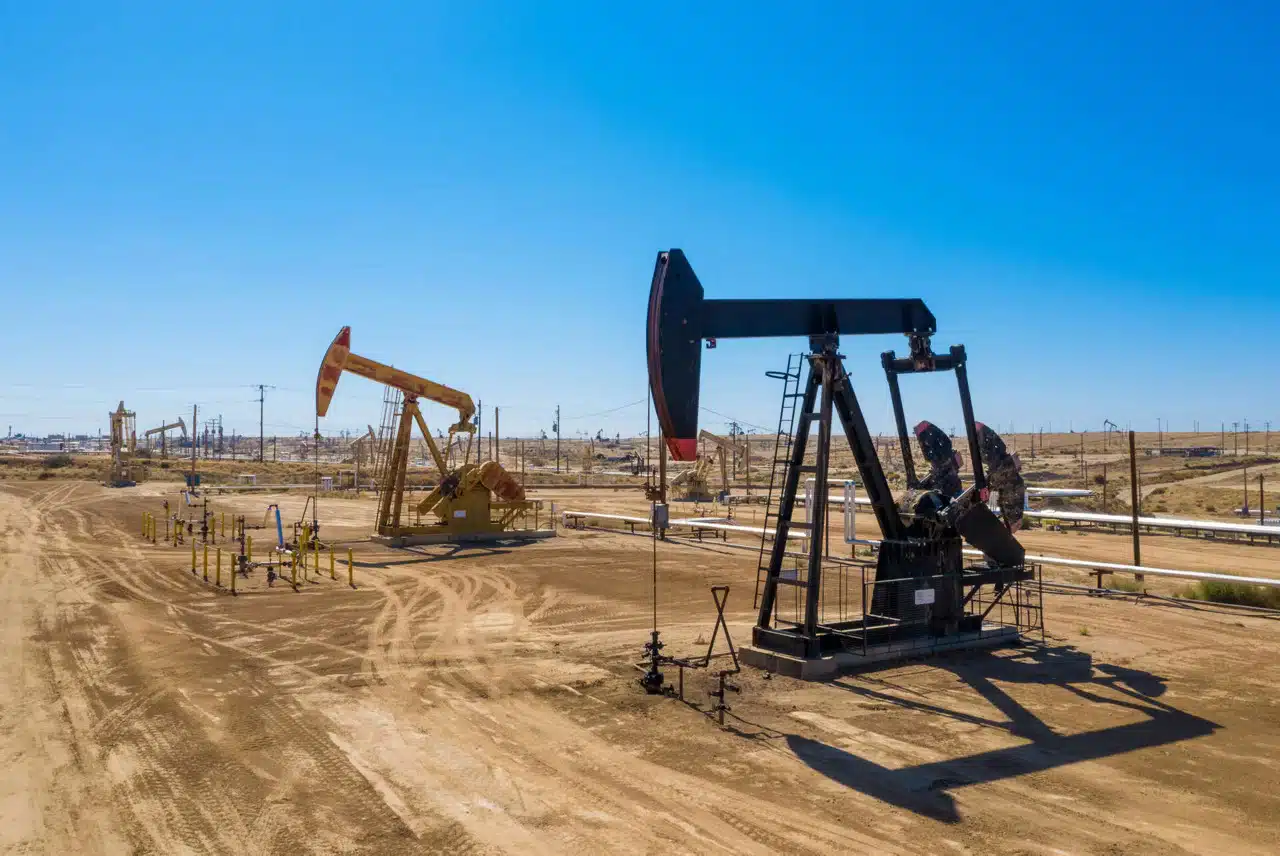
Still, major challenges remain. While the trajectory appears positive, NNPC is far from where it needs to be. The company has set an oil production target of 2 million barrels per day (bdp) by 2026 and 3 million bdp by 2030. It also plans to revive several ageing and idle oil fields to achieve this goal.
In addition, the passage of the Petroleum Industry Act (PIA) in 2021 mandated NNPC’s transition into a commercially driven entity, leading to the addition of Limited to its name in 2022. As part of this reform agenda, plans for an initial public offering are underway, though a firm date has yet to be announced.
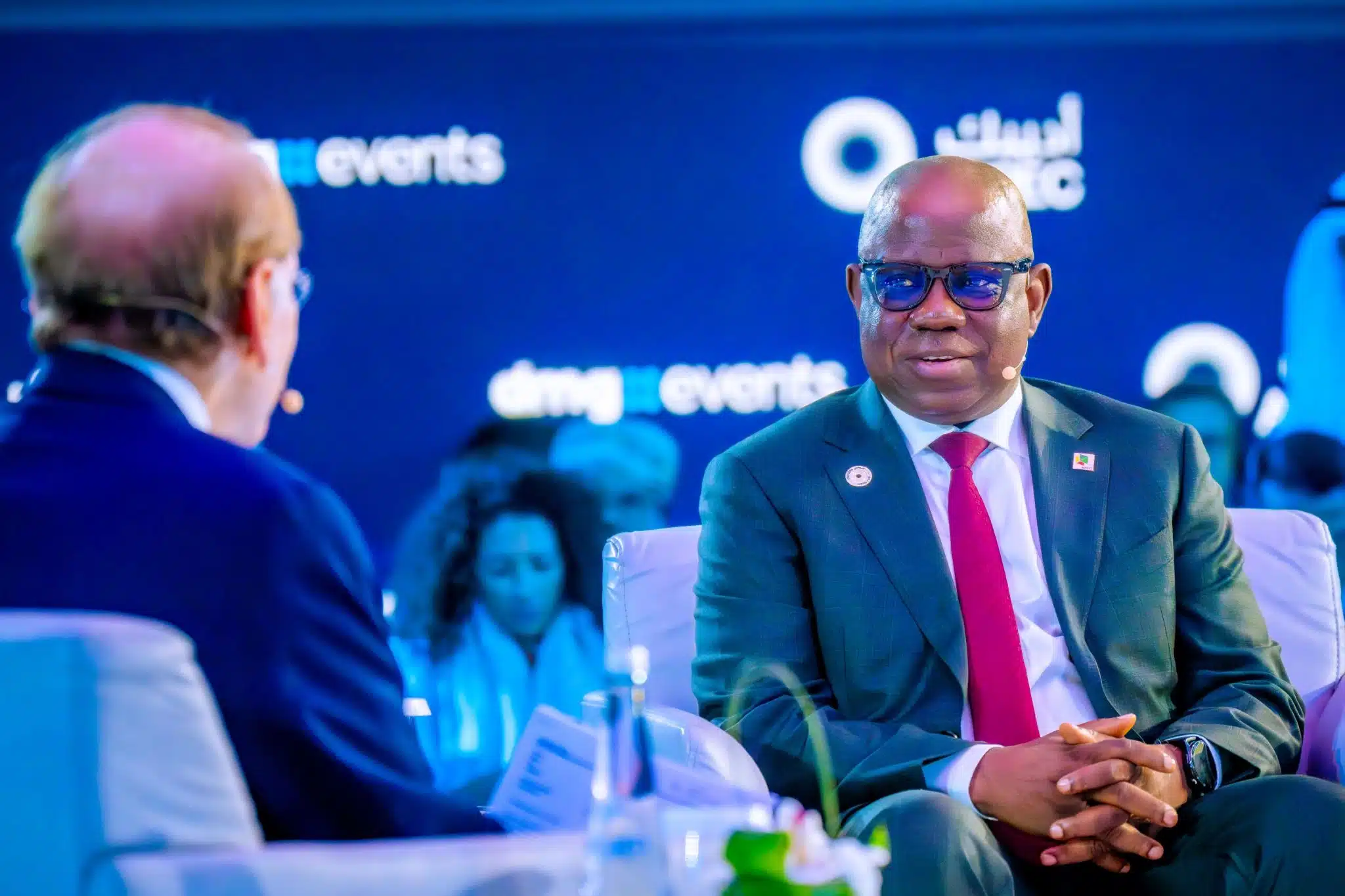
Speaking at the ADIPEC energy conference in Abu Dhabi in June 2025, Ojulari hinted at a 2029 timeline for the company’s public listing.
“The IPO journey is by law. The PIA prescribes that NNPC must work towards an IPO. It is not optional for us,” Ojulari said.
With total assets estimated at about $300 billion, even a partial listing of NNPC would be the largest in the history of Nigeria’s stock exchange, rivaling firms such as Aradel, Seplat and Oando.
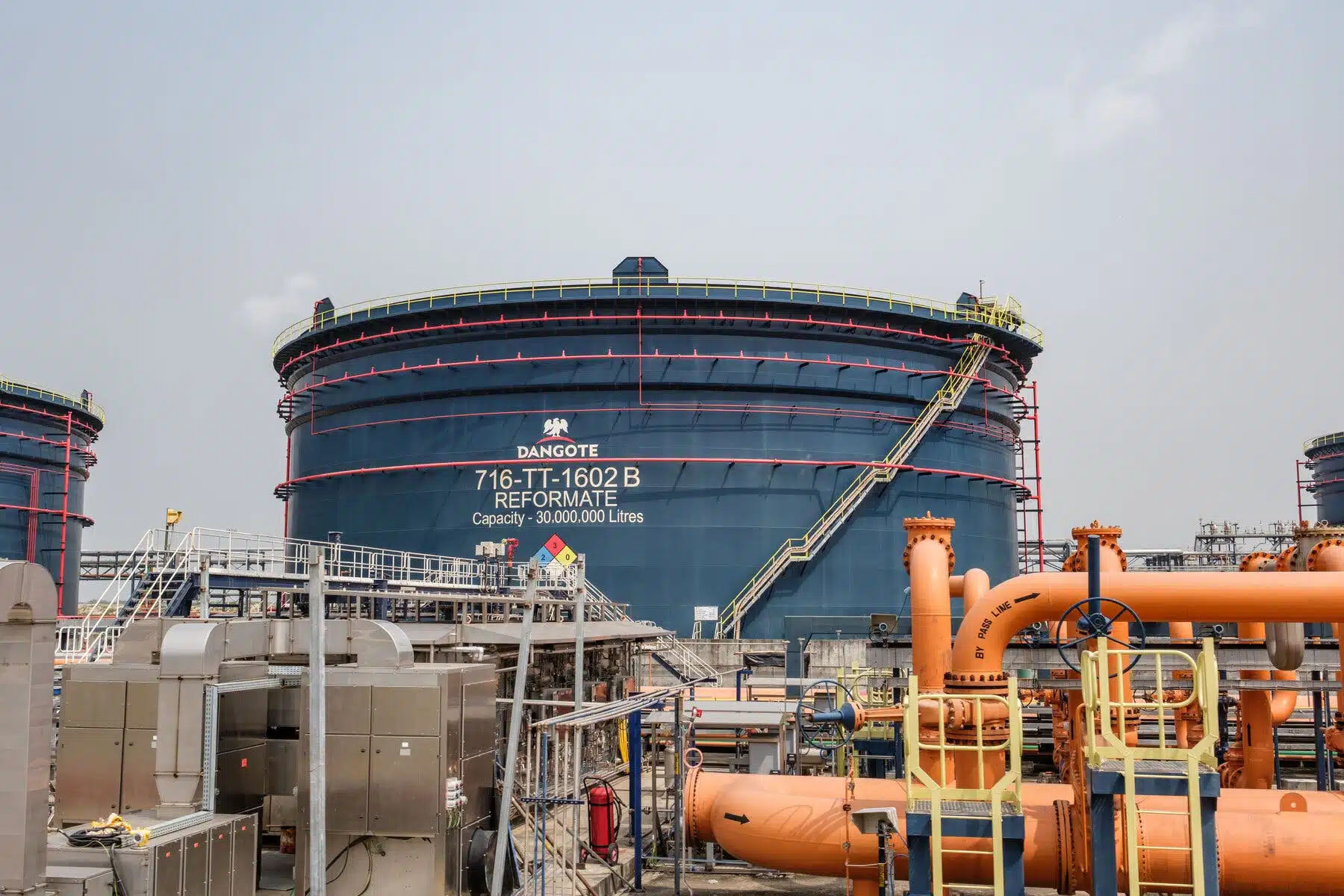
Beyond valuation, production remains critical. While Nigeria’s OPEC quota stands at about 1.5 million bdp, NNPC has room to ramp up output to as high as 2 million bdp by supplying domestic refineries such as Dangote’s.
This production push requires tougher action against oil theft. Pipeline leaks and vandalism continue to limit Nigeria’s ability to fully utilise its crude output. NNPC has engaged private surveillance firms to support security across the Niger Delta, yet theft and diversion persist.
Some reports place Nigeria’s potential oil production at about 2.5 million barrels per day, with losses linked to theft, leaks and vandalism.
NNPC insists it is working continuously to curb these illegal activities.
Ojulari himself acknowledged the scale of the problem, noting that international syndicates may also be involved.
He said, “Crude theft and its related illegal activities are not purely local. These operations involve specialised international syndicates exploiting gaps within state, national and continental security frameworks.”
To NNPC’s credit, crude theft has reduced in recent months. Increased deterrence from the military, local security forces and private contractors has contributed to this improvement.
However, if NNPC is to meet its 2 million bdp milestone by the end of 2026, oil theft will need to fall to near zero.
Dangote Refinery, NNPC uneasy partnership
Another unresolved issue is NNPC’s relationship with Dangote Refinery. Under Kyari’s leadership, relations were strained, with both sides openly accusing each other of hostility.
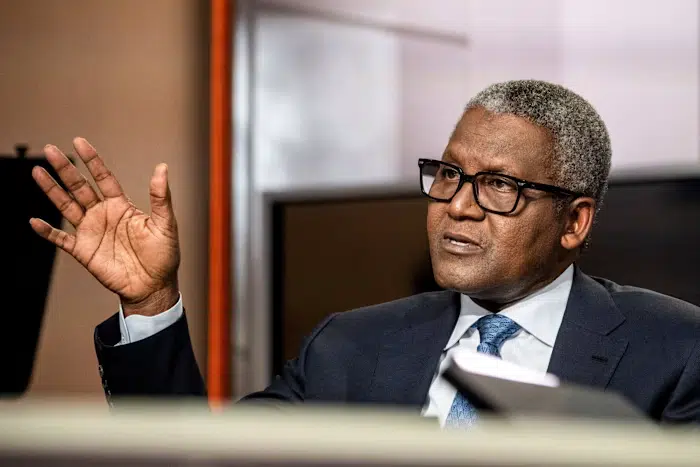
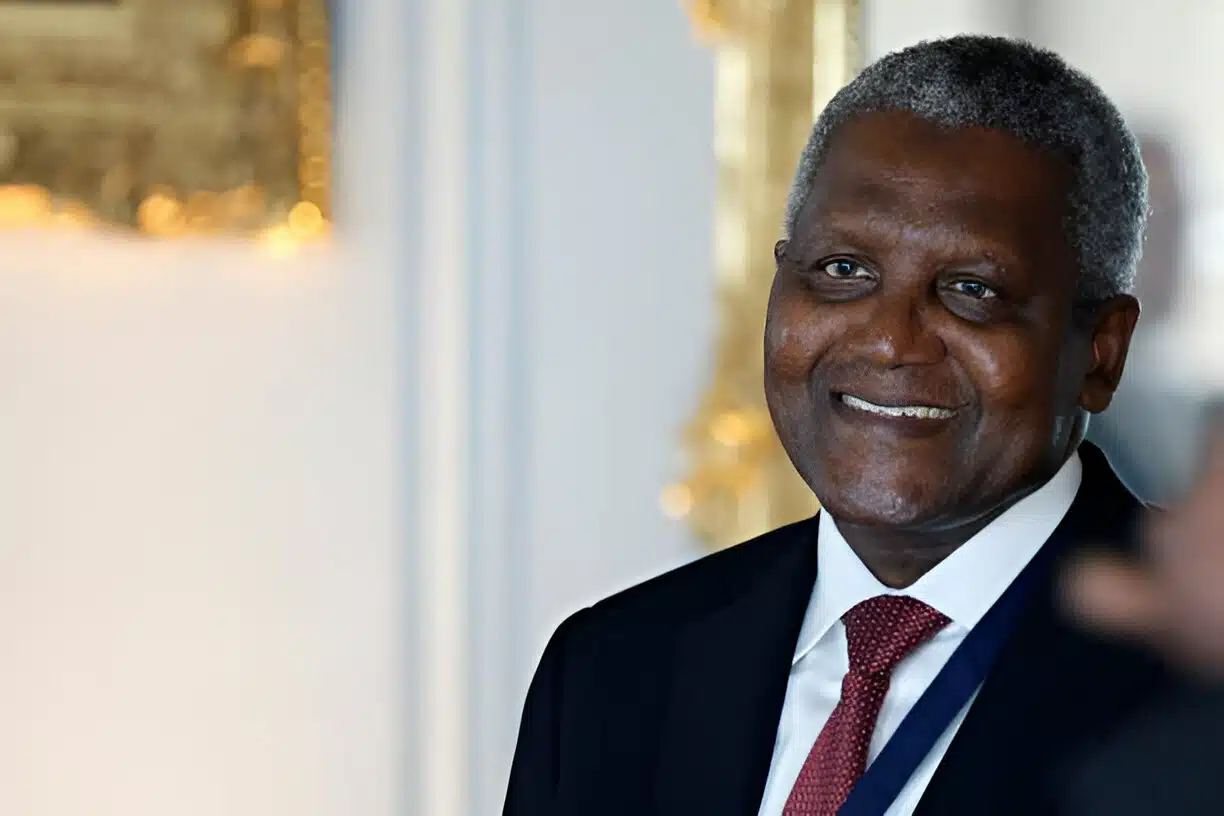
Aliko Dangote, president of the refinery, repeatedly argued that NNPC’s refineries were beyond repair. He also suggested that the company would struggle to find buyers for the assets.
NNPC operates four refineries across Nigeria, none of which has produced a drop of fuel in decades.
Dangote, as a dominant downstream player, views NNPC as a competitor. That position is not unfounded. NNPC remains Nigeria’s largest fuel importer, a direct challenge to Dangote’s refining model as a local refiner.
Recently, tensions have eased slightly. Ojulari said NNPC may increase its stake in Dangote Refinery once the latter goes public later this year.
NNPC currently holds a 7.2% stake in the refinery and remains the only external investor in the $20 billion project.
Meanwhile, the state-owned energy firm continues to wrestle with legacy debts and fiscal obligations that could weigh on its finances for years.
The Nigerian government recently wrote off about $2 billion owed by NNPC to the federation account. Reports also suggest the company owes international traders around $6 billion, largely linked to crude swap deals.
Last year, NNPC’s attempt to secure a $5 billion loan from Saudi Aramco failed, as the Saudi firm faced shareholder pressure, production constraints and global supply disruptions.
Although often an uneasy partnership, the outcome of the NNPC and Dangote relationship will shape Nigeria’s downstream sector in 2026. Ojulari’s role in managing this balance will be crucial.
Winning the pipe dreams of OB3 and AKK
Of all the pending projects on its tabs, the Ajaokuta Kaduna Kano (AKK) pipeline and the Obiafu Obrikom Oben (OB3) pipeline are expected to take centre stage in 2026.
Both projects have been under development for more than a decade, with millions of dollars already spent on their construction.
OB3, a 127 kilometre pipeline stretching from the Niger Delta, is expected to transport gas from Rivers and Delta States to the western corridor, particularly Lagos and Ogun States.
AKK, the longest gas pipeline ever built in Nigeria, is designed to move about 2 billion cubic feet of gas daily from southern Nigeria to the north, supporting industrial growth.
According to NNPC’s latest report, OB3 was 96% completed as of November 2025, while AKK remains further behind.
During a recent visit to President Bola Tinubu, Ojulari said the mainline of the $2.8 billion pipeline is also completed.
He added that phased commissioning would begin this year.
Ojulari said the project would “bring gas in its full form into the northern part of Nigeria.”
The AKK pipeline is not just an energy project. It is an economic rebalancing tool. It will supply gas to power plants across northern Nigeria. It will support fertiliser production, gas based industries and compressed natural gas projects.
It is also expected to reduce the region’s dependence on diesel and petrol.
The road ahead with many crossroads
NNPC’s performance under Ojulari is closely tied to Nigeria’s broader economic fortunes.
The country relies heavily on crude oil revenues, and NNPC’s ability to raise production will directly affect growth.
The company also functions as a major revenue channel for the government, meaning its earnings flow into national finances.
In 2025, Ojulari showed early signs of leadership by shifting NNPC’s operations from opacity towards greater openness.
These reforms have helped NNPC regain some level of public trust and spur investors’ confidence. However, that may not be enough to catapult the oil giant to where it needs to be, given its IPO plan, dwindling crude oil output, and the need to restructure its debt profile.
No doubt, there is much ahead for the state-owned oil firm in 2026. Its ability to accomplish these tasks will depend on many factors, but the chief among them will be the direction its leadership chooses at each critical crossroad.