


In the News:
- UK commits $37 million to Egypt’s solar and battery project.
- The project will deliver 1 GWac of solar power.
- The deal is backed by a 25 year power purchase agreement.
British International Investment (BII) has committed $37 million to the Abydos II Solar PV and Battery Energy Storage System (BESS) project in Egypt, strengthening one of Africa’s largest integrated renewable energy developments.
The project, developed by Dubai-based AMEA Power, is located in Egypt’s Aswan Governorate. It is part of Egypt’s ongoing renewable energy projects and contributes additional generation capacity to the national grid
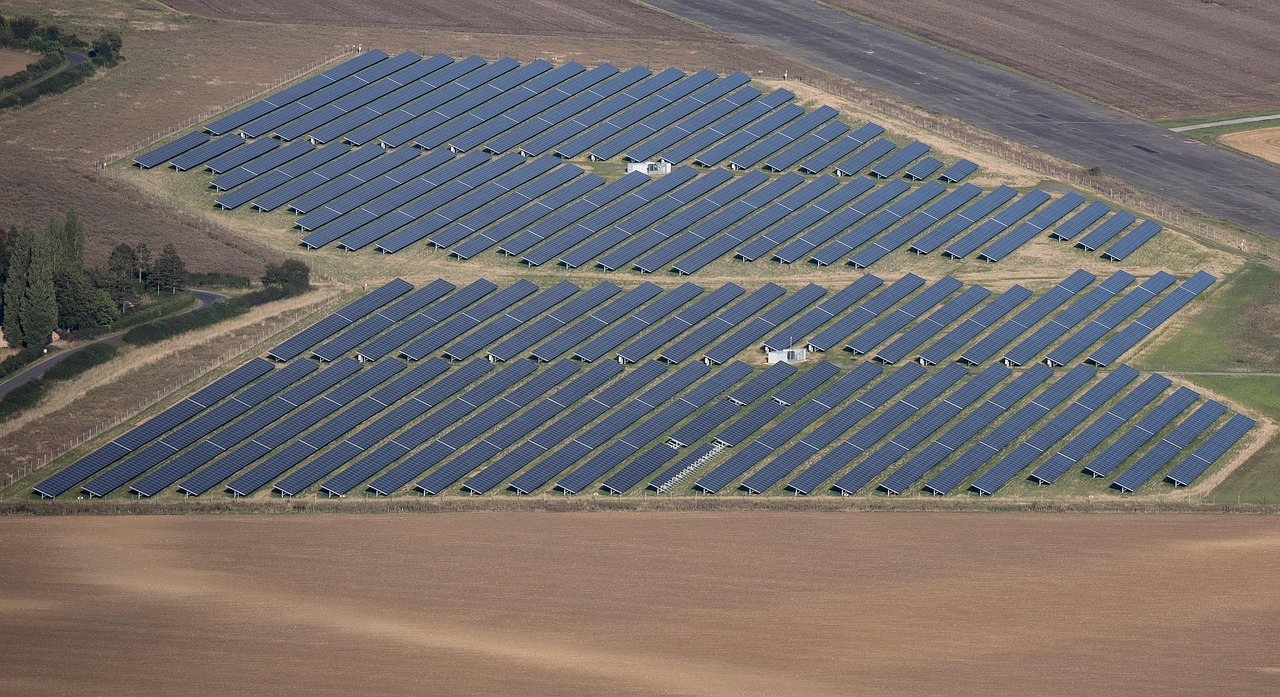
With a total estimated cost of $737 million, Abydos II is designed as a utility-scale facility combining solar power generation with battery storage.
The initiative is planned with a solar generation capacity of 1 gigawatt alternating current (GWac) and a 600 megawatt-hour battery energy storage system.
It is expected to generate approximately 2,910 gigawatt-hours of electricity annually. Project data indicate that this output could reduce carbon dioxide emissions by around 1.6 million tonnes per year.
Other international partners in the deal
BII’s $37 million commitment forms part of a financing package that includes several international development finance institutions.
Other participants are the International Finance Corporation (IFC), Italy’s Cassa Depositi e Prestiti (CDP), Germany’s DEG, the Dutch Entrepreneurial Development Bank (FMO), the OPEC Fund for International Development (OFID), and the Europe Arab Bank.
The project is funded through long-term debt from multiple lenders. Abydos II is supported by a 25-year power purchase agreement with the Egyptian Electricity Transmission Company (EETC), which provides long-term offtake for electricity generated by the facility.
Egypt’s renewable energy push
Egypt has set a target to generate 42% of its electricity from renewable sources by 2030, according to government energy plans.
The country has also adopted a National Climate Change Strategy with a 2050 timeline. \
The strategy outlines measures covering sectors such as power generation, transport, and industry, and includes provisions related to climate-related investment.
Abydos II is a new project by the developer in the same region. The facility includes a battery energy storage system alongside solar generation.
It is also among multiple renewable energy projects under development in Egypt with long-term power purchase agreements.
BII’s footprint in Egypt
Meanhwile, BII has supported several renewable energy projects in Egypt, covering both solar and wind technologies.
These projects includes the ARC for Renewable Energy’s solar capacity, which is a utility-scale solar project supplying electricity to the national grid.
It also includes the Gulf of Suez wind project, a 1.1-gigawatt wind farm located along the Gulf of Suez, operating under long-term agreements with the Egyptian Electricity Transmission Company.
In addition, BII has supported the Obelisk solar and battery storage project, a combined solar photovoltaic and battery energy storage facility designed to provide consistent electricity output.
These initiatives form part of BII’s portfolio in Egypt, and some are classified under climate-related investments.
All of the projects operate under long-term power purchase agreements with Egypt’s transmission authority, ensuring integration into the national electricity system.