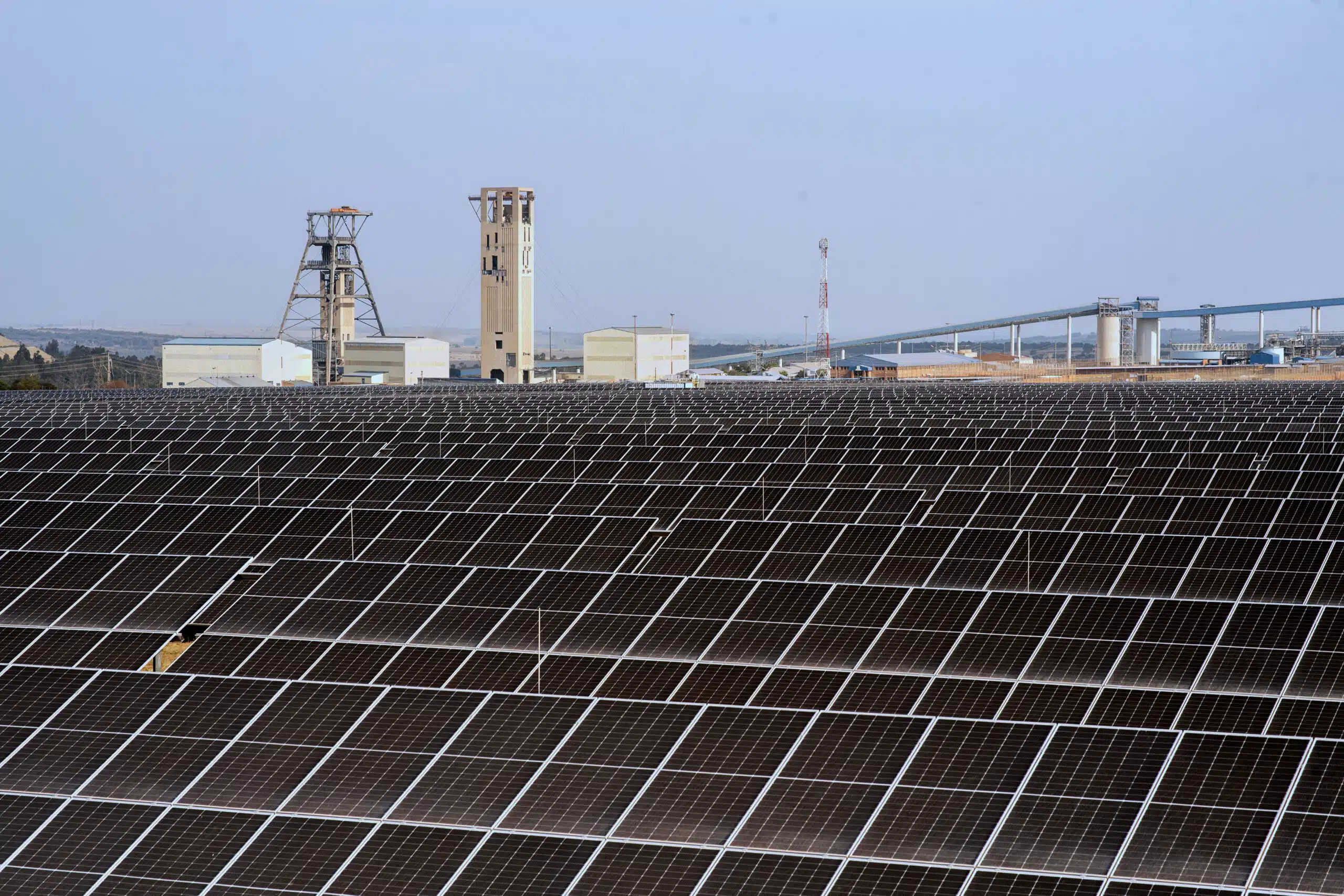



Earlier this week, the Egyptian government signed a $1.8 billion renewable energy deal with Norwegian developer Scatec and China’s Sungrow.
The project includes a solar energy plant, a four-gigawatt-hour battery storage system, and a Sungrow manufacturing facility for energy storage batteries at the Suez Canal Economic Zone.
The deal is one of the largest recent investments in Africa’s renewable energy sector.
It also reflects a broader trend: Beijing’s firms and financiers have become leading players in meeting the continent’s renewable energy needs.
Chinese companies now make the bulk of the world’s solar photovoltaic modules, accounting for around 80 % of total production, and cheap exports of panels and related equipment have surged into African markets.
In Lagos and Abuja, Nigerian key cities, traders routinely quote prices for Chinese solar panels and battery packs as if discussing fuel costs.
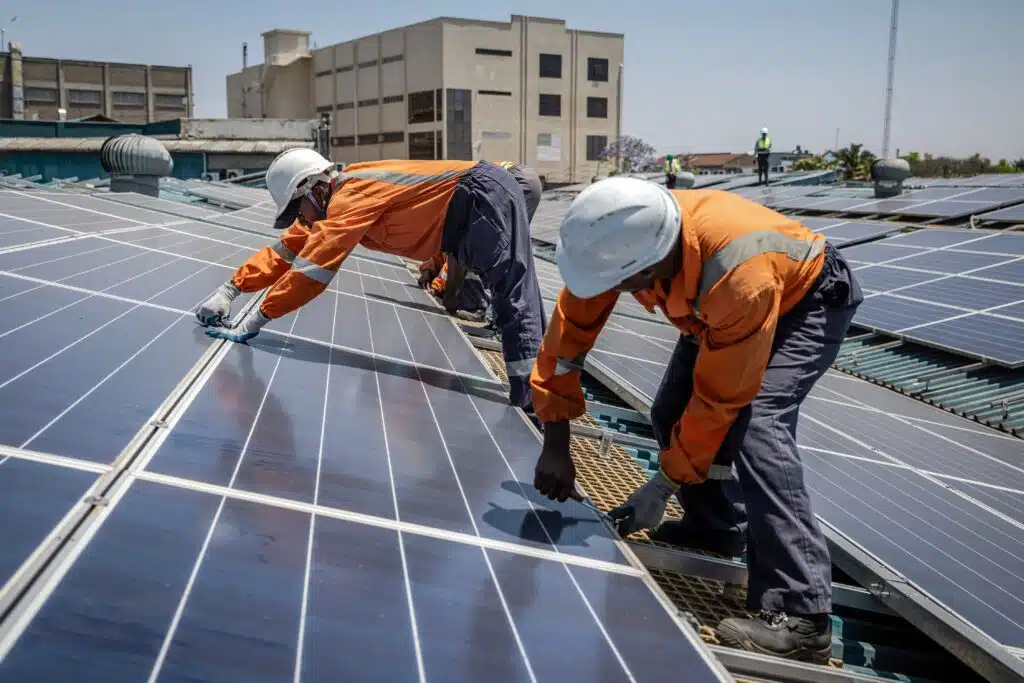
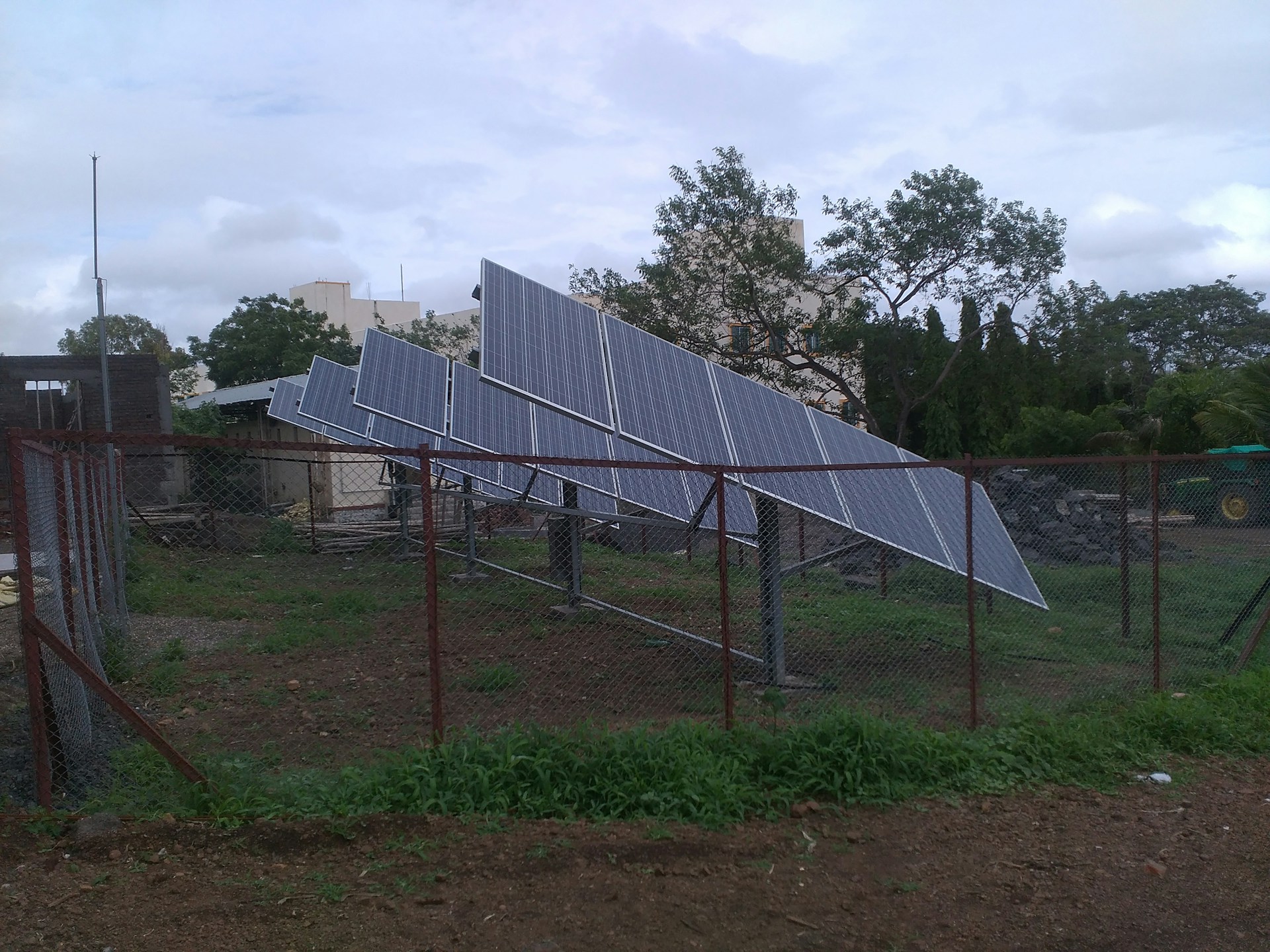
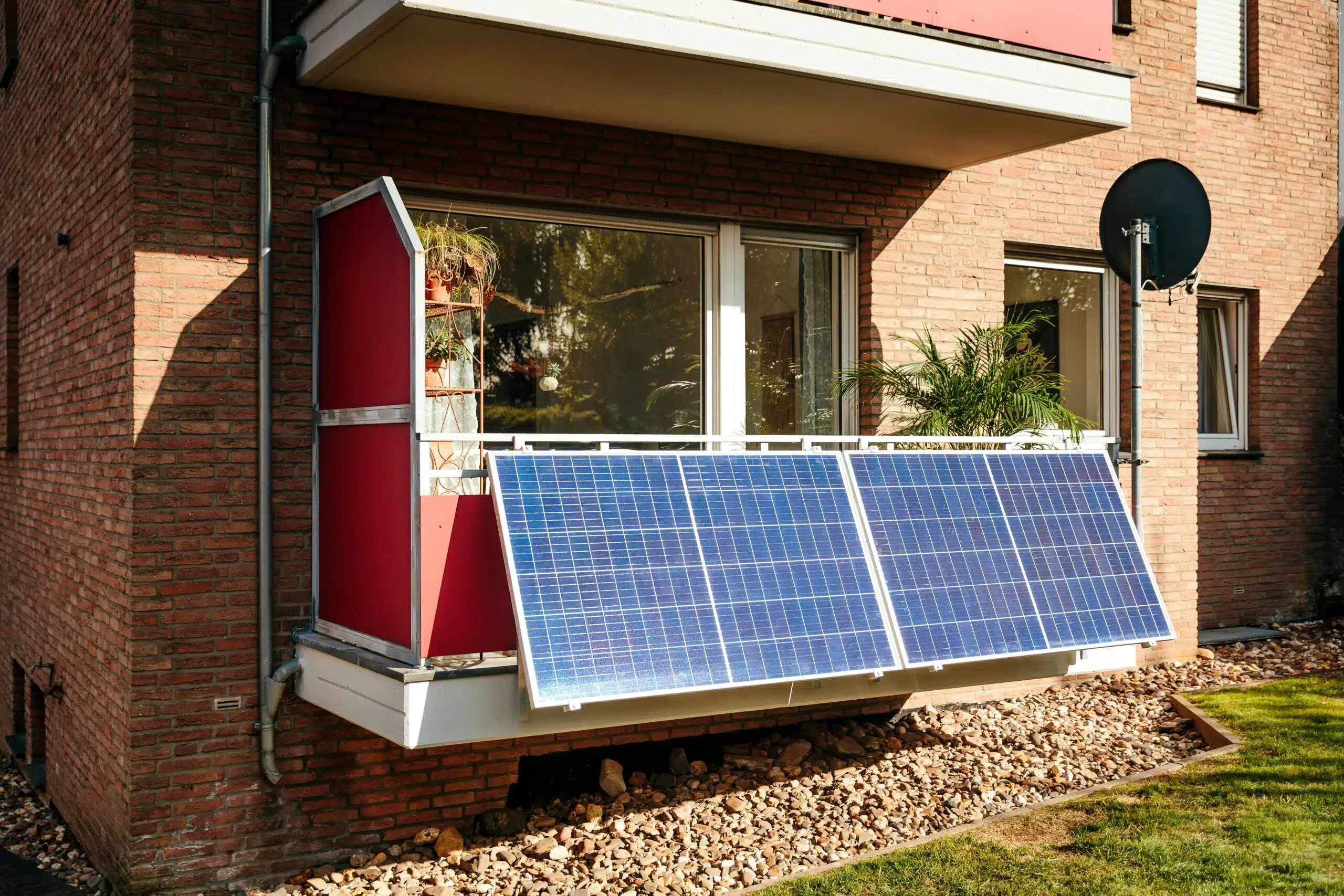
The panels, cheap and abundant, have become a fixture on roofs and in mini‑grids across the region, enabling households and businesses to cut dependence on diesel.
Across the continent, from South Africa’s utility‑scale projects to Nigeria’s rooftop installations, Chinese panels dominate import statistics.
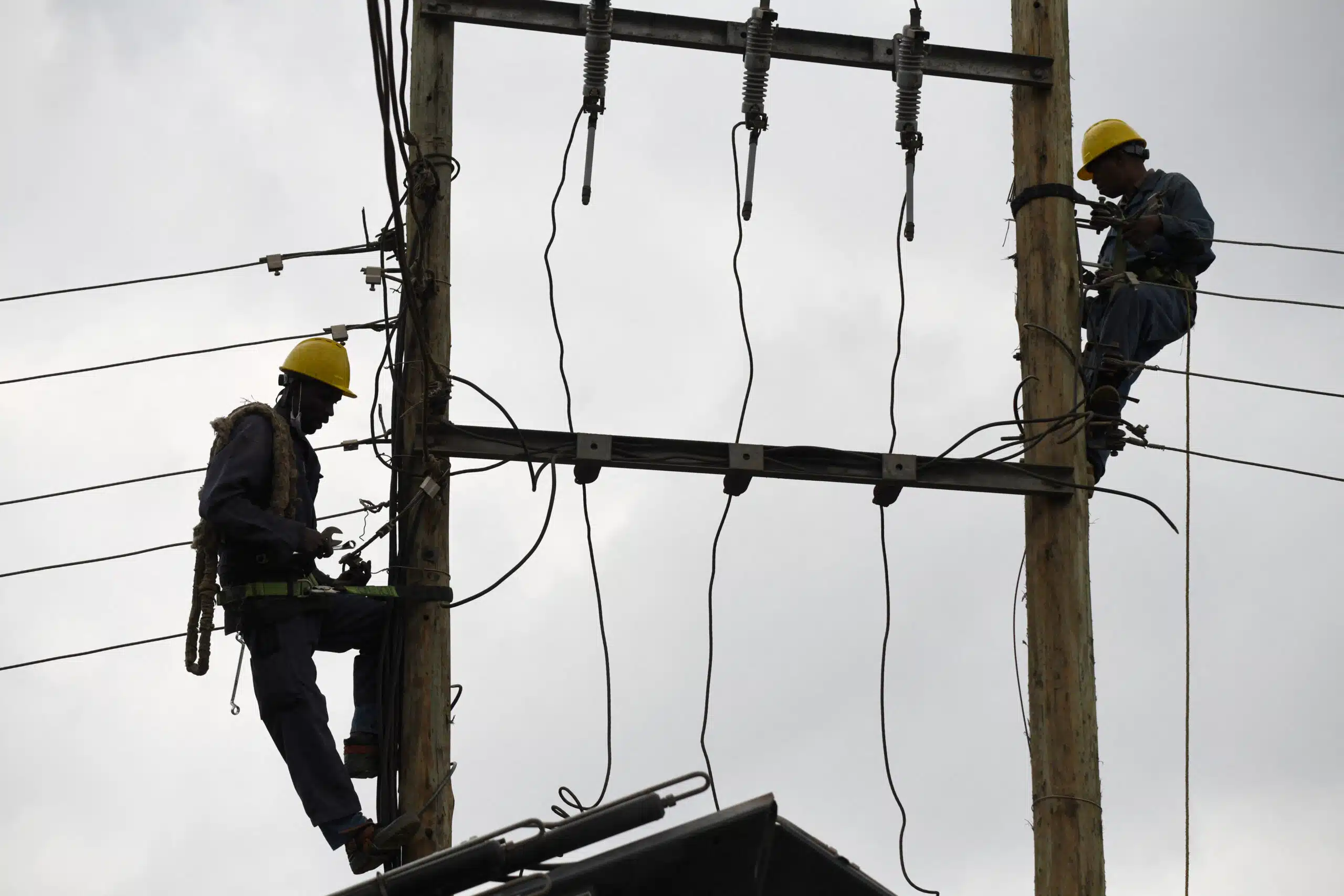
From setting up plants to becoming the primary import partner for renewable energy equipment and investing in independent power projects, African nations now turn to Chinese firms to meet their energy needs.
China’s growing renewable global power
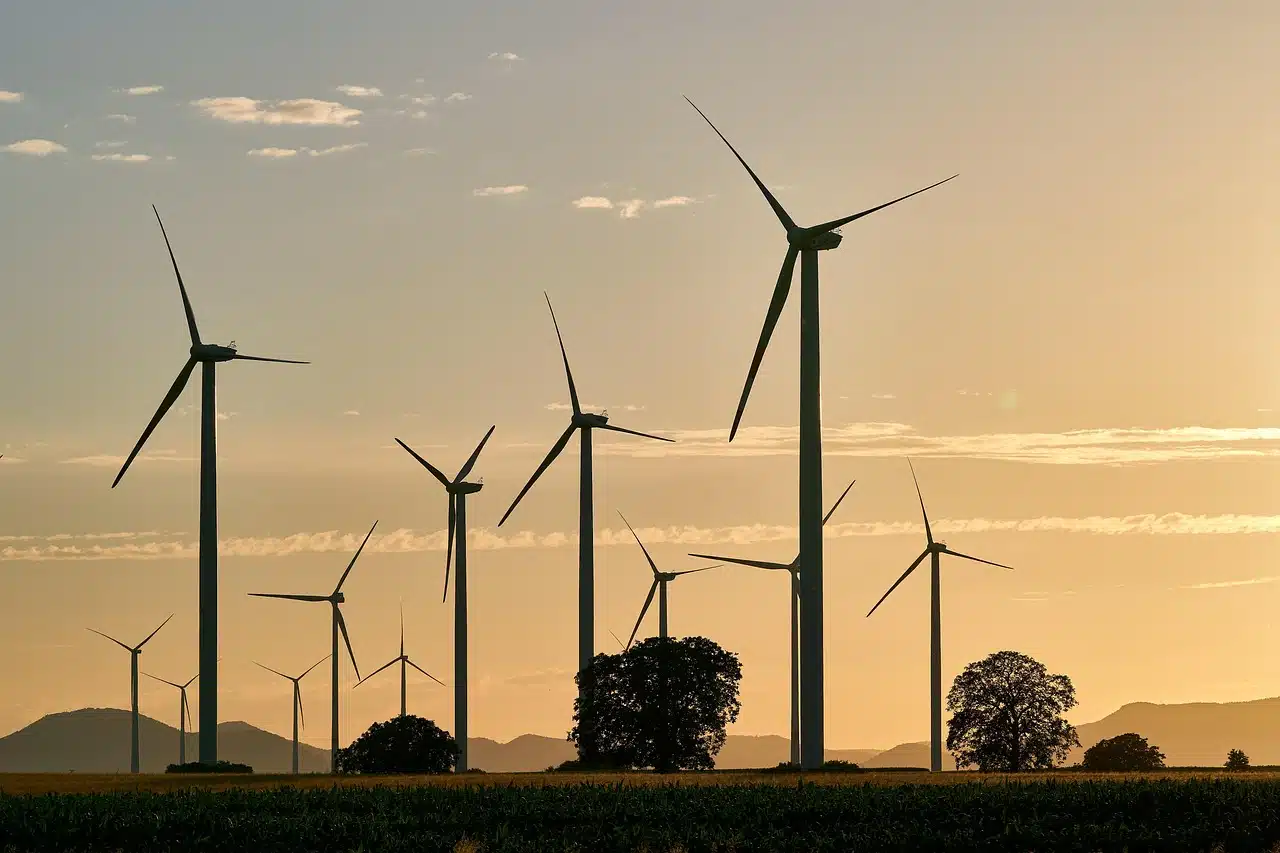
Globally, renewable power capacity is expected to grow faster between 2025 and 2030 than in the previous five years, according to the latest International Energy Agency (IEA) report.
“China continues to account for nearly 60% of global renewable capacity growth and is on track to reach its recently announced 2035 wind and solar target five years ahead of schedule, extending its track record of early delivery,” the IEA report says.
For Africa, where energy demand remains stratospheric, an alignment with China makes sense. Low-cost, accessible renewable energy is essential.
Last year, American data firm Ember noted that renewable energy imports from China to sub-Saharan Africa surged by 60%, with Nigeria and South Africa topping the list.
In northern Africa, the IEA forecasts that renewable energy needs will rise by 25% over the next five years, driven by rapid solar PV growth.
One thing is clear: the supply to meet these demands will come from China, and possibly Saudi Arabia, rather than the United States or Europe.
China’s economy of scale has brought down the price of solar PV drastically, making it attractive to consumers globally.
Government subsidies, low labour costs, and competitive advantage of the market have created what some analysts describe as the “China solar miracle.”
Prices for solar panels have fallen by more than half in just a few years. In some tenders, panels are offered at prices that look almost unreal on paper.
Chinese firms now produce around four out of five solar panels sold globally, most of which end up in Africa, India, and South America.
A gap left by Washington
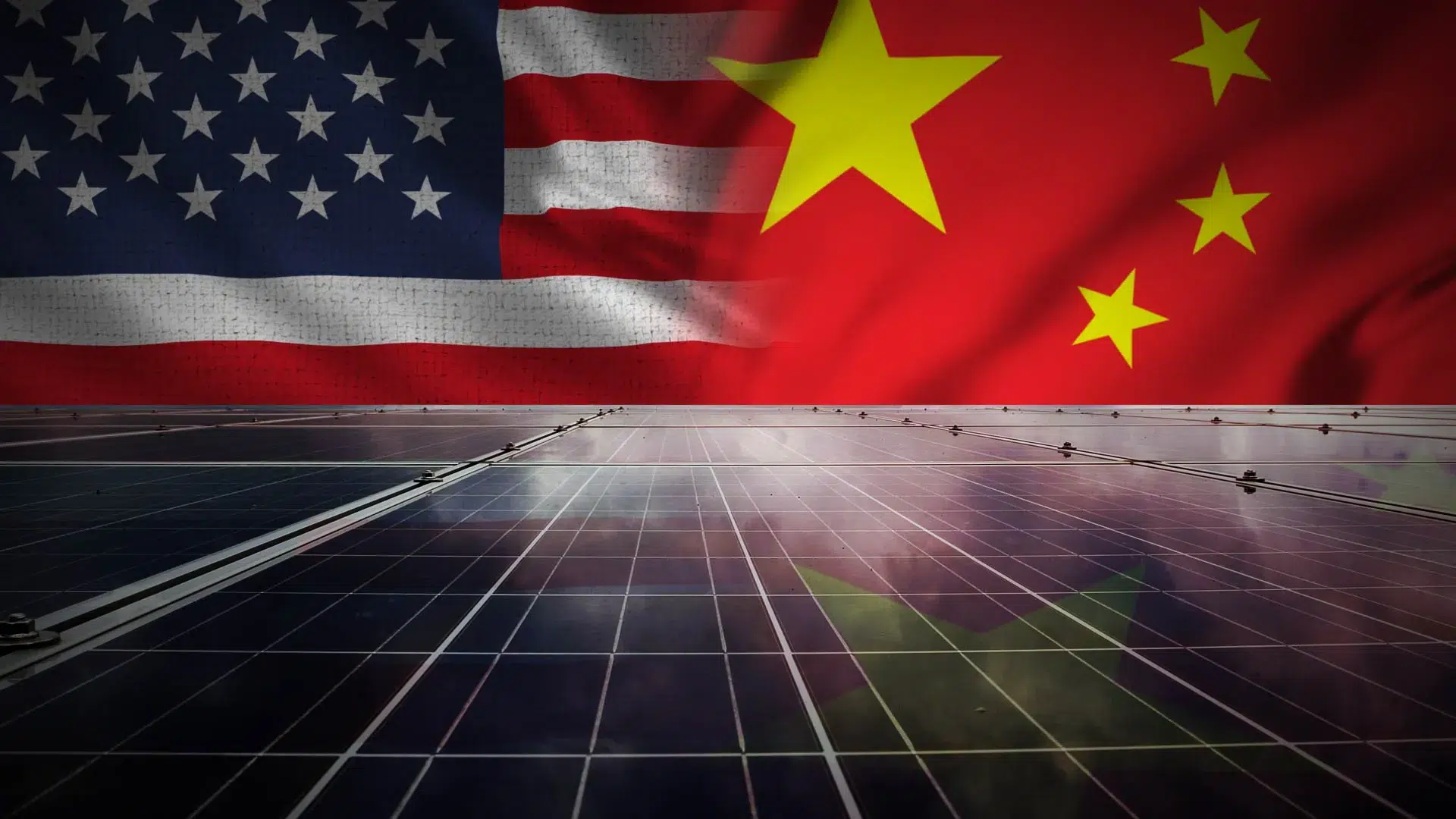
This ascendancy of China’s dominance has been eased by a retrenchment in American government‑led initiatives for renewable energy.
On its part, the US’ policy on renewable energy drive has changed dramatically in recent times.
While public acceptability still remains high and new technologies have helped accelerated renewable energy transitions, government policies such as subsidy cutbacks and renewed investments in fossil fuels have made the US renewable energy investments to stall.
US president, Donald Trump, have openly criticized emphasis on renewable energy investment, siding primarily with fossil fuel development and oil and gas companies.
The Trump-led administration, for instance, rolled back some incentives implemented by the Biden administration, freezing permitting and leasing for new onshore and offshore wind projects.
In Africa, Trump ended the initiatives Power Africa, which aimed to add 300,000 megawatts of renewable capacity by 2030 and provide electricity to 60 million households and businesses.
Meanwhile, the administration backed fossil fuel projects, including a $20 billion LNG project in Mozambique.
While Africa is rich in fossil fuel, the low cost accessibility of renewable energy makes it more attractive for consumers on the continent.
IRENA, for instance, reports that renewable energy continues to deliver cheap electricity alternatives than fossil fuel projects globally.
“Renewables continue to prove themselves as the most cost-competitive source of new electricity generation. On an LCOE basis, 91% of newly commissioned utility-scale renewable capacity delivered power at a lower cost than the cheapest new fossil fuel-based alternative,” the data consultancy firm said.
China taking full advantage
While the United States lags, China is capitalising on the renewable energy boom.
New utility plants continue to appear in China, and the country can now export surplus renewable energy to Africa.
China’s alliance with Africa is strategic and mutually beneficial. The continent is rich in critical minerals like lithium, cobalt, and rare earths, which are essential for renewable energy production.
China has long been the largest player in global markets for these minerals. Africa offers raw materials while China supplies energy technology.
Some Chinese firms, like Sungrow, establish manufacturing plants in the countries where they invest, producing lithium batteries and other solar equipment locally. This has helped expand solar manufacturing in Africa.
Last year, Nigeria exported solar panels to Ghana for the first time, though the solar assembly cells came from China.
The integration of Chinese firms has deepened how electricity is generated, traded, and distributed on the continent.
Without a doubt, renewable energy is the electricity of the future, and China is strategically entrenching its presence in Africa, replacing traditional US and European investment.