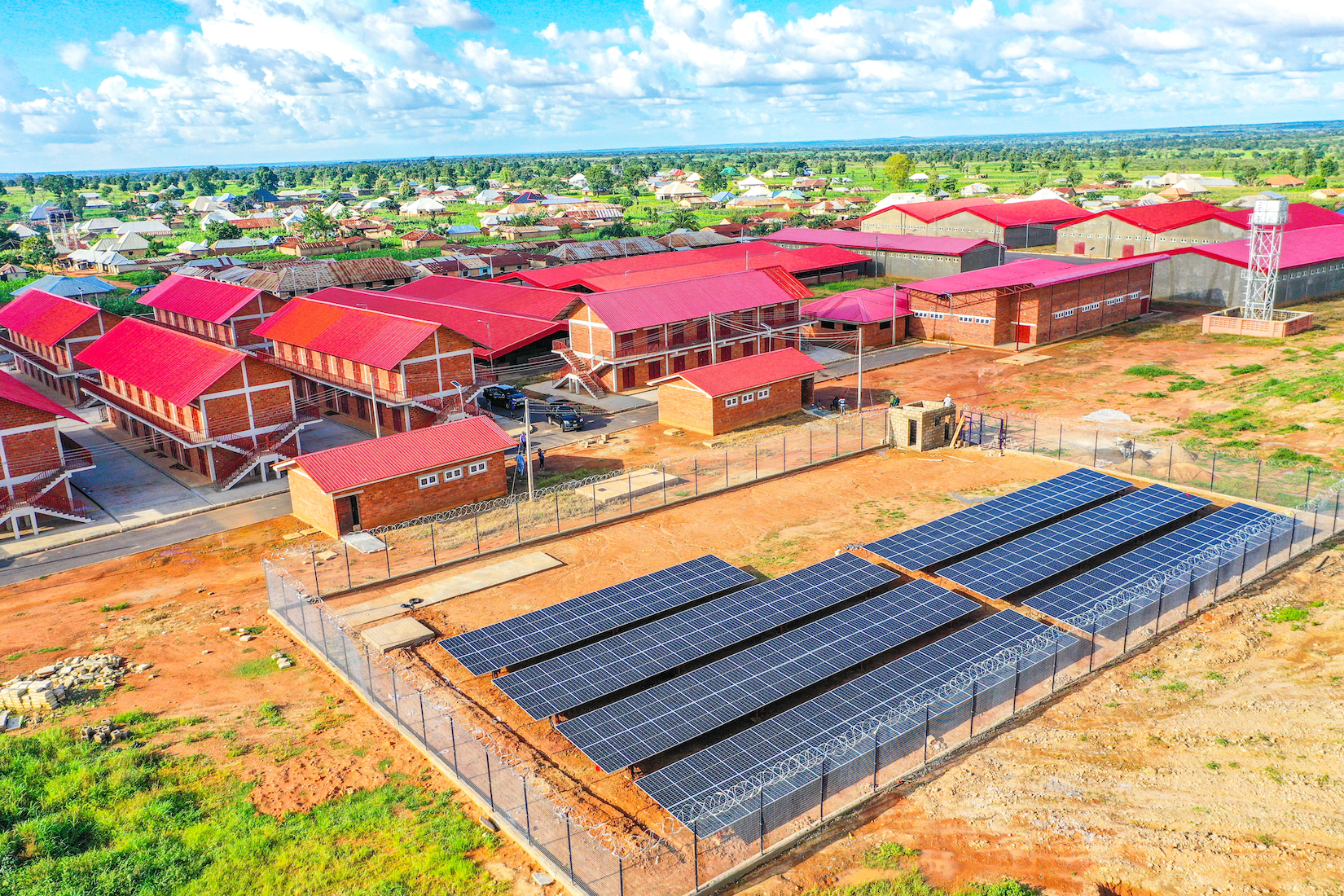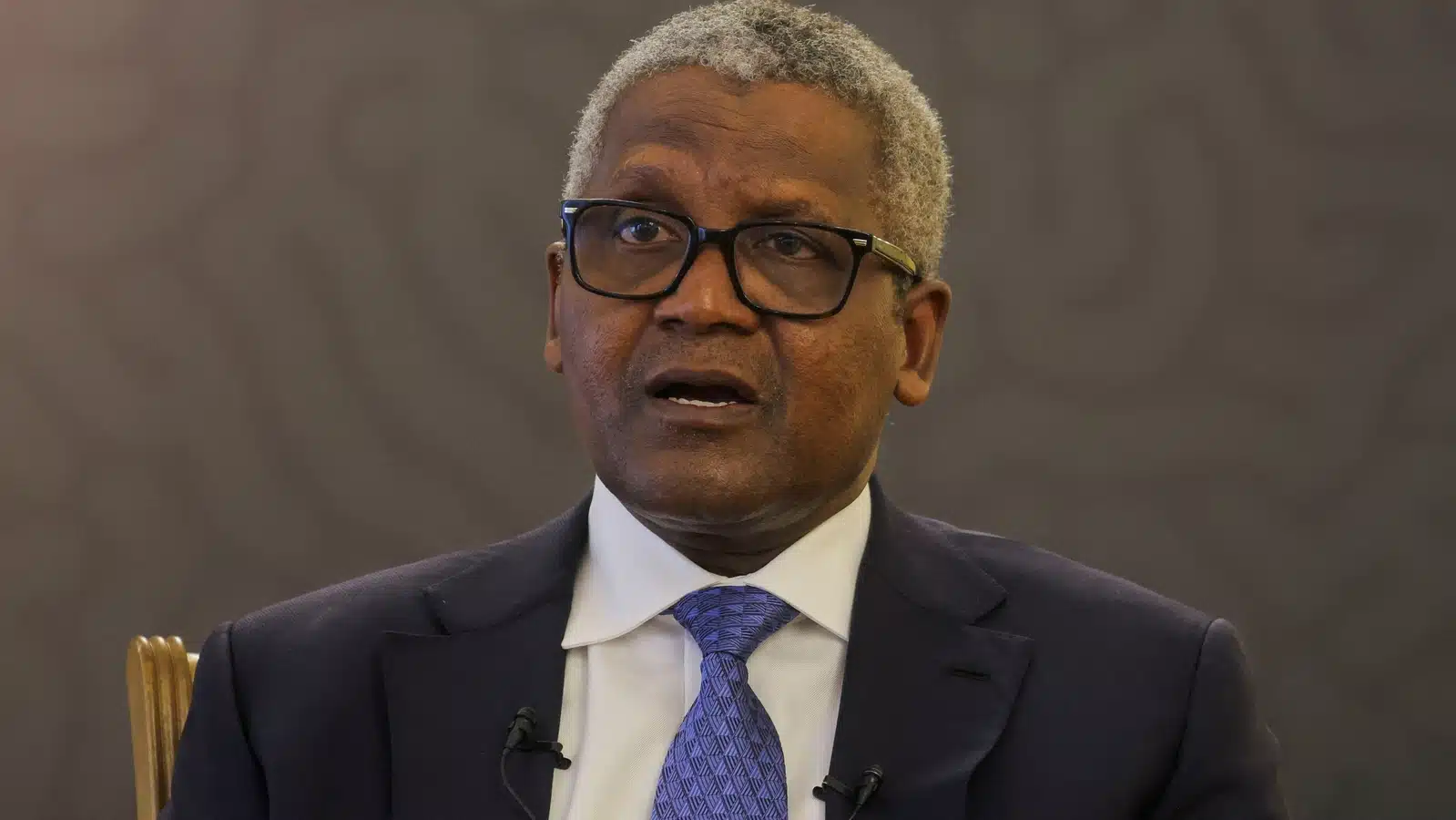



In October 2025, Nigerian billionaire Aliko Dangote announced that his conglomerate will be expanding its independent power generation to 1,000 MW. Dangote said the expansion is driven by his company’s growing infrastructure needs, particularly the Dangote refinery, which is in the middle of doubling its capacity.
A 1,000 MW electricity capacity is about 20% of the generation capacity of Nigeria’s national grid, which produces a meagre 5,000 MW to serve its 220 million people.
Big businesses abandoning national grid
Dangote is not the only business owner who has exited the country’s national grid to explore an independent power system to serve industrial needs.
More than 200 firms, from manufacturing to FMCG to the banking sector, have all left the grid to source electricity independently. These are big spenders whose bills could naturally have helped boost the nation’s electricity sector, which has long been plagued by illiquidity.
Most firms, for instance, spend astronomical amounts on diesel to power their operations as the grid can no longer serve their needs. In 2024, the telecommunications industry reportedly spent over $300 million on diesel and consumed more than 40 million litres of diesel each month to keep mobile networks running.
Obviously, not only is this cost reflected in their tariffs and transferred to customers, it also shows how much the electricity sector itself loses to alternative energy sources used by big businesses.
In its latest report covering the third quarter of 2025, the Nigerian Electricity Regulatory Commission (NERC) reported that another 20 private businesses have exited the grid to establish independent energy systems.
The report also stated a wide gap between targeted revenue of N706.61 billion ($1.48 billion) and realised revenue of N570.25 billion ($1.20 billion). This represents more than a N100 billion ($210 million) difference in cumulative loss. Needless to say, this is not a one time occurrence. The pattern is repetitive. Nigeria’s power sector swims in debt after debt.
Late last year, the federal government paid over N4 trillion ($8.4 billion) to power generation firms in legacy debt. Some of these debts dated back 20 years. Despite this settlement, analysts believe it will not move the needle on the sector’s illiquidity.
Wearied by heavy subsidies, the government implemented a full tariff rate on 15% of electricity users, about 3 million Nigerians. The tariff, known as Band A, made users pay a premium for the electricity they consume.
While the policy was targeted at the elite class and those who can afford to pay premium rates for power consumption, reports suggest that the poor and vulnerable were also asked to pay these rates.
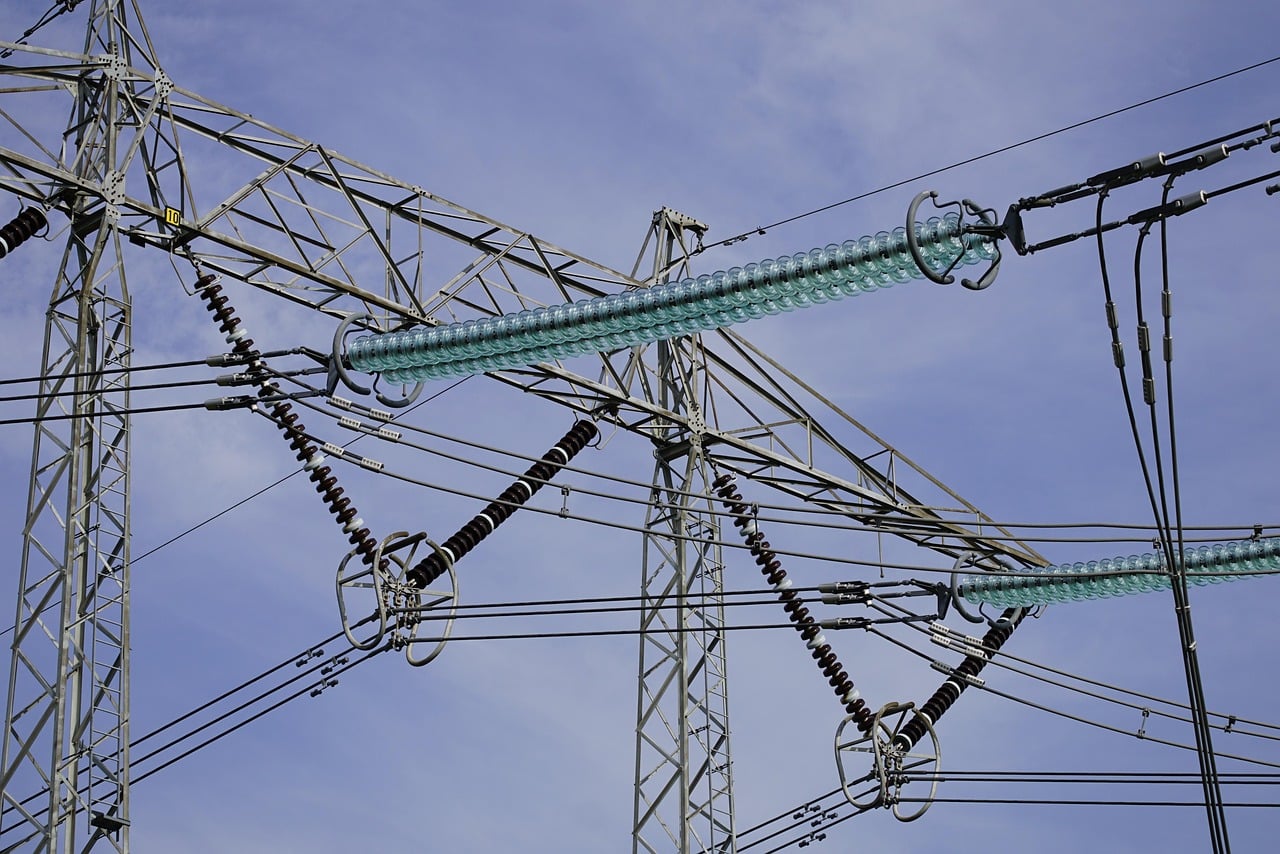
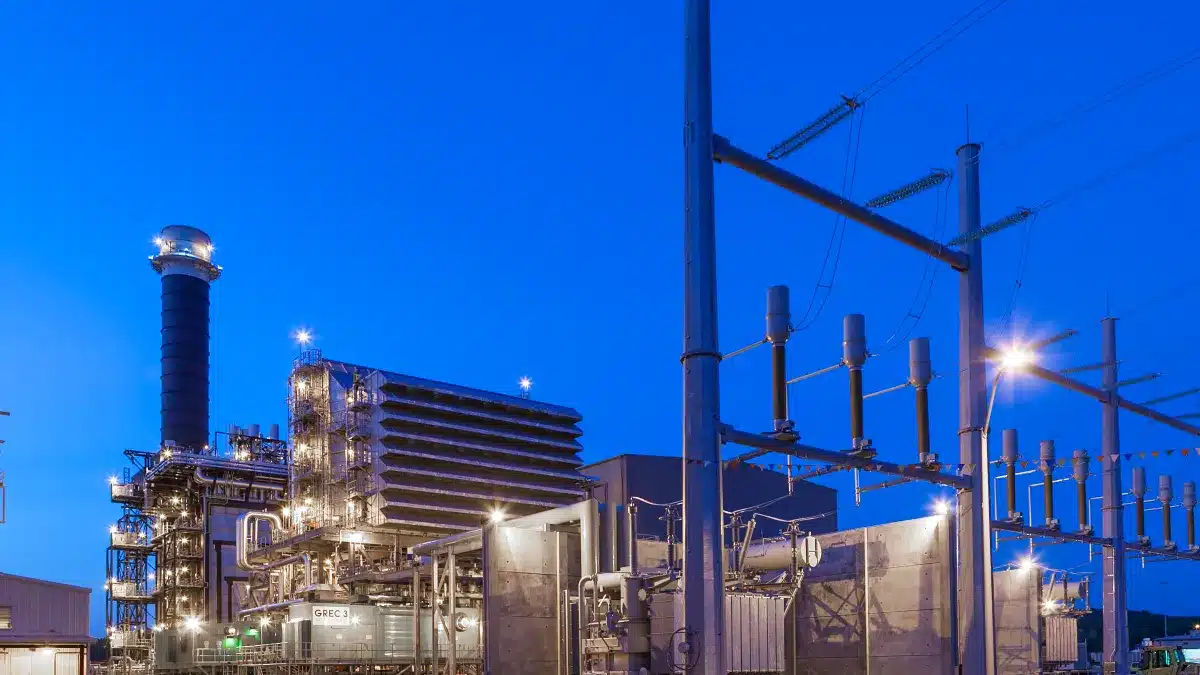
No doubt, powering a nation is not cheap. Building a gas thermal plant, a power plant, or a hydroelectric dam costs billions of dollars. According to reports, Nigeria has a $26 billion annual electricity deficit. Weak transmission line systems leave power trapped for days, causing system breakdowns and load rejection across the country.
Businesses that run multiple operations worth millions of dollars cannot wait for an ideal situation. In 2024 alone, Nigeria’s power grid collapsed 12 times, averaging at least once a month.
In his remarks on why his company spends so much on diesel consumption, the CEO of HIS Towers, Mohamad Darwish, said the unreliability of the country’s grid has left them with no choice. He also made it clear that the opportunity cost of such expenses is that less funding is directed toward innovation and technological development.
“70% of our time is spent on generators, diesel, operations and logistics. If there were a reliable grid, those resources could go into new verticals and innovation,” Darwish reportedly stated.
The hidden cost of leaving the grid
The fact remains that Nigerian businesses cannot depend on the national grid to carry out their transactions. If you do business in Nigeria, the burden is on you not only to provide quality service, but also to provide alternative energy for yourself.
What this means is lost revenue for the electricity sector. The more big businesses depart the grid, the less they pay for centralised electricity. Debt piles up, and distribution companies are left with individual consumers to pick up the bill. Low-income earners cannot afford high electricity tariffs. Expensive electricity bills ought to be directed at businesses, not individuals whose consumption is minimal.
As observed, the reason companies exit the main grid is not to avoid high electricity bills. Most of them spend more on alternative energy than they would if power were available on the grid.
For instance, a Lagos based energy expert, Chinedu Ogonna, remarked that centralised grid electricity is far cheaper than companies setting up independent power plants or relying heavily on diesel.
“If the electricity is reliable and the grid infrastructure is not aged, most businesses will prefer to stay on grid rather than off grid. The problem is that some businesses find it almost impossible to run on grid alone. The cost to their business would be even more astronomical than what they pay for diesel.
“Imagine a bank that needs 24 hour power supply to back up its data going without electricity. The disaster would be unavoidable. So, if the government wants businesses to stay on grid, reliability is non negotiable,” Ogonna said.
Ogonna added that Nigeria needs about 25,000 MW of electricity to meet its industrial needs.
Meanwhile, not all business owners in Nigeria can afford to stay completely off grid and exit the national power system once and for all. Small business operators struggle between high electricity tariffs and small scale alternatives such as fuel powered generators and rooftop solar installations.
A 2024 report by Sustainable Energy for All (SEforALL), a renewable energy advocacy group, notes that mid tier businesses bled about N5.3 trillion ($11.1 billion) annually on petrol and diesel to power their operations.
While solar energy offers some succour for those who can afford it, the challenge remains for those planning to start a new business in Nigeria. An unreliable grid serves as a barrier to entry for new investment in the economy.
“It is one thing that legacy businesses have no choice but to absorb this anomaly by setting up their own off grid power generation. The bigger threat is for those who want to come in and set up large scale industrial enterprises. The cost of setting up independent electricity makes it even more difficult for them to want to invest in the country,” energy lawyer and investor Charles Ozolua said.
Reviving the grid is the only working solution
For Nigeria to revamp its electricity sector, it must attract its big money spenders back into the system. Investors will only risk their capital if they know there are prospective customers who can afford expensive electricity.
Speaking to Bloomberg late last year, the chief executive officer of Azura, one of the last large scale independent power plants built in the country, described Nigeria’s electricity sector as “practically bankrupted”.
The government has indicated that it can no longer afford to pay costly electricity subsidies. However, such rollbacks will only overburden the most vulnerable.
Nigeria needs to capture its big businesses by revamping the grid, reinvesting in transmission lines, and increasing power generation.
Only when more businesses are on the national grid can liquidity be unlocked. Right now, costly and unreliable power affects everyone, but it hurts the poorest the most.