


In the News:
- Nigeria plans to capitalise a $2 billion climate fund to support its energy transition.
- The government also targets private capital through green bonds.
- Tinubu also unveils Nigeria Climate Investment Platform
Africa’s most populous country Nigeria has announced plans to capitalise a $2 billion climate fund as part of a broader effort to mobilise financing for its energy transition and climate resilience objectives.
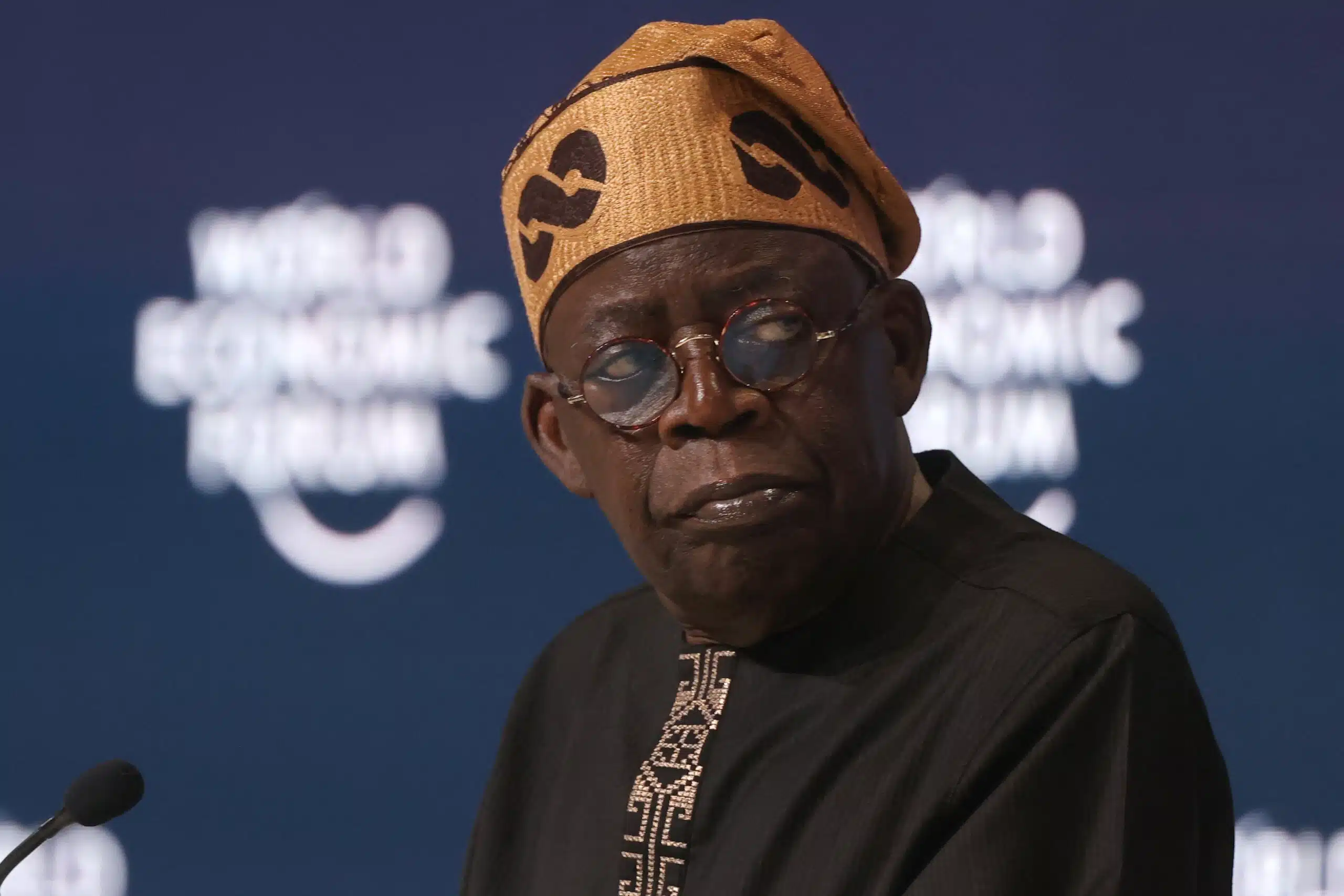
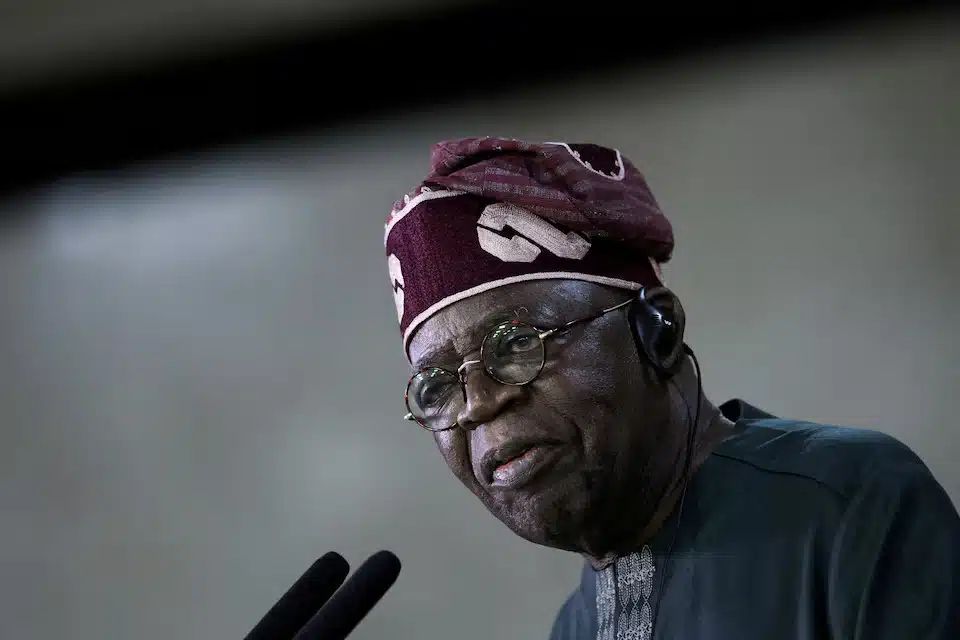
Speaking at the Abu Dhabi Sustainability Week summit, President Bola Tinubu said that Nigeria’s approach to using green and climate-focused financing instruments to support emissions reduction and climate-resilient development.
According to him, the proposed National Climate Change Fund is targeting a $2 billion capitalisation.
The fund will support projects aimed at cutting greenhouse gas emissions while strengthening resilience across key sectors of the economy.
Tinubu also said the Nigeria Climate Investment Platform is designed to mobilise $500 million for climate-resilient infrastructure, as the government seeks to attract more private capital into its energy transition programme.
Nigeria’s energy transition push
The announcement comes as Nigeria advances its Energy Transition Plan, which targets net-zero emissions by 2060 while expanding access to electricity for households and businesses.
“Nigeria is ready for business,” Tinubu said, noting that recent reforms are aimed at improving the investment environment and unlocking long-term capital.
He said non-oil exports have grown by 21%, while investment commitments across key sectors now exceed $50 billion while targeting between $25 billion and $30 billion in annual climate finance to support its development and decarbonisation objectives.
Meanwhile, Nigeria and the United Arab Emirates signed a Comprehensive Economic Partnership Agreement (CEPA).
The agreement is expected to boost trade and investment across sectors including renewable energy, aviation, logistics, agriculture, digital trade, and climate-smart infrastructure.
Green bond demand draws investor attention
In addition, Tinubu also referenced Nigeria’s recent green bond issuances, pointing to strong demand as an indication of investor interest in climate-linked assets.
In 2025, the federal government issued a N50 billion sovereign green bond. Subscriptions reached N91 billion, nearly double the offer size.
According to the president, the nationa’s commercial capital Lagos State’s green bond programme also recorded similar demand.
He noted that the state’s issuance was oversubscribed by almost 98%, according to figures presented at the summit.
Proceeds from Nigeria’s green bonds are being directed towards projects in renewable energy, water infrastructure, and environmental sustainability, according to government data.
Authorities say the instruments are helping to diversify funding sources while supporting climate-aligned investments.
In addition, the government has introduced a Climate and Green Industrialisation Investment Playbook. The document is intended to help private investors and other stakeholders navigate Nigeria’s manufacturing policies and regulatory framework.
Other developments in renewable energy
The $2 billion climate fund builds on earlier initiatives aimed at increasing private sector participation in Nigeria’s clean energy sector.
In March 2025, the Nigeria Sovereign Investment Authority (NSIA), alongside Sustainable Energy for All, the International Solar Alliance, and Africa50, launched a $500 million Distributed Renewable Energy Fund.
The fund focuses on decentralised solutions such as solar mini-grids and off-grid systems, targeting underserved communities and small businesses.
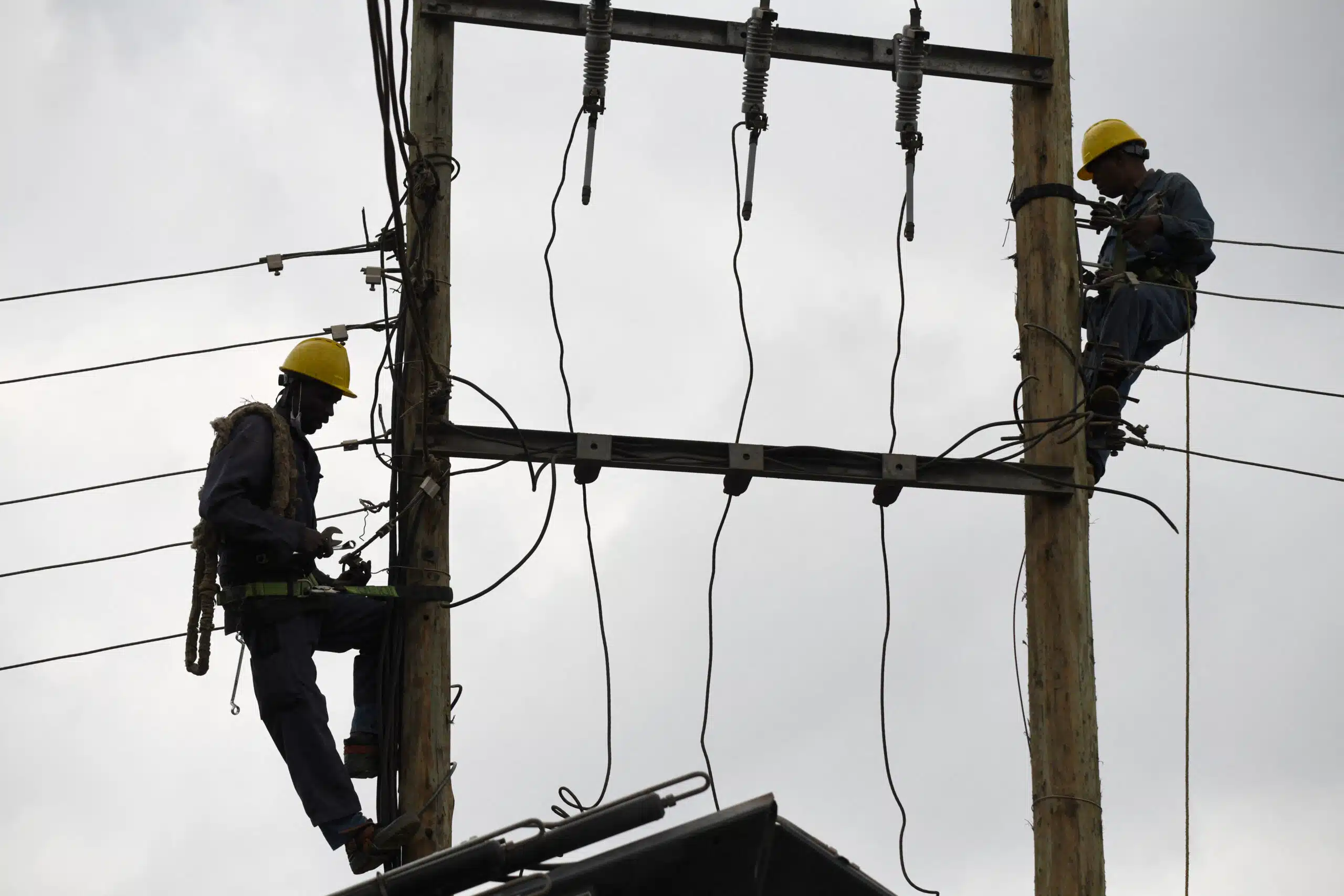
Separately, the NSIA has entered partnerships with international organisations to scale up clean energy investments across power generation, distribution, and storage. These efforts are part of plans to modernise Nigeria’s electricity infrastructure.
The bottom line
Speaking further at the summit, Tinubu said Nigeria is prioritising blended finance structures that combine public and philanthropic capital with private investment. He said this approach is being favoured over heavy reliance on sovereign guarantees.
Blended finance, he explained, allows early-stage project risks to be absorbed and improves bankability. Sovereign guarantees, he added, often place disproportionate pressure on emerging economies.
Nigeria is pursuing technology partnerships to improve grid efficiency.
The president said the government is exploring artificial intelligence for grid management, alongside pilot projects in electric mobility and green industrialisation.
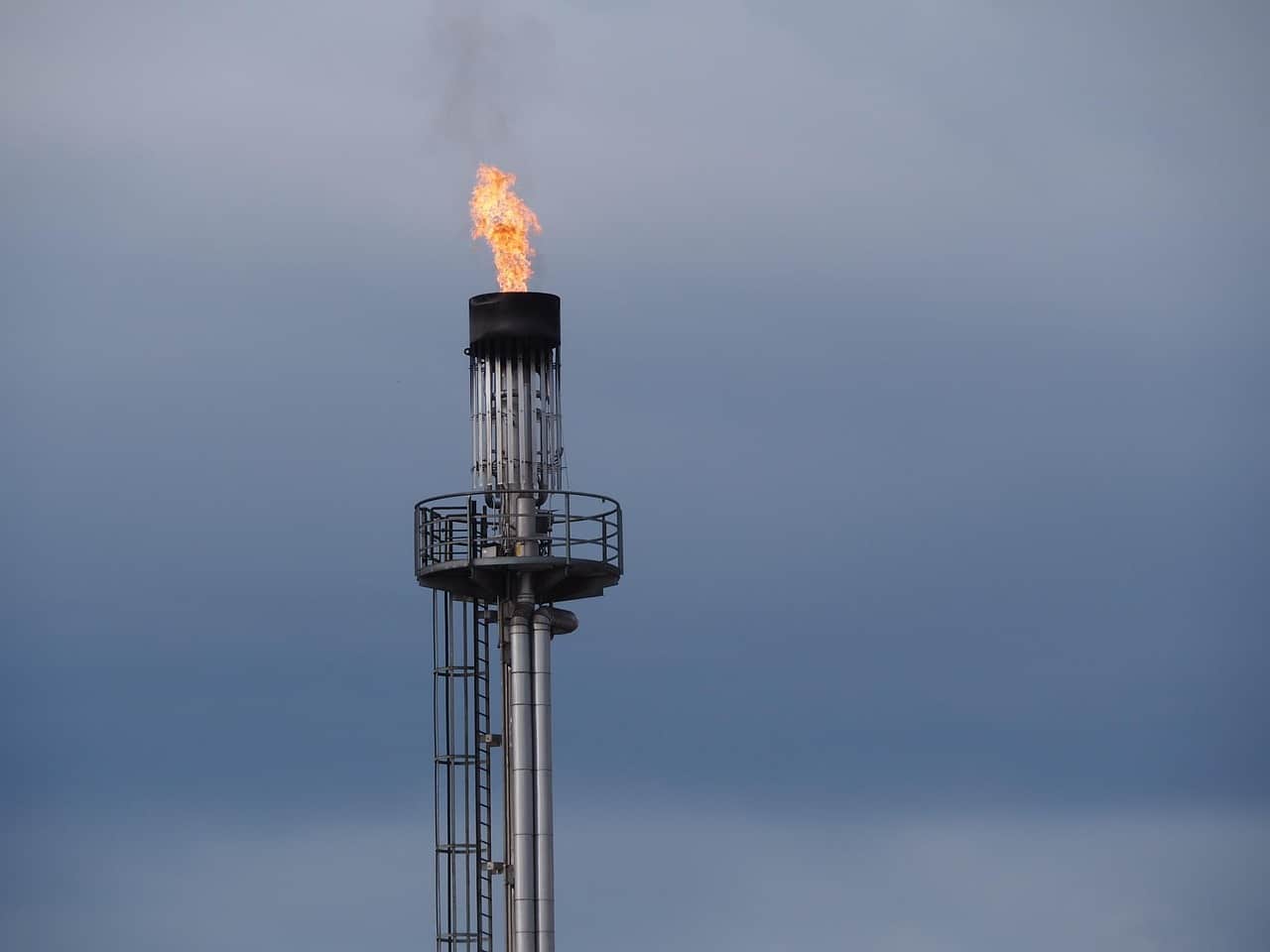
However, Nigeria continues to face environmental and policy challenges, including reducing gas flaring and methane emissions. These issues remain central to the country’s climate commitments and broader energy transition strategy.