
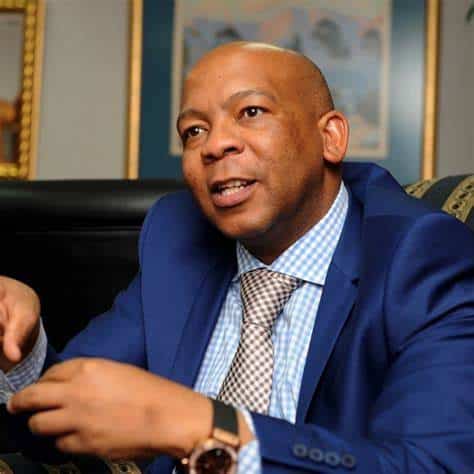


South Africa’s Minister of electricity, Kgosientsho Ramokgopa, has revealed that coal remains the largest component of electricity costs in South Africa, accounting for roughly 40% of total generation expenses.
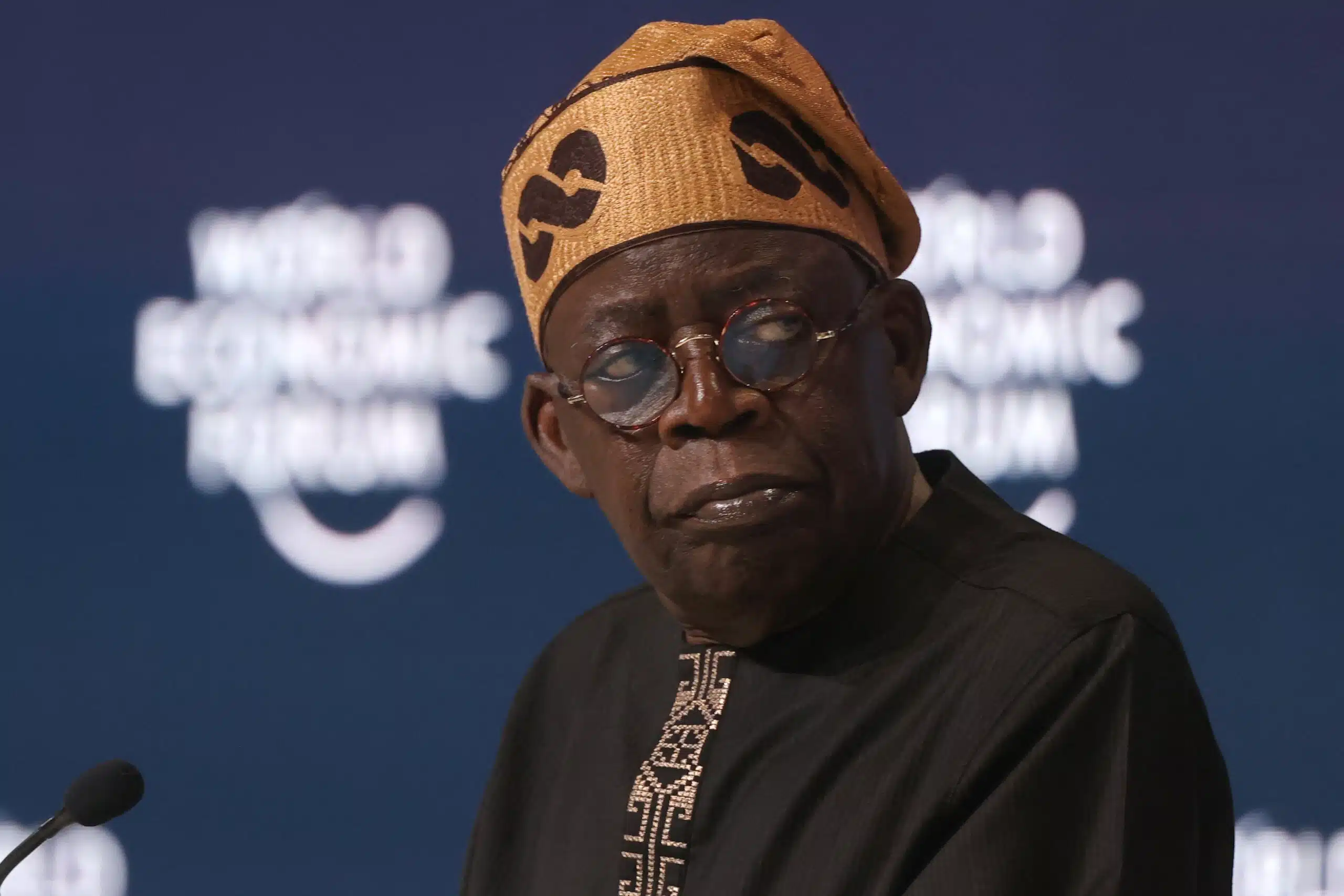
Speaking from the World Economic Forum in Davos, Ramokgopa emphasized that the cost of coal is a central driver of electricity tariffs.
He added that South Africa is working to reduce this cost by diversifying its energy sources and transitioning to renewables. Coal accounts for more than 80% of the country’s total electricity generation.
“So, we have found what we think is a unique solution. If you look at the price of electricity, the primary driver is what we call the primary energy. It’s the cost of coal, really.
“It’s about 40% of the cost of electricity. So, if you are able to bring that down, then we are in a sweet spot. We are in the game,” he said.
He explained that his team has identified a solution that could help reduce coal costs and ease pressure on electricity tariffs, amid rising concerns over affordability across the country.
South Africa’s electricity tariffs increase
Meanwhile, the Minister’s comment comes after a 12.7% increase in electricity tariffs in 2025, with further hikes expected in 2026.
Eskom had initially requested a rise exceeding 30% to cover debt, maintenance, and infrastructure, but NERSA approved a lower increase for direct customers and municipalities.
Under the new Retail Tariff Plan, electricity bills were restructured into several components: generation capacity charges, legacy charges, variable energy charges, and fixed connection fees.
Public criticism of the tariff structure prompted NERSA to launch a market inquiry in September 2025, examining whether Eskom and municipalities were implementing charges fairly.
Ramokgopa reiterated that coal remains the primary energy source for Eskom’s generation fleet and a key driver of electricity prices.
While the minister did not provide specifics on measures to reduce coal costs but said that targeting this expense could influence pricing. He also did not provide a timeline for implementation.
At the same time, the government has continued to expand renewable energy capacity.
In 2025, nearly 890 MW of new solar projects were approved, part of a longer-term strategy to diversify the generation mix and stabilize supply.