


South Africa’s utility giant, Eskom, has given multiple reasons for the low growth in renewable energy adoption in the country for almost three years.
In its weekly system update reports, the national transmission company of South Africa, a subsidiary of Eskom, shows that the share of renewable energy in total annual electricity generation has remained flat since 2023.
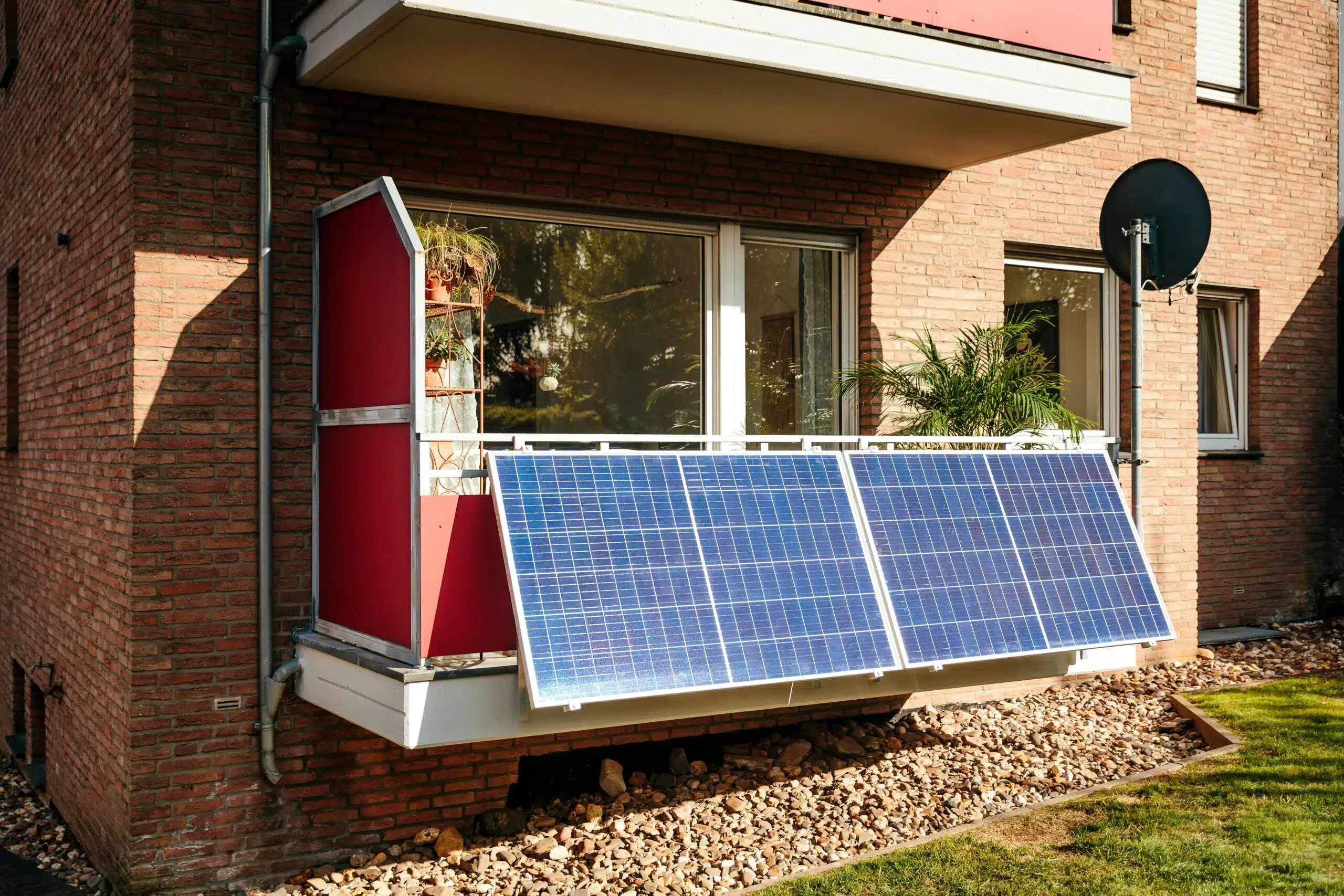
While private and rooftop solar PV installations have surged, the overall generation figures from renewables connected to the grid appear to have not increased, raising questions about the pace of South Africa’s energy transition.
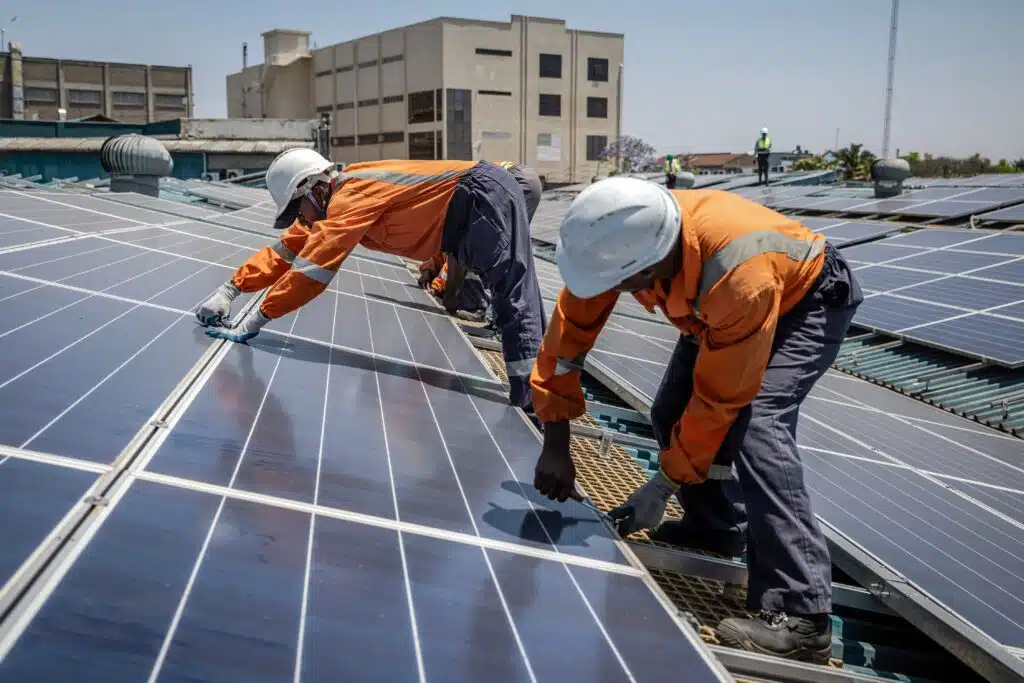
Eskom data shows that installed rooftop solar capacity rose from about 2,574 megawatts in December 2022 to more than 7,460 megawatts by December 2025. This represents an increase of almost 190% in just three years.
Despite this rapid expansion, mostly driven by households users, demand on the national grid has not declined significantly during morning and evening peak periods.
“The rise in behind the meter PV has changed how and when power is drawn off the grid, but it has not reduced the need for dispatchable generation during our key peak hours,” the utility said.
Eskom’s continued reliance on coal
Coal remains the backbone of South Africa’s electricity system, even as solar installations continue to grow. Coal generation is still needed to meet demand during morning and evening peaks.
Eskom says coal fired plants cannot be switched off easily, as they take many hours to shut down and restart, making it impractical during early morning low demand or the midday solar dip.
As a result, the utility keeps coal units running throughout the day to meet electricity demand when solar generation drops later in the day.
These technical limitations have reinforced coal dominance in the energy mix, even as renewable capacity continues to grow outside the national grid.
It also notes that while off grid solar installations have reduced daytime demand, they have not meaningfully lowered demand during peak hours.
Electricity consumption remains high during these periods due to work related activity and household usage.
Eskom’s green transition effort
Despite the slowdown in renewables’ contribution to total generation, the utility says the energy transition remains a key focus and is increasing its renewable energy capacity while supporting private sector involvement in clean energy projects.
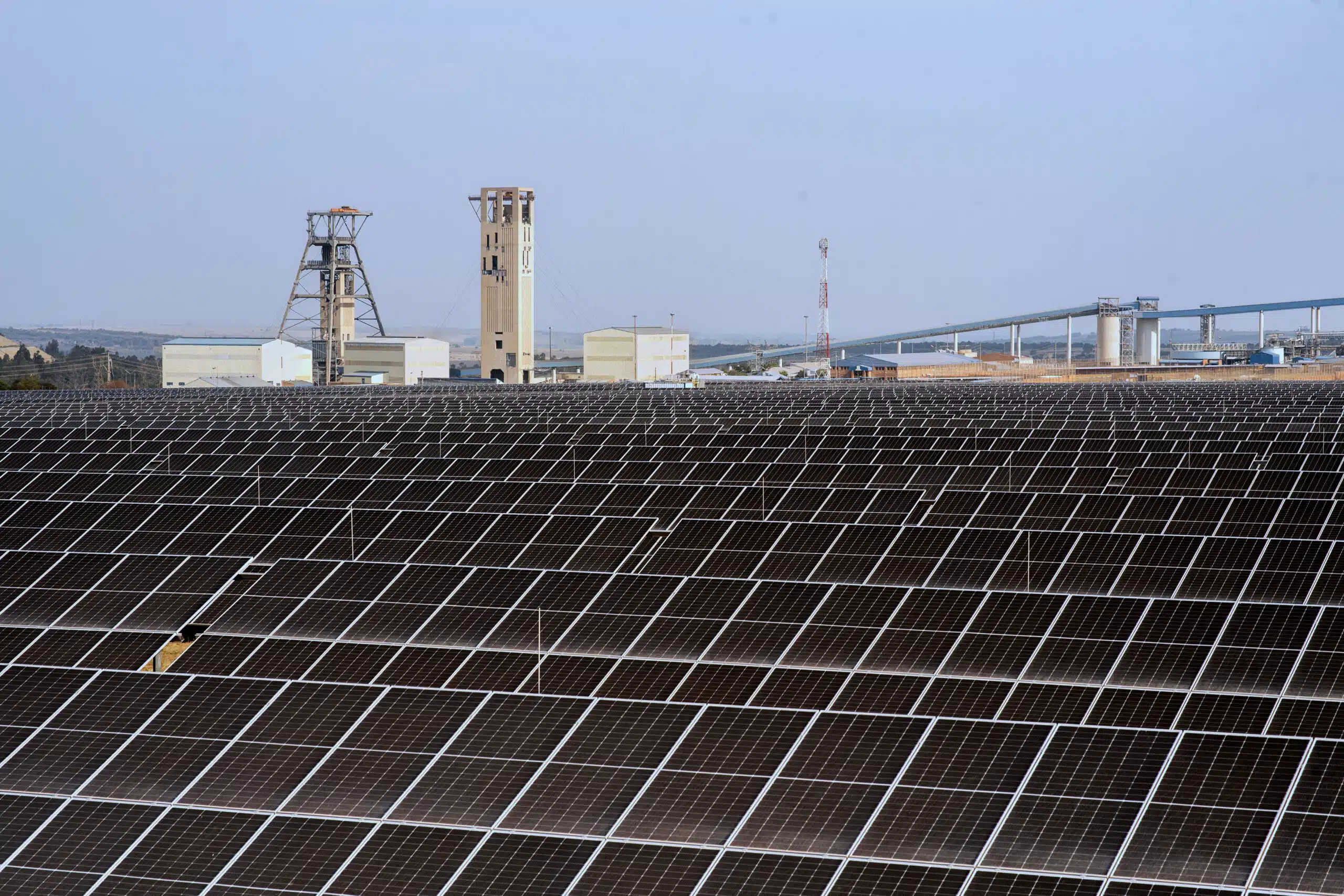
In recent years, it has issued procurement calls for new utility scale solar projects. These projects are intended to supply electricity directly to large power users under long term arrangements.
The initiatives form part of a broader strategy to diversify South Africa’s energy mix. They are also aimed at reducing long-term dependence on coal.
It notes that the growth of renewable energy independent power producers and embedded generation has helped reduce the cost of solar and wind power over the past decade.
However, the Eskom says integrating large amounts of intermittent renewable energy into the national grid is challenging, especially balancing midday solar oversupply with high demand during evening peaks in a system dominated by inflexible coal fired plants.
Is there a reasonable timeline for phasing out coal?
Eskom’s long‑term planning documents outline a shift in South Africa’s energy mix by 2040, targeting a major increase in renewables and a reduction in coal capacity.
The utility aims to boost renewable energy capacity to about 32 gigawatts by 2040 while reducing coal‑fired capacity from around 39 gigawatts to roughly 18 gigawatts over the same period.
The transition plan includes repurposing older coal power stations for renewable or gas‑based generation and developing new renewable projects instead of building new coal plants.
Under South Africa’s Integrated Resource Plan, many coal plants will retire as they reach the end of their design life, with over 35 gigawatts expected to be decommissioned by 2050.
Eskom has acknowledged that achieving these targets depends on expanding transmission infrastructure and managing system reliability as coal units come offline.
Eskom seeks investors for renewable infrastracture
Beyond generation capacity, Eskom added that a key challenge to expanding renewable energy is the lack of transmission infrastructure.
Many of South Africa’s best renewable resources are located far from major demand centres.
The utility estimates it needs about $ 2 billionannually to build a high‑capacity super grid to transport renewable power from resource-rich areas to cities and industry, a step it says is crucial for expanding wind and solar projects.
Eskom’s CEO, Dan Marokane said securing private investment for grid infrastructure is now a priority. He added that the regulator still needs to overhaul tariffs further, “because investors want to know with certainty what their return expectations can be.”
South African homes and businesses have already reshaped electricity demand through widespread rooftop solar adoption.
However, coal will remain necessary to balance the grid during peak periods until large‑scale transmission upgrades and more flexible generation are in place.
As South Africa continues its energy transition, the utility’s data shows the challenge of reducing coal dependence in a system increasingly shaped by private self-generation, infrastructure limitations, and persistent peak time demand.