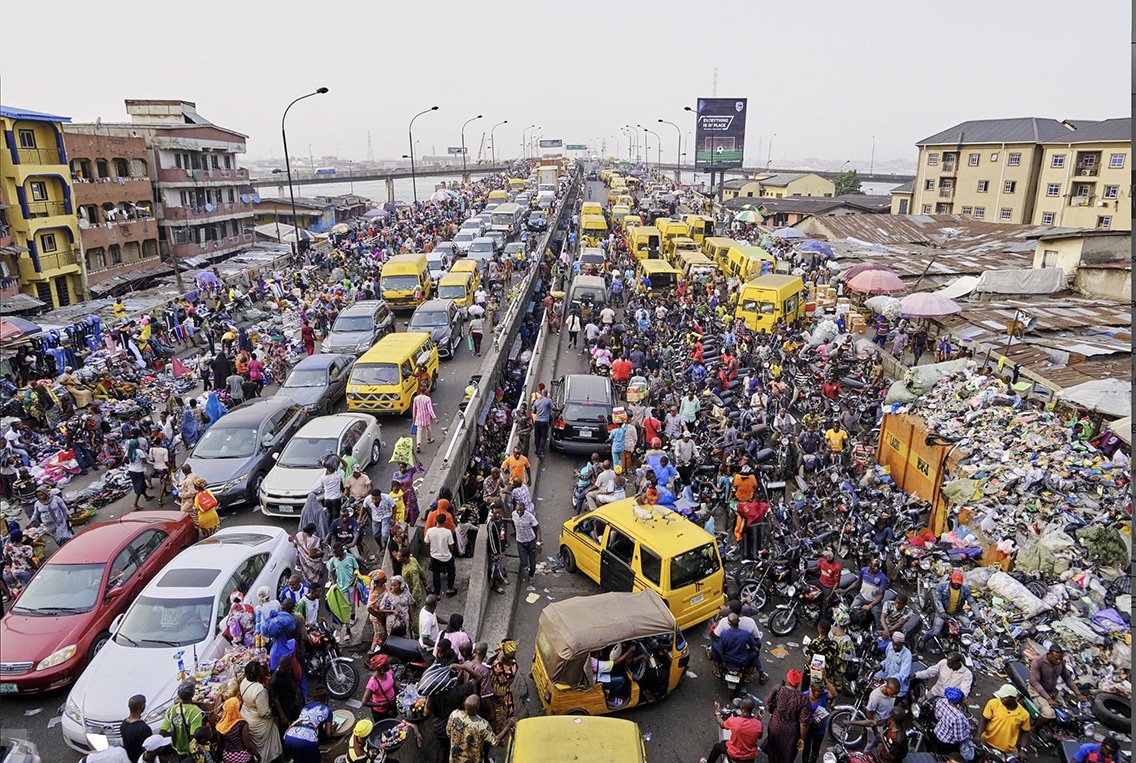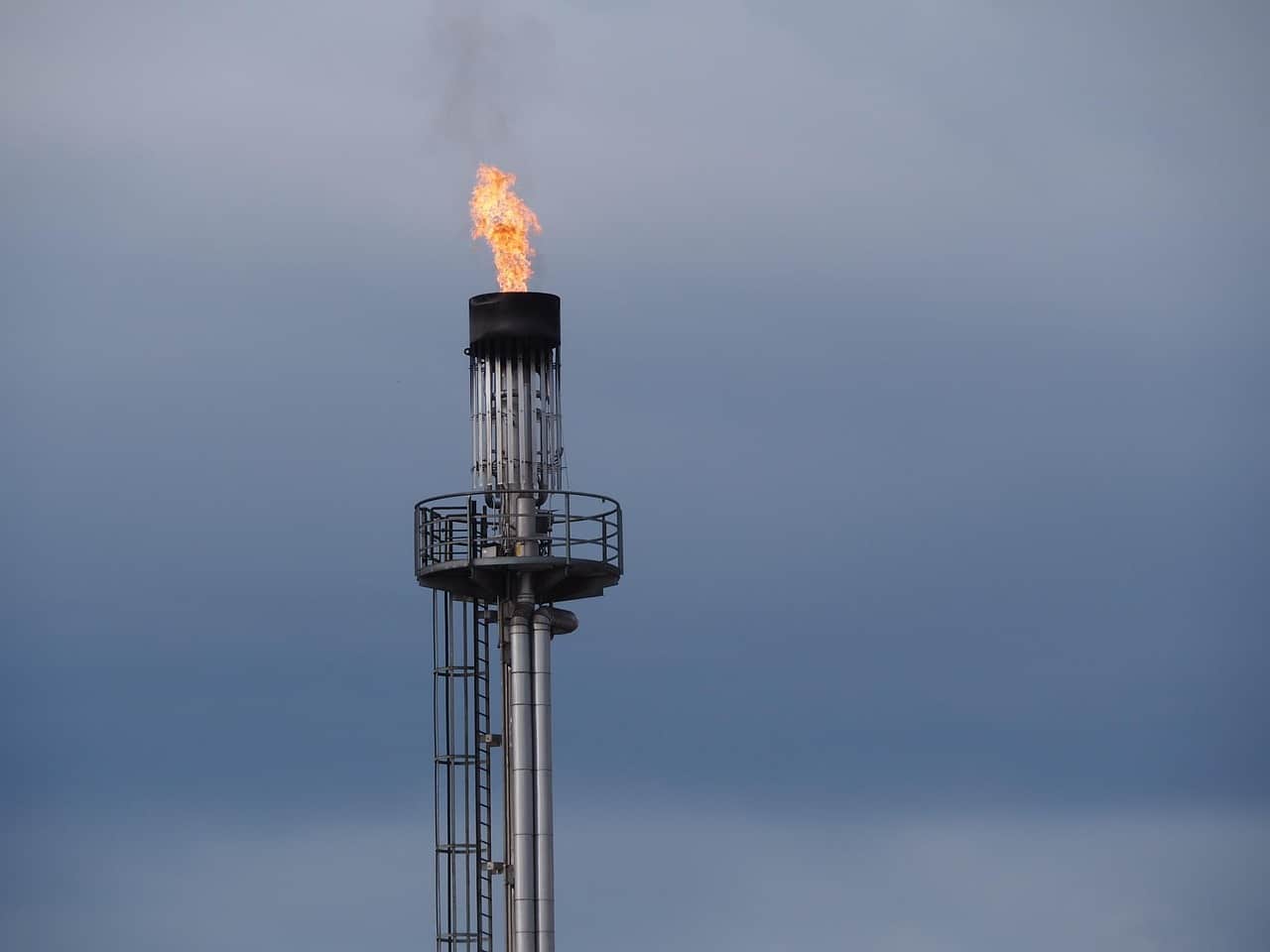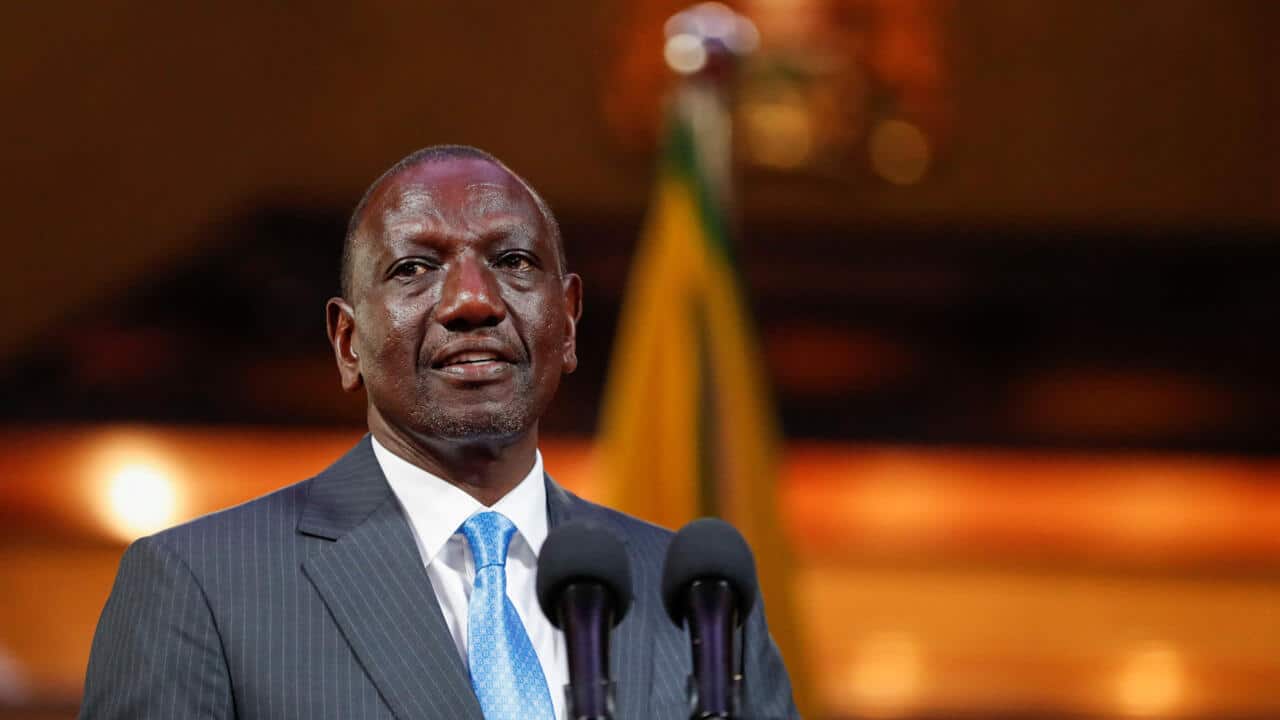



Fossil fuel isn’t going anywhere anytime soon, at least not in Africa. The continent is accelerating its hydrocarbon development like never before.
And for good reasons. Africa is one continent which is both oil and gas rich, and after decades of systemic errors and governance malpractice, seems to be getting things right.
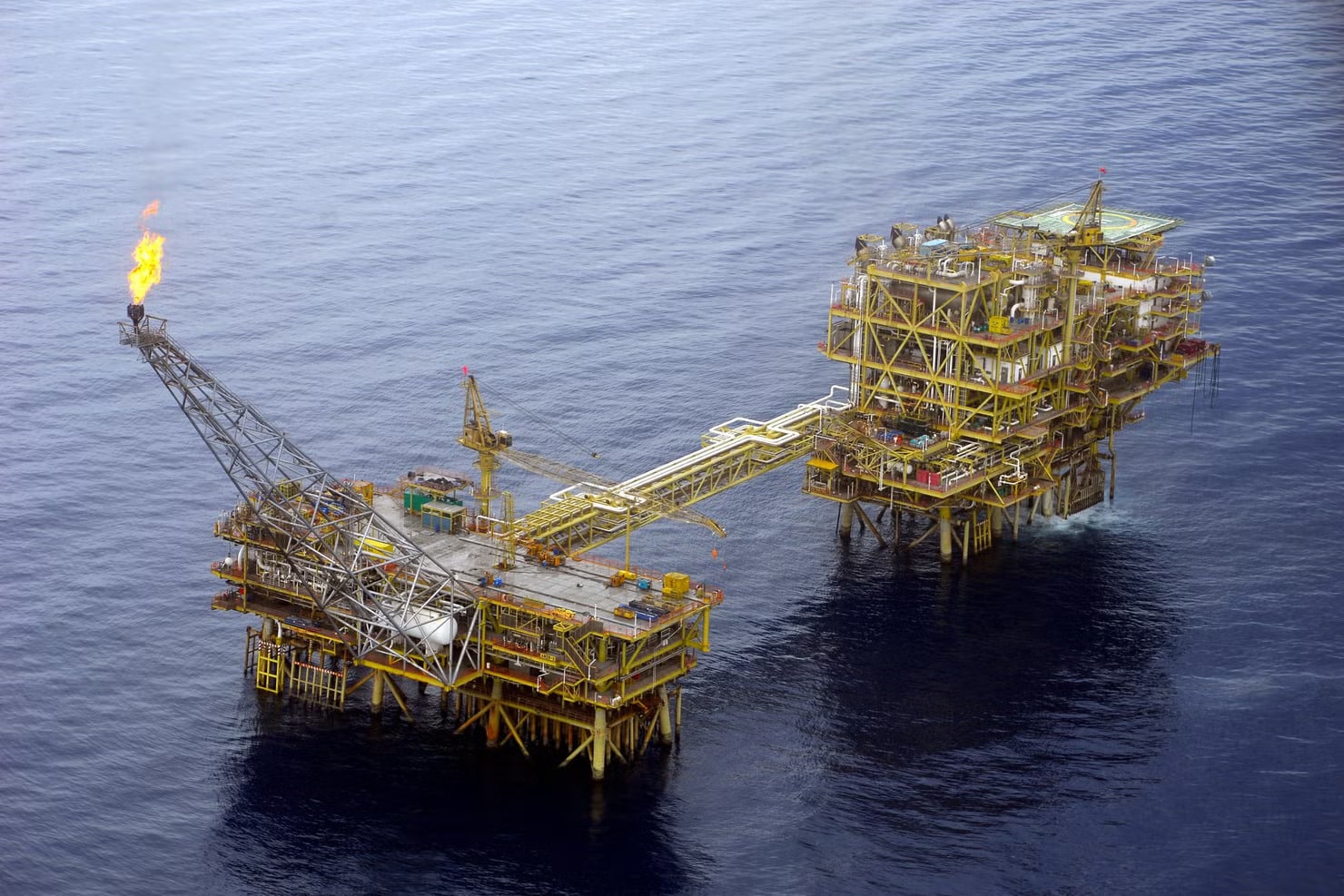
From revamping mature fields in Congo, Nigeria and Angola to finding new terrains in Namibia, Senegal and even Sierra Leone, the continent is getting ready for its year of oil and gas.
Despite much talk around phasing out fossil fuel, African leaders believe differently from the rest of the world that the answer for now may not be in renewable or green energy transition.
Countries like Nigeria, Egypt, Tanzania and Mozambique have in themselves adopted gas as the new transition fuel that will transform the continent hydrocarbon outlook in the coming decades.
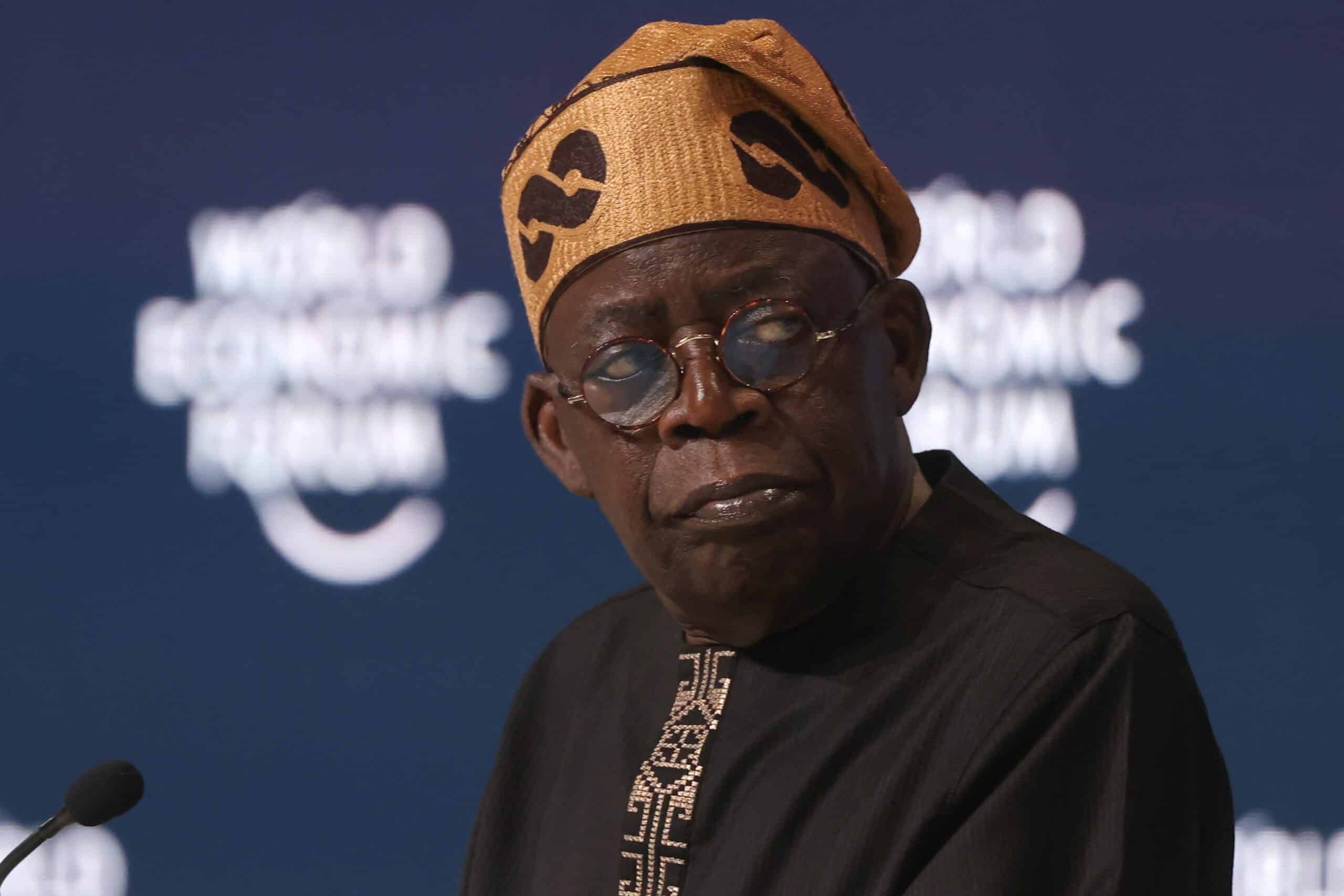
In Nigeria, a new oil block licensing is being launched. With roadshow in Europe, Singapore and China, the West African country is campaigning to get both old investors and new ones for its lucrative oil and gas blocks.
Oil majors including TotalEnergies and Chevron have pledged to participate in the bid, which will include 50 oil blocks and 50 gas blocks.
Some mid-tier independents will also take part in the round, especially with marginal fields which the Nigeria government aims to reinvent and incentivise for investment.
Why Africa will be sticking to oil and gas
According to the latest 2026 gas outlook report by African Energy Chamber, Africa’s gas production will quadruple in a couple of years.
Currently, the continent supplies about 8.5% of the total global consumption of LNG. With new infrastructure growth, more pipeline network development and internal fiscal adjustment, the rate is expected to rise to about 11.5% in the coming years.
In 2026, Namibia will sign a major FID with Total with the Venus deepwater project, leading to a prospect of the nation having its first commercial oil produced by 2029.
Meanwhile, Namibia isn’t the only country Total is having a blast. The French major is also behind the $5 billion East African pipeline (EACOP) in Uganda which will transport more than 200,000 barrels of crude oil from upstream Tilenga and Kingfisher to Tanzania.
As of November 2025, the project is reportedly to be over 60% in completion.
The point is, even as the world seemingly move towards clean energy transition, Africa in itself isn’t slowing down on its bet on fossil fuel and 2026 won’t be any different.
The reasons are clear. One, the comparative advantage for hydrocarbons is unmatched. Africa holds more than 7% of the world proven gas reserves.About 70% of its export revenue, an economic lifeblood for most African countries, comes from oil and gas.
In addition, many African reserves are cheaper to develop than unconventional resources elsewhere, and it’s the last major world frontier.
The cash cow for development, infrastructure growth, government revenue and job creation won’t necessarily come from renewable, but mostly oil and gas.
Africa’s industralisation question
Apart from its economic survival, Africa still lags heavily behind when it comes industrialisation. Most Africa’s hydrocarbon ends up in Europe and America.
The continent refines very little of the oil it produces. And for gas utilisation, it lacks the infrastructure to turn the commodity to real liquid wealth.
According to EIA report, about 760 million of the world still lives without electricity. More than 70% of that number comes from Africa.
This is a problem that could be easily solved by gas-to-power infrastructure with thermal plants producing millions of gigawatts of electricity to homes, manufacturing sites and factories.
Yet the continent does not utilise its gas internally. For countries that produce gas, exportation remains the easy way for commercialisation and monetization.
Nigeria, for instance, launched its decade of gas in 2021, with the aim of focusing on internal gas utilization, encourage inward financing, reduce gas flaring and develop non-associated gas projects.
So far, the country has invested heavily on LPG gas plants, CNG for transportation as well as other natural gas for industries.
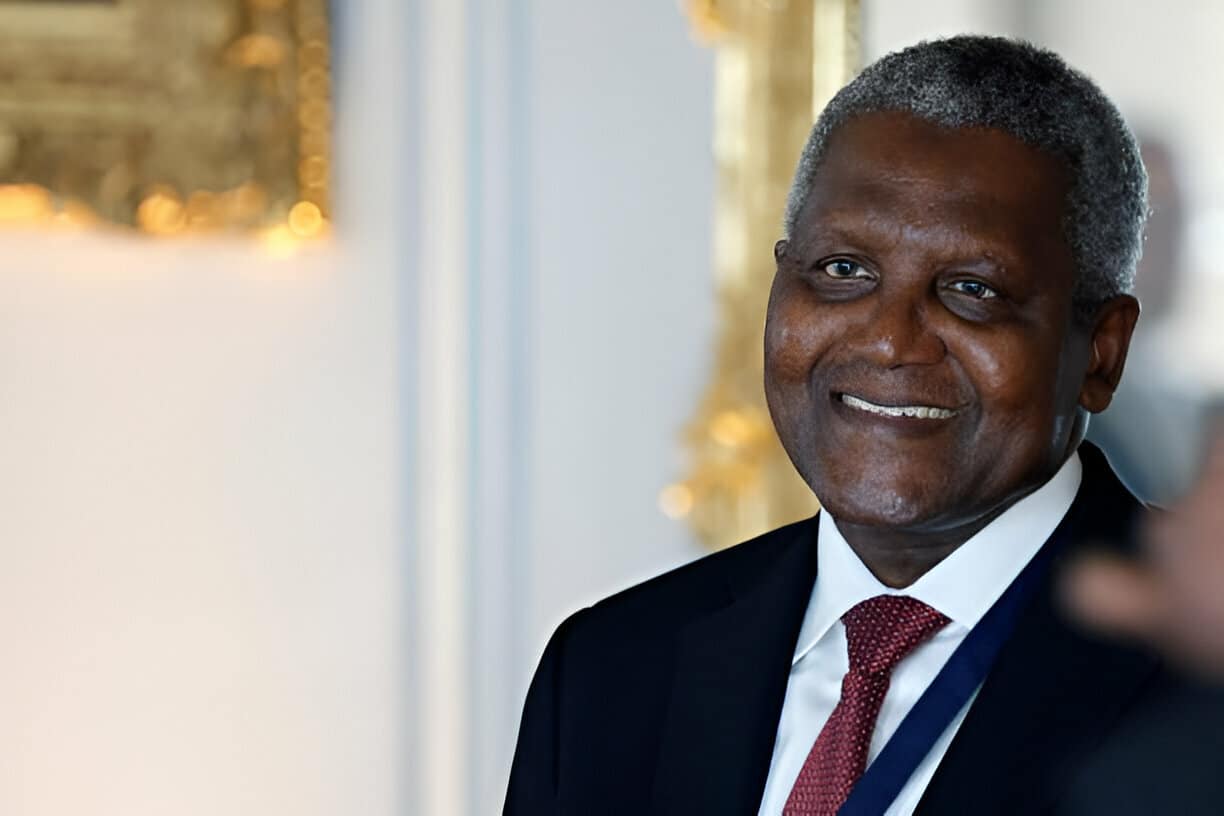
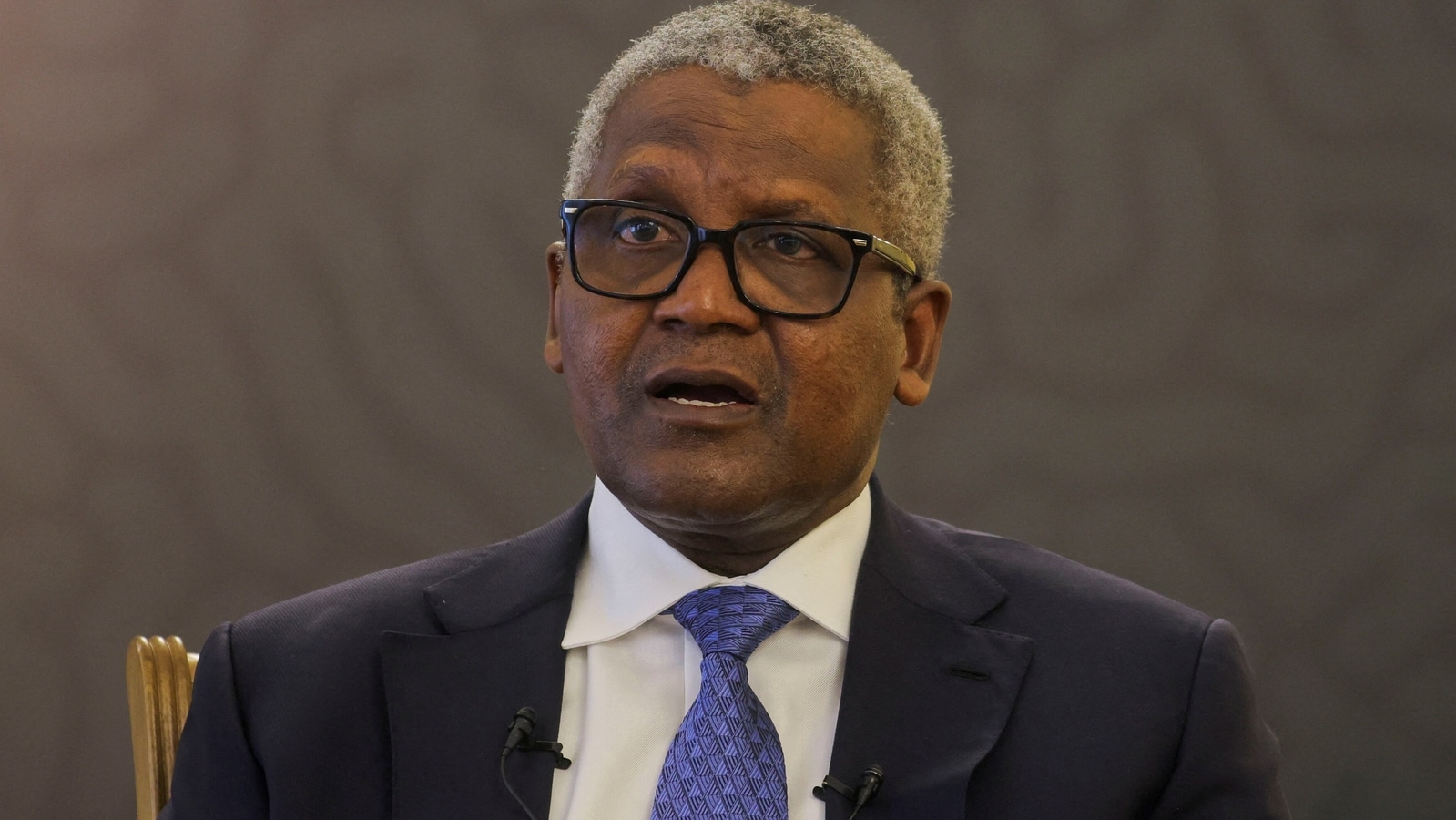
The Dangote refinery, Africa’s largest refining plant, will also play a crucial role in this transformation. With capacity to process 650,000 barrels per day, the refinery represents a significant step toward reducing Africa’s dependence on imported refined products.
Similar investments across the continent could help African nations capture more value from their hydrocarbon resources rather than exporting crude oil only to import expensive refined products.
Rejection of Western pressure
Meanwhile, the international community continues to pressure African nations to abandon fossil fuel development in favour of renewable energy.
However, African leaders argue this approach ignores the continent’s development realities.
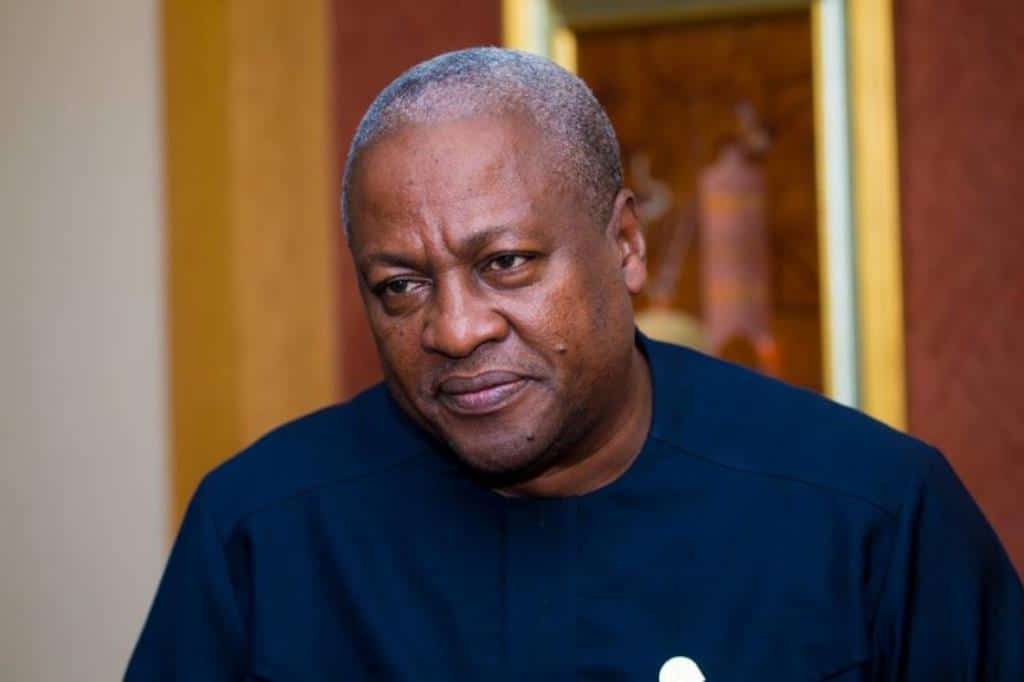
Countries like Ghana, Senegal, and Mozambique are pushing back against what they see as climate colonialism, insisting on their right to use their natural resources to lift millions out of poverty.
As a result, China and India have emerged as key partners in Africa’s hydrocarbon expansion.
While Western investors face increasing pressure to divest from fossil fuels, Asian companies are stepping in with capital and expertise.
This shift is reshaping the geopolitical landscape of African energy, with new alliances forming around shared economic interests rather than climate commitments.
The revenue generated from oil and gas development is being earmarked for critical infrastructure projects across the continent.
Roads, hospitals, schools, and telecommunications networks all require massive investment that many African governments simply cannot fund without hydrocarbon revenues.
Leaders argue that asking Africa to forgo these resources is asking the continent to remain underdeveloped while the rest of the world enjoyed decades of fossil fuel-powered growth.
Looking ahead, 2026 appears set to be a defining year for African hydrocarbons. With multiple projects reaching final investment decisions, new licensing rounds attracting billions in capital, and infrastructure projects nearing completion, the continent is doubling down on its fossil fuel future.
Whether this strategy will deliver the promised prosperity while navigating global climate pressures remains the trillion-dollar question for Africa’s energy sector.