
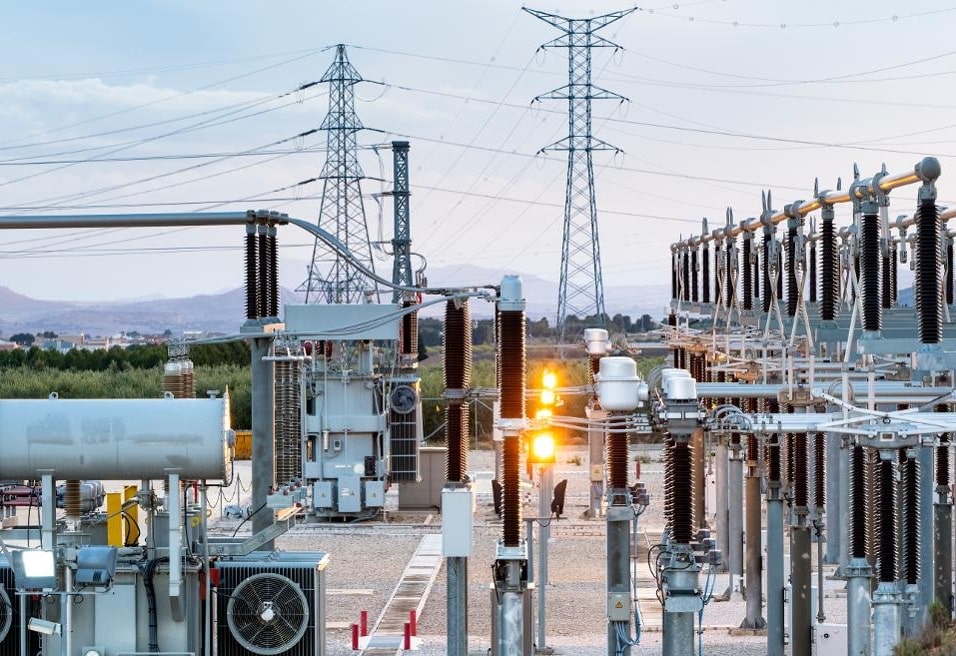


Nigeria’s national electricity grid has suffered another system collapse for the second time this month, cutting power supply to all 11 electricity distribution companies (DisCos).
Data published on the national grid’s official X (formerly Twitter) account on Tuesday showed that all 11 DisCos recorded zero megawatts (MW) allocation at the time of the incident.
Abuja, Benin, Eko, Enugu, Ibadan, Ikeja, Jos, Kaduna, Kano, Port Harcourt, and Yola DisCos were all listed at 0 MW, bringing the total nationwide load to zero.
The outage is the second nationwide grid collapse in 2026, following a similar incident on January 23.
During that earlier breakdown, total generation fell to as low as 20 MW, with Ibadan DisCo receiving the only allocation, while all other DisCos recorded zero MW.
The recent collapse followed a partial disturbance on December 29, 2025, which also caused sharp drops in electricity supply across several regions.
Recent pattern of disruptions
System disturbances on the national grid have been frequent in the past 12 months. In September 2025, the grid recorded a major failure, leaving most DisCos without supply.
Data from that period showed Ibadan DisCo receiving minimal power, while other companies recorded zero allocation.
In December 2025, NISO linked reduced electricity delivery to vandalized gas pipelines that disrupted fuel supply to thermal power plants. This breakdown led to lower allocations for multiple DisCos, though supply was partially restored in the days following the incident.
Ongoing challenges in the sector
Experts and operators attribute recurring system collapses to ageing infrastructure, limited maintenance, and technical constraints within the national transmission network
Reports from the Transmission Company of Nigeria (TCN) and the Nigerian Independent System Operator (NISO) attribute grid instability to line trippings, generator disconnections, and reduced gas supply to power plants.
Nigeria’s transmission network has experienced multiple collapses in recent years, with around 12 reported failures in 2024 and four major incidents in 2025, including system disturbances in March, September, and December.
This latest disruption adds to a series that has raised concerns about the stability of Nigeria’s electricity system.