



Libyan Foreign Bank has filed a lawsuit in the United Kingdom High Court seeking to recover more than $100 million from Zimbabwe’s finance minister, Mthuli Ncube, and the National Oil Infrastructure Company of Zimbabwe.
The legal action, filed in November, targets unpaid obligations linked to a credit facility agreed more than two decades ago and reflects the growing pressure from legacy debts on Zimbabwe’s public finances.
The case adds to a long list of unresolved external liabilities weighing on the southern African country at a time when it remains locked out of international capital markets.
How the oil loan accumulated
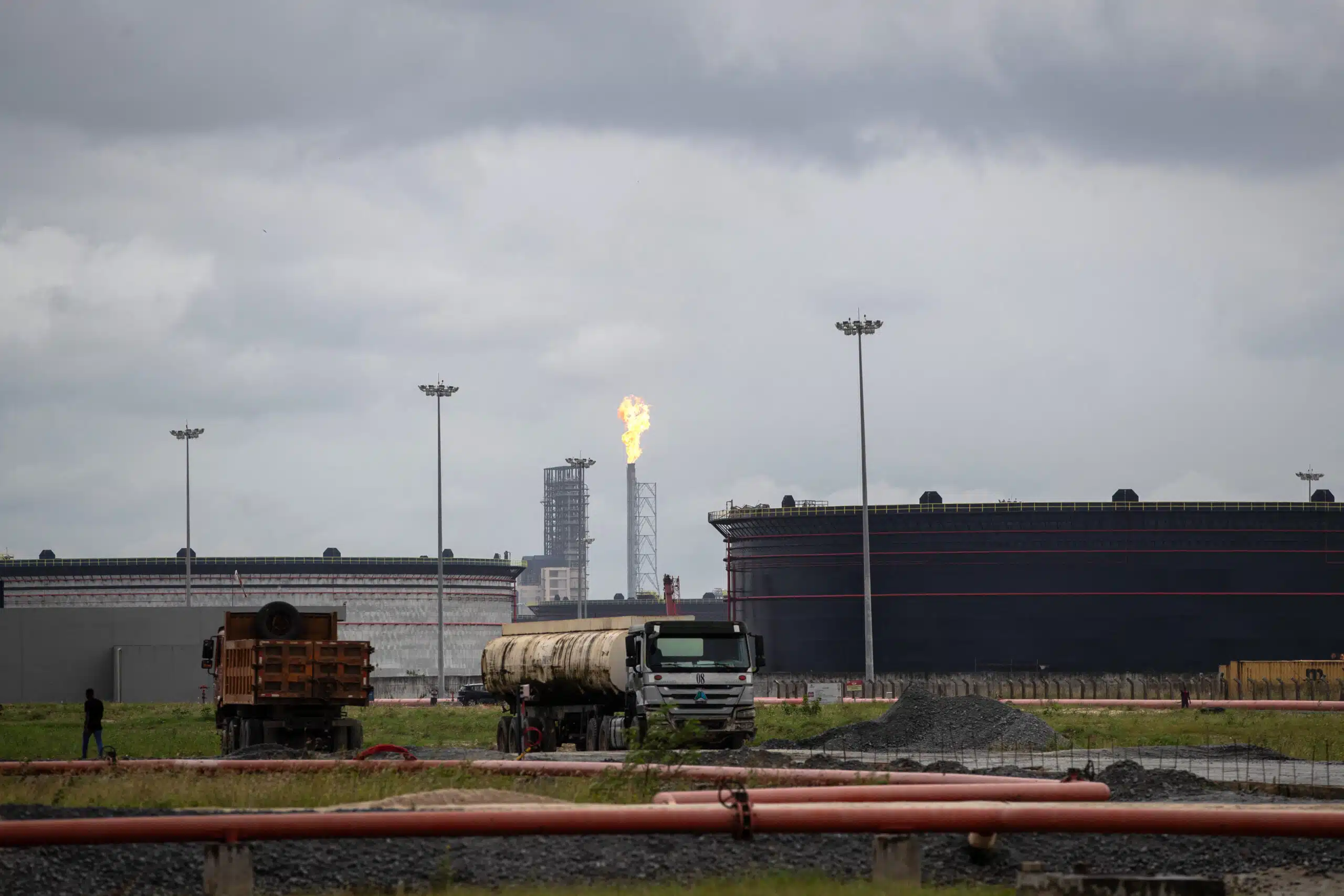
Court documents show that the dispute centres on a $90 million credit facility agreed in 2001 between Libyan Foreign Bank and the National Oil Infrastructure Company of Zimbabwe.
The facility allowed the state owned company to finance petroleum imports, with nearly half of the approved amount drawn down over the following two years.
The funds were used to pay Oilinvest BV, a Netherlands based energy trading firm, for fuel supplies delivered to Zimbabwe.
Libyan Foreign Bank stated in its filing that repayment terms under the agreement were not met despite repeated engagements with Zimbabwean authorities over several years.
The bank noted that only $5.5 million was repaid through four instalments made between 2013 and 2023. As a result, the lender stated that the outstanding principal combined with accumulated interest has now risen beyond $100 million.
The claim also states that the loan was guaranteed by Zimbabwe’s Ministry of Finance under then finance minister Simbarashe Makoni.
Libyan Foreign Bank added that Zimbabwean officials have acknowledged the debt on multiple occasions since 2005, even though full repayment did not follow.
Court orders and Zimbabwe’s debt challenge
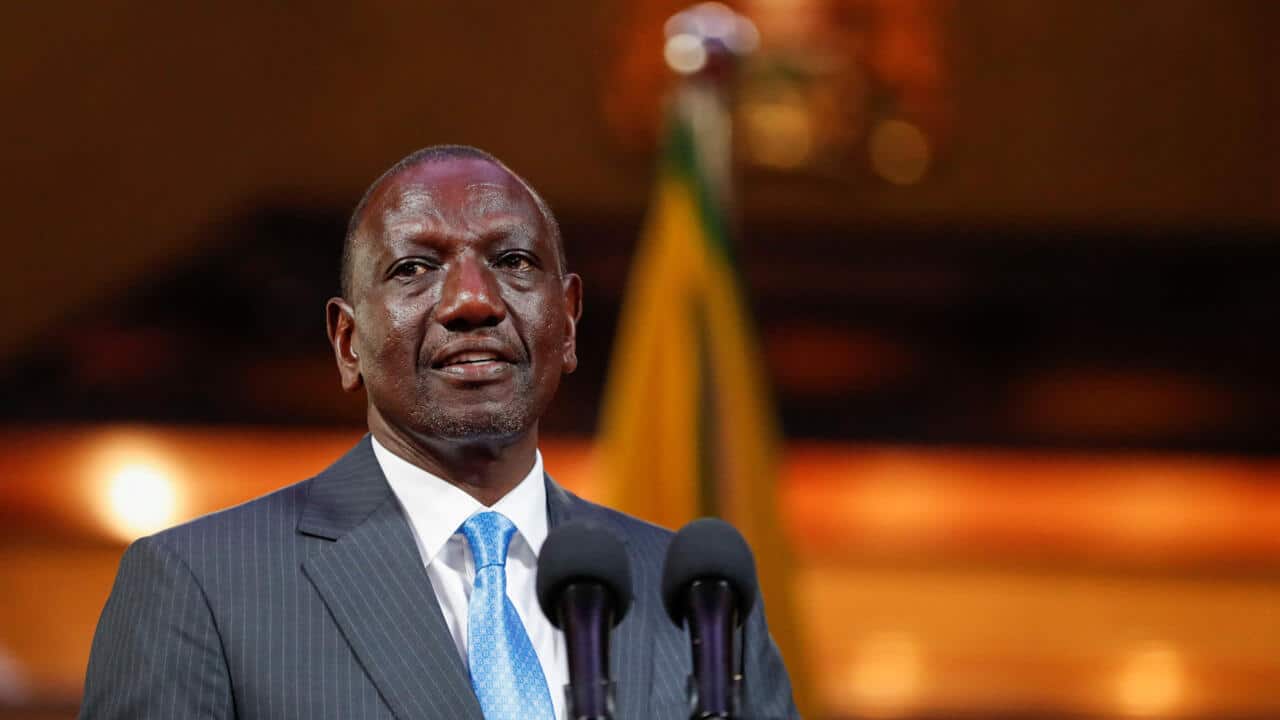
Justice Richard Jacobs of the UK High Court has ordered the Zimbabwean defendants to file their defence by the end of this month. While Minister Ncube initially planned to contest the court’s jurisdiction, he later accepted that the case could proceed in London.
The ruling clears the way for the court to examine the substance of the claims, including the validity of the government guarantee and the size of the outstanding debt.
The lawsuit comes as Zimbabwe continues to grapple with a prolonged debt crisis that has restricted access to external financing.
The country is in arrears to international creditors, with outstanding obligations estimated at no less than $21 billion. These debts are owed to a range of lenders, including the World Bank and other multilateral institutions.
As a result, Zimbabwe has remained locked out of international capital markets, limiting its ability to secure fresh funding for energy supply, infrastructure and public services.