
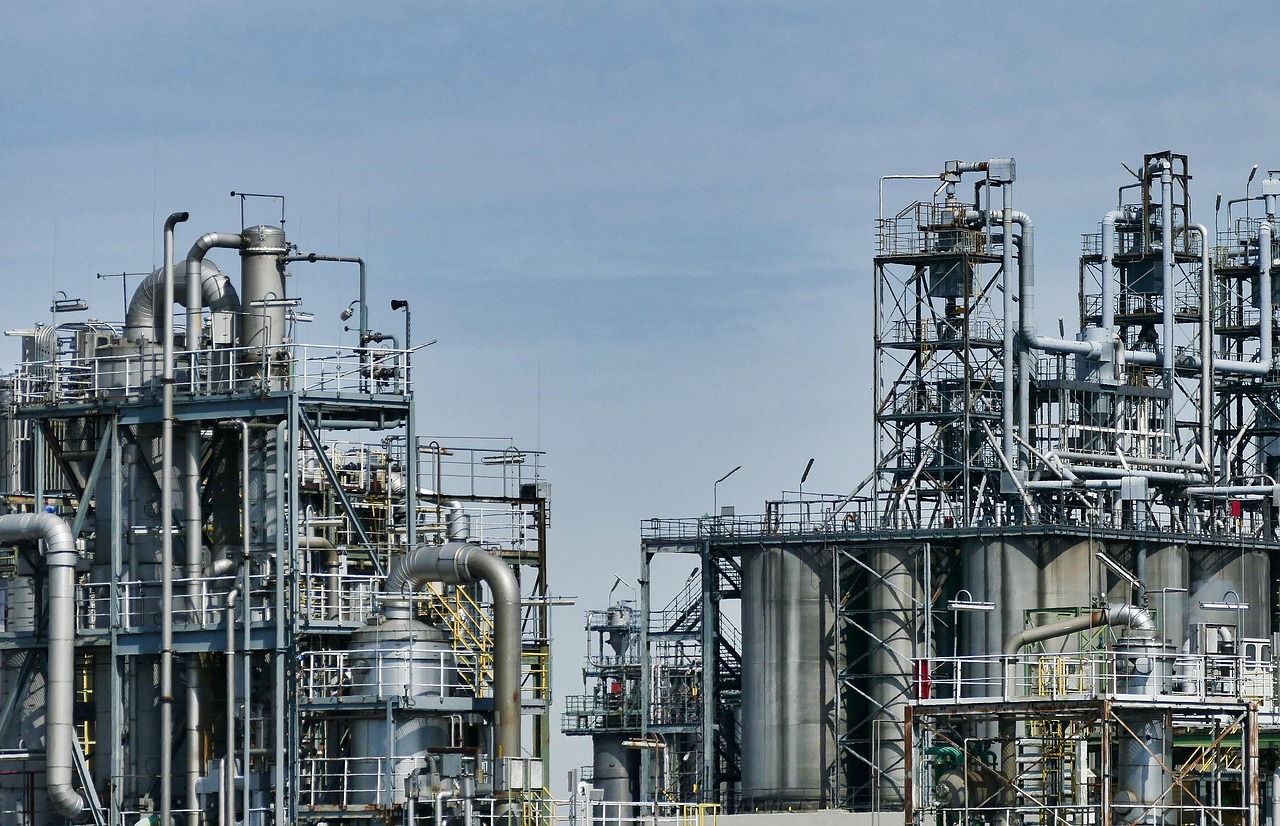


Nigeria’s state owned oil company, NNPC Limited, has opened talks with a Chinese petrochemical firm over its four refineries as it seeks to revive the moribund plants that have operated at loss for years.
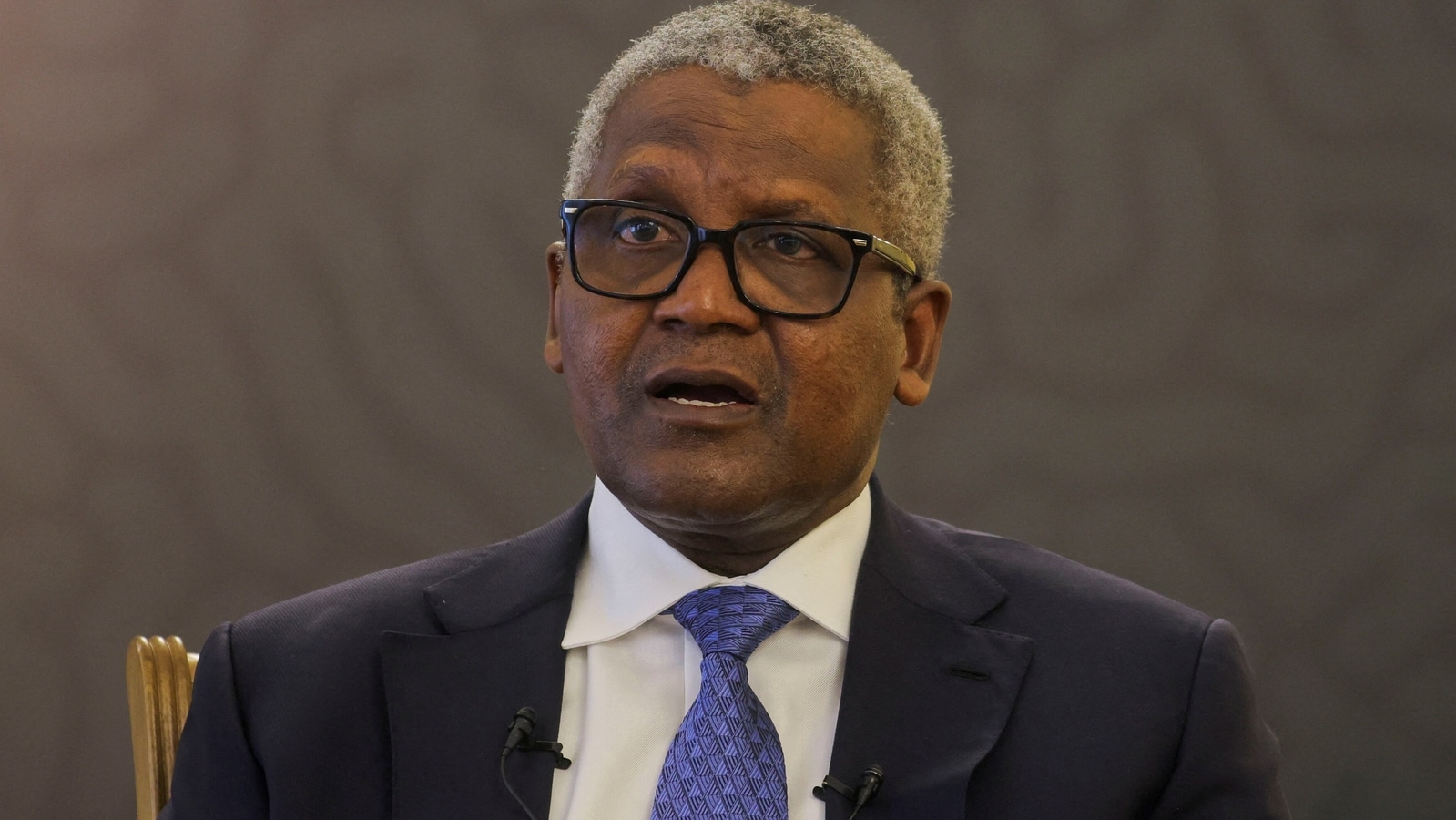
In remarks to reporters on Friday, the company’s chief executive, Bayo Ojulari, said the discussions form part of a broader plan to bring in experienced refinery operators as equity partners to turn around NNPC’s four refineries.
Ojulari stated that an internal review conducted shortly after he assumed office showed that the refineries were bleeding cash.
He explained that operating costs were high, contractor expenses were heavy, and processing volumes remained low, leaving the facilities commercially unprofitable.
NNPC’s board has since approved a new strategy that shifts away from the long standing use of contractors towards partnerships with refinery operators that have proven technical and operational expertise.
Ojulari noted that the company was already in advanced discussions with several interested parties under this approach.
“I’m just coming from a meeting with one of the potential investors,” he said. “They are going to the refinery tomorrow to inspect. It’s a Chinese company that has one of the biggest petrochemical plants in China.”
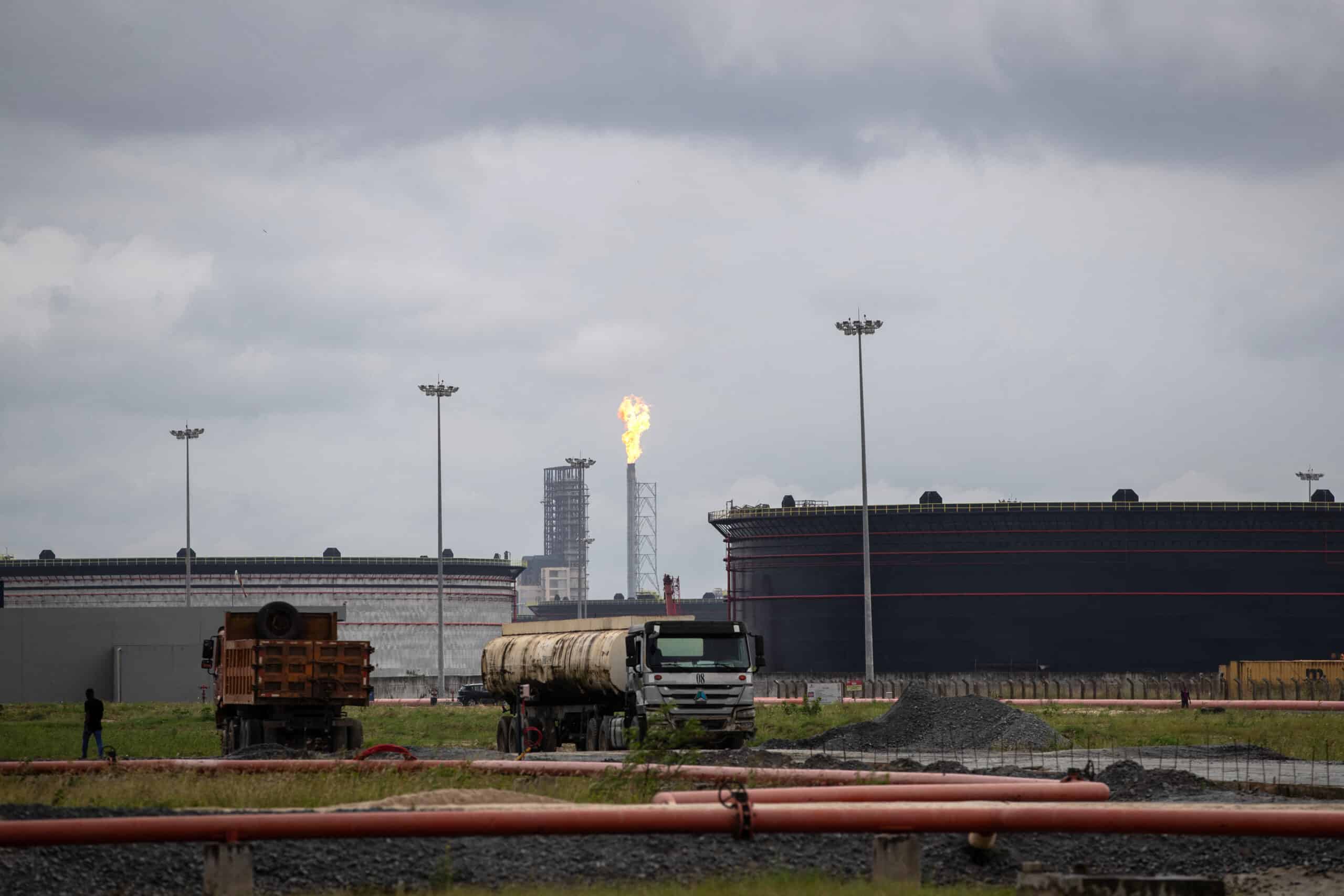
Nigeria has struggled for decades to rehabilitate its state owned refineries, which include facilities in Port Harcourt, Warri and Kaduna.
Despite repeated repair efforts, the plants have operated far below capacity, forcing Africa’s largest crude oil producer to rely heavily on imported fuel.
Why NNPC is changing its refinery strategy
NNPC’s move follows decades of failed turnaround maintenance projects that delivered little improvement in output.
Under the new model however, refinery operators would take an equity stake in the assets, giving them a direct incentive to improve efficiency and profitability.
NNPC would retain ownership of the refineries but relinquish part of its equity to allow the plants to fund their operations independently.
Ojulari stated clearly that the company was not selling the refineries outright. Instead, the aim is to create commercially run assets that can sustain themselves without constant financial support from the state.
Nigeria spends billions of dollars annually importing petrol due to limited domestic refining capacity.
How Dangote refinery fits into the plan
Moreover, the talks with foreign partners come as Nigeria’s fuel supply landscape begins to change with the start up of Dangote Refinery.
Ojulari mentioned that the launch of the privately owned plant offered NNPC some “breathing space” to reassess the future of its refineries.
He explained that NNPC temporarily halted operations at the state owned plants to allow time for a proper evaluation of options. The availability of local supply from Dangote reduced the immediate pressure to keep loss making facilities running.
Meanwhile, the government hopes that reviving the refineries through partnerships will eventually complement private sector capacity.
If successful, the plants could reduce import dependence, stabilise fuel supply and support Nigeria’s broader energy security goals.