
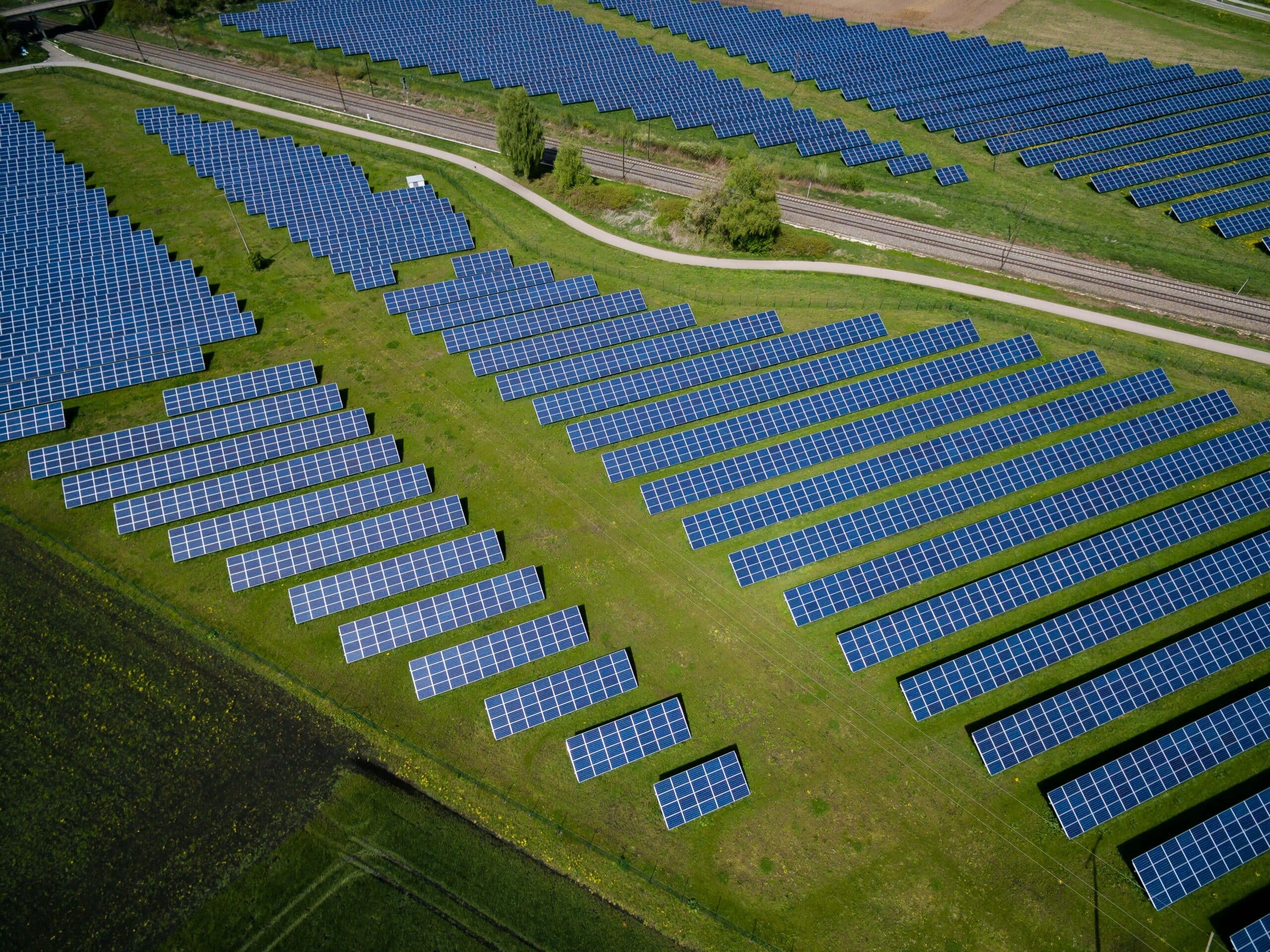


Africa added approximately 4.5 GW of new solar PV capacity in 2025, representing a 54% increase from 2024, according to the Global Solar Council.
Ten countries accounted for roughly 90% of all new capacity added during the year. These additions occurred amid ongoing electricity supply challenges, rising fuel costs, and declining solar technology costs
At the same time, falling solar technology costs improved project economics and shortened deployment timelines.
According to the Global Solar Council’s “Africa Market Outlook for Solar PV 2026–2029” report, economic growth added urgency to the shift. Africa’s GDP expanded by an estimated 3.9% in 2025.
More than 20 countries recorded growth rates above 5%. Electricity demand rose alongside industrial activity, urbanisation, and population growth, placing pressure on governments to secure new sources of generation.
Within this context, solar capacity additions in 2025 reflected both short-term supply needs and longer-term structural shifts in energy planning.
Below is a breakdown of the ten largest solar markets in Africa in 2025, ranked by new capacity installed.
10. Namibia
Namibia installed 92 megawatts of solar capacity in 2025, accounting for about 2% of total additions across Africa.
For a country with a population of fewer than three million, the increase represented a material expansion of domestic generation capacity.
The installations were driven by the need to reduce reliance on electricity imports and improve supply reliability.
Namibia has historically depended on power imports from neighbouring countries to meet domestic demand.
Solar projects were developed to supplement existing generation sources and strengthen energy security during peak demand periods.
9. Ghana
Ghana added 92 megawatts of solar capacity in 2025, matching Namibia’s contribution and representing roughly 2% of continental installations.
The country remained just below the 100 MW threshold that often marks a transition into higher-volume solar markets.
Solar deployment in Ghana continued alongside hydropower and thermal generation.
Grid-connected plants and distributed systems were used to support industrial zones and commercial centres affected by intermittent supply.
8. Botswana
Botswana installed 120 megawatts of solar power in 2025, capturing about 3% of Africa’s new capacity.
The achievement represented the country’s first year exceeding 100 megawatts of annual installations.
The projects formed part of Botswana’s efforts to diversify its electricity mix.
Solar additions reduced exposure to fossil fuel price volatility and supported broader economic diversification away from mining dependence.
7. Tunisia
Tunisia also recorded 120 megawatts of new solar installations in 2025, accounting for 3% of total African additions. Deployment reflected steady progress under existing renewable energy programmes.
Solar capacity supported Tunisia’s objective of lowering electricity imports and stabilising domestic supply.
Development finance institutions continued to play a role in funding large-scale projects.
6. Zambia
Zambia added 139 megawatts of solar capacity in 2025, representing around 3% of total installations.
The increase followed several years of heightened exposure to hydropower shortages caused by drought.
Mining companies and other industrial consumers drove demand for solar projects. These installations provided supplemental power during periods of reduced hydro generation.
5. Morocco
Morocco installed 204 megawatts of solar capacity in 2025, accounting for 4% of Africa’s total additions. The country continued to build on established renewable energy pipelines.
Solar deployment complemented existing concentrated solar power and wind projects. The new capacity supported national targets to raise the share of renewables in electricity generation by 2030.
4. Algeria
Algeria deployed 400 megawatts of solar power in 2025, securing about 8% of Africa’s new capacity. The country’s vast solar resources remain among the highest globally.
The installations formed part of a strategy to reduce domestic reliance on natural gas for power generation. Algeria’s national energy plan targets 15 gigawatts of solar and wind capacity by 2035.
3. Egypt
Egypt added 500 megawatts of solar capacity in 2025, accounting for 10% of Africa’s total installations. Rising electricity demand continued to shape energy investment decisions.
Projects included utility-scale developments and rooftop systems. Expansion around established solar zones helped ease pressure on gas-fired power plants.
2. Nigeria
Nigeria installed 803 megawatts of solar capacity in 2025, representing about 17% of Africa’s total additions. Chronic power shortages remained a central driver of deployment.
Solar growth spanned off-grid systems, mini-grids, and large-scale projects. High diesel costs and unreliable grid supply continued to push adoption across commercial and residential users.
1. South Africa
South Africa led the continent with 1.6 gigawatts of new solar capacity in 2025, accounting for roughly 33% of Africa’s total installations.
Load-shedding remained a key driver of demand. Utility-scale projects and rooftop systems expanded rapidly.
Transmission bottlenecks and grid congestion limited integration in some regions, but private investment continued to flow into the sector.
What you should know
Eight African countries installed more than 100 megawatts of solar capacity in 2025, compared with four countries in 2024. Chad installed 86 megawatts of solar capacity during the year.
The remaining share of installations was spread across smaller markets. Several countries commissioned their first utility-scale solar projects during the year.
According to the Global Solar Council, Africa could install more than 31.5 gigawatts of solar capacity by 2029. Growth is expected across both distributed and utility-scale segments.
Continental targets include achieving 300 gigawatts of renewable capacity by 2030 and expanding electricity access to 300 million people under Mission 300. Solar PV remains central to these objectives.