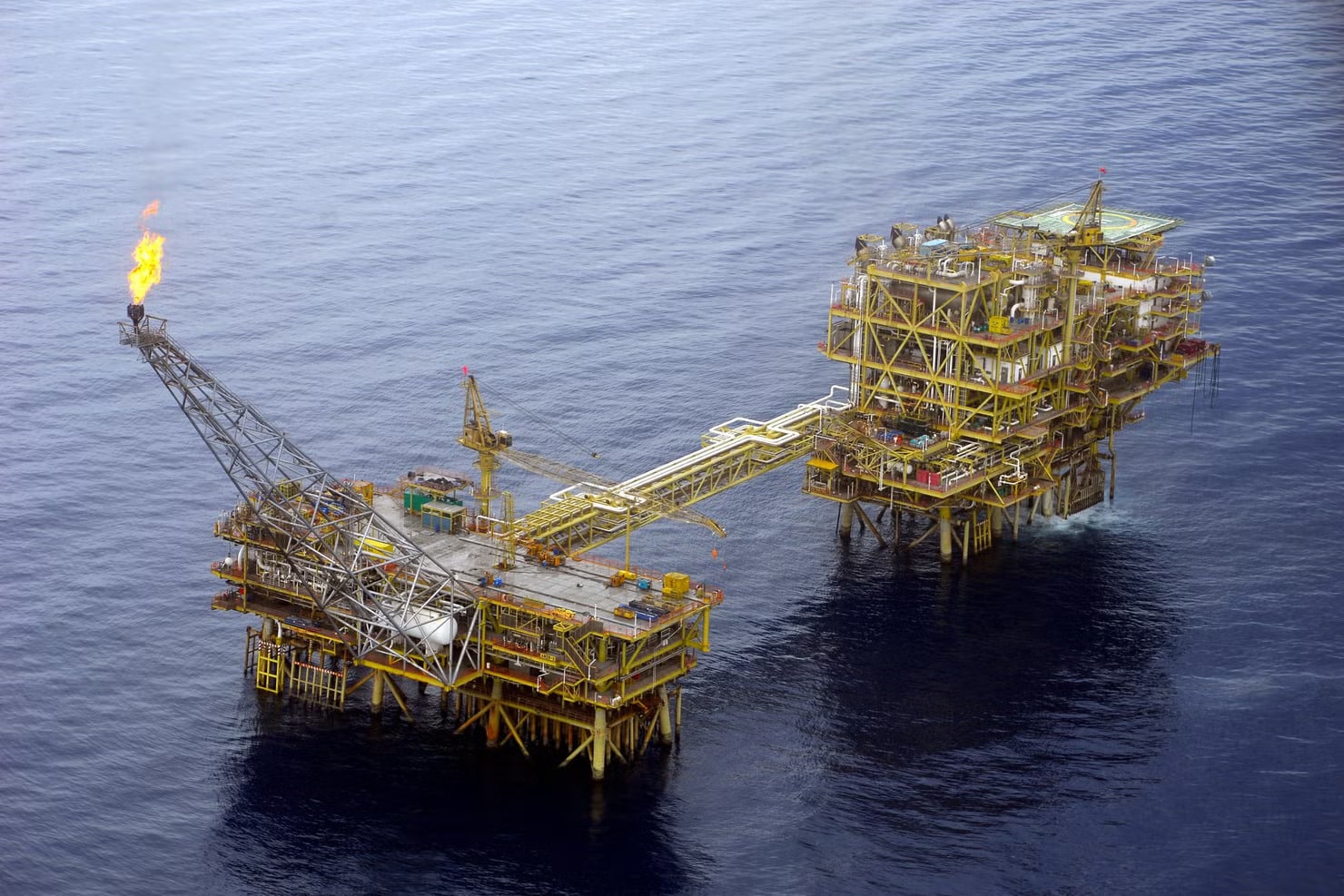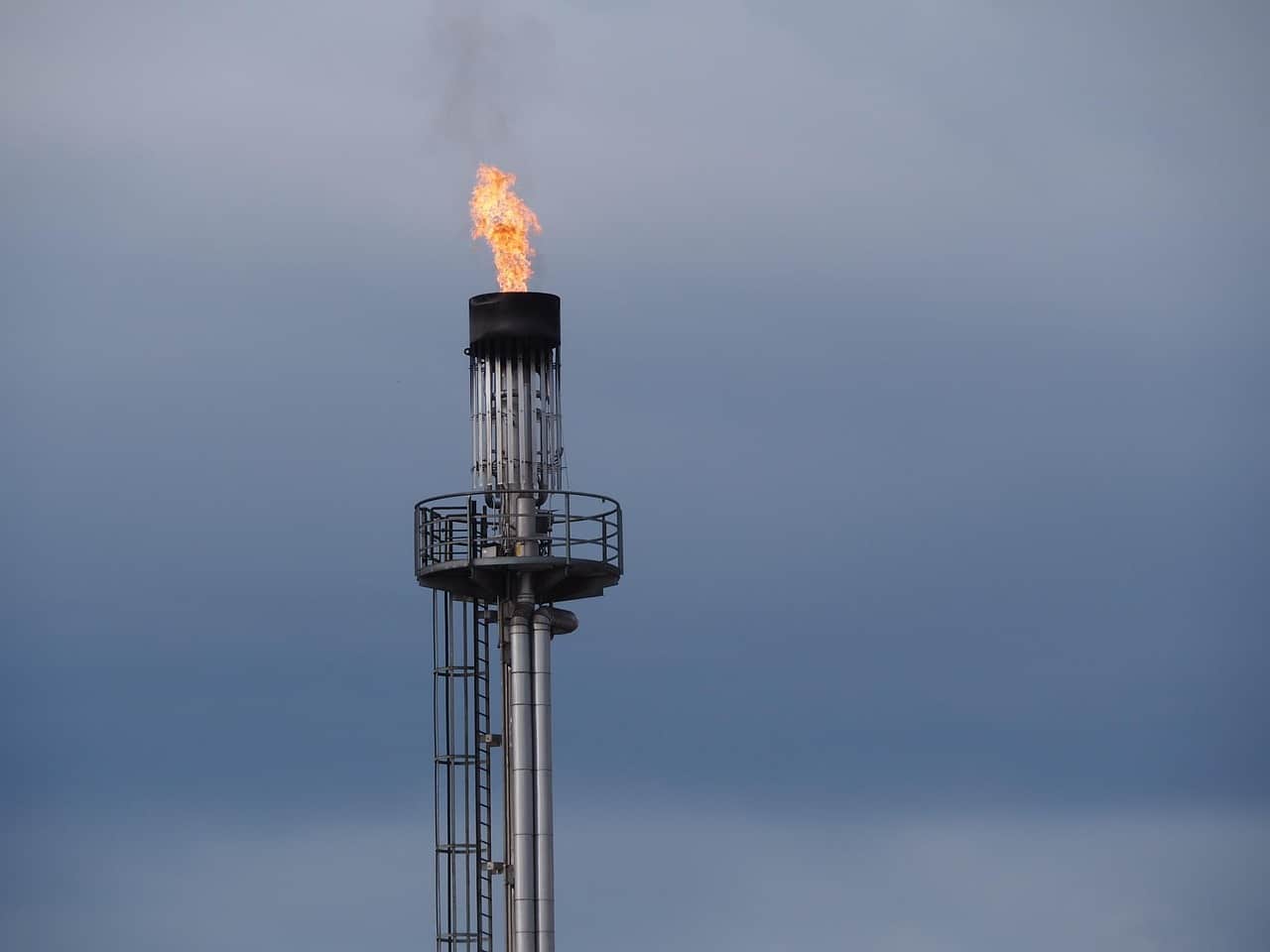



African nations may be adding at least five more refineries to their oil and gas infrastructure in 2026 as the continent moves towards energy security.
This is according to the latest State of African Energy 2026 by the pan African energy think tank, African Energy Chamber, obtained by Energy in Africa.
According to the report, the African continent is ramping up its refining capacity as it moves towards energy optimization and industrial growth.
In recent years, there has been growing interest in the development of new refinery projects on the continent to reduce heavy fuel import dependence and drive domestic monetization of energy.
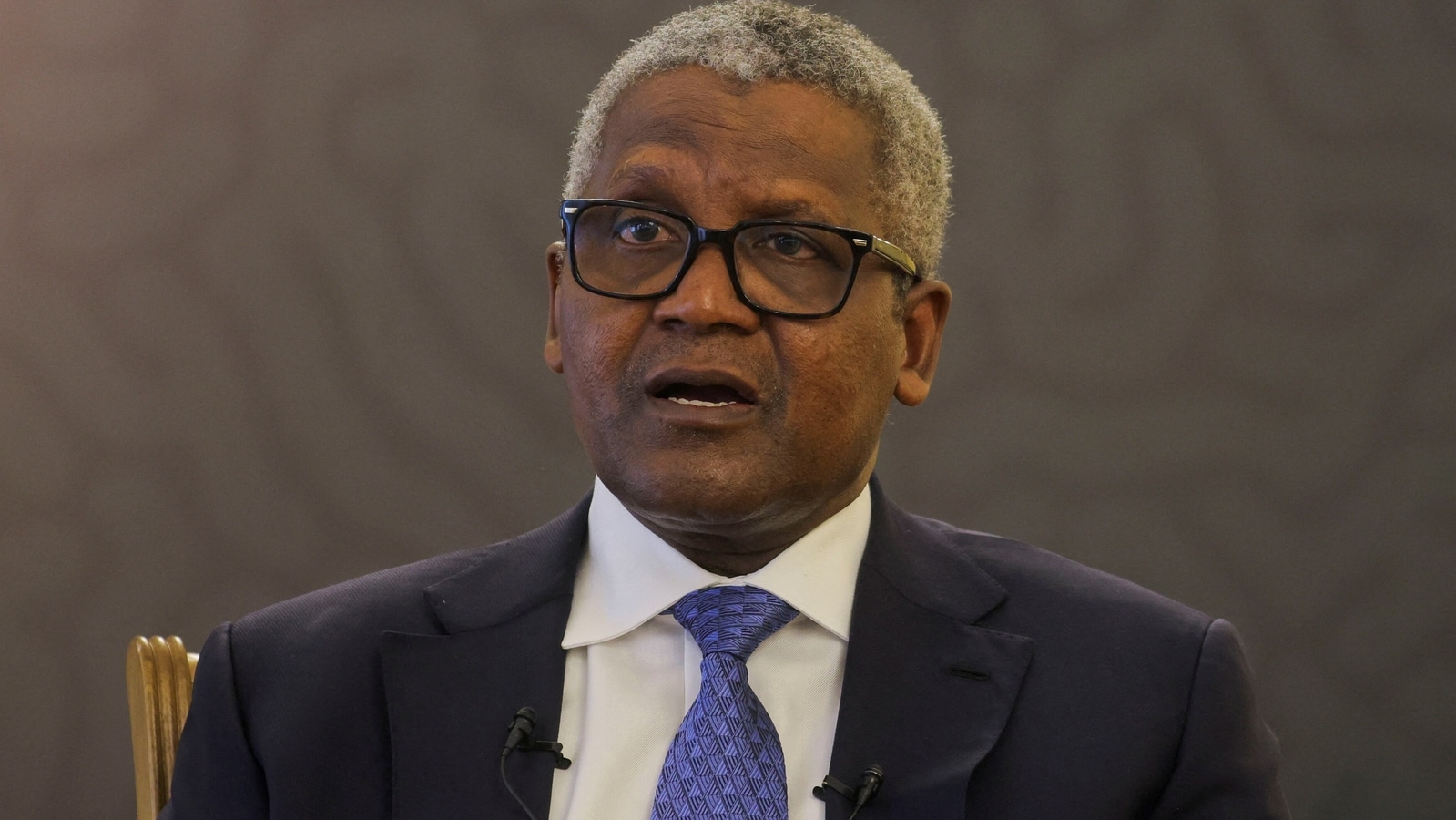
For example, Nigeria completed a 650,000 crude oil barrels per day refinery in 2023, owned by Africa’s richest man, Aliko Dangote. The plant, known as the Dangote Petroleum Refinery, processes crude oil into different petroleum products including PMS, jet fuel, fuel oil, diesel, and kerosene. The project is the largest single train refinery in the world.
The Dangote refinery, however, is not the only burgeoning refinery on the continent, with multiple projects underway as both governments and private operators continue to build and revamp refining infrastructure across Africa.
The African Energy Chamber noted that while there is evident growing interest in refining capacity on the continent, the import market still stands as a hindrance to maintaining such momentum.
“In the short to medium term, a limited number of refinery projects are expected to be set up, as scarce funding and competitive imports stifle greenfield development,” the report says.
The report, however, identifies five major refinery projects underway, with measurable timelines for completion across the continent.
These refineries are located in different parts of Africa and are at different stages of completion.
The African Energy Chamber also noted that the timeline stipulations range from firm predictions to probable and speculative.
“For a refinery project to be viable, it either needs to be economically attractive or receive significant state support, justified based on domestic refined product supply security, and or dovetail into the narrative of supporting the domestic economy,” the report says.
In this write up, we break down the five key refinery projects identified in the report, as well as their completion timelines across the continent, from the earliest to the latest.
5. Cabinda refinery: Angola
Angola is one of Africa’s largest oil producing nations, with an average crude oil output of about 1 million bdp.
The Cabinda refinery is Angola’s greenfield refinery project, with a capacity of about 60,000 bdp across two phases.
Phase one of the project, worth over $400 million, was completed in September 2025. Its second phase is underway and will add an additional 30,000 bdp capacity to the plant.
The refinery is expected to produce aviation fuel, kerosene, heavy fuel oil, and naphtha.
Angola, like most African oil rich nations, exports about 80% of the crude it produces.
This makes the Southern African nation heavily dependent on energy imports. The Cabinda refinery is expected to help reduce this dependence and move Angola closer to energy security.
4. Hoima refinery: Uganda
Like Angola’s Cabinda refinery, Uganda’s Hoima refinery has faced multiple setbacks in the past, leading to delays in project commencement.
The refinery finally hit a breakthrough in March 2025 following the signing of an agreement for its construction.
The deal was signed between the government of Uganda and a UAE investment firm, providing a concrete timeline for the project.
According to the African Energy Chamber report, the refinery is expected to commence operations by 2028.
The Hoima refinery, located in Kabaale, has a capacity of 60,000 bdp and is estimated to be worth around $4 billion once completed.
According to multiple reports, the refinery is expected to be managed by an Emirati firm known as Alpha MBM, with the government retaining a 40% stake in the project.
3. Mozambique refinery: Mozambique
In May 2025, the government of Mozambique signed an agreement with a Nigerian energy company, Aiteo, for the construction of a state backed refinery with a capacity of 200,000 bdp.
The deal includes a grassroots pipeline for the delivery of petroleum products from the Southeast African coastal republic to neighboring Zambia.
Aiteo is a mid-tier independent energy firm operating in Nigeria’s upstream sector.
Mozambique has been at the forefront of Africa’s energy investment drive, particularly within the oil and gas sector.
The nation recently relaunched the $20 billion LNG project owned by TotalEnergies, with completion expected around 2029.
The African Energy Chamber report places the 200,000 bdp Mozambique refinery completion timeline at around 2030.
2. BUA refinery: Nigeria
Like Aliko Dangote, another Nigerian billionaire, Abdul Samad Rabiu, is building a 200,000 bdp refinery in the oil rich Niger Delta, specifically in Akwa Ibom State.
The refinery, like most of Rabiu’s conglomerate projects, is named the BUA refinery.
Construction has been ongoing for over five years, with multiple phases progressing towards completion.
The report places the completion timeline of the refinery at 2030.
Once completed, the plant is expected to rival the Dangote refinery in market competitiveness and the supply of refined products across Nigeria and neighboring countries.
1. Djibouti refinery: Djibouti
Interestingly, most of the upcoming refinery projects on the continent appear to be concentrated in East Africa.
In addition to Mozambique and Uganda, the report also identifies Djibouti as a potential destination for new refining infrastructure.
The Djibouti refinery, with a capacity of 300,000 bdp, is expected to be completed by 2030.
In June 2024, local media reported that the government signed a $12.7 billion deal with Saudi Arabia’s Ajyal Refinery to build the project.
According to the report, the refinery is expected to create over 10,000 local jobs once completed.
The Djibouti refinery would also be one of the largest in Africa, and potentially the largest in the eastern region of the continent.
The African Energy Chamber classifies the refinery’s completion timeline as speculative, as limited public information is available on the project’s progress.
What you should know
Africa continues to expand its refining capacity to reduce exposure to fuel imports from Western countries.
According to reports, about 50% of hydrocarbons produced on the continent end up in Europe or America.
This has contributed to energy poverty, limited industrialization, and slow growth within the energy sector.
The shift from import dependence to domestic refining capacity signals a structural change in Africa’s oil and gas market.
The Dangote refinery, for example, is said to be disrupting crude oil and fuel trade flows in Europe, reportedly contributing to the shutdown of one of London’s oldest refineries.
Between 2025 and 2030, Africa is expected to add no fewer than 20 refineries, particularly mid tier and modular plants.