
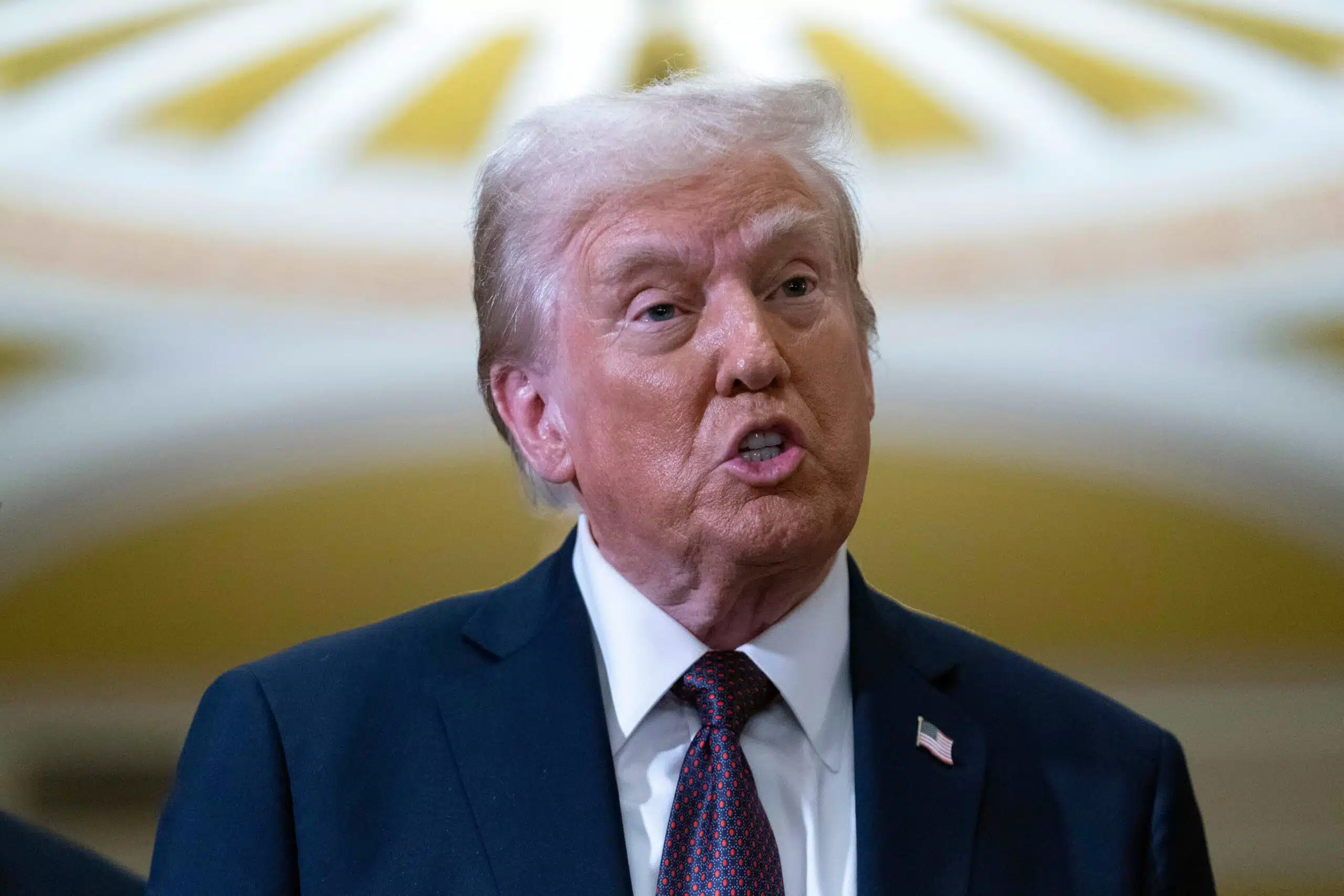


It has been a year since US President Donald Trump abruptly ended Power Africa, an electrification programme aimed at providing renewable energy solutions to Africa’s power crisis.
Regarded as one of the most successful international electricity initiatives, Power Africa focused on supplying electricity to tens of millions of African households.
The initiative was launched in 2013 by former President Barack Obama and was under the auspices of the US relief agency, USAID, which was later scrapped by the now defunct Department of Government Efficiency (DOGE).
USAID, working with Africa focused groups such as AfDB as well as Sustainable Energy for All, used Power Africa to help connect millions of African households to off grid renewable energy supply.
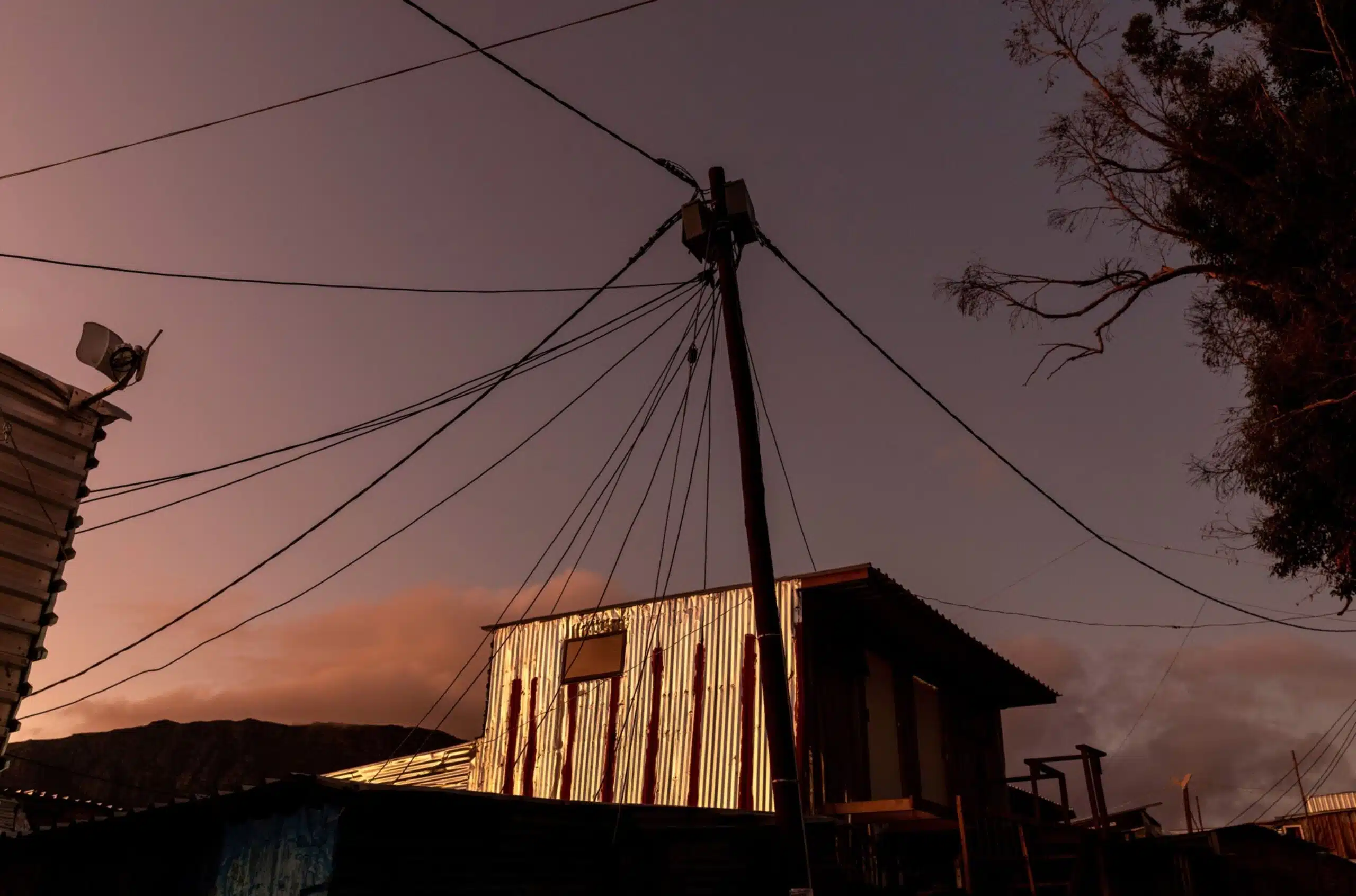
Africa has more than 600 million people living without basic electricity, according to World Bank data. More than half of the global population without access to power comes from the continent.
With seed financing of $1 billion from the Obama led administration, the programme focused on electrifying about 300 million people between 2013 and 2030.
Energy analysts believe the programme was showing strong results before it was ended by Trump in February 2025.
Before it was scrapped last year, the project has contributed about $9.7 billion in funding to electrification projects on the continent.
The Trump administration has been very critical of international financing with its “America First” policy.
The US president also scaled back renewable energy projects, insisting on a “drill, baby drill” approach with renewed focus on oil and gas.
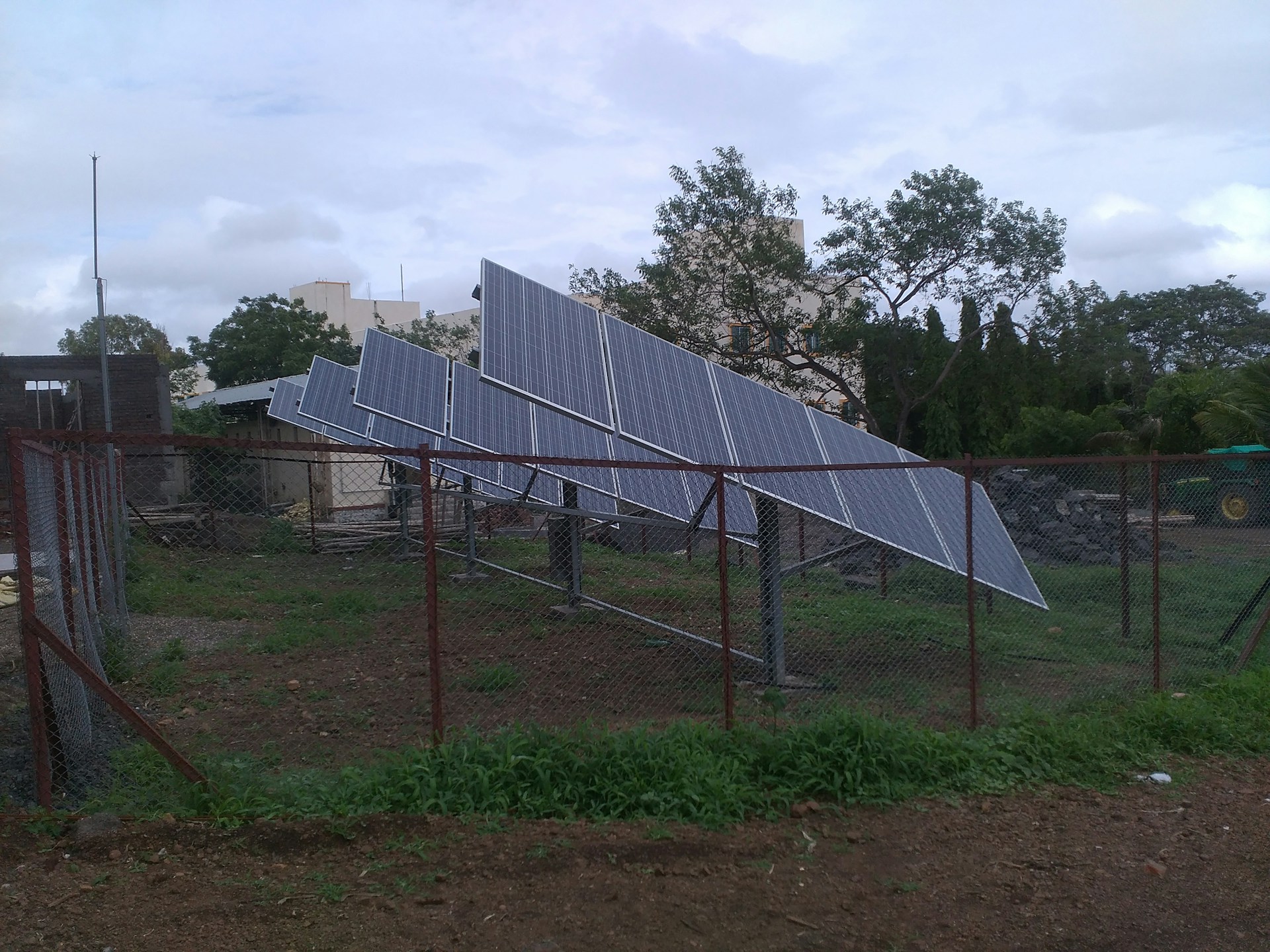
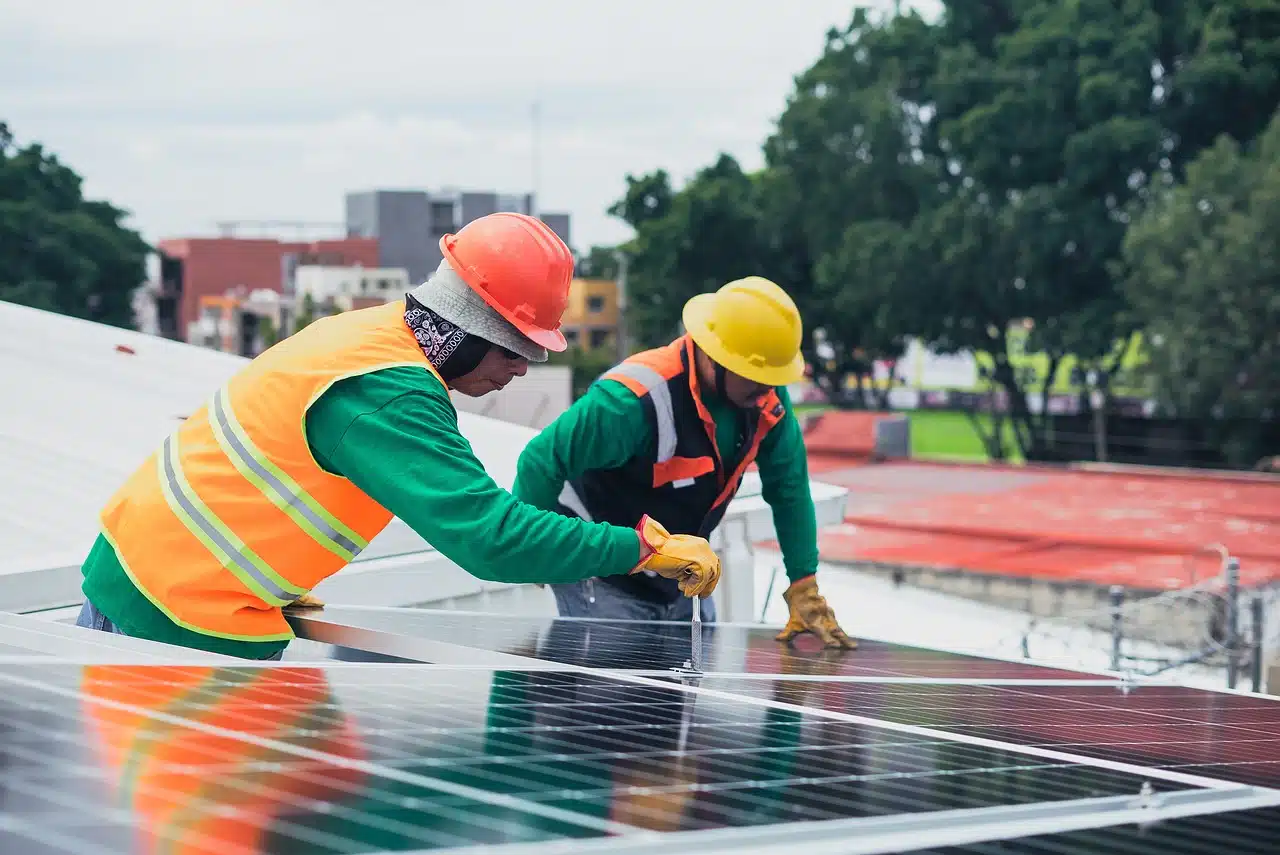
For the continent, however, the end of Power Africa appears to pose no real threat to its renewable energy drive, even as data shows that green transition adoption continues to grow.
According to the Africa Market Outlook for Solar PV 2026 to 2029 report by the Global Solar Council, more than 20 African nations recorded a 5% growth rate in renewable energy adoption on the continent.
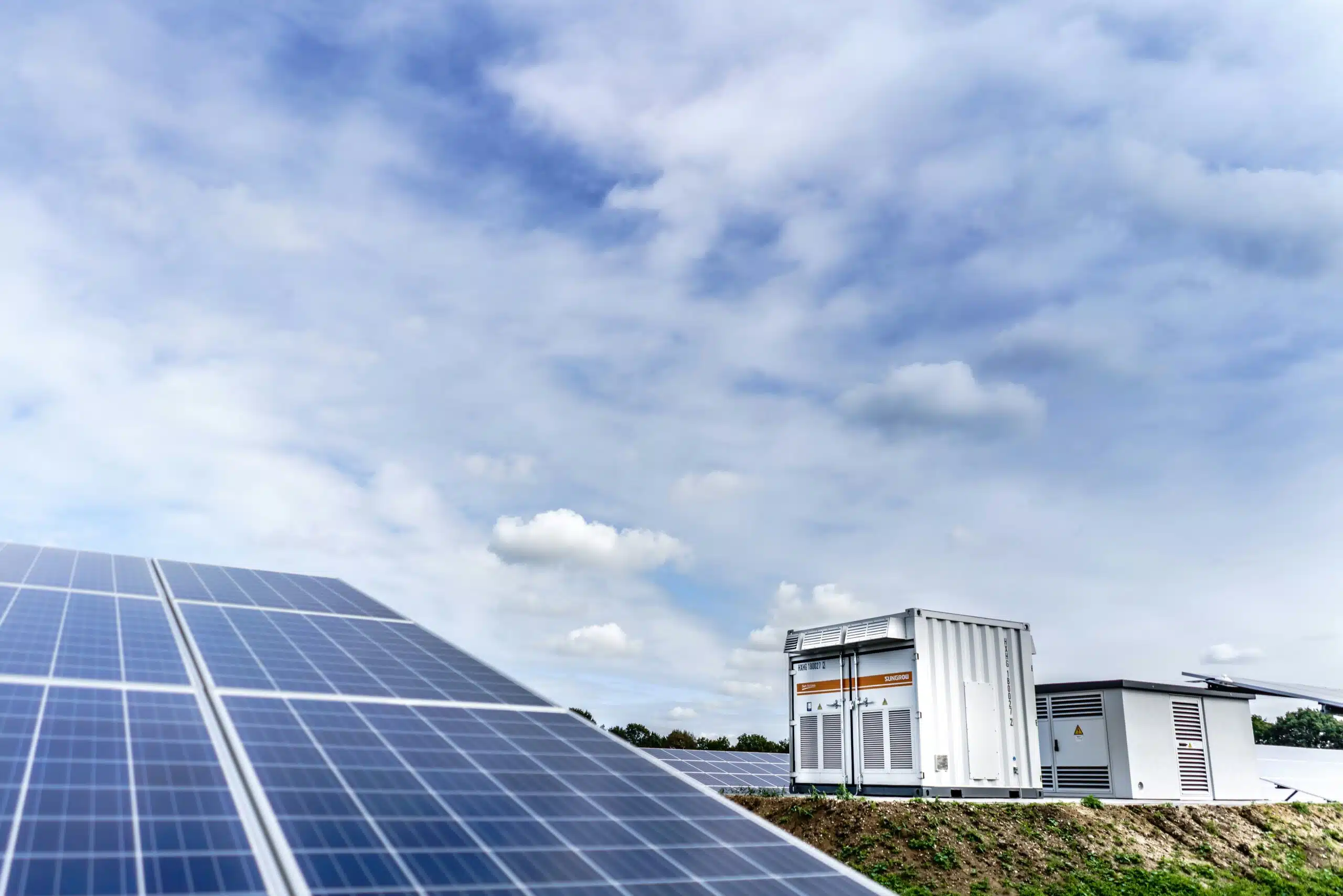
The report also shows that the continent added about 5,000 MW of renewable energy solutions within the same period, representing a 54% annual increase from 2024.
“In 2025, close to 8 countries installed 100 MW or above renewable energy, against 4 last year, essentially doubling the number of countries,” the Global Solar Council said.
The electricity think tank also noted that Africa’s renewable market will continue to accelerate in growth until 2029, with a forecast of 31,500 MW in renewable energy adoption by then.
This upward trajectory contrasts with the withdrawal of over $9.7 billion in financing by the Trump administration through the elimination of Power Africa.
Funding still a big challenge
Moreover, the report shows that funding for solar projects on the continent remains a lingering issue.
While growth is rising, Africa still struggles to raise private capital and ensure bilateral corporate PPAs, among others.
“Sub Saharan Africa, for instance, raised around $8 billion annually for energy projects, far below the $20 billion needed to reach SDG7,” the report acknowledged.
Usually, programmes like Power Africa helped bridge that gap, ensuring sufficient financing for renewable energy projects in the region.
With the elimination of the initiative, most projects in Africa now face funding challenges, leaving public finance, mostly from government budgets, to carry the heavy burden.
Another major challenge identified by the report is financing cost, which is more than 40% higher than the global average for renewable energy projects on the continent.
Other financiers stepping in
Apart from Power Africa, other multinational financial institutions are stepping in to help finance electrification projects on the continent.
According to the Global Solar Council, the World Bank, particularly through its collaborative Mission 300, has played a major role in meeting electricity needs across several African countries.
Mission 300 is a partnership programme between the World Bank, the African Development Bank (AfDB), and other regional bodies aimed at providing renewable electricity supply to 300 million African households by 2030.
The fund has raised over $200 million in global financing. Other partners include the African Union, the Rockefeller Foundation, Global Energy Alliance for People and Planet, as well as various national governments.
In Nigeria, for example, Mission 300 was responsible for a $500 million renewable energy project that helped enable the installation of mini grids across different states.
Other countries where the programme has been effectively implemented include Ethiopia, Chad, Liberia, Sierra Leone, Zambia, and Tanzania.
What the future looks like for Africa’s solar market
Without a doubt, the elimination of Power Africa poses a huge funding gap for electrification access on the continent.
The Global Solar Council noted that private capital and equity remain very low for financing projects across Africa.
However, all is not gloomy for green energy transition on the continent. According to the report, moderate growth is expected to continue despite limited funding.
The 2026 to 2029 outlook indicates that the region will add no less than 20,000 MW of renewable energy within that period.
The report also notes that solar distribution on the continent is moving from a niche market to a more mainstream one.
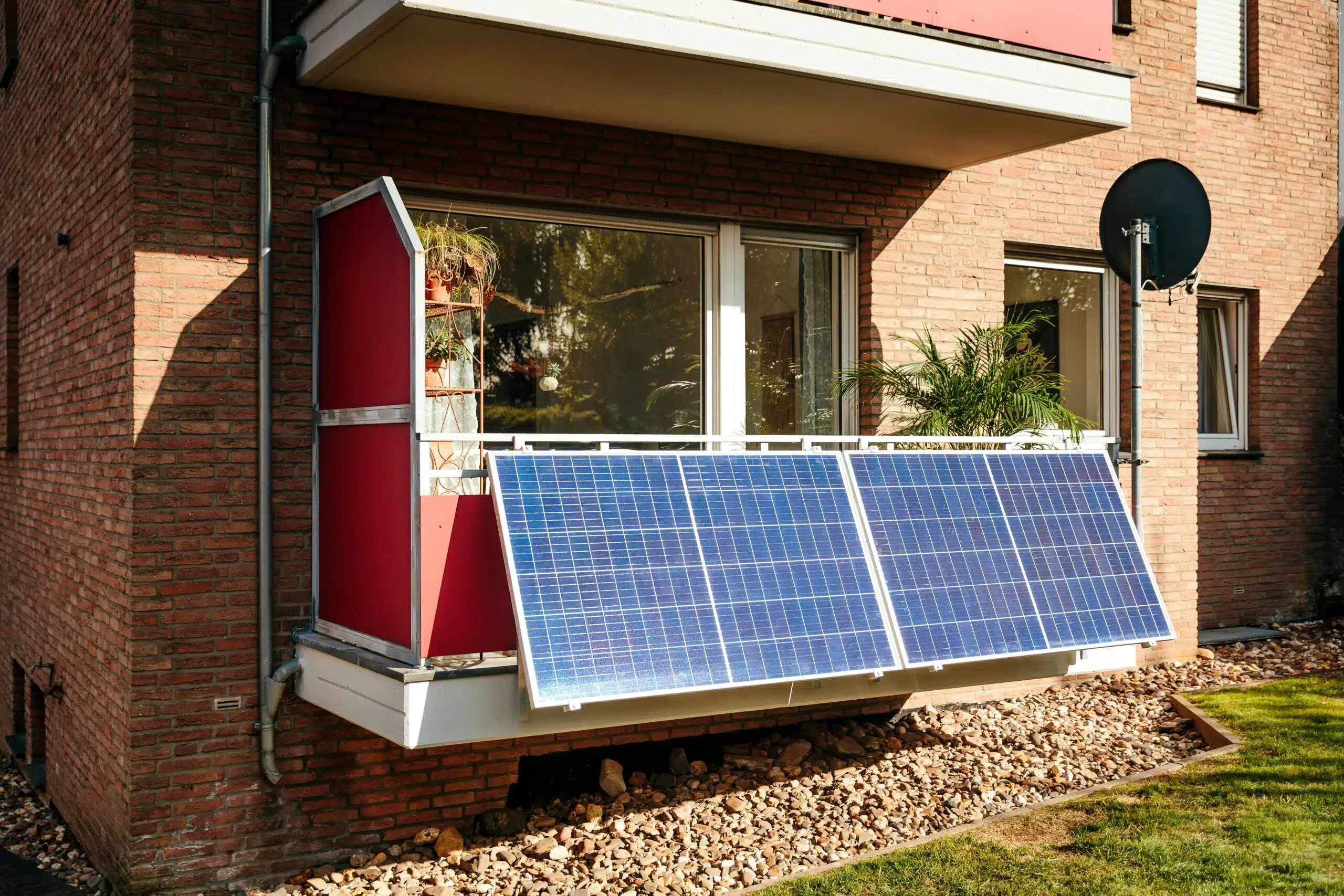
“Rising electricity demand, unreliable grids, and higher tariffs are pushing households and businesses to generate their own power,” the Global Solar Council said.
This shift is also reflected in the increase in solar panel installations across the continent in recent years.
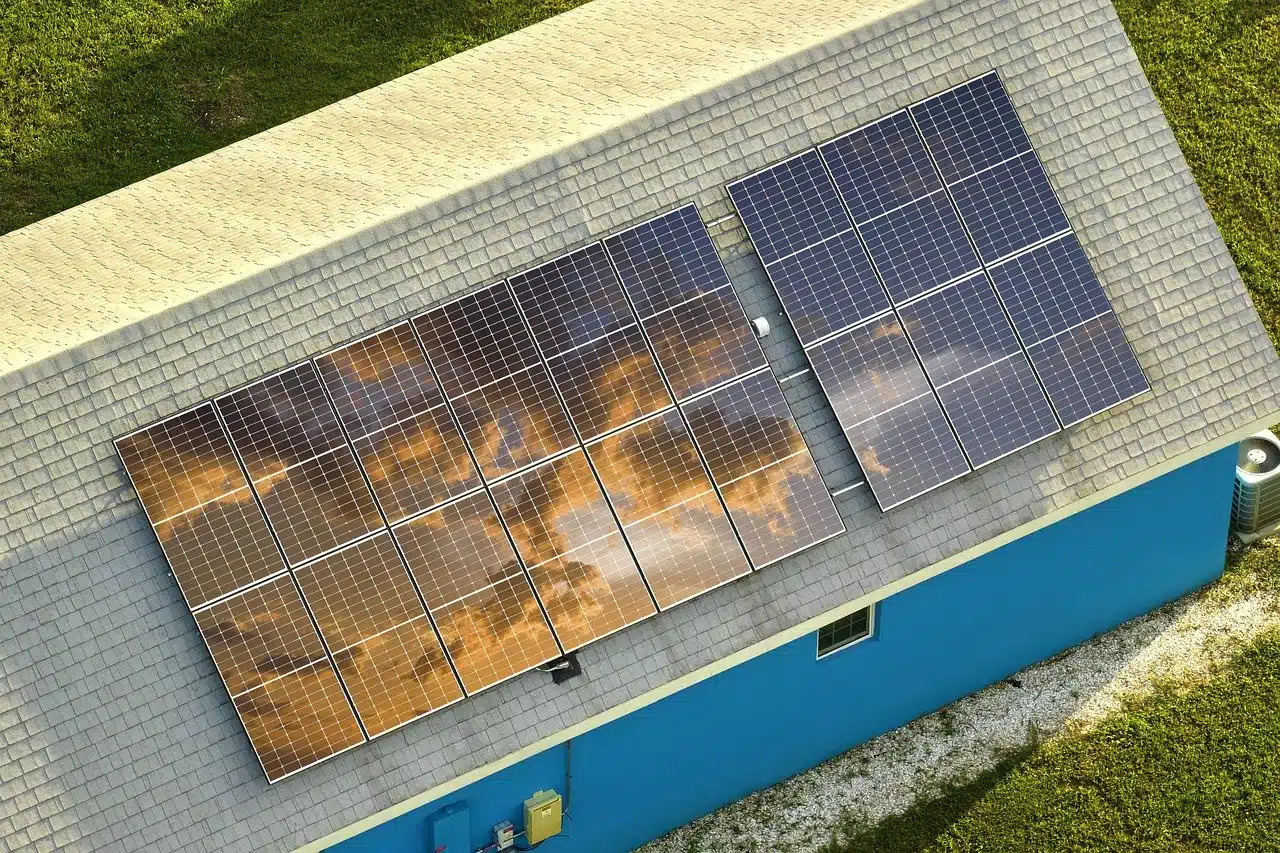
African countries imported a record 15,000 MW of solar panels in the first half of 2025, according to the report, far more than utility scale projects alone can absorb.
“Mini grid and off grid solar are also becoming primary electrification tools for rural and underserved communities, offering the fastest and most affordable pathway to expand access while reducing reliance on costly diesel generators,” it added.
In short, the future of solar energy on the continent, despite limited international funding, indicates cautious optimism, buoyed by private capital, internal investment, and the ever-increasing demand for off-grid energy solutions on the continent.