


Across Africa’s energy landscape, solar power is emerging as a structural response to the chronic energy shortages, and it is changing the face of electricity access in both urban and rural areas. However, the growth of the solar market in Africa is taking place against a paradox.
According to the Global Solar Council, a UK based energy think-tank, Africa possesses about 60% of the global best solar resources, yet solar photovoltaics contribute only about 3% to electricity production.
However, the past ten years have seen a shift in this disparity, as demographic changes, economic development, and infrastructure challenges have created a demand environment that is ideally suited for the development and implementation of solar technologies.
Solar technologies are now being developed in various market segments, making it one of the fastest-growing sources of energy in Africa.
The growth of solar energy is happening at the same time in different economic groups, market types, and levels of electrification, creating a multi-level adoption dynamic that integrates government-led infrastructure development, investment, and home energy solutions.
This trend reshapes the whole concept of electricity production, investment, and use on the continent.
Rapid solar adoption in Africa
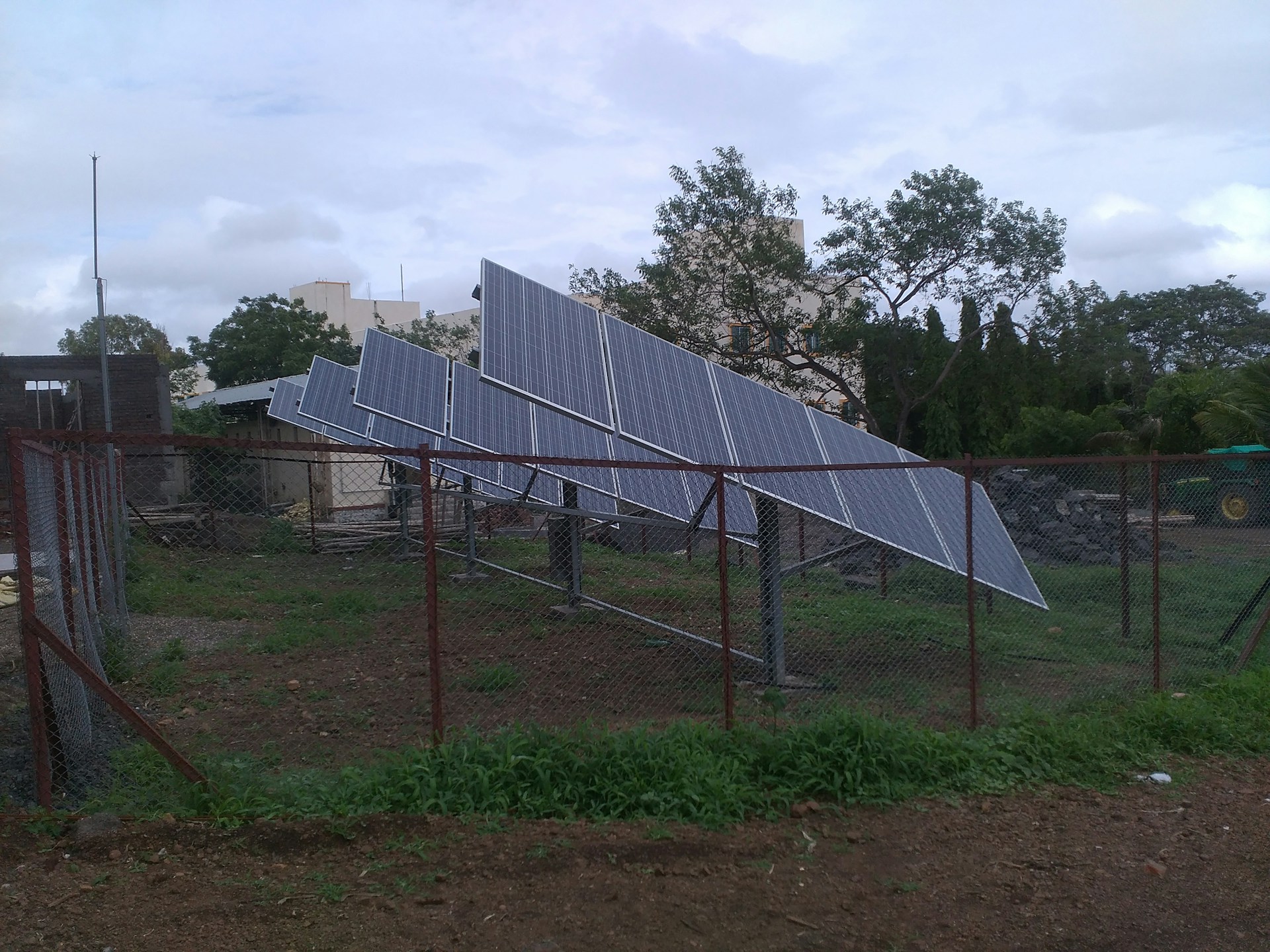
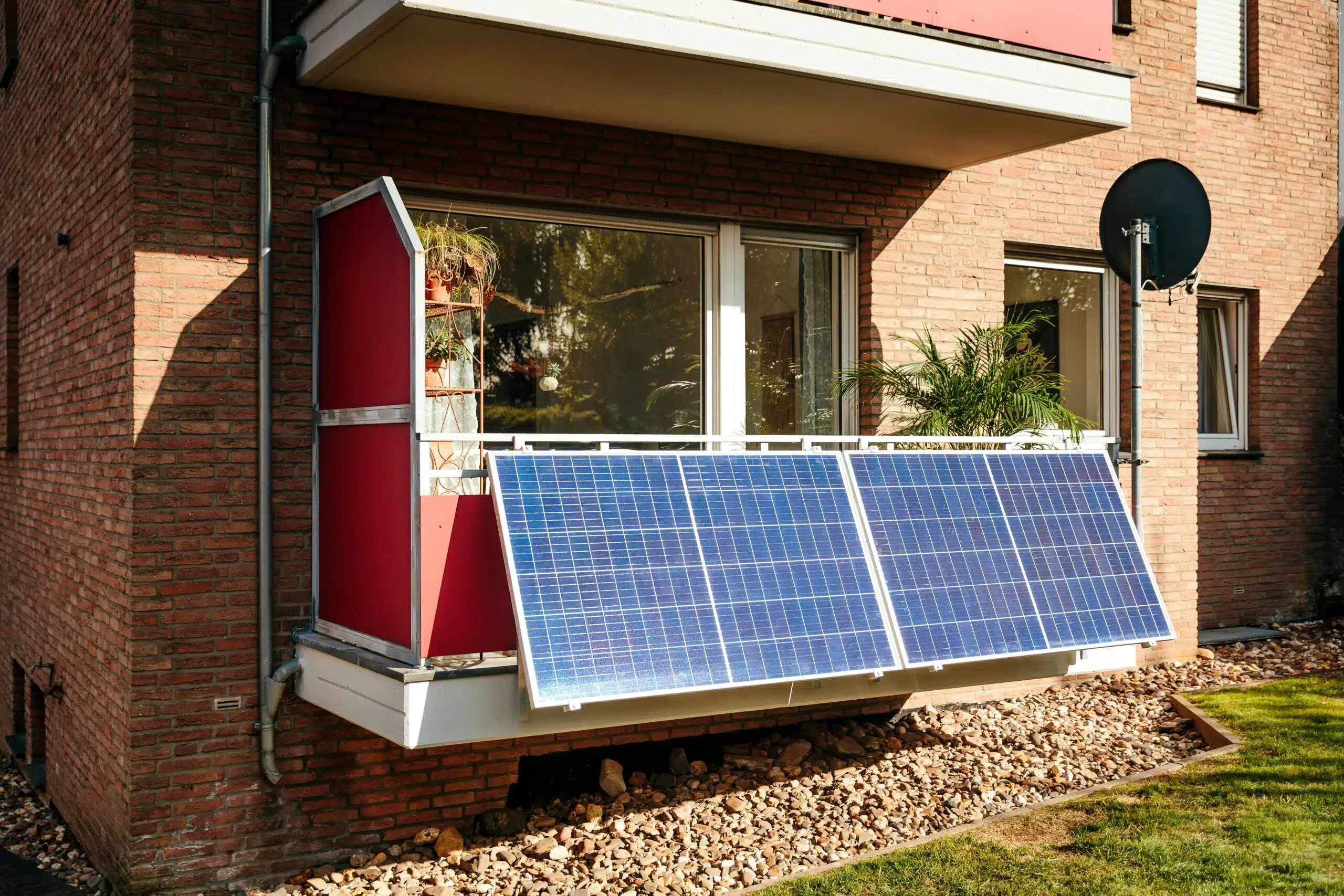
In Africa, solar adoption is taking shape in a mix of high-profile mega-projects and decentralized projects.
In Egypt, the Benban Solar Park is one of the world’s largest photovoltaic solar power stations. With a total installed capacity of 1,650 MW and an annual electricity production of 3.8 TWh, the project has shown that Africa has the ability to attract foreign solar investment at a mega scale.
The Moroccan solar plans have also been rooted in the Noor Ouarzazate Solar Complex. Noor Ouarzazate is one of the largest CSP projects globally, and it shows the ambitions of the Moroccan government to develop their renewable energy projects while incorporating innovative hybrid concepts. The project incorporates CSP technology and an auxiliary diesel power plant.
In South Africa, the constant load shedding has triggered an unprecedented rise in the number of private solar installations.
The South African Renewable Energy Independent Power Producer Procurement Programme has led the way in the development of a number of solar projects since 2011, with the involvement of companies such as Enel Green Power and Scatec.
On its part, West Africa is experiencing a different solar path.
The decentralised solar network in Nigeria has grown through mini-grid investments by companies such as Husk Power Systems and Arnergy, as well as commercial solar projects focused on SME and telecom infrastructure.
The growth of distributed solar in East Africa has been largely influenced by the pay-as-you-go innovators. Companies such as M-KOPA and d.light have managed to connect millions of households in Kenya, Uganda, and Tanzania since the mid-2010s.
These diverse deployment routes make it clear that the solar dawn in Africa is being constructed in parallel through infrastructure megaprojects and smaller installations that are collectively transforming energy access.
What is driving the growth?
The solar rush in Africa is a result of the interplay of a number of structural forces rather than a single event or innovation. The reduction in costs, the growth in electricity demand, and the issues with the reliability of power supply are all driving a change in energy investment choices.
1. Affordability and cost competitiveness
The cost dynamics of Solar has transformed its competitiveness relative to conventional energy sources. The fall in the cost of photovoltaic modules and the economics of battery storage have made the life-cycle cost of solar power more attractive in various African countries.
For commercial users who previously relied on diesel generators, solar systems are now increasingly providing cost savings in addition to environmental benefits. This is in addition to flexible financing options that have made solar systems more accessible to households and small businesses.
Abisola Adeleke, a Nigerian health and energy sustainability researcher, told Energy in Africa that solar’s economic accessibility intersects with broader sustainability-driven business transformation.
“Solar is scaling faster in many African markets because it aligns closely with sustainable business transformation principles and triple-layered business model thinking, delivering economic value, environmental benefit, and social impact at the same time,” Adeleke told Energy in Africa.
Its decentralised architecture reduces capital intensity while enabling rapid deployment, making solar particularly compatible with SME-driven economic environments.
2. Growing electricity demand
The electricity demand in Africa is growing at a very fast rate due to the changes in economic activities brought about by urbanization, industrialization, and the digital revolution. However, the growth in the capacity to generate electricity has sometimes failed to keep pace with the growth in demand.
The magnitude of the unserved demand is still large. According to the International Energy Agency, nearly 600 million Africans have no access to electricity, and many of those who do have access experience unreliable supplies.
Solar energy is gradually filling this gap in demand, with incremental capacity additions complementing the expansion of the power grid.
Commercial consumers in industries such as manufacturing and telecommunication are turning to solar energy to support operational continuity, thus showing how demand-side factors are driving the adoption of technology.
3. Grid unreliability and energy security issues
Grid instability has been identified as one of the most influential drivers of solar energy adoption. In a number of African economies, transmission network limitations, capacity shortages, and old infrastructure have led to frequent power outages that have economic implications for both businesses and consumers.
Solar systems, especially when combined with battery storage, provide a reliability hedge. Companies wanting to reduce the risk of losses due to outages are investing in on-site power generation, while residential consumers are turning to solar energy to ensure access to basic energy services like lighting, cooling, and connectivity.
The shift in the focus of solar energy from being a climate change mitigation tool to a reliability solution is thus driving the adoption of solar energy and changing the investment priorities in the energy sector.
Policy momentum propelling solar acceleration in Africa
Policy structures in Africa are also increasingly influencing the solar adoption trend, with fiscal support, electrification initiatives, and policy reforms being leveraged to propel the adoption.
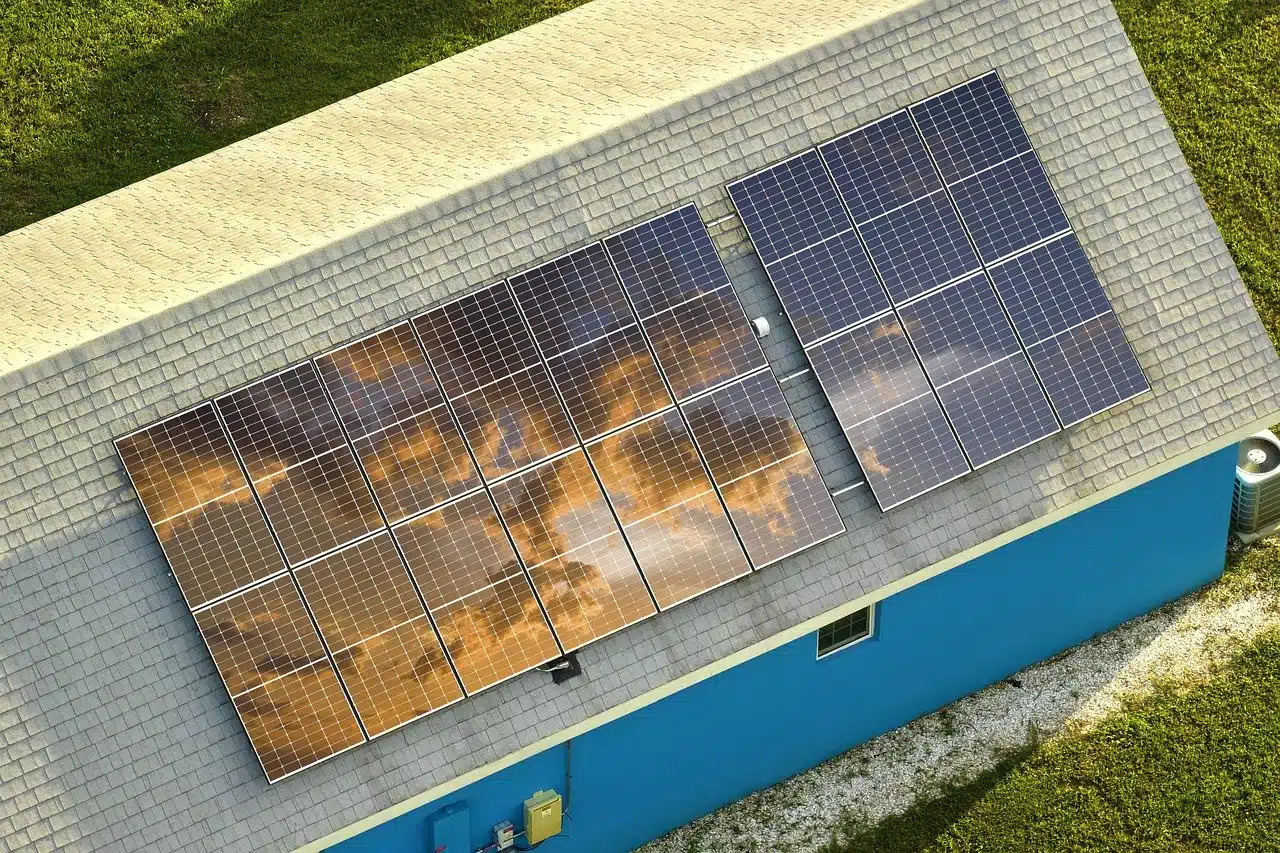
In South Africa, measures under the South African Revenue Service, including tax rebates covering 25% of solar panel costs and accelerated depreciation allowances for businesses, have significantly boosted rooftop installations while enabling surplus power to be fed into the grid through emerging net-billing systems.
Kenya has also made significant progress in the adoption of solar energy, as the government offers exemptions and waivers on value-added tax (VAT) on solar energy products such as panels, inverters, and specialized lithium-ion batteries.
In other countries, the pace is being set through energy transition strategies and electrification programs.
The “Nigeria First Policy,” promotes local assembly of solar panels in a bid to increase local production and cut down on imports. The project, supported by the Rural Electrification Agency (REA), offers tax incentives, and other benefits in a bid to see Nigeria transition from importing solar panels to assembling them in the country.
Collectively, these examples of policy illustrate an increasing synergy between planning, fiscal incentives, and electrification agendas, and that regulatory frameworks are increasingly a key facilitator of the rapidly expanding solar market in Africa.
Growth beating forecasts continuously
The growth of solar in Africa has consistently beaten forecasts, and this is based on the level of decentralization as well as the dynamics of the market that are not captured by traditional energy planning models.
Although utility-scale projects are still the visible signs of growth in capacity, the number of solar installations in the domestic, SME, and mini-grid sectors is fueling a second wave of growth that is not easy to measure.
This trend is further supported by data from the World Bank, which shows that off-grid solar is on track to become the most economical solution for electricity access for about 41% of the world’s population that currently lacks access by 2030.
This is already a reality in the sub-Saharan Africa region, where off-grid solar has contributed about 55% of new electricity connections between 2020 and 2022, thus reflecting the growing importance of off-grid solar in bridging the access gap in a region that is home to over 80% of the world’s unelectrified population.
Such factors also contribute to the continued outpacing of solar growth expectations. The cost reductions, digital financing innovation, and the collective effect of millions of small-scale projects are contributing to growth rates that continue to beat previous forecasts, thereby reaffirming the role of solar as a key driver of the energy transition in Africa.
Solar eclipsing other renewable energy adoption
The deployment time of solar energy can be contrasted with the longer development times of hydropower and wind energy projects in Africa. The resource requirements, environmental factors, and complexities of project financing can lead to longer development times for other forms of renewable energy.
The modularity and flexibility of solar energy, along with its shorter development times, have given it a competitive advantage that has made it the most deployable form of renewable energy in Africa in the short term.
But the increasing adoption of solar energy is now happening in the context of hybrid energy plans that involve the use of multiple forms of renewable energy. Instead of competing with other forms of energy, solar energy is now complementing them.
Development and socio-economic effects
Solar adoption is creating effects that are not limited to energy but are also being felt in terms of development. Decentralized electricity can have an effect on the delivery of healthcare, education, and internet connectivity, especially for those who are using kerosene or diesel-based energy sources.
Adeleke highlighted that with the availability of solar-powered electricity, the healthcare system can be supported through the provision of constant lighting for medical operations and the use of refrigeration for vaccines and temperature-sensitive drugs.
Economic productivity effects are also being realized. Small businesses that have access to solar-powered lighting and equipment can now have extended operating hours, access to digital tools, and increased engagement with the local economy, leading to increased income stability and development of the community.
“These effects can contribute to greater independence and development benefits through enhanced access to services and opportunities,” Adeleke said.
Governance, land use, and infrastructure issues
However, despite the positive growth dynamics, solar energy development is currently facing governance and infrastructure issues that may affect its scalability in the long term. Solar energy development, especially on a large scale, requires significant land, which raises issues regarding the acquisition process and zoning laws.
Isaac Opolot, a Ugandan expert in land governance and environmental issues, emphasized that access to land and regulatory frameworks are important factors that determine the viability of projects.
It is essential to ensure that land acquisition processes are fair and that there are no conflicts with local communities, which is an important aspect of sustainable solar energy development.
“Clear zoning regulations are needed to balance solar development with environmental and agricultural priorities, while grid access remains essential for transmitting generated electricity to demand centres,” Opolot told Energy in Africa.
According to Opolot, these issues can be addressed through joint policy and planning efforts that take into account the views of local stakeholders.
Emerging risks in a fast-growing market
The rapid growth of solar energy also brings about new risks that need to be managed. Some of these risks include challenges in quality assurance, lack of capacity in maintaining the systems, and a fragmented supply chain that may affect the performance of the systems.
According to Adeleke, unequal access may worsen energy inequality if the technology continues to be deployed in commercially viable markets. Battery and solar panel waste management is also becoming a sustainability issue as solar energy continues to grow in penetration.
Another strategic challenge emerging in the solar energy sector is the integration of decentralised solar energy into national energy planning frameworks.
As the capacity for decentralised solar energy increases, there is a need to balance system stability, revenue for the utilities, and grid infrastructure development.
A transition reshaping the future of energy in Africa
The solar surge in Africa is part of a broader shift in the architecture of energy systems driven by necessity, innovation, and opportunity.
The simultaneous alignment of affordability, demand drivers, reliability concerns, and financing creativity has led to a conducive environment for the rapid scaling of solar in various market segments.
Although issues of governance, infrastructure, and equity remain, the solar sector’s resilience makes it uniquely positioned in the African energy sector. Its growth indicates a transition towards a decentralized and flexible energy system that is capable of complementing traditional infrastructure while increasing access and resilience.
The unexpected rise of the Africa solar market is more than a sectorial story. It indicates a structural shift in the way electricity is generated, transmitted, and consumed in Africa, and its implications will continue to emerge as the future of energy in Africa takes shape.