


Kenya Pipeline Company has raised more than $824.6 million in its initial public offering, surpassing its fundraising target after the share sale attracted strong investor demand.
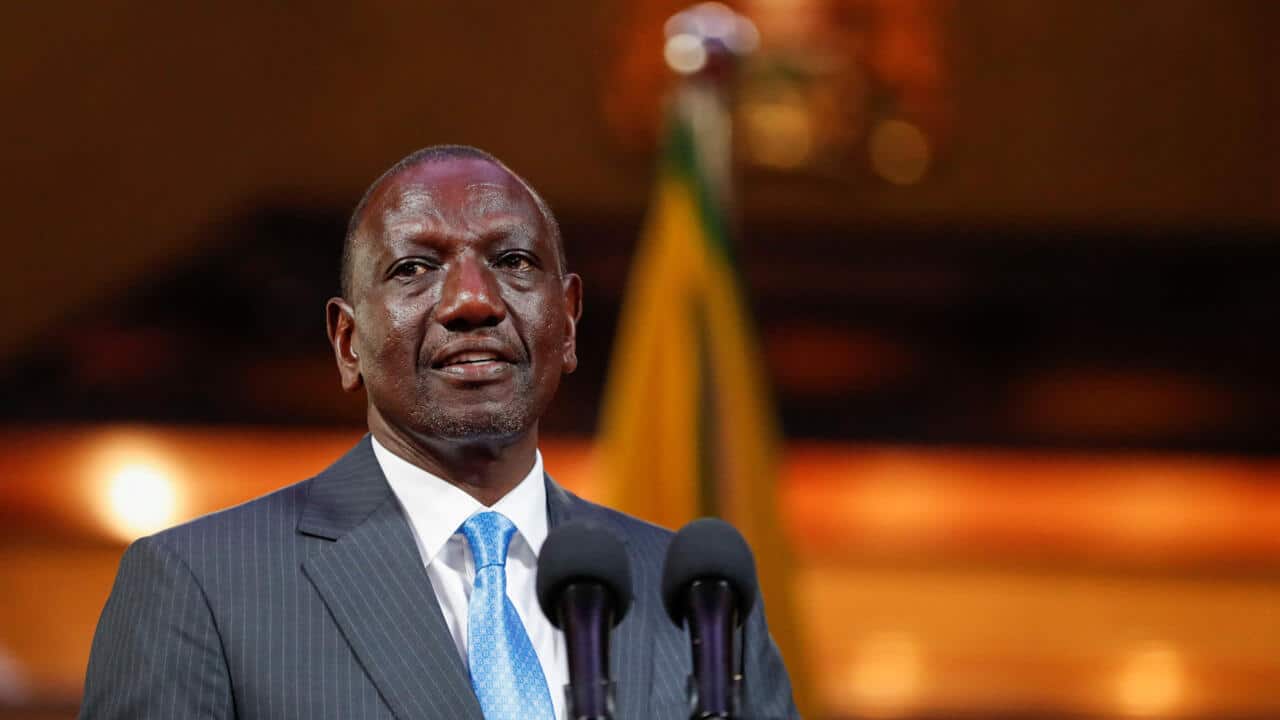
On Wednesday, Finance Minister John Mbadi said the initial public offering of Kenya Pipeline Company recorded a 105.7% subscription rate, exceeding the shares placed on the market.
The government had offered a 65% stake in the company to raise 106.3 billion Kenya shillings ($824.67 million) as part of plans to open up ownership of the energy infrastructure firm. Proceeds from the sale are expected to support fiscal needs while broadening ownership of one of the country’s strategic assets.
The offer is regarded as the region’s first large scale share sale since Safaricom raised more cash in dollar terms during its share sale in 2008. That transaction remains one of East Africa’s most widely held public offerings.
Kenya Pipeline’s shares admitted under the IPO will begin trading on the Nairobi Securities Exchange. The listing is expected to expand the exchange’s energy and infrastructure segment.
How shares will be allocated
The IPO had faced questions during the offer period after some banks issued lower valuation estimates. In addition, the subscription window was extended amid local media reports that investors were cautious.
However, final demand exceeded the total shares available, resulting in a subscription rate above 100%. Despite the additional demand, Mbadi said the state would only take what it had initially targeted.
“Kenyan individual and institutional investors will get 67.32% of offered shares from the sale,” Mbadi said. He added that the government would not increase the size of the offer beyond the planned 106.3 billion Kenya shillings ($824.67).
The decision to cap the offer means excess applications may be scaled back. It also keeps the state’s divestment plan within its original framework.
Why the sale matters for Kenya’s energy sector
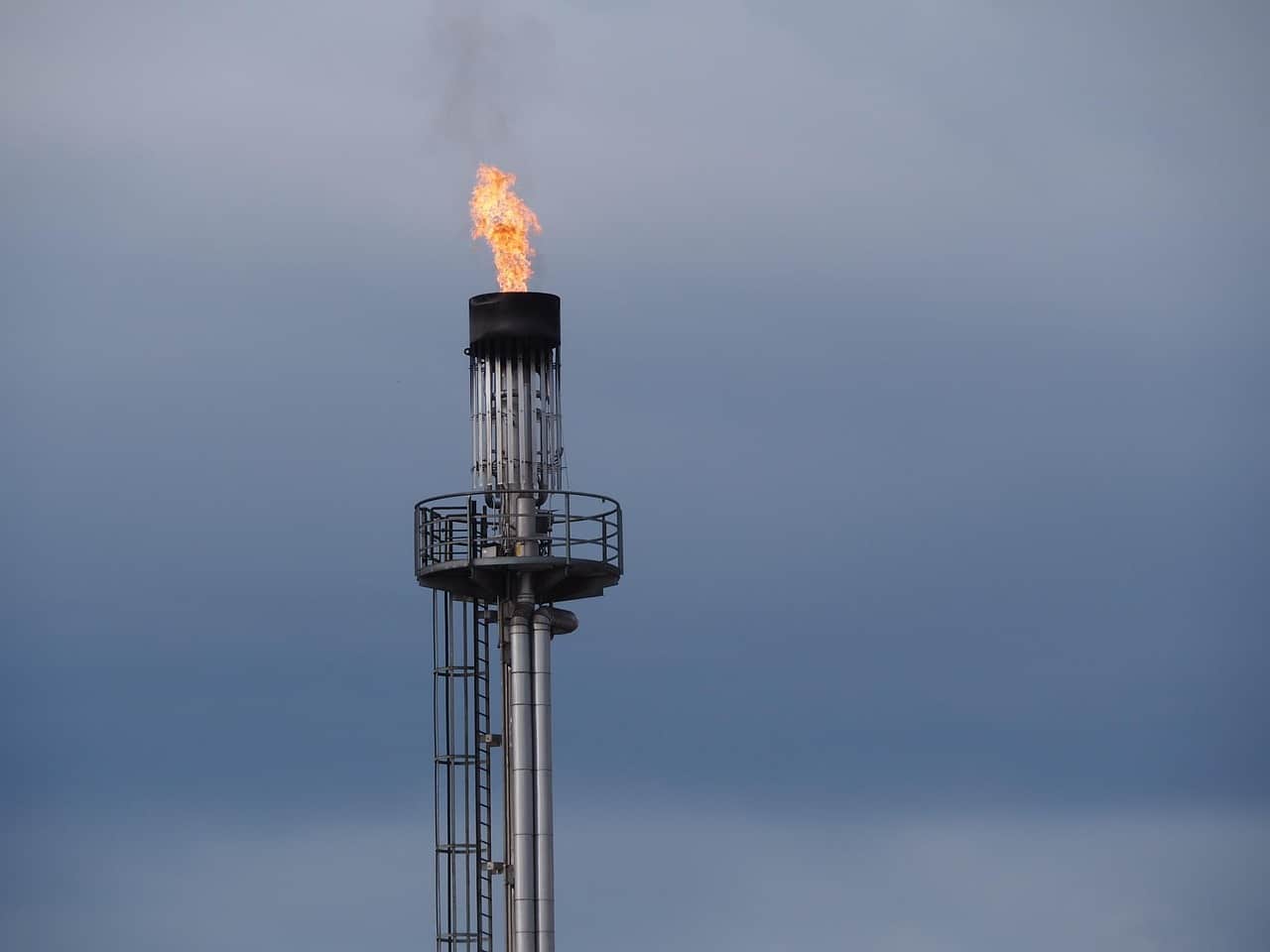
Kenya Pipeline Company operates the country’s refined fuel transport network, moving petroleum products from the port to inland depots. The company plays a central role in maintaining fuel supply and price stability.
Opening the firm to public ownership is expected to strengthen corporate governance and introduce broader market scrutiny. It also allows citizens and pension funds to gain direct exposure to energy infrastructure returns.
The IPO comes at a time when governments across Africa are seeking alternative financing sources beyond external borrowing. By selling part of a revenue generating state asset, Kenya aims to mobilise domestic capital while retaining a strategic stake.
Meanwhile, the listing adds depth to the Nairobi bourse, which has seen limited large scale public offers in recent years. Increased activity on the exchange may support liquidity and attract regional investors.
In short, the oversubscription indicates investor appetite despite earlier concerns about pricing and timing. The government’s choice to hold the offer size steady signals a measured approach to privatisation.