


For decades, Nigeria’s electricity sector has faced crisis as a result of insufficient generation and infrastructure uncertainty. It is the most populous country in Africa, but it produces significantly less electricity than its economic potential demands.
Businesses depend on diesel-powered generators as a source of power, while residents experience power outages frequently. The cost of unreliable power continues to weigh on economic productivity.
With a population of more than 200 million people, Nigeria’s electricity demand has long since surpassed supply. While the country has an installed electricity generation capacity of about 13,000-14,000 megawatts, average daily power generation ranges between 4,500 and 5,000 megawatts.
This disparity between supply and demand is arguably the most visible sign of Nigeria’s electricity crisis.
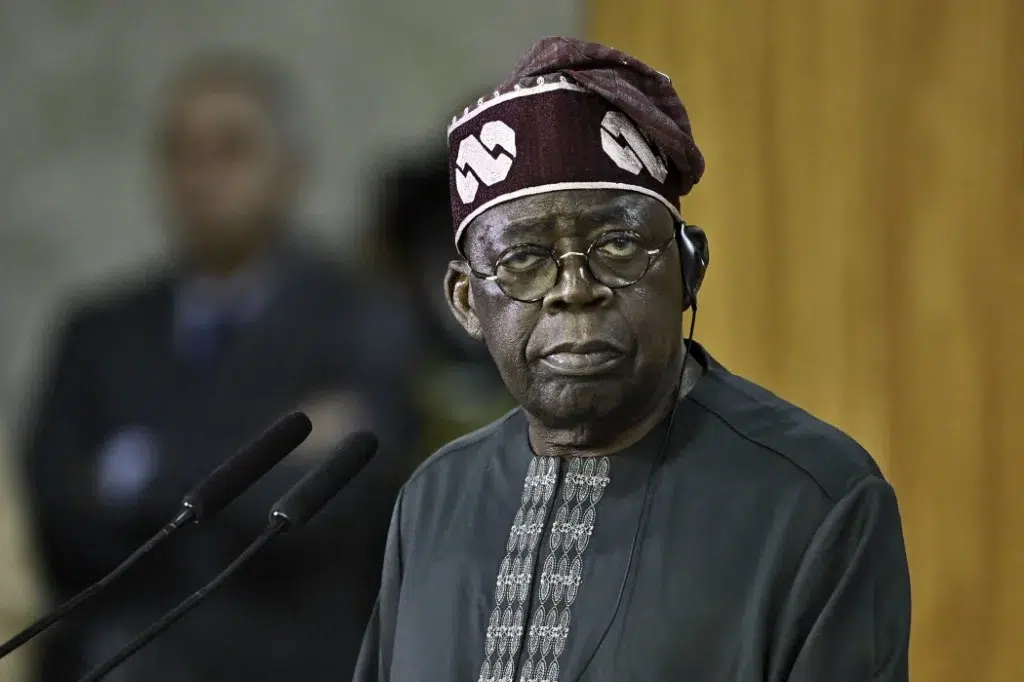
When President Bola Ahmed Tinubu enacted the Electricity Act 2023 into law on June 8, 2023, the reform was hailed as a major milestone. The law overhauled the old Electric Power Sector Reform Act 2005 and pledged to transform the governance of Nigeria’s electricity market.
But three years on, the reality on the ground raises a difficult question: if the law was designed to transform the market, then why are blackouts still dominating daily life?
Two decades of reform, limited progress
Nigeria’s power problems are not new, and they did not start with the Electricity Act 2023.
About two decades ago, the Electric Power Sector Reform Act was enacted to break the monopoly of the National Electric Power Authority, which was a state-owned utility company. It was replaced by the Power Holding Company of Nigeria, which later became the generation companies, the distribution companies, and the Transmission Company of Nigeria.
Nigeria has witnessed a series of reforms within the energy sector. This includes the National Electric Power Policy of 2001, privatisation of the generation and distribution companies in 2013, the Meter Asset Provider Scheme of 2018, the Service-Based Tariff Regime of 2020, and the latest one, the Electricity Act of 2023.
The introduction of the Electricity Act 2023 represents the latest iteration, with a clear objective of building on existing policy initiatives and increasing state government and private sector investor engagement in Nigeria’s electricity sector.
However, despite these structural reforms, the sector is still plagued by inefficiency. The supply of electricity is not reliable, and the amount of power available on the grid is far below what the system demands.
According to the World Bank, the lack of a stable electricity supply costs Nigeria’s economy an estimated $26.2 billion (₦36 trillion) which is equivalent to about 2 percent of GDP. This has forced many businesses to use costly diesel generators to keep their businesses running, raising production costs across the economy.
“Electricity is one of the most critical constraints to economic growth in Nigeria,” Adedayo Adedeji, a power sector analyst, told Energy in Africa. “If businesses can’t depend on the grid, they have to generate their own electricity at a much higher cost.”
Adedeji added that if the promise of reliable power for the majority of Nigerians is to be realised, the ambitions of policy need to be matched by the realities of infrastructure, investment, and governance.
What the Electricity Act promised
The Electricity Act 2023 was designed to address some of the challenges that have continued to plague Nigeria’s power sector over the years. One of the Act’s most significant features is decentralisation. For the first time, Nigerian states were granted the authority to regulate and develop electricity markets within their territories.
In practice, this allows state governments to establish local electricity markets, issue licences for generation and distribution projects, and create conditions to attract independent power producers. By opening up space for state-level initiatives, the Act aims to complement the national grid and increase the sector’s overall capacity.
“The Electricity Act introduces reforms, but it does not solve the fundamental problems of electricity,” Olusegun Ajayi, a power systems expert, told Energy in Africa. “Without substantial upgrades to transmission and distribution, and clear mechanisms to ensure consistent electricity flow, many Nigerians will continue to experience frequent outages despite the legislation.”
Beyond decentralisation, the Act aims to modernise the entire electricity sector. It introduces new provisions in the area of renewable energy development, promotes healthy competition in the electricity sector, and clarifies regulatory oversight. All these are aimed at making the market more efficient and investor-friendly in order to ensure long-term growth in this sector.
According to experts, the Electricity Act provides a legal and institutional framework for change. However, the effective implementation of the provisions of the Act will demand sustained efforts. This will include coordination at all levels of government.
The persistent power deficit
Almost three years after the Electricity Act came into force, Nigeria’s electricity supply still remains unstable. The country is struggling with an ongoing power deficit as more than 86 million Nigerians are without access to electricity, the highest level of energy access deficits in the world.
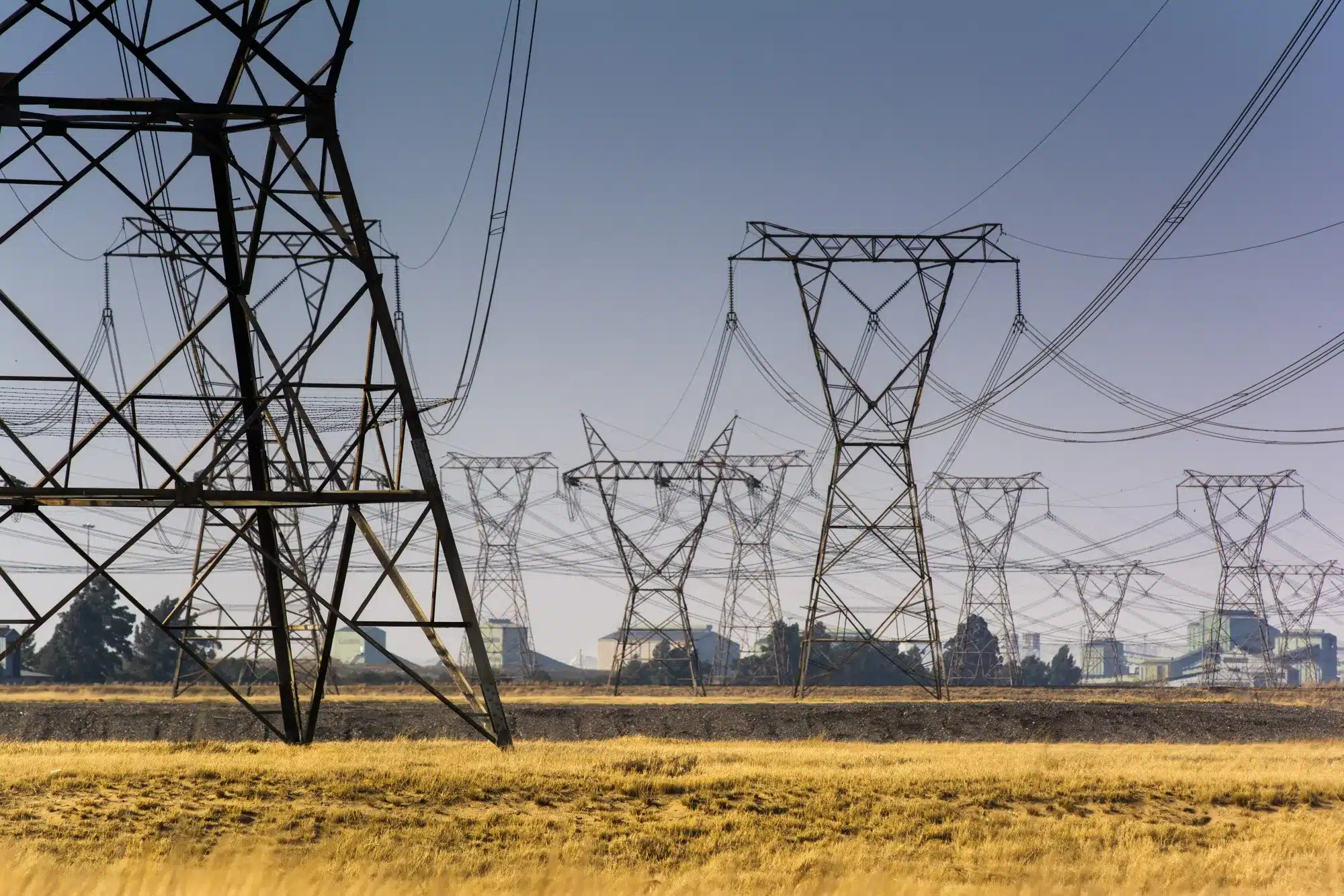
The country’s grid is unstable and prone to system collapse. On 27th January 2026, Nigeria suffered a collapse of the national grid twice in four days. This was the third time the grid has collapsed in less than a month following the collapse on 29th December 2025 and 23rd January 2026.
The instability of the grid is nothing new. In fact, between 2010 and 2022, the country recorded at least 222 incidents of total or partial collapse of the national grid. Between 2024 and 2025, the incidents were recorded at least 12 times. Looking into the past, between 2000 and 2022, the national grid is estimated to have collapsed at least 564 times.
This situation is made worse by the fact that technical losses occur on a daily basis to the tune of between 1,200 MW to 1,300 MW of electricity, which can power the entire city of Lagos without any form of load shedding.
“The rate of grid collapses underscores the point that legislative interventions like the Electricity Act are not the answer,” Helen Uche, an energy systems analyst, told Energy in Africa. “Unless urgent investment is made, millions of Nigerians will have to contend with an unreliable electricity supply, regardless of policy promises.”
This continued power deficit demonstrates that while policy gives direction for the future, the actual supply of electricity depends on the effectiveness of the infrastructure, and the level of technical investment.
Until all the aforementioned problems are resolved, the power problems in Nigeria are bound to persist, leaving both households and the economy susceptible to power outages.
Implementation remains slow
Although the Electricity Act 2023 introduced a new legal and institutional framework for the power sector, the actual development of the sector based on the provisions of the act has been slow.
It is argued that for the sector to develop, it is not just the legislation that is required, but also the introduction of regulatory reforms, the development of new institutions, and investment.
Several Nigerian states have started to explore the opportunities created by the law. Some are developing regulations for the electricity market, while others are assessing how to develop their own local power generation projects. However, the development of viable state-level electricity markets is a complex process.
It demands regulatory capacity, financial resources, and careful coordination with the national grid. Many states remain in the early stages of designing their frameworks, meaning operationalisation is likely to take considerable time.
According to experts, until these systems mature, the national grid will continue to be the backbone of the country’s electricity supply, and the majority of the population will continue to feel the effects of the power deficit.
Understanding Nigeria’s electricity debt
The power deficits persist, and the implementation of the reforms is being undertaken at a slow pace. This is compounded by the fact that Nigeria’s power sector has been suffering from a debt crisis. Trillions of naira are owed to the generation companies, the gas suppliers, and the Nigerian Bulk Electricity Trading Company.
Without timely payments, the generators would be unable to service the plants, fuel supplies would be disrupted, and the grid’s reliability would be compromised, thereby worsening power deficits.
In response, the federal government has introduced a $2.6 billion (roughly N4 trillion) debt restructuring and refinancing plan to address the debts. President Tinubu revealed that this bond will stabilise the country’s national grids. Addressing sector debts appears sensible, as liquidity constraints across the value chain continue to affect the output of the generators and the reliability of the electricity supply.
Kola Adesina, Group Managing Director of Sahara Power Group, highlighted the importance of resolving legacy debts for sector confidence.
“Capital formation can only come when there is confidence, when you can truly see a line of sight in recovering investments previously made. Because we were owed so much, it was a bit of a problem for us to put in more money,” Adesina said.
He further explained that settling these arrears would speed up the progress of ongoing projects, including the second phase of the Egbin Power Plant, which is set to commence as soon as the process is over.
Apart from financial challenges, transmission capacity is also one of the major challenges facing the energy sector. Expanding the national grid requires huge investment.
However, without improvements in transmission infrastructure, increases in generation capacity may not translate to improvements in the supply of electricity. In order to solve the problem of the electricity crisis, there is a need to invest more in the electricity sector, especially in transmission and distribution infrastructure.
A reform still in progress
Two years after its passage, the Electricity Act 2023 should perhaps be viewed less as a solution, more as a framework for continuing reform. Laws can provide the framework for reform, but the results cannot be assured without sustained implementation, investment, and operational discipline.
Nigeria’s electricity sector is still adjusting to the shift from a centralised to a more decentralised system. However, the success of that transition will depend on the rate at which the sector’s infrastructure is improved and how confidently investors engage with the sector.
For millions of Nigerians who face the challenge of power outage every day, the situation is critical. Reliable electricity supply is not only a matter of convenience, it is a necessity since it is a major contributor to economic and social development.
Every collapse of the national grid, every technical loss, and every delayed project is a reminder of the compelling need to bring change. The Electricity Act was designed to move the country closer to this goal.
Whether the Act will succeed in its promise will depend on how well Nigeria is able to address these deficiencies in the power system and translate years of policy into tangible change for the people and the economy.