


For years, Nigerians have watched petrol importers dominate the downstream market, dictating prices and supply while local refining struggled to catch up.
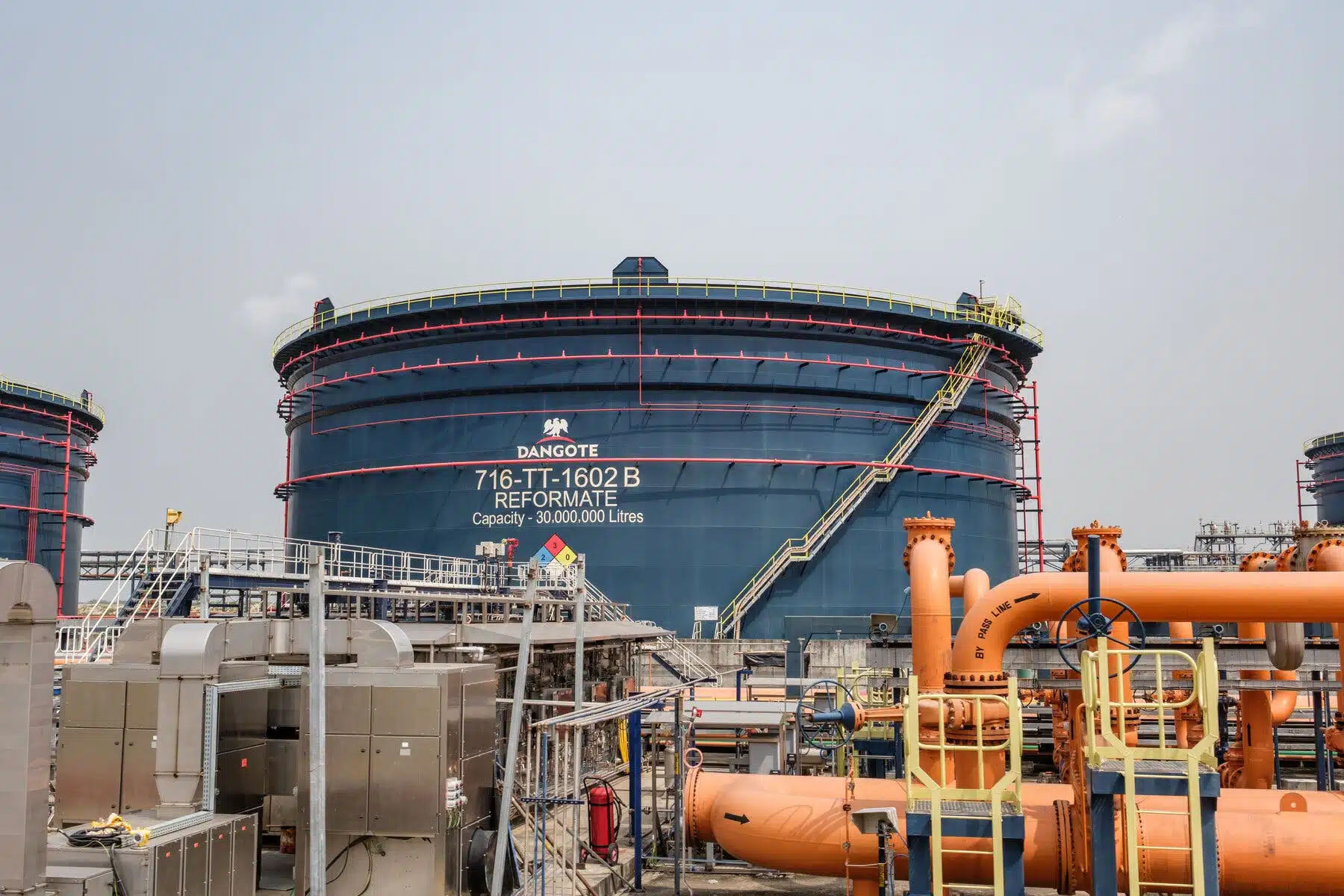
Since the 650,000‑barrels‑per‑day (bpd) Dangote Refinery began commercial operations in early 2024, it has sought to break Nigeria’s dependence on imports and promised to change that narrative. The mega‑refiner has repeatedly stated its ambition for Nigeria to take greater control of its fuel destiny.
But achieving that goal has been far from easy.
Africa’s largest refinery—built at a cost of $20 billion—has faced enormous investment demands and fierce resistance from entrenched downstream operators, often described as the “fuel mafia,” who continue to fight for market share.
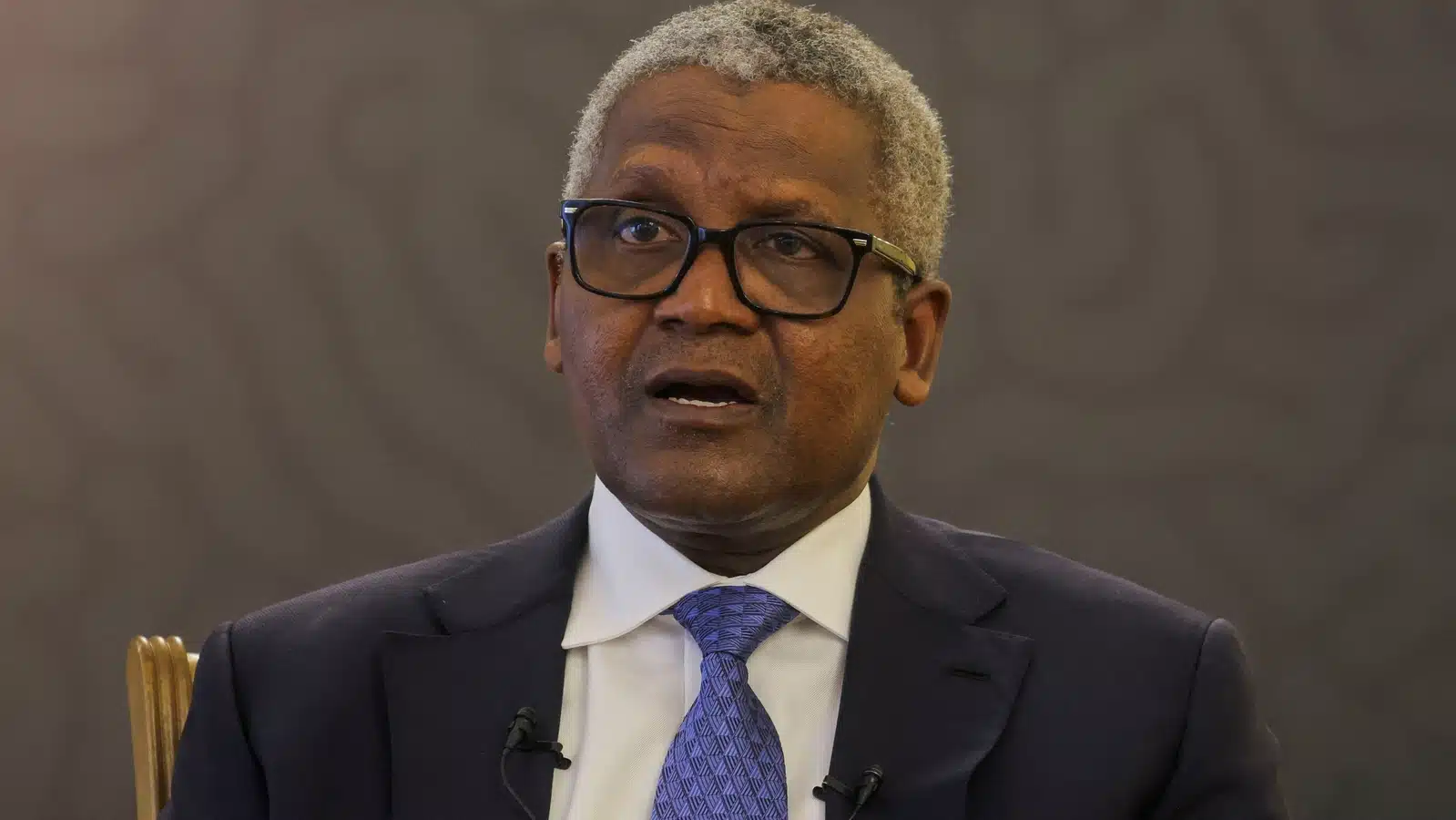
Aliko Dangote, the billionaire owner of the Lagos‑based plant, has gone so far as to call this group “more dangerous than drug cartels,” accusing them of thriving for decades on opaque subsidy regimes.
Dangote has alleged that much of the “cheap” fuel imported by these operators is substandard, distorting pricing and undermining local refiners. He has urged the government to halt the issuance of import licences altogether.
In response, the Nigerian Midstream and Downstream Petroleum Regulatory Authority (NMDPRA) dismissed his requests, insisting that licence issuance is essential for energy security.
The argument has previously been that its supply tracker shows that the Dangote Refinery alone cannot meet 100% of domestic demand, making importation necessary to cover supply gaps.
Now, with the US–Israel conflict in Iran tightening global fuel imports and the Dangote Refinery reportedly running at near full capacity, one question comes to mind: Is Dangote’s long battle against petrol importers finally paying off?
Dangote nears 100% capacity while NNPC plants remain offline
After a challenging 2025, largely due to intermittent works on its residue fluid catalytic cracker (RFCC)—its primary petrol‑producing system—and crude distillation unit (CDU), the Dangote Refinery has reached 90% run rates.
The RFCC was out of service for most of Q3 2025 because of “design issues” and other technical challenges, leaving the refinery reliant on limited volumes from its reformer and imports of naphtha to support petrol output.
Last year, the plant underwent a series of maintenance exercises and upgrades. Refinery Managing Director David Bird recently confirmed that the facility is now operating at near full capacity of 650,000 bpd, with plans underway to scale output to around 700,000 bpd.
This marks a significant improvement from July 2025, when the refinery’s Vice President, Edwin Devakumar, said the plant was running at about 85% capacity (550,000 bpd), though with plans to raise output in the months ahead.
Meanwhile, the four state‑owned refineries operated by NNPC have remained offline due to prolonged turnaround maintenance, placing Dangote in a strong position against legacy importers whose operations have either been delayed or become prohibitively expensive amid the crisis in the Middle East.
Petrol from Dangote surpassed imports for the first time in January, when it supplied 61.78% of the country’s total demand, according to the Nigerian Midstream and Downstream Petroleum Regulatory Authority (NMDPRA).
By February, the refinery accounted for about 65% of Nigeria’s total daily petrol consumption of 39.5 million litres, according to multiple NMDPRA sources.
To deepen its presence in the local market, Dangote now prioritises domestic supplies of petrol and other products over foreign markets. Chief Executive David Bird recently stated: “We can meet whatever the country requires.”
However, February’s figure represented a sharp drop in supply compared to January, when total daily supply stood at 64.9 million litres. Of this, domestic refineries supplied 40.1 million litres, while importers brought in 24.8 million litres.
The Middle East conflict upends fuel imports
The ongoing US–Israel war in Iran has shaken the global energy market, with traders bracing for supply disruptions across the petroleum‑rich Middle East.
Following a pre‑emptive strike by US–Israeli forces targeting Iran’s leadership, Tehran retaliated with missile and drone attacks, striking US military installations in Saudi Arabia, Qatar, Bahrain, Iraq, Kuwait and Oman.
US President Donald Trump demanded Iran’s “unconditional surrender,” but Tehran dismissed the threat, warning that America would not escape unscathed.
Oil benchmarks surged from the mid‑$60s per barrel to over $100 within ten days of the conflict, the highest level in four years. Traffic through the Strait of Hormuz—a vital chokepoint for 20% of global petroleum—has nearly halted, as Iran threatens to attack vessels linked to the US or Israel.
Qatar’s Energy Minister, Saad Al Kaabi, warned that continued disruption could severely impact global supply: “Everybody that has not called force majeure, we expect will do so in the next few days if this war continues. All exporters in the Gulf region will have to call force majeure. If they don’t, they will eventually face legal liability.”
Although Europe has been Nigeria’s primary source of fuel imports, the conflict has tightened supply chains, prompting some traders to hold back product to meet domestic demand.
Big market share at the wrong time?
Dangote’s 61.78% share of Nigeria’s fuel market marks a significant rise from 41% in March 2025. Yet despite its dominance at home, the refinery remains exposed to global oil market volatility and has had to adjust product prices several times as crude and shipping costs surge.
The refinery sources about two‑thirds of its crude internationally, particularly from the United States, meaning it faces the same pricing pressures as other global refiners. Aliko Dangote noted last year: “On average for a year, we do not buy less than 100 million barrels of crude from the US.”
David Bird, the refinery’s chief executive, added: “In the space of a week, the crude oil price has doubled, freight rates have tripled, and the insurance market has risen in similar orders of magnitude.” Freight costs for fuel shipments have soared, with tanker charges climbing from about $800,000 per cargo to roughly $3.5 million per shipment.
To ease margin pressure, the refinery is seeking to lift more crude domestically through the NNPC’s crude‑for‑naira arrangement, designed to reduce sourcing costs for local refiners. Bird said the refinery could “easily” lift 13 or more cargoes of Nigerian crude, up from the five currently supplied by NNPC.
“We’re designed around Nigerian crude, so we actively seek additional Nigerian cargoes. That’s the potential we have been discussing with the government,” he explained.
Although the refinery announced plans last year to switch entirely to Nigerian crude, it is now clear that target has not been achieved.
Consumers ultimately bear the cost
The rising cost of crude oil is not absorbed by Dangote; it is passed on to consumers at the pump.
Since the war in Iran began, Dangote has adjusted its ex‑depot prices for petrol and diesel up to four times in a single week—three increases and one reduction—mirroring similar moves by NNPC and other importers.
The first hike pushed petrol prices from ₦774 to ₦874, then to ₦995, and later to ₦1,175 ($0.75) per litre. The final ₦180 increase was the steepest since the refinery came onstream in 2024, though prices were later cut to N1,075 ($0.78)following a sharp drop in crude oil prices.
For a country with the world’s largest population of poor people and long‑standing double‑digit inflation, the impact has been immediate and severe.
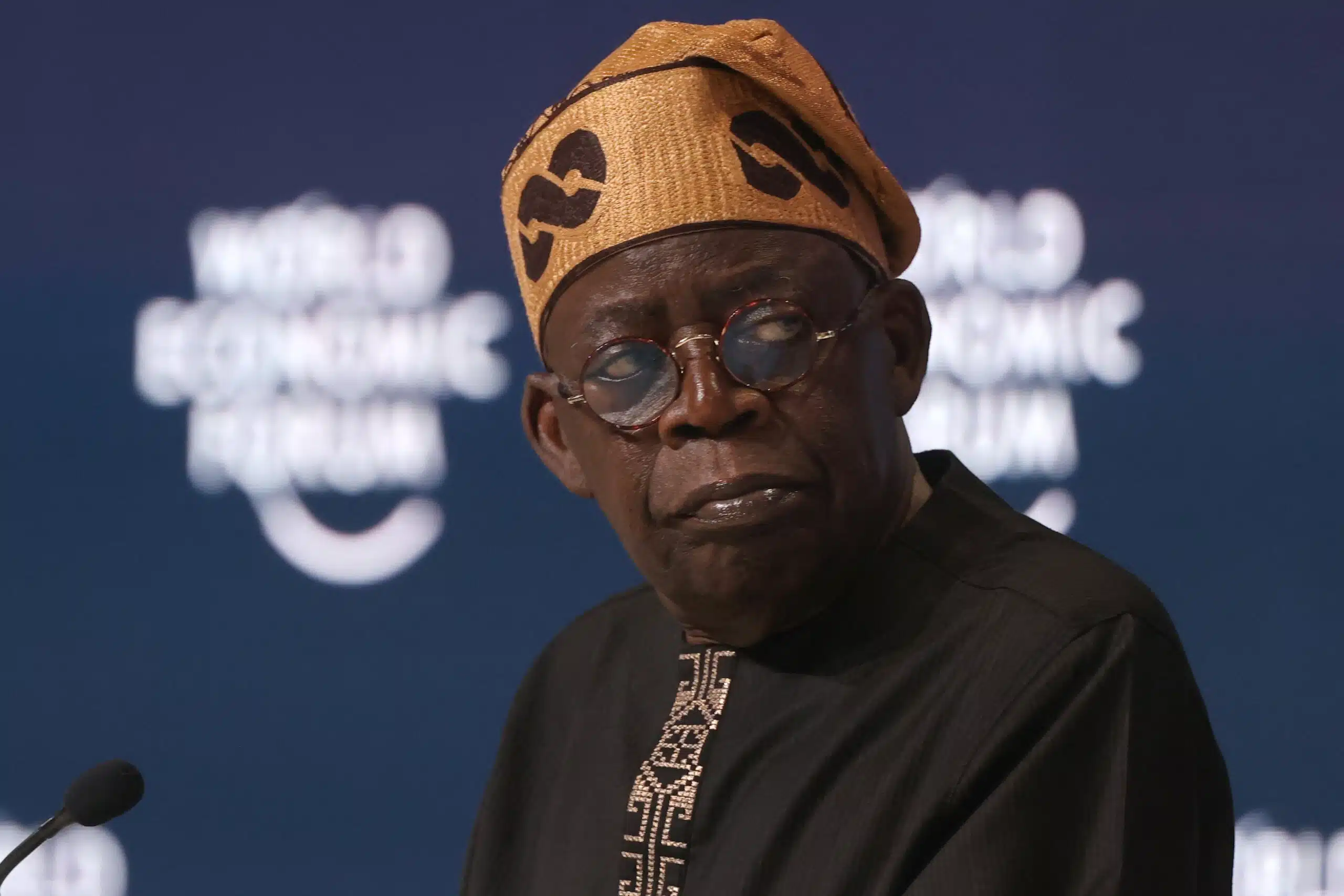
Household incomes have been further strained since President Bola Tinubu removed petrol subsidies in May 2023, raising questions over whether his government might revisit the policy.
Many citizens argue that the absence of price controls leaves them vulnerable to Dangote’s pricing decisions. The refinery, however, rejects claims of profiteering. Aliko Dangote has insisted “We are not here to make our $20 billion back quickly; it’s a long‑term investment.”
In December 2025, just before the festive season, Dangote announced its largest price cut, with Aliko explaining:
“The reason why prices have to go down is that we have to also compete with imports.” During that period, petrol prices fell by 15.58%, from N828 ($0.57) to N699 ($0.48) per litre.
How long will Dangote’s market domination last?
With the global energy market unsettled by the Middle East conflict, some argue that Dangote’s dominance of Nigeria’s fuel market cannot endure when the storm is finally over.
Yet several factors suggest otherwise.
For the first time since coming onstream, the refinery now controls at least 60% of Nigeria’s fuel supply chain, leaving importers with about 40%.
Operating at full capacity of 650,000 bpd, it can comfortably meet domestic demand, supported by an active $470 million (₦644 billion) free product delivery scheme.
Government policy also favours local production. Import permits for refined petroleum products have been restricted, with new rules preventing issuance whenever domestic supply is sufficient.
Dangote has long opposed indiscriminate licensing, even filing a ₦100 billion ($72 million) suit against the NMDPRA, and now benefits directly from the clampdown.
In addition, the government has signalled plans to impose a 15% tariff on imported refined products such as petrol and diesel to encourage domestic refining.
Dangote, which already accounts for nearly all local output aside from modular plants, stands to gain the most. Although implementation was postponed until Q1 2026, the policy remains on the agenda.
The refinery also has ambitious expansion plans.
Capacity is set to rise from 650,000 bpd to 700,000 bpd by the end of 2026, with a longer‑term target of 1.4 million bpd before 2030.
Since commissioning, Dangote alone has boosted Nigeria’s refining capacity by more than 400%, meeting critical fuel needs and saving billions in import costs.