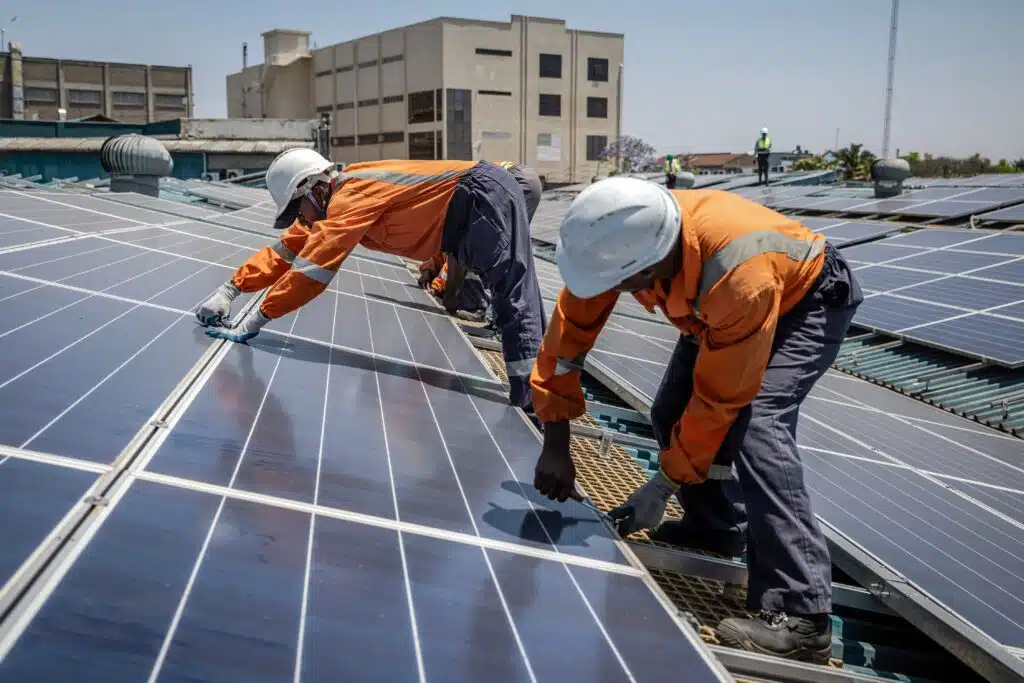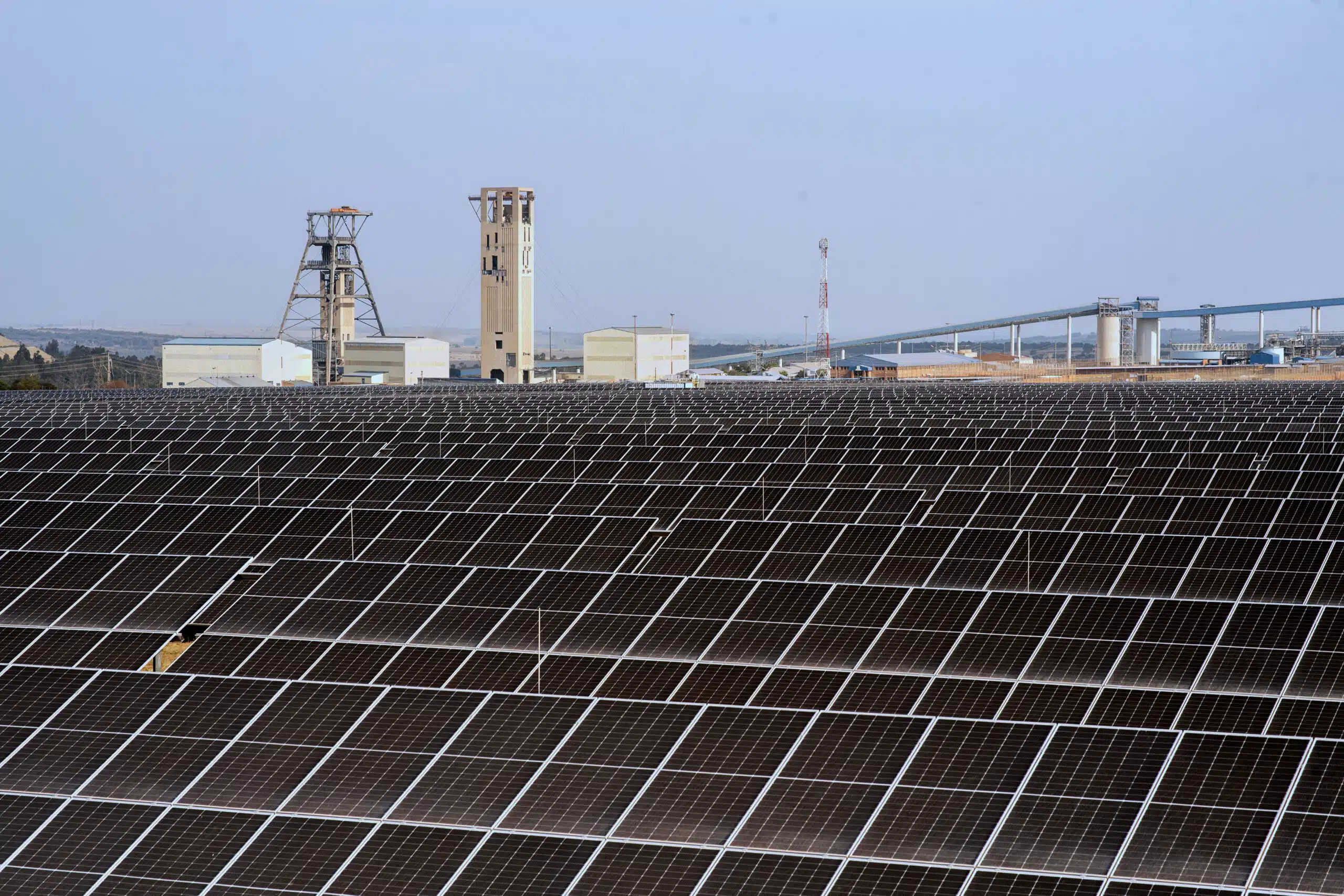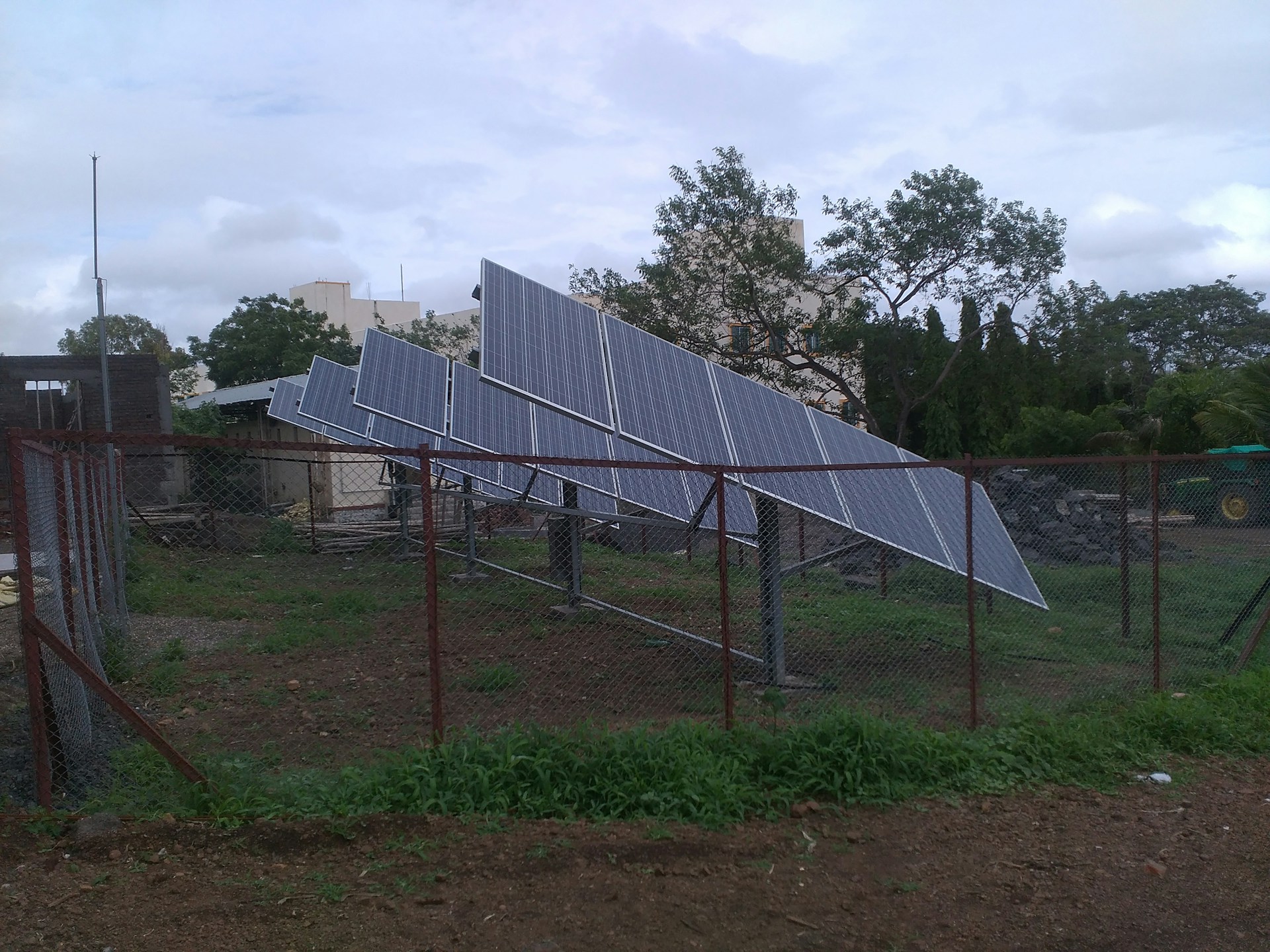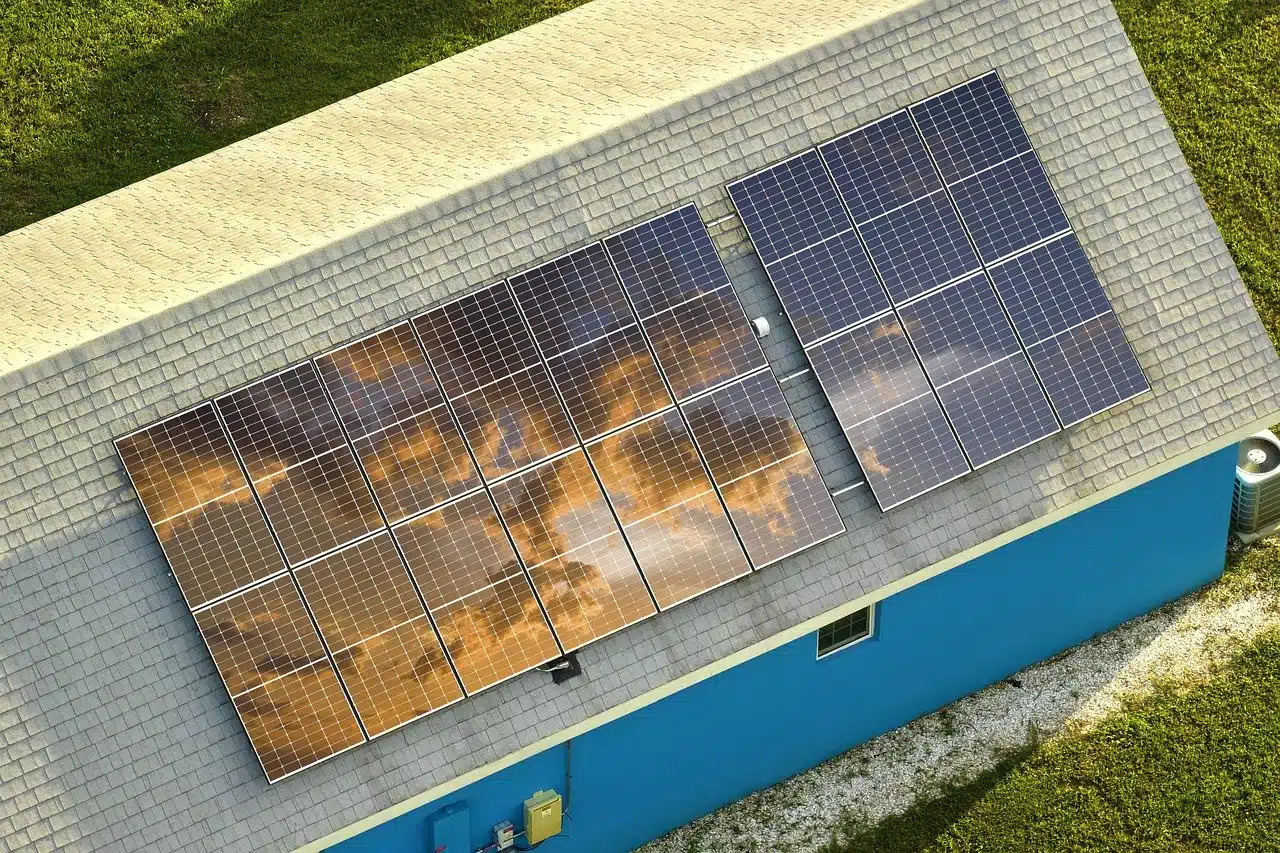



In many Nigerian cities, solar panels have become a familiar feature on rooftops. From residential homes to businesses, rooftop systems have become a viable solution to the persistent power supply problems in the country.
In many homes, solar power is not just an environmental option, it is a necessity in a country where unreliable grid supply and rising fuel prices have made petrol and diesel generators become costly.
Nigeria still faces one of the world’s most critical electricity access challenges, with over 86 million people lacking access to reliable electricity. Millions of people are experiencing power outages in their homes, and this has made people seek alternative sources of power.
Solar power has emerged as an alternative to fill that gap. However, the systems being used by many homes in Nigeria have one unique characteristic: they are placed on rooftops.
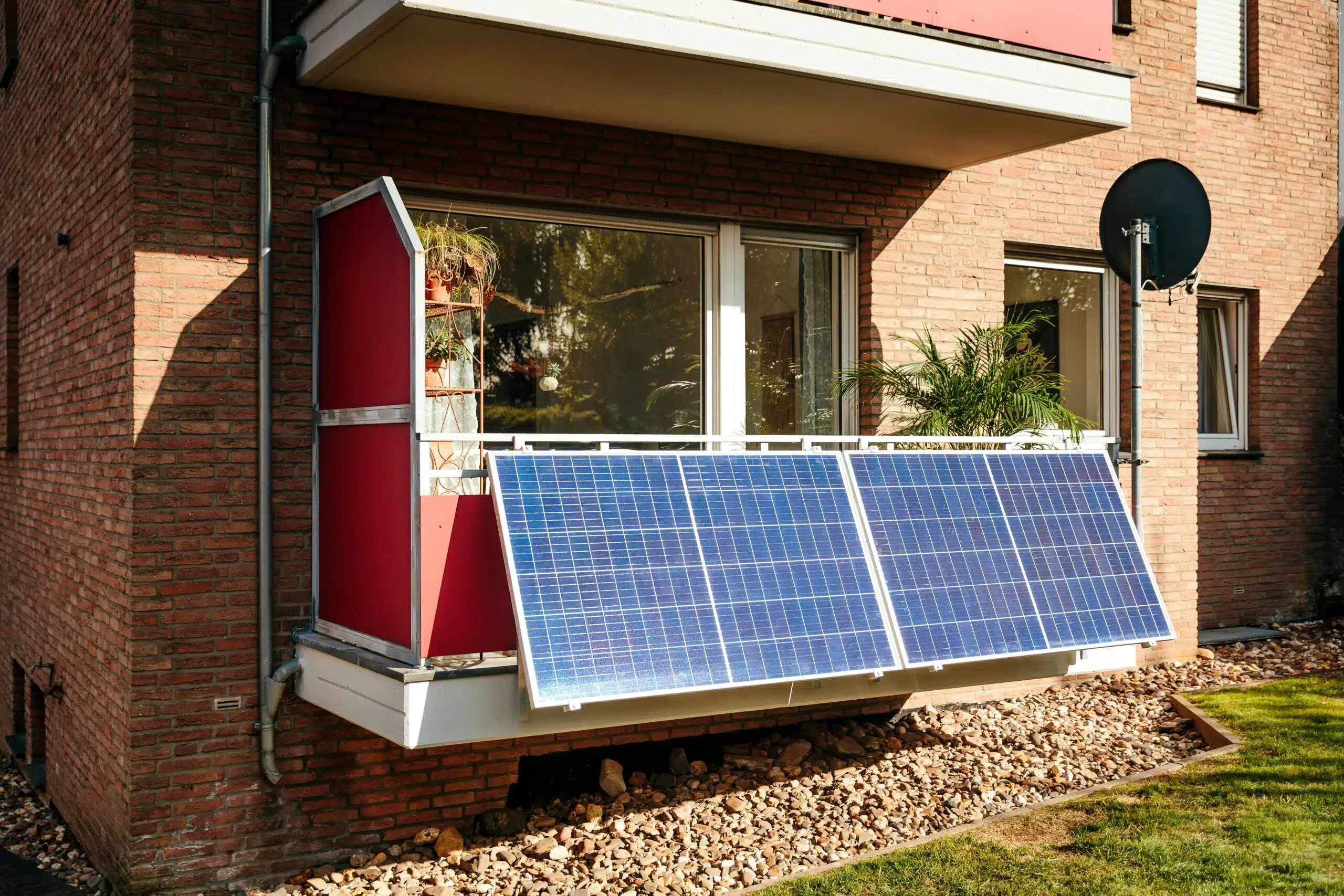
In other parts of the world, another type of solar technology exists. It is referred to as balcony solar. It involves small plug-and-play panels that are placed in apartment balconies to provide power.
Balcony solar is designed to be compact, easy to install and safe for renters who cannot modify rooftops. Yet despite these advantages, the system has barely appeared in Nigeria’s solar market.
This then raises a question. If balcony solar systems are designed to be safe and easy to install, why has Nigeria’s solar market largely ignored them?
Understanding Nigeria’s demand for solar power
The expansion of solar energy in Nigeria has been driven by the need to address the energy crises in the country. Electricity outages have become common in most areas in Nigeria, and people have been forced to use petrol and diesel generators to access electricity in their homes and businesses.
The rise in fuel prices has also made the use of petrol and diesel generators expensive, and people have been forced to use solar energy.
According to the World Bank estimates, the unreliable supply of power in Nigeria is estimated to have a financial implication of $26.2 billion (₦36 trillion), which is approximately 2 percent of the country’s GDP.
At the same time, the reduction in the prices of solar equipment has made solar power more affordable. Solar panels, inverters, and lithium batteries, which were considered luxuries in the past, can now be seen in residential areas.
As a result, solar systems have expanded across the country. But the market that has emerged is dominated by rooftop solar systems paired with batteries and inverters. Balcony solar systems, which have much smaller electricity capacities, are not common.
Why Nigeria favours rooftop solar
The primary cause of the dominance of rooftop solar in Nigeria is the amount of electricity that people expect from their solar power.
A typical rooftop solar system in Nigeria consists of solar panels mounted on the rooftop and connected to a battery that stores power to be used at night or during a power outage.
The solar systems can be used to power some of the household’s necessary appliances such as refrigerators, television sets, lights, and fans. Larger solar systems can be extended to power other appliances such as air conditioners and water pumps.
However, balcony solar systems operate at a much smaller capacity. Most balcony solar systems operate at a capacity of between 300 and 800 watts. This may not be enough to power a household in Nigeria.
Azeez Lawal, a Lagos based solar installer, says most people use solar as a replacement for their generators, not as a small additional complement to grid electricity.
“When people call for solar installation, they usually want systems that can power their refrigerator, television and lighting during outages,” Lawal told Energy in Africa. “That requires several panels and batteries, which is why rooftop installations are the most practical option.”
According to him, that expectation naturally pushes the market toward larger rooftop installations, where larger arrays of panels can produce more electricity.
Why balcony solar struggles to compete
Balcony solar systems were developed largely for apartment dwellers in cities where rooftop installations are not always possible.
The panels are usually mounted on balcony railings and connected to a small inverter that feeds electricity directly into the household power supply. Because they are compact and not very difficult to install, they are often promoted as a safe means.
The low size of the systems also means that they are not capable of producing much energy. In Nigeria, where solar energy systems are expected to be used as a means of providing back-up energy, the low energy output of the balcony systems would not be desirable.
For solar vendors, the demand pattern is equally clear. Tunde Adebayo, a solar equipment distributor who supplies panels and inverters to installers across Nigeria, says balcony solar kits are rarely part of customer requests.
“In markets where balcony solar is popular, people are mainly trying to reduce electricity bills,” Adebayo told Energy in Africa. “In Nigeria, the priority is different. Buyers want systems that can keep their homes running when power goes out, so the market is built around larger rooftop systems with batteries.”
As a result, suppliers typically prioritise importing full-size solar panels and energy storage equipment rather than compact balcony systems.
Housing design may also be part of the problem
Nigeria’s housing patterns may also help explain the dominance of rooftop solar. Urban design is another factor shaping Nigeria’s solar market.
Balcony solar systems are used mostly in cities where there are many high-rise apartments that have balconies where solar systems can be placed.
However, in Nigeria, the majority of people have their own houses or stay in low-rise apartments where rooftops can be used.
According to solar engineer Ibrahim Ajayi, the nature of Nigerian buildings makes rooftop solar systems more suitable.
“Most residential buildings here were not designed with balcony solar in mind,” Ajayi told Energy in Africa. “Rooftops provide more space and better sunlight exposure, which allows installers to place multiple panels and generate enough electricity to power a household.”
Even in cities such as Lagos, which are regarded as densely populated, it is easier to install rooftop systems as opposed to balcony systems.
Rooftop systems are regarded as more convenient for energy experts working in the field, as they have enough space to install solar panels in the most advantageous position for maximum sunlight.
The regulation question Nigeria has not answered yet
According to energy policy analysts, the regulatory environment might also have an effect on the development of balcony solar systems.
Countries that have widely adopted the technology have put in place simple regulations for plug-and-play solar systems. The regulations have enabled households to connect their solar systems with their electricity supplies while abiding by certain regulations.
For example, in Germany, regulations have been formulated to enable people to install solar panels on their balconies without going through complex licensing procedures. In Nigeria, however, no regulations have been formulated to govern the usage of plug-in solar systems.
Energy analyst Chinedu Amadi says that gap in regulation could slow the adoption of balcony solar technology in the country.
“Plug-and-play solar systems work best when there are clear technical standards that tell households how these systems can safely connect to existing electrical wiring,” Amadi told Energy in Africa.
“In Nigeria, the regulatory focus has largely been on larger rooftop installations and mini-grids. Smaller plug-in systems like balcony solar have not yet been fully addressed.”
Amadi says such regulations could eventually play a role in determining whether balcony solar systems gain traction in the country.
Nigerians want full power solutions
Consumer expectations remain one of the most important factors shaping Nigeria’s solar market.
For many households, installing solar energy is not simply about reducing electricity bills. It’s about replacing the noisy and expensive generators that have been the country’s main source of back-up power all along.
Most people want to have installations that can power their refrigerators, televisions, fans, water pumps, and at times, air conditioners, in case of power outages.
The balcony solar systems cannot support such high power consumption. They are not capable of generating enough power to replace the unreliable grid supply of electricity.
Adebayo notes that this consumer demand strongly influences what the market offers.
“In Nigeria, people want systems that can keep their homes running during power outages,” he says. “Small balcony panels are not enough for that. The market naturally focuses on rooftop installations that can provide full household coverage.”
That difference in expectations helps explain why rooftop systems dominate the Nigerian solar market.
Does balcony solar have a future in Nigeria?
Although balcony solar power has not yet been widely adopted in Nigeria, it has the prospects to flourish in the country if some conditions are met. As the country continues to develop, housing styles are gradually changing.
Cities like Lagos and Abuja are witnessing more apartment buildings, where rooftop access is limited, which might not allow individuals to make use of the roof space.
In such instances, small solar systems might be a viable option for the tenant, who would not be able to make use of solar panels. They might also provide an option for people who do not need solar panels for the entire house, but need to reduce dependence on the grid.
However, some analysts have suggested that regulatory clarity for plug-and-play solar systems in the future might prompt solar companies to develop small solar systems for apartment dwellers.
Until then, balcony solar systems are expected to remain a niche product rather than a popular option in the Nigerian solar market.