


The rise in solar energy adoption globally is generally driven by a demand for a cheap alternative to high-cost electricity generated from either coal-fired or gas-fired power plants.
In China, for instance, where the surge in solar energy transition has been most evident, cheap panels and installation have made it possible for consumers to see renewable energy as a better choice than an expensive power grid system.
Solar energy offers a pocket-friendly budget for low- and mid-income earners, making switching attractive for those who find it affordable.
This is exactly the case where solar adoption trends have been observed, whether in China, Europe, the United States or South Africa. Apart from being eco-friendly, the case for affordability is also hard to ignore for buyers of this alternative source of power.
But in Nigeria, Africa’s most populous nation, the case is largely different. Nigerians are not switching to solar merely to save costs, but as a sure-fire alternative to the worsening condition of an epileptic power supply.
Nigeria’s grid power crisis
Nigeria’s power crisis over the decades, with over 90 million people without access to electricity, has made it a necessity for most people to go off-grid and seek an alternative to sheer darkness in solar power.
An average Nigerian who lives on less than 12 hours of electricity a day will prefer to pay a relatively exorbitant upfront cost in investing in solar adoption than rely on a grid power that is practically non-existent.
Decades of underinvestment, coupled with a fragile grid system that can only produce a meagre 5,000 megawatts (MW) on its good days, have made the power sector a constant laggard for most people in the country.
In most places, electricity can go off for days or even weeks when the grid suffers its now too frequent collapse, leading to load shedding. This grid failure sometimes happens twice in a week, plunging key cities into darkness.
For big businesses and corporations in the country, many have had to build their own internal power plants, generating large-scale electricity to operate their factories and keep operations running. More than 200 big corporations have left the grid over the past decade, choosing independent, mostly gas-fired, power alternatives as a safer option to unstable supply.
This option, however, is not open to individuals, who can only afford relatively small-scale power supply. In this case, solar energy becomes the choicest alternative, rather than having to deal with the power outage that comes with the grid.
Private solar as solution
Increasingly, Nigerians are now choosing their own private power through solar installations and lithium batteries to compensate for the unavailability of electricity supply and, in some cases, to completely leave the grid.
In Energy in Africa’s recent webinar with leading stakeholders in the solar energy industry, the CEO of Luma Power, Muyiwa Sami, made this point succinctly, stating that most Nigerians, unlike the Chinese and Europeans, now have no choice but to settle for solar as a measure against ever-worsening power outages.
“The challenge is that the grid is not working properly. Solar should be considered an alternative energy source, not the main power source to grid infrastructure. However, here in Nigeria, people now view solar as a must-have necessity instead of as a transition energy aimed at reducing emissions,” Muyiwa said in the webinar.
In 2025, Nigeria overtook South Africa as the leading importer of solar panels, many of which came from China. The country’s solar energy adoption also climbed to around 1,500 MW between 2024 and 2025, according to tracking by the Global Solar Energy Council, a global renewable energy think tank.
Still, solar energy is not in itself cheap in Nigeria. Key inputs such as solar panels, lithium batteries and inverters are sourced from abroad, exposing vendors to foreign exchange pressures. Equipment is typically priced in dollars, with additional costs from shipping and logistics further driving up end-user prices.
Solar energy itself not cheap
A 3kVA solar system, including panels, batteries, inverter and installation, for instance, could cost between ₦2.5 million (around $1,786) and ₦3 million (around $2,143) for an average user. This upfront cost is not relatively affordable for lower- or mid-income earners in the country.
Besides, such a system can only power minor appliances such as a single air conditioner, a refrigerator and perhaps a washing machine.
For more sophisticated systems with higher capacity, such as 10kVA to 20kVA solar power, prices may go as high as ₦7 million (about $5,000) to ₦12 million ($8,571), depending on factors like battery type, number of panels and inverter quality.
Some could argue that such cost is a one-time investment that can be recovered long-term in unpaid electricity bills. But in a country where the minimum wage is ₦70,000 monthly (around $50) and an average formal worker earns less than ₦200,000 ($143), it stands to reason that most people would rather settle for a cheaper grid power system than spend so much on solar investment.
“Most Nigerians are switching to solar not because they can afford it, but because it has now become a necessity.
“Some people do not mind taking up a loan to switch away from the national grid and stretch the payment over the years, rather than deal with constant blackouts,” an Abuja-based solar vendor, Ibrahim Omotsaye, told Energy in Africa.
Omotsaye also observed that many Nigerian solar providers now offer pay-later systems that make it easier for people to afford solar energy.
“Some companies now have systems in place that allow them to act as utility providers, offering solar energy to homes at a rationed cost. Others also provide pay-as-you-go schemes with moderate interest, giving consumers the option to pay gradually for solar power,” he added.
Rising solar adoption amid high cost
While in the long run solar power can be considered a smarter investment decision, most consumers would rather pay electricity bills that guarantee stable power supply than commit to a large upfront investment, independent energy consultant Sonia Amadi said.
The current surge in solar adoption in the country, therefore, is not necessarily a result of efforts to cut down electricity bills, Amadi continued, but more importantly an existential response to the “government’s failure to provide basic power supply”.
A report by the Africa Solar Industry Association (AFSIA) in Q1 2025 showed that Nigeria ranked fourth in Africa for solar energy adoption in 2024, adding 63.5 MWp of capacity.
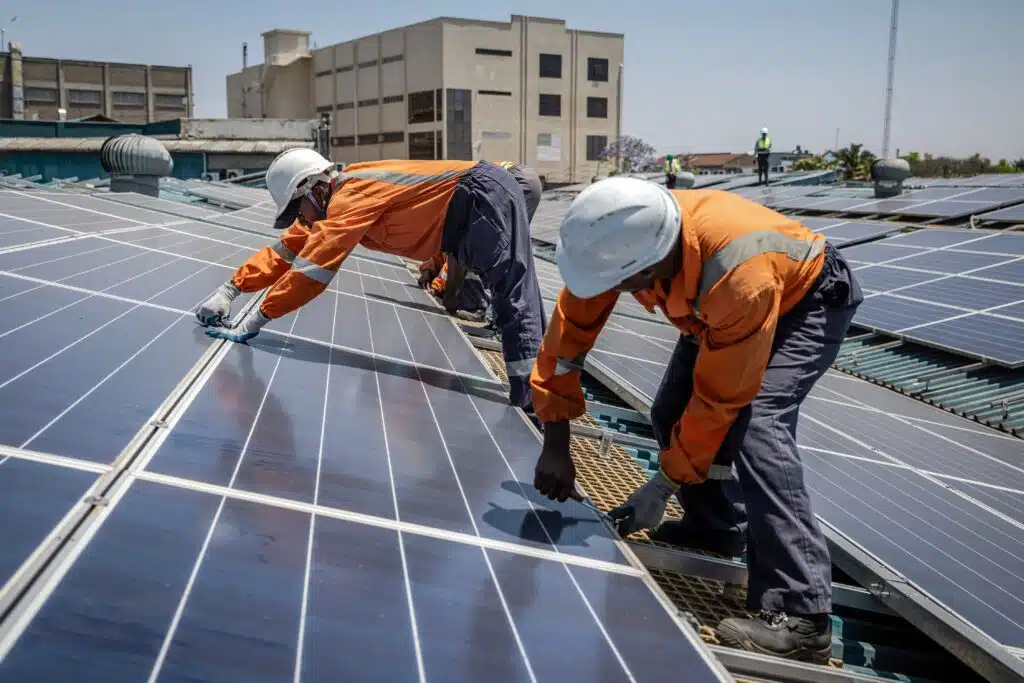
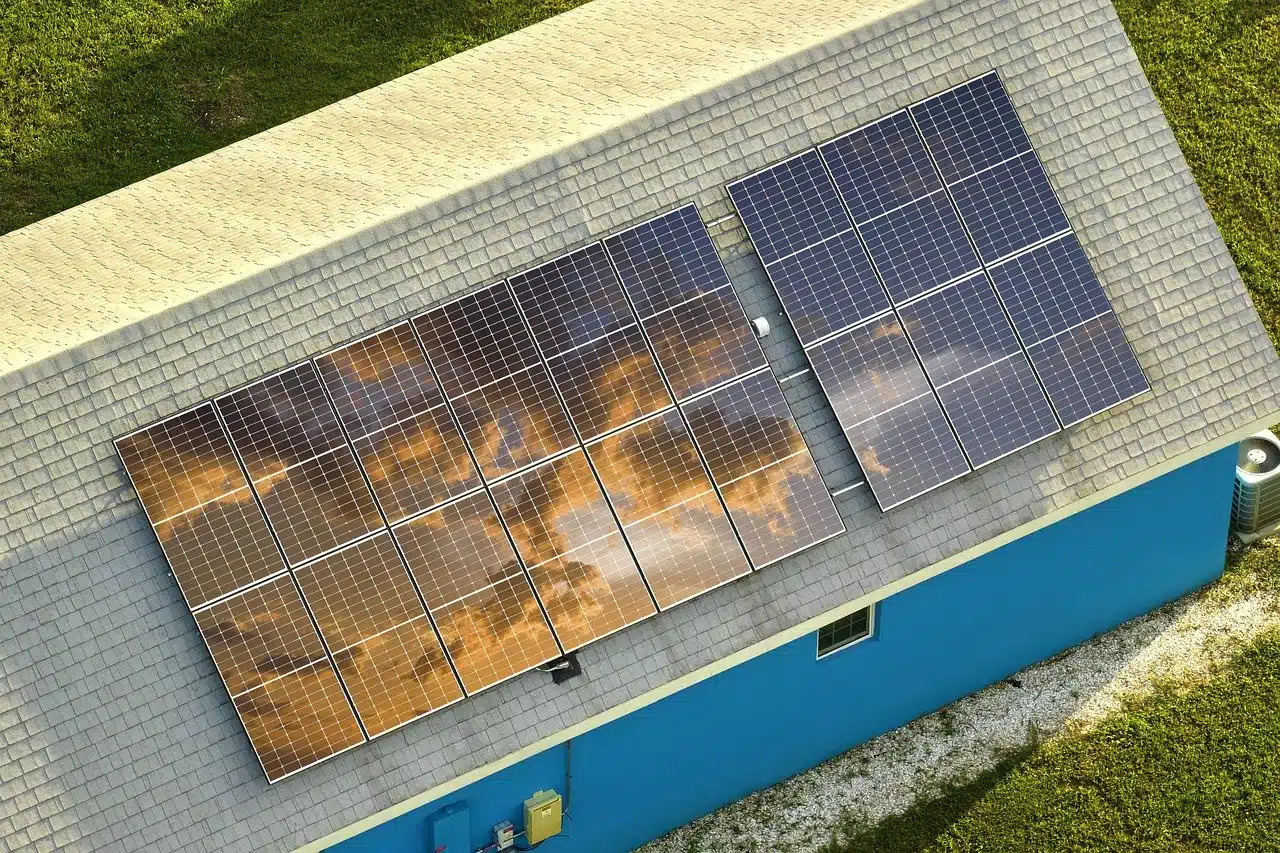
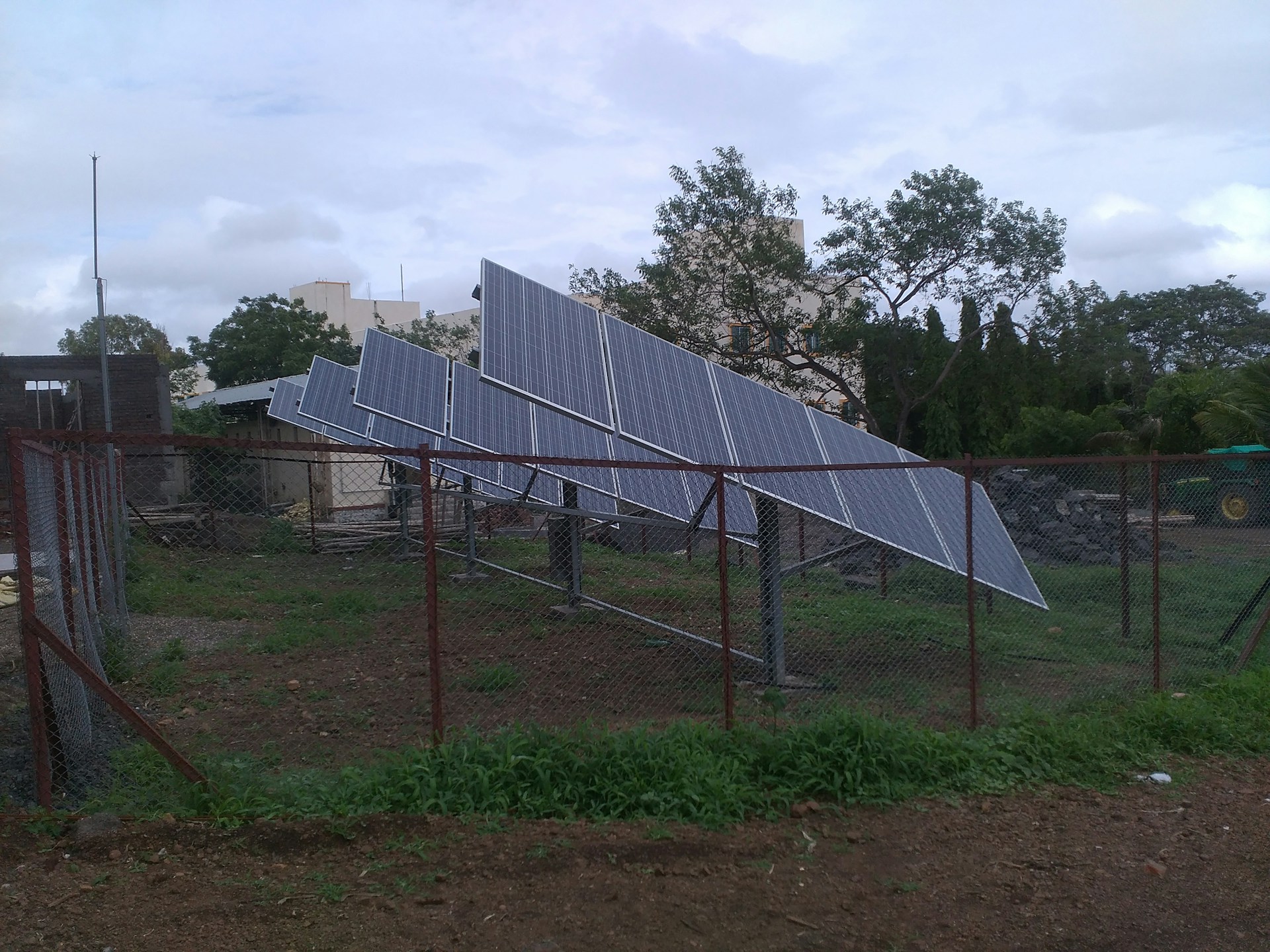
The growth in adoption is an unmistakable trend, with almost all houses in middle-class and elite enclaves now having panels on their rooftops.
The image is strikingly clear, a reminder not of a cheaper source of energy, but of the price Nigerians pay for the absence of stable electricity supply.