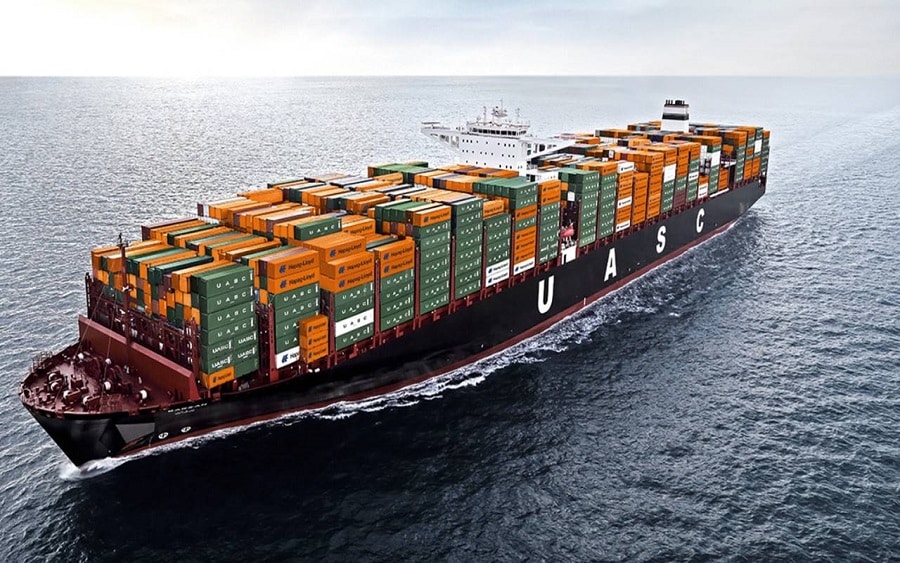



The CEO of Dangote refinery, David Bird, said the plant receives just five crude oil cargoes monthly from NNPC Limited, far below the 13 to 15 cargoes agreed under supply deals, raising concerns about Nigeria’s crude allocation system.
Bird disclosed this in an interview with ARISE NEWS on Wednesday, where he called for greater transparency in crude distribution.
He warned that supply shortfalls are forcing the refinery to buy Nigerian crude at higher prices from the international market.
Since the start of the Middle East crisis that triggered a global oil shock, Dangote refinery has raised its ex-gantry prices for petrol and diesel four times.
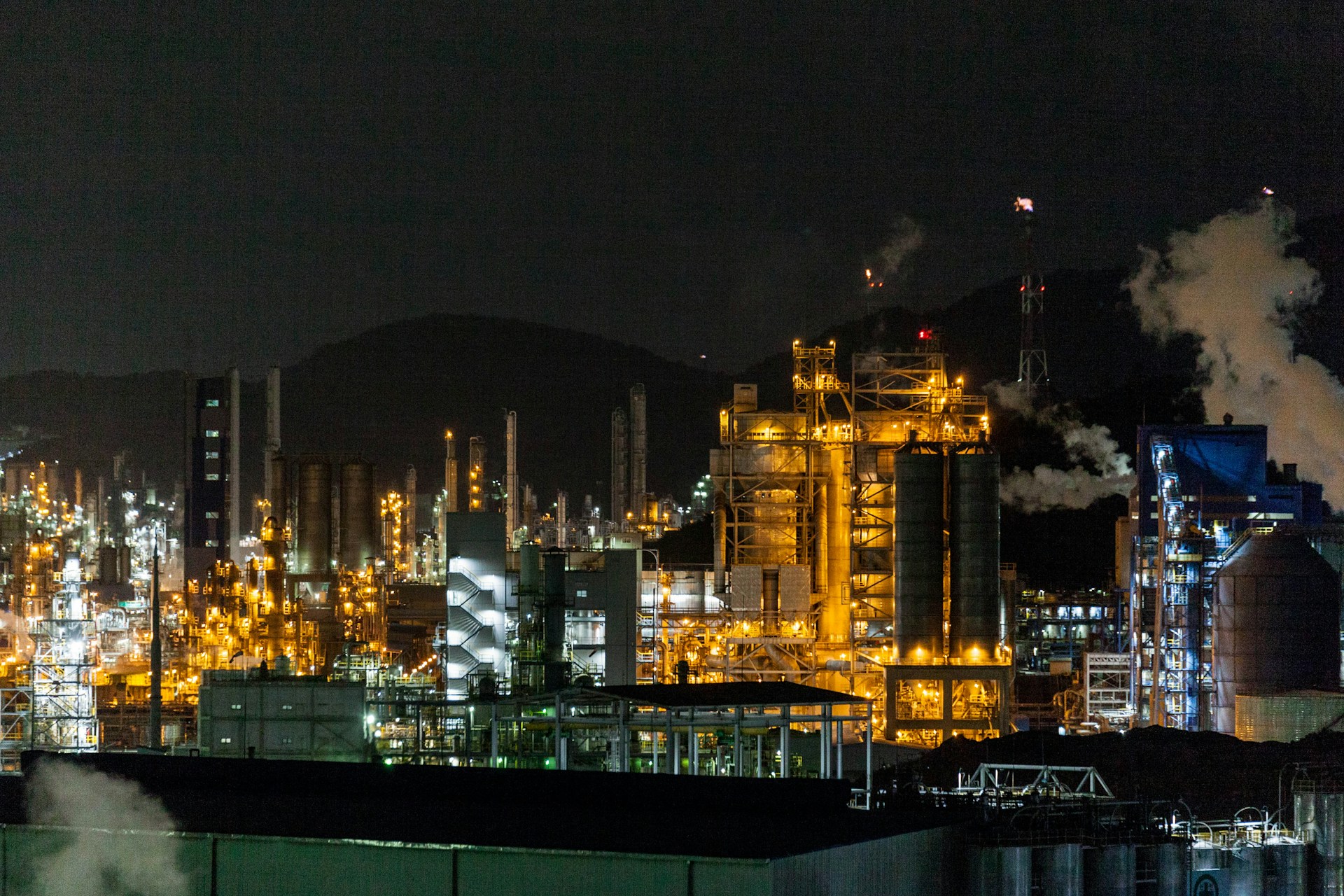
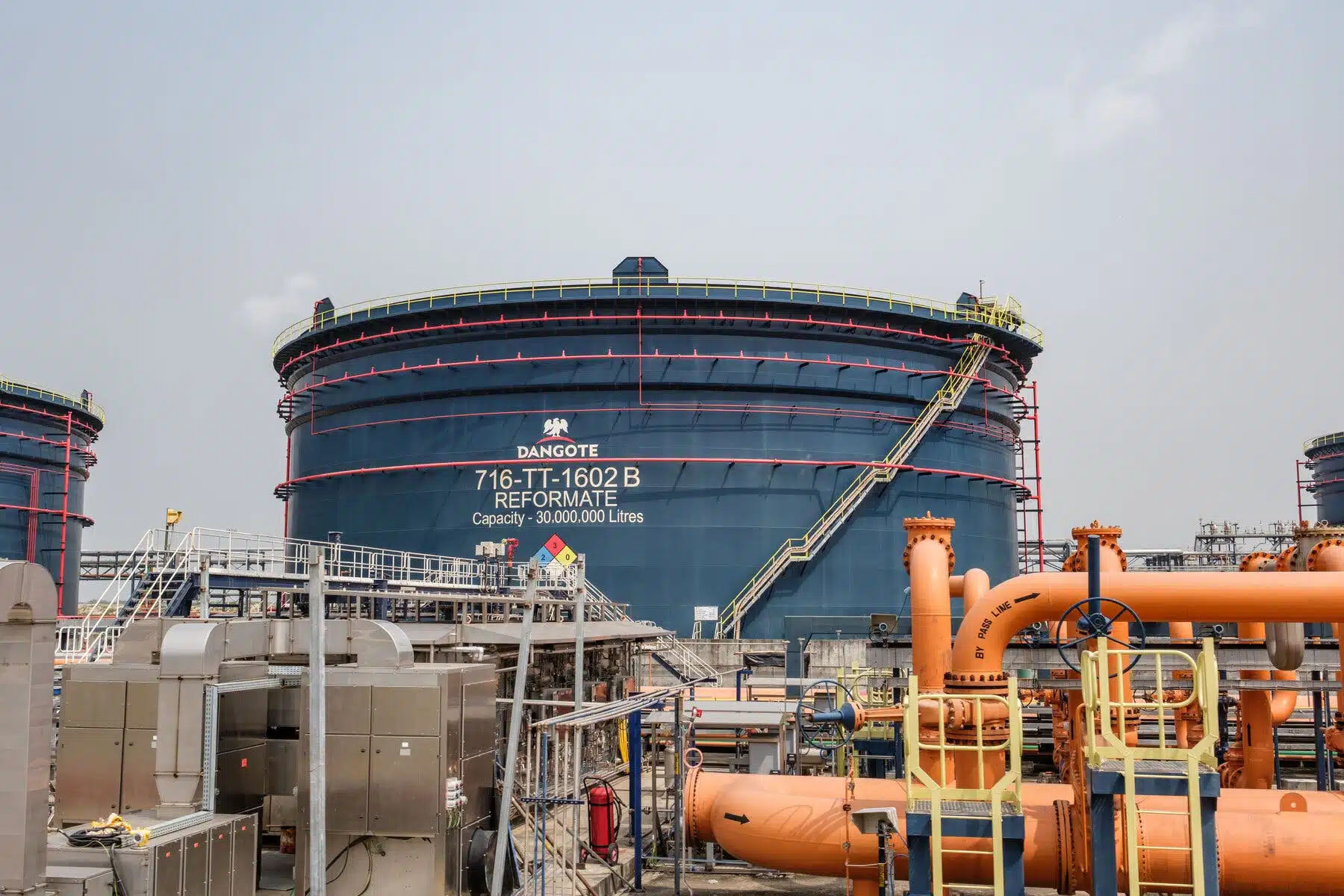
According to him, the refinery is currently operating at its full processing capacity of 650,000 barrels per day, enough to meet Nigeria’s domestic fuel demand and supply other markets within the region.
“We’re at capacity processing 650,000 barrels a day, meaning not only Nigeria’s domestic fuel requirements but also the region,” Bird said.
Despite operating at full capacity, he said inconsistent crude supply remains a major challenge affecting operations.
“We should be getting about 13 to 15 cargoes a month… currently we’re only getting five. So that’s an underperformance against that pre-agreed volume contract,” he added.
Refinery pays premium for Nigerian crude
In addition, Bird said the shortfall has forced the refinery to source crude oil from international traders at a higher cost, even when the crude originates from Nigeria.
“We’re now paying over $18 per barrel premium for those same Nigerian crude grades… that value is money that Nigeria is leaking to the international trading community,” he said.
He added that the refinery also faces challenges with crude quality, noting that it often does not receive its preferred grades despite submitting specifications.
“Our hardware is designed around a certain crude slate… not only do we not get the full allocation, very often we don’t get the grades that we are highlighting as our preferences,” he said.
Crude-for-naira policy not a subsidy
Speaking on government support, Bird clarified that the refinery operates under the crude-for-naira arrangement, which he said is often misunderstood.
“It is priced at full international benchmark crude oil pricing, however without a foreign exchange implication… it is not a discount or a subsidy,” he stated.
He explained that about 30 to 35 per cent of the refinery’s crude supply comes through the arrangement, while another 30 to 40 per cent is sourced from international markets.
Bird said the refinery operates without subsidies and remains fully exposed to global oil market dynamics, including fluctuations driven by geopolitical developments.
“We try and maintain some stability within a commercially acceptable range… but all our cost inputs—from crude to freight and insurance—are impacted,” he said.
He described the current situation as part of a broader cost-of-living challenge, noting that energy prices affect nearly all sectors of the economy.
“This is a cost-of-living crisis affect every facet of the modern economy is impacted by energy,” he said.
IPO plans underway
On the refinery’s future, Bird disclosed that plans are underway for a public listing, describing it as an opportunity for wider participation.
“This is the people’s IPO… we want it to be one of the most widely subscribed IPOs in the world,” he added.
The Dangote Refinery, one of Africa’s largest, is expected to play a central role in reducing Nigeria’s reliance on imported petroleum products, though supply constraints continue to pose operational challenges.