


Nigeria’s electricity sector continues to be plagued by persistent grid failures. Millions of Nigerians do not have access to power, forcing households and businesses to look for alternatives.
Across the country, diesel and petrol-powered generators have become the new backbone of daily life. While generators may provide solutions, the increase in fuel prices has also made the cost of self-generation more expensive.
Today, many Nigerians now spend a lot of their income to keep the lights on.
Mini-grids are gradually gaining traction as an alternative. These decentralised power systems produce power and provide electricity locally. They operate independently or in addition to the main grid and can provide power more reliably in areas where the main grid does not.
Although mini-grids have always been viewed as a potential option for rural electrification, they are currently being regarded as a solution for addressing the energy challenges in Nigeria.
With the national electricity grid under pressure, mini-grids can serve as an alternative for expanding electricity access.
Understanding Nigeria’s power crisis
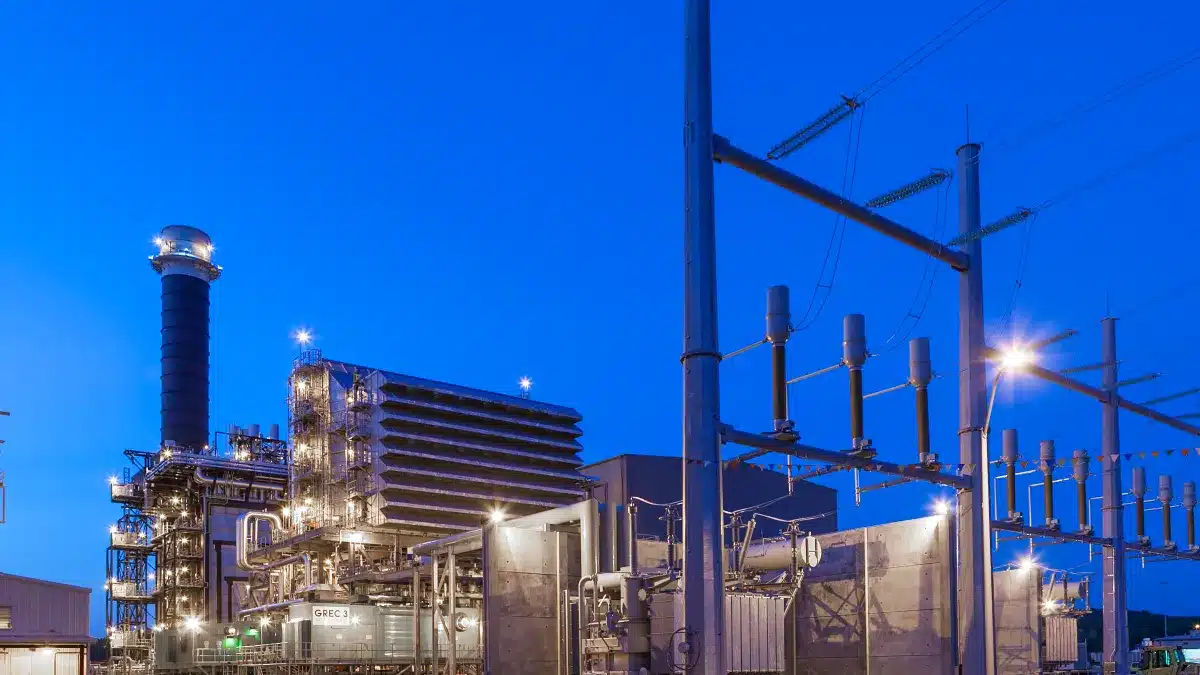
Nigeria has a power generation installed capacity of 13,000 and 14,000 megawatts. However, on average, the country only generates 4,500 to 5,000 megawatts on a daily basis.
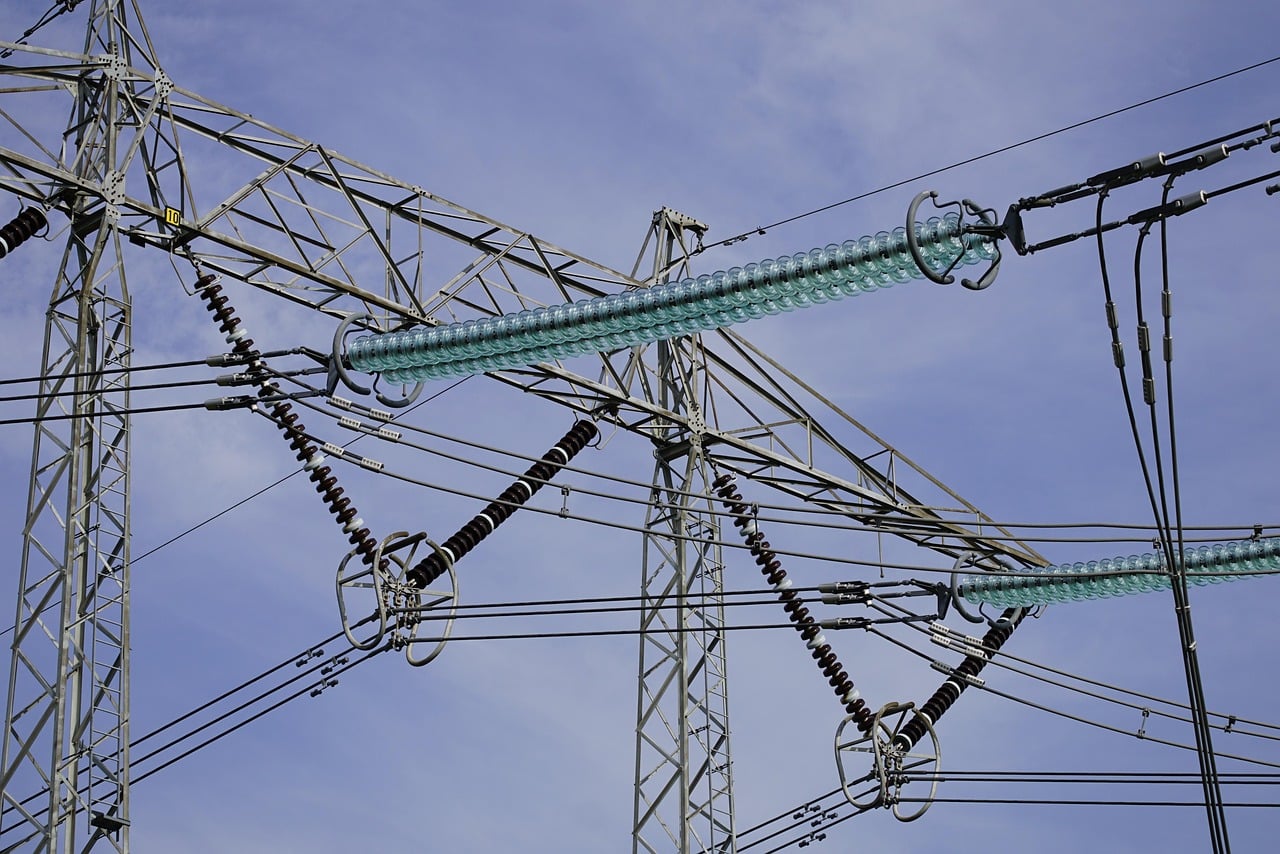
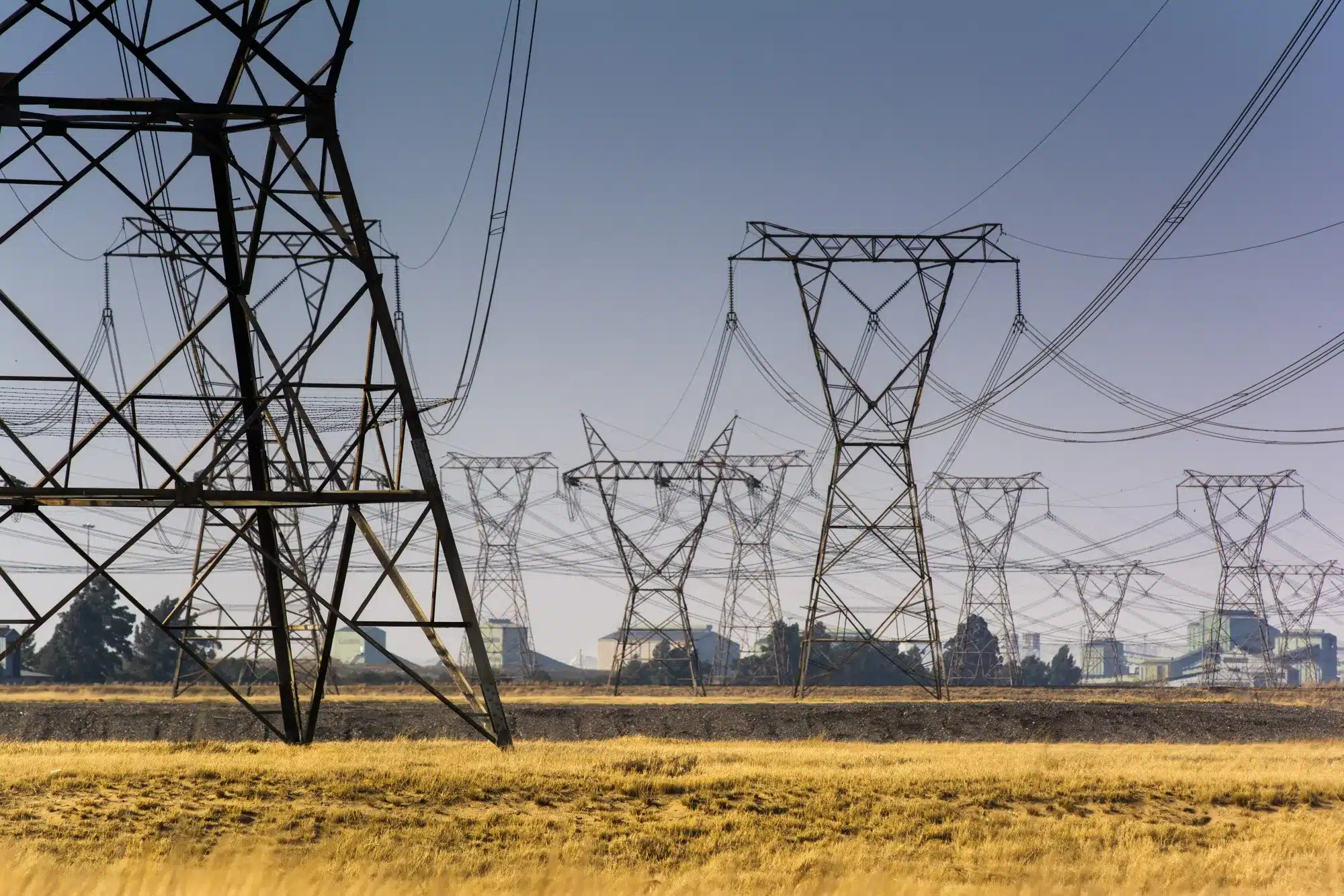
Transmission limitations and ageing infrastructure restricts how much power can be delivered. This has resulted in the collapse of Nigeria’s power grid on many occasions, making more than 86 million Nigerians lack access to electricity.
The grid has continued to remain unstable. On the 27th of January 2026, the grid collapsed twice within four days. This followed other collapses on the 29th of December, 2025, and on the 23rd of January, 2026.
Between 2010 and 2022, at least 222 total or partial collapses of the grid occurred. Between 2024 and 2025, there were at least 12 more. It is estimated that the grid has also collapsed at least 564 times between 2000 and 2022.
“The system is chronically weak. Grid collapses are now routine, and the gap between installed capacity and actual supply leaves communities dependent on expensive alternatives,” Funke Adeyemi, an energy economist, told Energy in Africa. “When electricity is unreliable, households, small businesses, and industries all suffer.”
The effects of Nigeria’s power crisis and unreliable electricity supply are not just inconvenient; they are major issues for businesses and homes.
What are mini-grids and how are they different?
Mini-grids refer to small-scale energy systems used in the supply of power to small communities or users. Unlike the main grid, which is supported by a complex network of energy transmission that is prone to failure, mini-grids involve small-scale power supply.
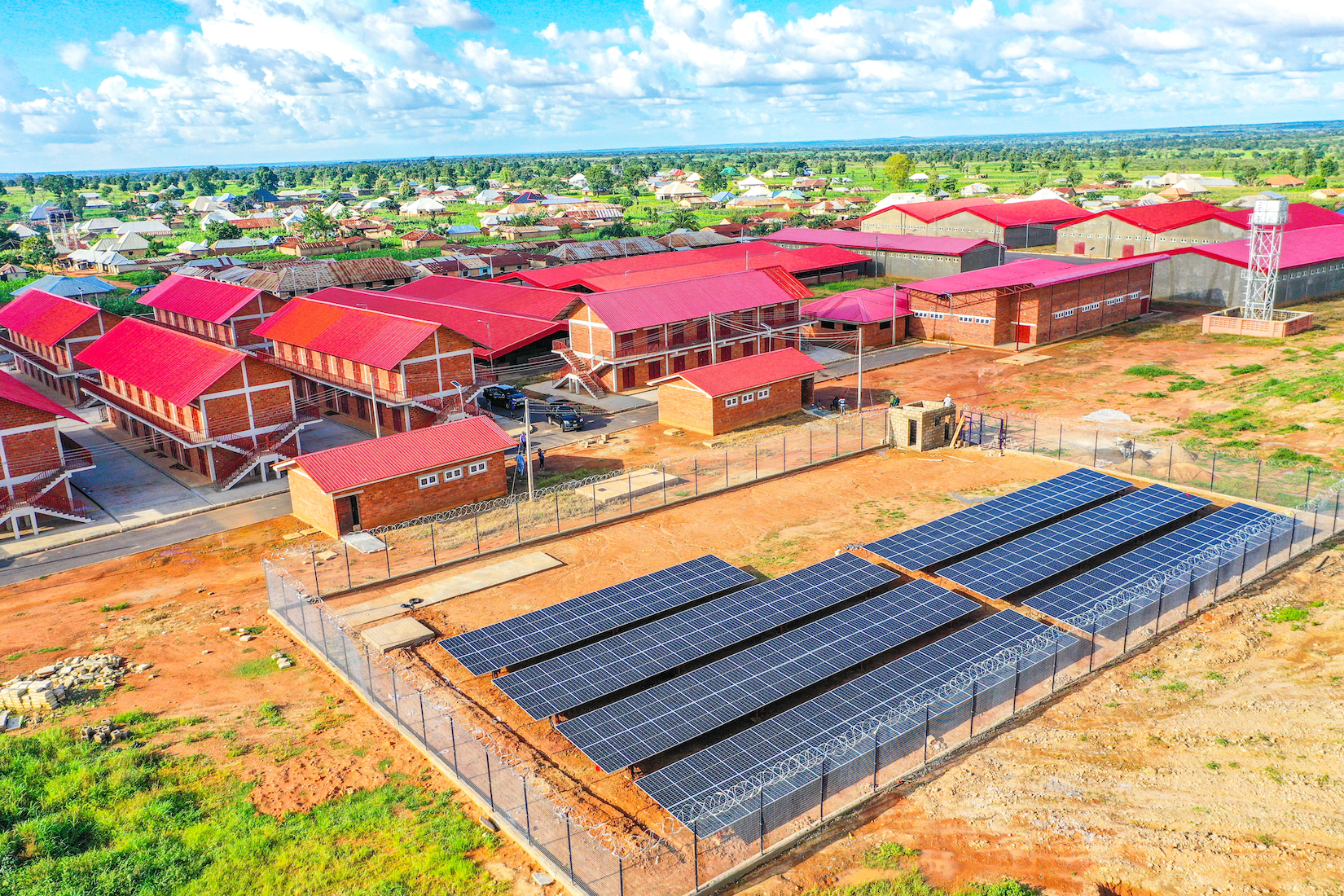
They can function independently or alongside the grid. Most mini-grids use solar panels, batteries, and sometimes diesel generators as backup. The solar panels generate power during the day, while the batteries provide power at night.
One of the advantages is reliability. Since mini-grids are smaller, and service a specific geographic area, it is difficult for them to experience widespread failure. If there is a problem, it will be easily resolved.
With mini-grids, communities and operators have more control. Supply and demand can be managed directly, which allows energy to be used more efficiently.
By focusing on local generation and distribution, mini-grids offer a completely different approach to electricity. Instead of depending on a centralised system that serves the whole country, they are designed to meet the specific needs of the communities they serve.
Why mini-grids are gaining traction in Nigeria
Interest in mini-grids is growing fast, largely driven because Nigeria’s central grid keeps failing. The high rate of outages has made the grid system unreliable, thus forcing communities and businesses to look for alternative sources.
The government has also played a crucial role in the development of mini-grids. The Rural Electrification Agency (REA) has supported the development of mini-grids in the country, deploying more than 250 mini-grids in 2025.
The cost of solar technology has reduced, thus making mini-grids cheaper to build and operate. Advances in battery storage have also made power supply more stable.
Private sector interest has grown alongside these developments. Developers now see mini-grids as a viable business opportunity, especially in areas with strong demand but weak or no grid access.
Abba Aliyu, CEO of the REA, said 28 new mini-grids are scheduled to be completed in the first quarter of 2026.
Under the World Bank–funded DARES initiative, the REA is also overseeing mini-grids aimed at providing electricity to 17.5 million Nigerians. The project plans a total of 1,350 systems nationwide.
Additional projects are also underway. Another 39 mini-grids are planned through federal capital projects and the National Public Sector Solarisation Initiative. Concurrently, another 23 mini-grids are set to be available through the Africa Mini-grid Programme. This could propel Nigeria towards having over 1,000 mini-grids by 2026.
“Mini-grids are not just about access. They are about enabling economic activity,” David Arinze, an energy access specialist, told Energy in Africa. “When power becomes reliable, communities start to grow. These systems will over time contribute towards societal and economic development, providing an environment conducive for development.”
It is this mix of impact that explains why mini-grids have started gaining traction. In a country where the main grid is still struggling, mini-grids have clearly proven to be more than just a stopgap fix. They are becoming a strategic solution to Nigeria’s energy challenges.
Challenges limiting the expansion of mini-grids in Nigeria
Although mini-grids have tremendous potential for development, there are challenges associated with it. One of the main challenges is regulation. There are complex licensing issues and tariff uncertainties. This creates difficulties for those investing in these projects.
Financing is another challenge. Building a mini-grid requires large upfront capital. While the long-term benefits are clear, raising the initial funds can be difficult. Risk perception also slows investment. Some investors worry about returns and policy stability. These concerns make them cautious about entering the market.
Operational issues add to the complexity. Logistically, the installation of infrastructure in a remote area can be difficult. Another factor to consider is the involvement and acceptance by the community. Without this, a project may not be successful.
“Mini-grids only reach their full potential when communities are involved from day one,” said Arinze. “Where there is a lack of trust or understanding of the mini-grid system within communities, it results in poor uptake, and projects perform badly.”
Other challenges include technical capacity and availability of manpower. Trained personnel are needed for the maintenance of mini-grids. Furthermore, differences in policies between the federal and state governments have also contributed to the problem.
The above factors demonstrate why the development of mini-grids in Nigeria has not reached full potential. Despite its contributions to improving access to energy, mini-grid development in Nigeria is still a work in progress.
Can mini-grids scale fast enough?
The question of scale is central to the mini-grid debate. The existing levels of deployment are still very low in comparison to the levels needed to meet Nigeria’s increasing energy requirements.
Looking at other African countries provides useful contexts. In Kenya and Tanzania, mini-grid development has seen significant growth. This is because of streamlined regulations and investments in these markets.
Angola has deployed its first solar‑plus‑storage mini-grid system as part of a rural electrification drive. Benin is planning to develop nine rural solar mini-grids in rural areas. While Nigeria has made good progress, structural and institutional issues still exist.
There are mixed views among experts. While some feel mini-grids have the potential to scale up with the right support, others feel changes are required before scaling up can occur. What is clear is that there is a gap between intent and implementation.
Closing this gap can be addressed through deliberate effort. More clarity and consistency are required in policies. Uncertainty reduction is vital to attract more investors and increase deployments faster.
As Nigeria continues to struggle with power deficits, mini-grids have the potential to move from the sidelines to the core of Nigeria’s energy agenda. The pace at which this happens will determine how Nigeria can develop its opportunities for economic growth.