


South Africa’s energy sector has seen a major development with the signing of a 17-year coal supply contract between Exxaro Resources and Eskom Holdings SOC Ltd.
Under this contract, a steady supply of coal will be provided from Exxaro’s Matla Coal Mine to the Matla Power Station in Mpumalanga, running from April 2026 to November 2043.
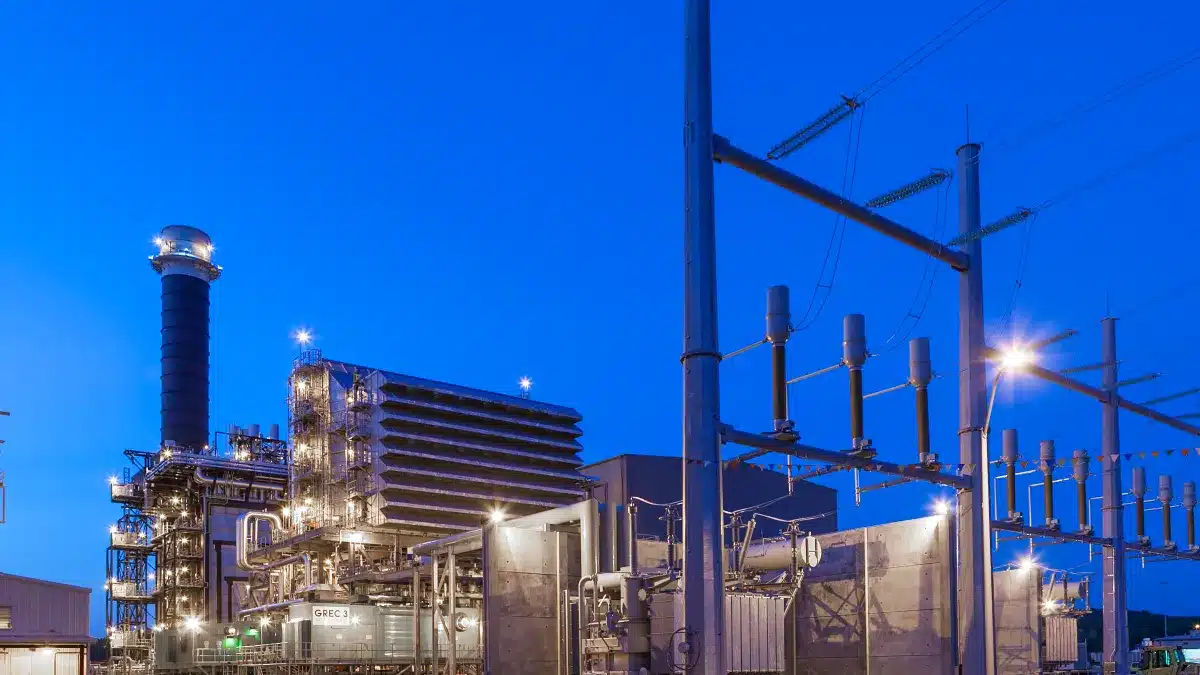
Matla Power Station, which forms part of Eskom’s major baseload power stations, depends on the steady supply of coal to ensure the continuity of production. This new contract ensures that the mine supplies coal in sufficient amounts for the plant to generate electricity without interruption.
This stability is significant considering that South Africa seeks a balance between baseload power with the integration of renewable energy while facing the challenges of ageing power infrastructure and increasing electricity demand.
With more than 86% of the electricity generated in the country provided by Eskom, it is important for the company to maintain efficiency and sustainability. The long-term agreement makes it easier for the company to plan its power generation.
The strategic significance of the Matla mine for Exxaro cannot be underestimated. With investments being made to expand the life of the mine, this will ensure sustainable operations as well as jobs and economic activity in Mpumalanga.
This report highlights six key facts about the Exxaro-Eskom agreement. Each fact sheds light on why the deal matters for coal supply, energy infrastructure, and South Africa’s transition to a more diverse energy mix.
6. The deal is designed to stabilise the grid in South Africa’s energy transition period
Coal forms an essential element in South Africa’s electricity system because they supply the necessary power required to stabilise the grid. The new 17-year deal between Exxaro and Eskom guarantees that the Matla Power Station maintains efficiency as South Africa turns towards renewable sources of energy.
“The signing of this new Coal Supply Agreement marks an important milestone in our long-standing partnership with Eskom and reinforces our shared commitment to supporting South Africa’s energy security needs in line with national demands and fluctuating geopolitical influencers,” Ben Magara, Chief Executive Officer of Exxaro, said in a press release.
Magara’s remarks underscore the importance of the Matla Power Station in Exxaro’s coal assets.
A consistent supply of coal is important in balancing fluctuations associated with renewables. Without steady baseload generation, the grid faces the possibility of going down due to load-shedding. This problem has been common in the last few years.
Through this agreement, Matla Power Station will be able to run at maximum capacity while contributing to the entire electricity system. Furthermore, this deal complements Eskom’s plan of decongesting the grid while allowing quick integration of renewable generation into the grid.
By ensuring steady supplies of coal, Eskom will manage to achieve its objective of operating consistently without compromising on the expansion of renewables.
5. Eskom’s investment in the Matla Life‑of‑Mine expansion
The 17-year Exxaro-Eskom coal supply contract is supported by Eskom’s investment in the Matla Life-of-Mine (MLOM) project. This development enhances the mine’s ability to supply coal consistently during the period of the contract.
This project prolongs the life of the Matla Mine and guarantees regular production without any supply interruptions to the Matla Power Station. This infrastructure backing gives Eskom greater certainty and helps ensure uninterrupted generation.
“This agreement ensures predictability and stability in the supply of coal to the Matla Power Station, an essential component of our generation fleet, and reinforces a partnership that has supported the nation’s power system for more than four decades,” Dan Marokane, Eskom Group Chief Executive, said in a joint media statement.
According to energy experts, the significance of such projects cannot be understated when we look at the energy landscape of the country.
“While transitioning to renewable energy is vital, coal evolving to cleaner methods provides a buffer against energy shortages. It ensures industries and households have reliable access to power while supporting Eskom’s baseload capacity,” Thabo Maseko, a South African energy specialist, told Energy in Africa.
The MLOM expansion will make operations even smoother for Eskom. With extended mine life and reliable coal output, planning by Eskom becomes more efficient, with little chance of disruptions in supply.
The agreement also ensures economic activity in the province of Mpumalanga, keeping employment opportunities intact for those associated with the mine’s business chain.
With infrastructure development and guaranteed supplies of electricity, the deal is an example of South Africa’s approach to dealing with the energy transition from non-renewable to renewable energy resources.
4. About 9.3 million tons of coal per year
In accordance with the 17-year-long contract, Exxaro’s Matla Mine will deliver around 9.3 million tons of coal each year to Eskom’s Matla Power Station. Such a quantity accounts for a major share of the fuel that the facility needs in order to operate.
The stable supply of coal is vital for the proper functioning of the plant. As a result of the constant flow of fuel, the power station can arrange for regular maintenance and avoid purchasing additional coal on an emergency basis.
Maseko says the volume commitment is one of the deal’s defining features. According to him, coal continues to underpin most of the country’s generation capacity because of its scale and stability compared with intermittent renewable sources.
“Securing 9.3 million tonnes annually gives Eskom the confidence to operate Matla as a reliable baseload plant. Coal remains essential to balancing the grid, especially as South Africa scales up renewable energy,” Maseko explains.
In addition to domestic supply, Exxaro is increasing its coal export capacity. According to the company, coal exports are set to increase by 12 percent during the current year, while 2026 will see an increase in tonnage to 8 million metric tons from 7.1 million metric tons last year.
For the Matla Power Station, which uses coal for its operations on a regular basis, having 9.3 million tonnes of coal ensures that this facility will not experience any problems with a shortage of coal supply. The steady flow of coal is expected to make the power station remain a reliable contributor to South Africa’s baseload generation.
The 9.3‑million-tonne annual supply forms the backbone of operational reliability and energy security, making this aspect of the deal one of the most significant.
3. Coal will be supplied from Matla Mine
The Matla Mine will provide all the coal to Matla Power Station in Mpumalanga under the newly signed contract over a period of 17 years. This ensures that there is an uninterrupted flow of high-quality coal required for the efficient production of power at the station.
This has enabled Eskom to better manage its coal inventories and even schedule their maintenance activities more efficiently. It also reduces reliance on short-term or external coal purchases, lowering operational costs and helping to stabilise generation.
“Linking a power station to a single, reliable mine simplifies logistics and secures a predictable fuel supply. This is essential for maintaining stable baseload power while the grid integrates more renewable energy,” Lindiwe Ncube, an energy analyst, told Energy in Africa.
Beyond operational benefits, the supply line supports regional economic activity. Local transport operators, service providers, and business entities linked to the mine will have regular employment opportunities, providing security and livelihood sustenance in the province of Mpumalanga.
In essence, the Matla Mine–Matla Power Station connection is not only a logistical one. It is a backbone of South Africa’s electricity system, forming the foundation of the country’s energy supply infrastructure for the next 17 years.
2. Legacy of coal supply contract established in 1983
This 17-year contract has come from the long-standing collaboration that started way back in July 1983. For more than four decades, Matla Mine has delivered coal to Matla Power Station, creating a legacy which is one of the longest in South Africa.
This legacy of partnership and consistency is very significant. It makes planning possible for Eskom to plan generation capacity with confidence and invest in operational efficiency. For Exxaro, the new deal highlights the relevance of Matla Mine to its coal operations.
The historical relationship also ensures socio-economic stability for the surrounding communities. Employment and local supplier growth have been experienced by these communities over several decades, and an extended partnership will see them gain more over time.
In essence, the new agreement cements an existing partnership that has played a significant role in supporting the country’s energy production over the last 40 years.
1. The deal runs for 17 years (2026–2043)
The coal supply agreement between Exxaro and Eskom spans 17 years, starting on 1 April 2026 and ending on 30 November 2043. This duration is favorable for planning and investment purposes both for the mine and the power station.
“Contracting for 17 years is rare in the energy sector in South Africa. In doing so, Eskom is assured of uninterrupted coal supply while Exxaro can plan its life-of-mine growth and development without being concerned about market changes,” Ncube notes.
This period of time is essential for ensuring that Eskom’s operations run smoothly. With the availability of coal ensured for almost twenty years, Eskom will be able to conduct maintenance and manage fuel inventory while optimising power generation at Matla Power Station.
Exxaro will also profit from the long-term agreement since it ensures a steady source of income, allowing the company to invest in capital ventures and development within the region.
Such long-term agreements and coal projects are very significant as South Africa navigates its energy transition. The period of 17 years guarantees the stability of the operation of the Matla Power Station, contributing to the stability of the electric power grid.
In essence, the agreement provides operational security, financial predictability, and strategic stability for both Exxaro and Eskom. It is a cornerstone of South Africa’s energy planning for the next two decades.
What this means for South Africa’s energy future
The Exxaro-Eskom 17-year coal deal helps secure a steady coal source for Matla Power Station, which will allow the plant to continue providing base-load electricity as South Africa grows its renewable energy sources.
By locking in supply from Matla Mine, the agreement solves the problems of grid instability and provides certainty for operational planning. It also helps create job opportunities and economic development in the region.
Looking ahead, how Eskom balances its reliance on coal with renewable energy growth will be critical. Investments into the power grid, energy storage systems, and reductions in carbon emissions will prove key to South Africa meeting both energy demand and sustainability goals.
The agreement between Exxaro and Eskom is a stabilising factor that will play out over the coming decades. It ensures that coal continues to be a reliable source of baseload power as well as facilitates the steady development of renewable energy sources.