


East Africa is becoming the next battleground for Africa’s refining future.
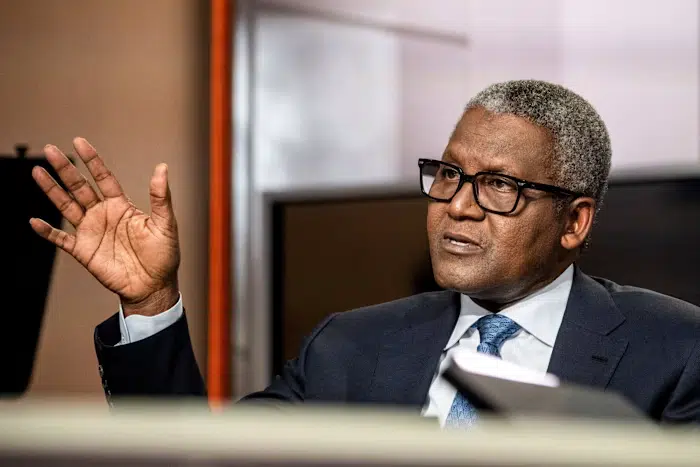
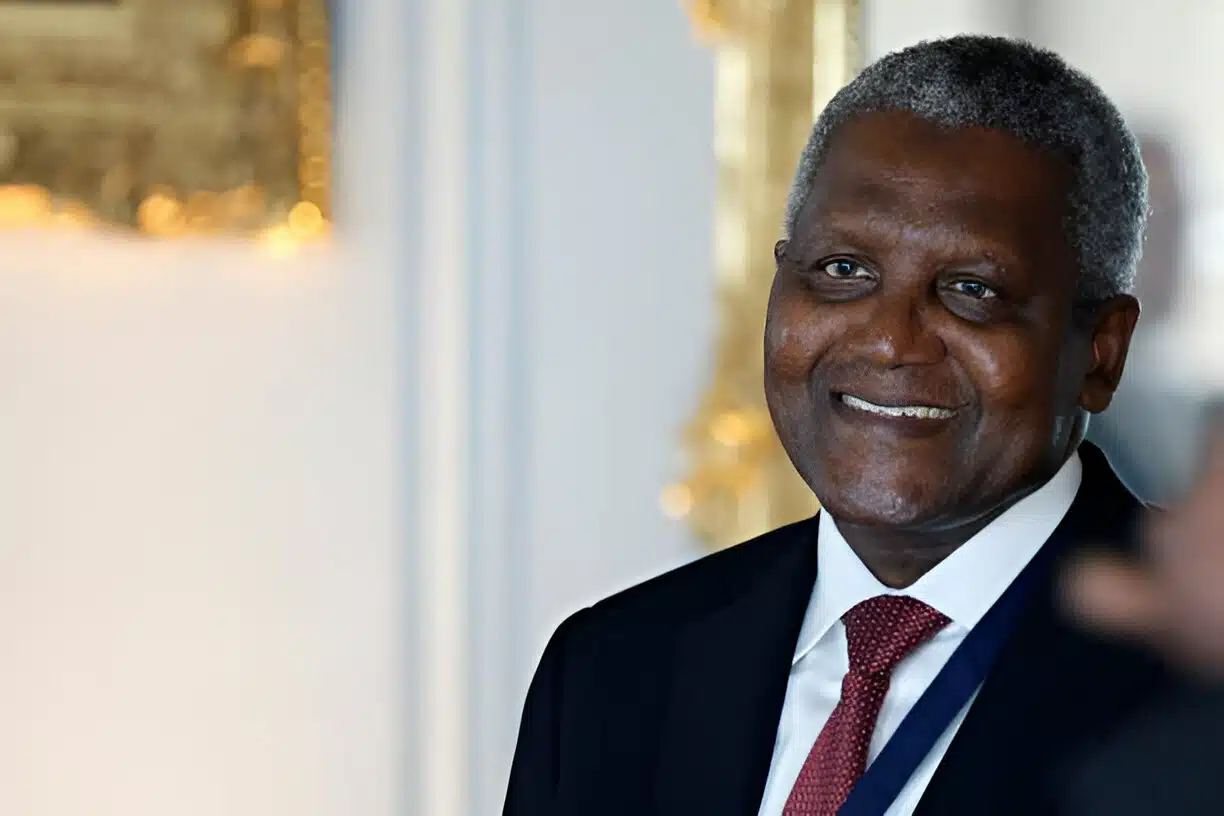
At the centre is Aliko Dangote, Africa’s richest man, who has proposed building a 650,000 barrels-per-day refinery in Tanzania’s port city of Tanga.
The plan is simple in idea but large in impact. It signals more than a new investment. It reflects a shift in how African countries are thinking about fuel supply and industrial growth.
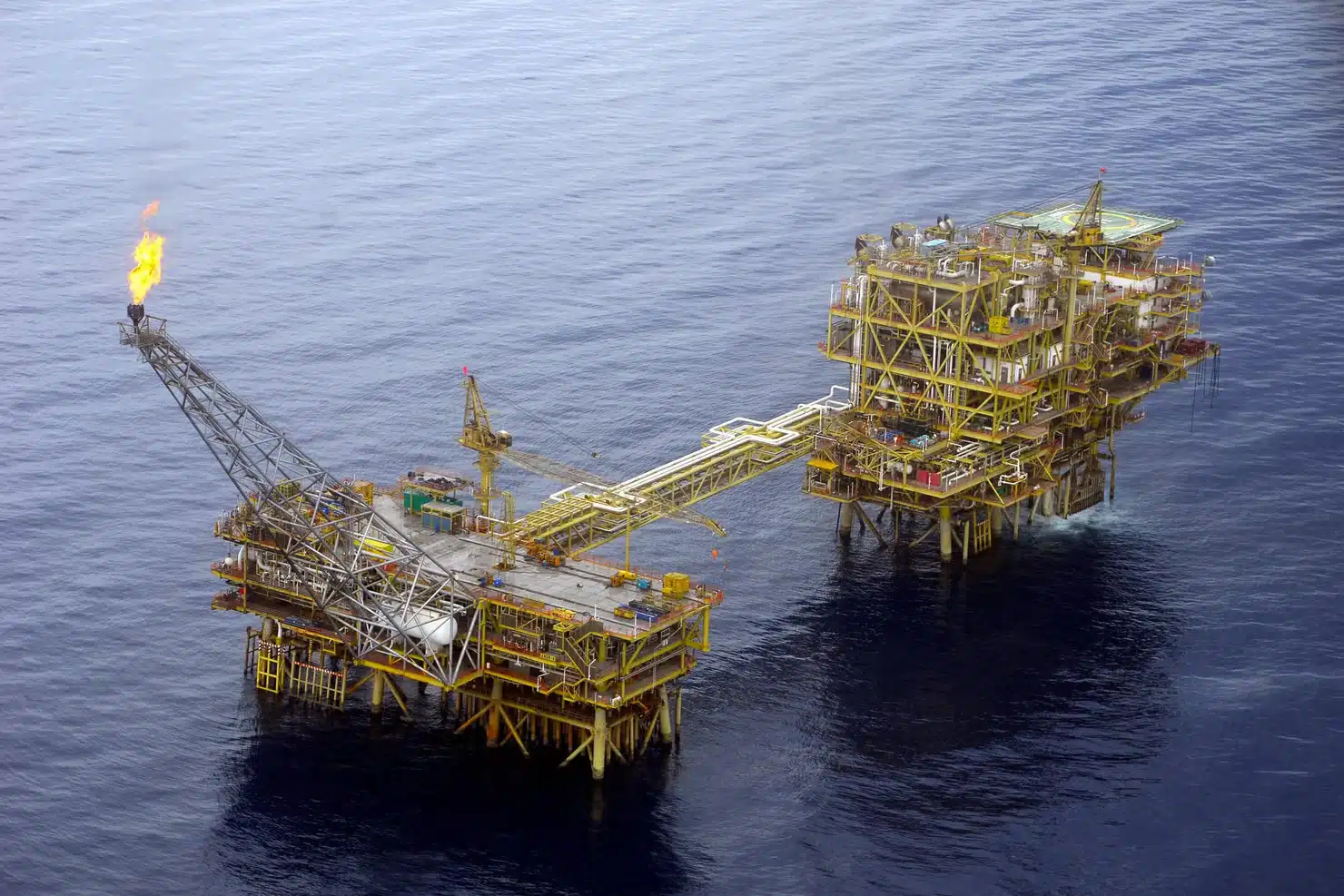
If built, the refinery would rank among the biggest in the world and could reshape how fuel is supplied across the region.
For decades, East African countries have depended on imported petrol, diesel and jet fuel. Most of these products come from the Middle East and Asia, leaving the region tied to global markets it does not control.
That dependence has often come at a cost. When global prices rise or supply is disrupted, the impact is felt quickly in local economies.
Recent geopolitical tensions have made the risk more visible. Disruptions linked to conflicts affecting oil routes have tightened supply and pushed prices higher.
These shocks have forced governments to look again at their energy systems. The question is no longer just about securing supply, but about producing more of it locally.
Dangote’s proposal lands at a time when that thinking is gaining ground. What was once a long-term ambition is now becoming a near-term priority, with large-scale refining projects moving closer to reality.
Understanding Dangote’s East Africa play
Dangote’s proposal is not a trial move. It is a repeat of a model he has already built and tested in Nigeria.
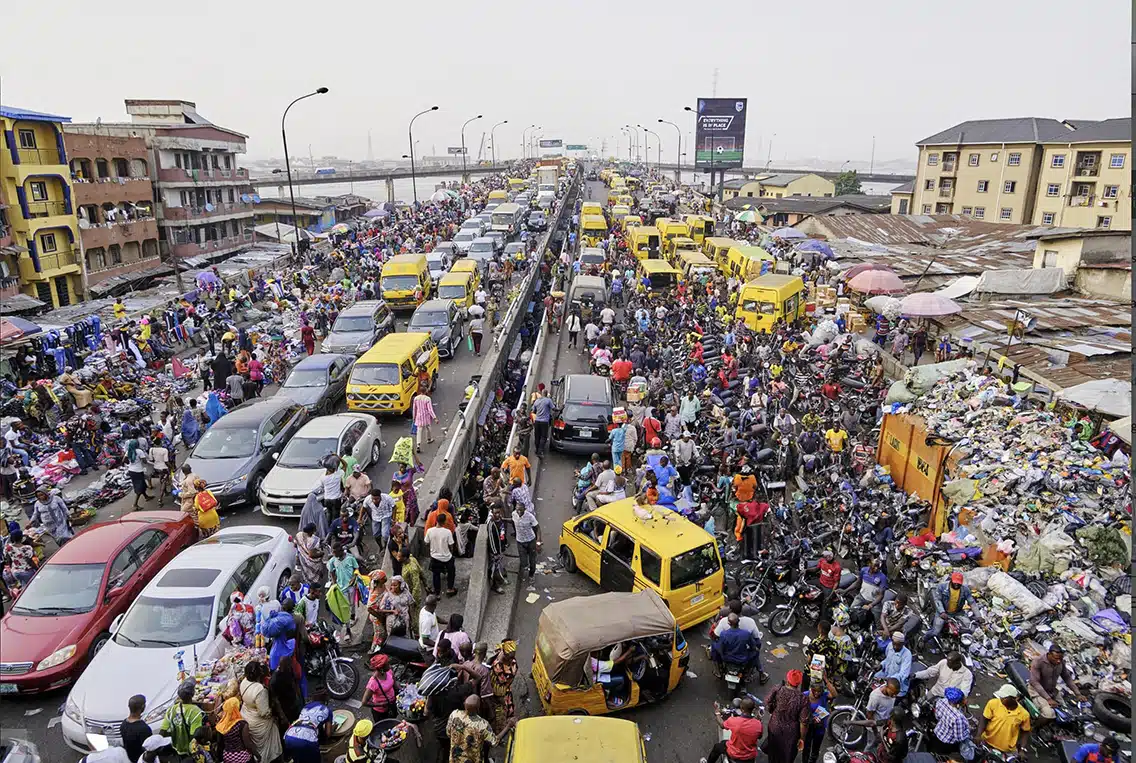
The refinery planned for Tanzania would match the 650,000 barrels-per-day capacity of his Lagos facility. It is designed to process different types of crude and supply fuel across East Africa.
The aim is clear. Produce more fuel within the region and cut down on imports that have dominated the market for years.
The project is expected to take four to five years to complete. There are also talks around a pipeline linking Mombasa to Tanga to support both crude supply and product movement.
The unique thing about Dangote’s approach is that his refinery operates within an integrated system. The Nigerian refinery is connected to the petrochemical industry and fertiliser production, providing him with different sources of income from the same facility.
The same model is what he intends to replicate in East Africa. It is not just about refining fuel, but building an industrial base around it.
Speaking in Nairobi, Dangote made his position clear.
“I can give commitment to the presidents here today that if they support the refinery, we will build the identical one that we have in Nigeria, a 650,000 barrels-per-day refinery,” Dangote said. “There is nothing that can stop it. We have done it before in Nigeria, and that is why we are taking this bold step again.”
He further added that expansion plans are being made for the Nigerian site as well. This includes taking the capacity up to 1.4 million barrels per day, making it one of the biggest refineries in the world.
For policymakers across Africa, that scale changes the conversation. What once seemed ambitious is now being treated as achievable.
Abdullateef Opeyemi, a downstream analyst, told Energy in Africa that the shift in thinking is already becoming clear across the region.
“Before now, most of the conversations were centred on smaller refinery projects. Dangote’s entry has changed that. Governments and investors are now thinking at a much larger scale because he has shown that it can be done,” he said.
In many ways, Dangote is not just entering the market. He is setting the pace for how refining projects in East Africa will now be built.
The region Dangote is entering and why it matters
To understand why Dangote’s move is significant, you have to look at how East Africa’s fuel system actually works.
According to the Africa Finance Corporation (AFC), Africa will need at least two more refineries in Dangote refinery’s category to meet rising fuel demand, noting that 70 per cent of refined fuels in Africa are imported.
That dependence comes with clear costs. It leaves countries exposed when global oil prices rise or when refining margins tighten in international markets. Any shift abroad is quickly felt at the pump.
It also puts pressure on foreign exchange reserves. Fuel imports are paid for in dollars, which makes local currencies more vulnerable when global conditions change.
On top of that, supply is not always stable. Shipping delays, global tensions, and transport bottlenecks can all lead to shortages in local markets.
The structure itself is not the problem. East Africa has a functioning fuel distribution system. The challenge is that most of the supply comes from outside the region.
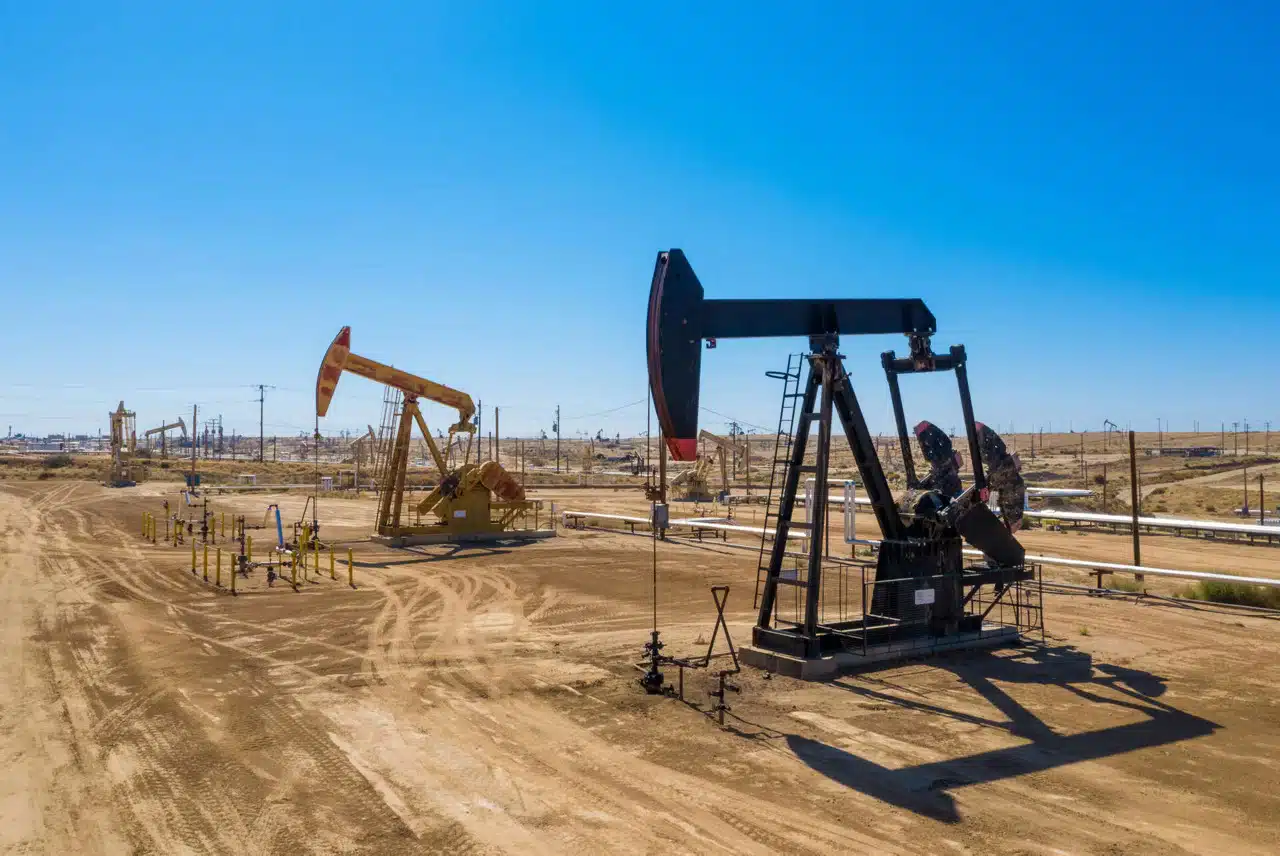
There is no lack of oil resources in the region. Uganda has ongoing developments in the Lake Albert basin, while South Sudan is already producing crude, as well as DRC which has unexploited capacity for oil production.
The only thing missing is the capability to process the crude produced in the region. This forms the core of efforts aimed at constructing mega refineries.
It is also the gap Dangote is moving into.
The potential rivals competing with Dangote
Dangote’s proposed refinery stands out as the most ambitious industrial project currently on the table in East Africa. But his main competition is not a single company or private investor. It is a mix of state-backed plans and the existing system that already supplies fuel to the region.
At the same time, governments within East Africa are adopting various approaches when it comes to energy development. While some countries have their sights set on constructing refineries, others are exploring the possibility of shared regional projects or alternative fuel technologies.
While these projects may be distinct from one another and are developing at varying paces, collectively they define the environment Dangote is entering, and the realities his proposal will have to fit into.
1. Uganda’s Hoima refinery project
Uganda’s Hoima refinery remains one of the most important energy projects in East Africa, and one of the clearest attempts to move the region into domestic refining.
The project is designed to process around 60,000 barrels per day and is anchored on Uganda’s estimated oil reserves in the Lake Albert basin. It is expected to produce fuels, kerosene and petrochemicals, with commissioning timelines now projected toward the end of the decade.
However, what is changing is not just the project timeline, but its ownership structure.
Recent developments suggest a deeper regional alignment. Kenya intends to make investments in the refinery as part of a wider reciprocal arrangement, following Uganda’s stake in the Kenya Pipeline Company.
This shifts Hoima from being a purely national project into something more regional in character, tied to cross-border infrastructure ownership.
The project’s scale remains small compared to proposed mega-refineries like Dangote’s 650,000 bpd facility, which positions Hoima more as a domestic supply anchor than a regional price-setting competitor.
In competitive terms, it sits far below Dangote’s proposed refinery in both capacity and market reach.
In effect, Hoima is becoming less of a standalone project and more of a piece within a wider East African energy integration model.
2. Ethiopia’s Gode oil refinery project
Ethiopia is also moving to establish its first major oil refinery in the Somali Region, through a $2.5 billion project in Gode.
The plant is being developed by China’s Golden Concord Group (GCL) and is designed to process crude oil and condensate from the Hilala oilfields. Upon completion, the plant will be capable of producing 3.5 million tons of oil yearly, which is going to be a big move towards energy independence for Ethiopia.
The refinery is part of an overall industrial policy that has also seen plans for a fertiliser factory in the same area. Both projects serve the purpose of lowering import dependency and promoting agriculture and industry.
The focus is largely domestic, but the size of the project gives it some regional significance. This is especially true in terms of improving fuel availability and supply stability within the Horn of Africa.
James Nkechi, an energy policy expert, told Energy in Africa that Ethiopia’s refinery strategy is structurally different from Dangote’s regional model.
“Ethiopia’s Gode refinery is designed to solve a domestic supply problem first. While it will increase energy security in the country, it is not set up to serve as a pricing or distribution hub for the region the way that Dangote plans to do in East Africa,” she said.
In practical terms, this means the Gode project will enhance energy security in Ethiopia but does not provide any direct competition to a mega-regional refinery project.
3. Tanzania’s gas-to-liquids strategy
Tanzania’s efforts towards refining are different from those being undertaken by countries like Uganda and Nigeria because instead of focusing only on crude oil processing, it is leveraging its natural gas reserves.
One such process that Tanzania has been exploring is the Gas to Liquids (GTL) technology. In this process, the natural gas is converted into liquids such as diesel and jet fuel. This approach allows Tanzania to monetise gas reserves while reducing reliance on imported refined products.
It is a different industrial pathway entirely.
Unlike traditional refineries that process crude oil, GTL facilities are highly specialised and often smaller in scale. They are also more sensitive to capital costs and global gas pricing.
“GTL is attractive because it uses local gas resources, but it does not replace a full refinery. It works alongside refining systems, not instead of them,” Nkechi noted.
This means Tanzania’s gas strategy may influence specific segments of the fuel market, especially aviation fuel and premium diesel. But it does not replace the need for large-scale crude refining infrastructure.
In relation to Dangote’s proposal, it is not a direct rival. It is a parallel energy strategy operating in a different segment of the market.
4. Kenya’s evolving role in East Africa’s fuel system
Although Kenya no longer operates a refinery, it continues to play a key role in the supply chain of fuel in the East African region.
The former Mombasa refinery has been shut down and now acts as a storage and import facility. At present, Kenya acts as a distribution center for fuel that is imported via Mombasa Port.
From there, fuel is moved inland through pipelines and road networks into Kenya and other neighboring countries. Therefore, Kenya plays an important structural role in fuel distribution within the region, even without a refinery.
If the Mombasa-Tanga pipeline project materialises, Kenya may assume a strategically important position. It would connect coastal import infrastructure to the new refinery in Tanzania, strengthening its position in regional fuel movement.
So while Kenya does not compete with Dangote in refining, it still represents a structurally important element of any system that moves fuel across East Africa.
Why East Africa is attracting refinery investment
The growing interest in refining across East Africa is not driven by policy alone. It is underpinned by demand. The consumption of fuel in the region continues to grow, as populations expand and transport systems develop.
Nations like Kenya, Tanzania, and Uganda see a growing need for petrol, diesel, and jet fuel, while countries like Rwanda and some parts of the Democratic Republic of Congo are heavily dependent on imports routed through coastal infrastructure.
On the other hand, industrial activity is growing, necessitating a greater need for reliable energy sources.
Geography also plays an important role. The existence of significant ports in Mombasa and Tanga enables access to international shipping routes, while inland crude resources create opportunities for integrated supply chains.
Pipeline projects, both existing and planned, are beginning to link these elements together. The East Africa region represents not just a market, but a system that is still being built.
Will Dangote dominate or coexist?
Dangote’s track record suggests that if the Tanga refinery moves ahead, it will carry significant weight in the regional market from the start.
His Lagos refinery has already begun reshaping fuel trade flows in West Africa. It has reduced import dependence and created new export patterns. A similar development in East Africa could shift how supply chains are structured across the region.
But dominance is not guaranteed.
Governments in the region have continued to show interest in keeping control over vital energy resources. The attempt to build a joint refinery facility reflects that preference for shared ownership and regional coordination, even if progress has been slow.
This creates a clear tension between two approaches. One is private capital, led by Dangote, which offers speed, scale and execution capacity. The other is state-led cooperation, which prioritises control, shared benefit and political balance.
Most analysts expect the outcome to fall somewhere in between.
“It is unlikely that one project will replace all others. The region will probably end up with a mix — some private-led capacity, some state-backed projects, and continued imports in the short term,” Opeyemi said.
In that sense, the real question is not whether Dangote will dominate or be blocked. It is how far his model will sit alongside state-led efforts without fully displacing them.
Whether Dangote rises to be the clear market leader or becomes just another player among others, the East African region is certainly headed for a new era where more of its energy needs will be met locally. This alone represents a turning point.