


I did not know where to begin this article since it is a personal reflection on how things have evolved or failed to evolve in Nigeria’s electricity space.
It is like that old saying: the more things change, the more they stay the same.
As a Nigerian I grew up in a lithe, rural-set tale. The hums of the little blue covered Tiger gen were the sound of semi urban luxury in our neighbourhood.
I still recall the first neighbour who got the generator in my compound then. We used to call him Mr. Bright.
Most Nigerians were not so accustomed to the small, pocket friendly gen then. It usually came with the suspiciously ostensible MADE IN CHINA written all over it.
Only a few people in the whole neighbourhood had one or two of these machines that served as an alternative to the ever epileptic NEPA condition.
This was more than twenty years ago. I was barely a teenager.
But I was fascinated, like most people then, by the evolution of a new entry of machinery that would become a household name in the coming decades: the I better pass my neighbour.
At that time, only the super wealthy had generators.
They were usually huge, high voltage engines most likely a Lister or a Mikano which were primarily designed to power factories and industrial hubs but were now being used for household purposes.
The entry of the I better pass my neighbour gen was a game changer.
It allowed the middle class and even fairly earning lower class to save enough to afford an alternative to the grueling heat that hoisted the bodies of those without any option in the dark.
It was easier to operate, portable, emitted less carbon monoxide than its bigger rivals and consumed much less fuel.
After Mr. Bright got his, it did not take long before others followed. Our house had about twenty one apartments and about fifteen of those eventually bought similar generators.
A lot has changed since then.
Quite candidly I do not see that machine as often as I once did growing up. Many people have replaced theirs with something bigger, more fuel efficient or more powerful.
Others have opted for solar panels, shared estate generators or a Mikano heavyweight. The generator itself is no longer as affordable as it used to be.

With government restrictions on importation and the economy taking its toll on prices generally, the I better pass my neighbour is slowly leaving the Nigerian market.
The truth is that in twenty years not much has changed in terms of improved capacity in electricity distribution.
Most people still rely on diesel powered gens for households, shops, factories, salons and other services that require electricity.
Nigeria’s electricity capacity grew to about 5,000 MW in the last thirty years or so. But it has remained incapacitated since then, leaving millions in entrenched darkness.
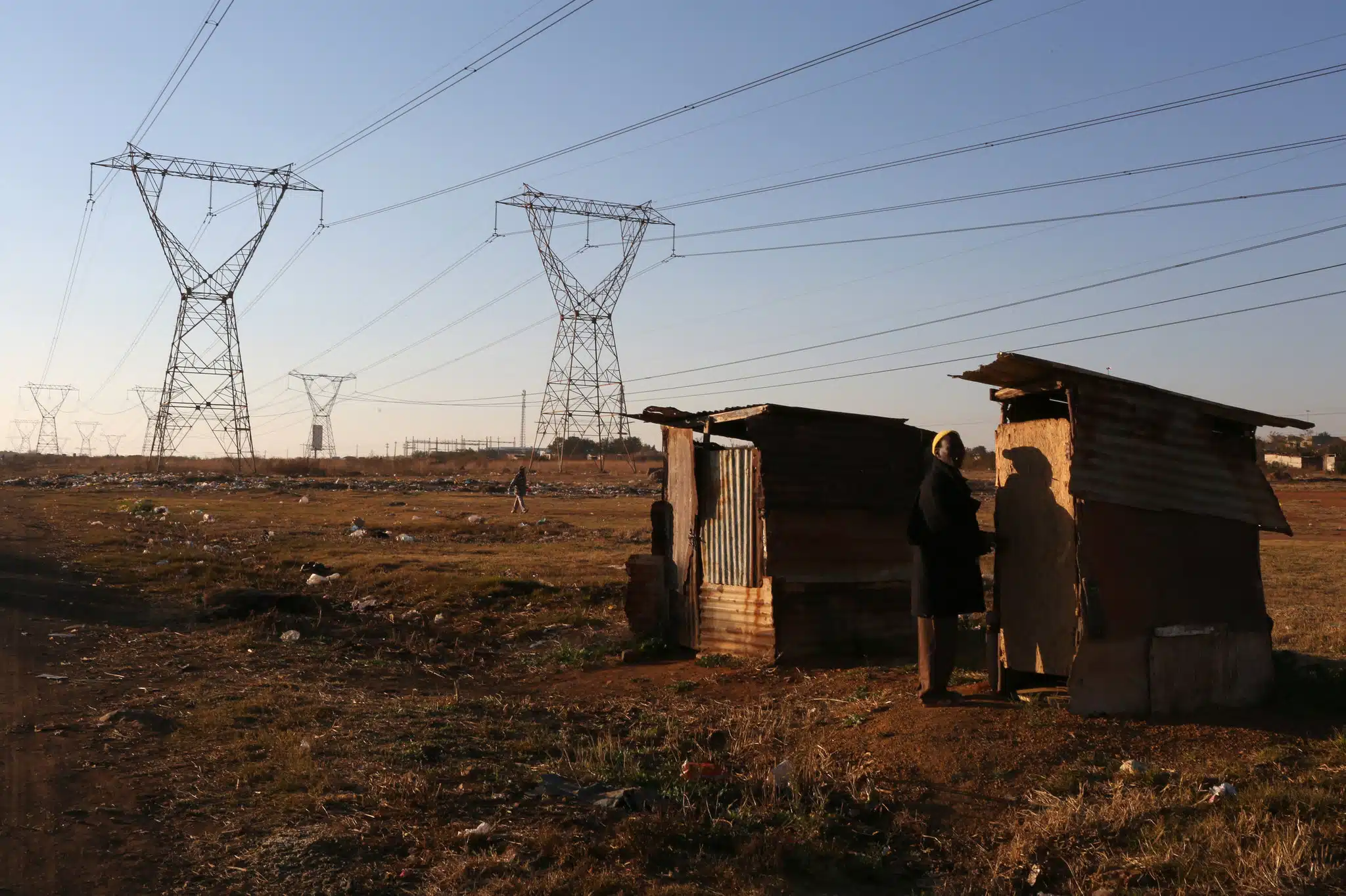
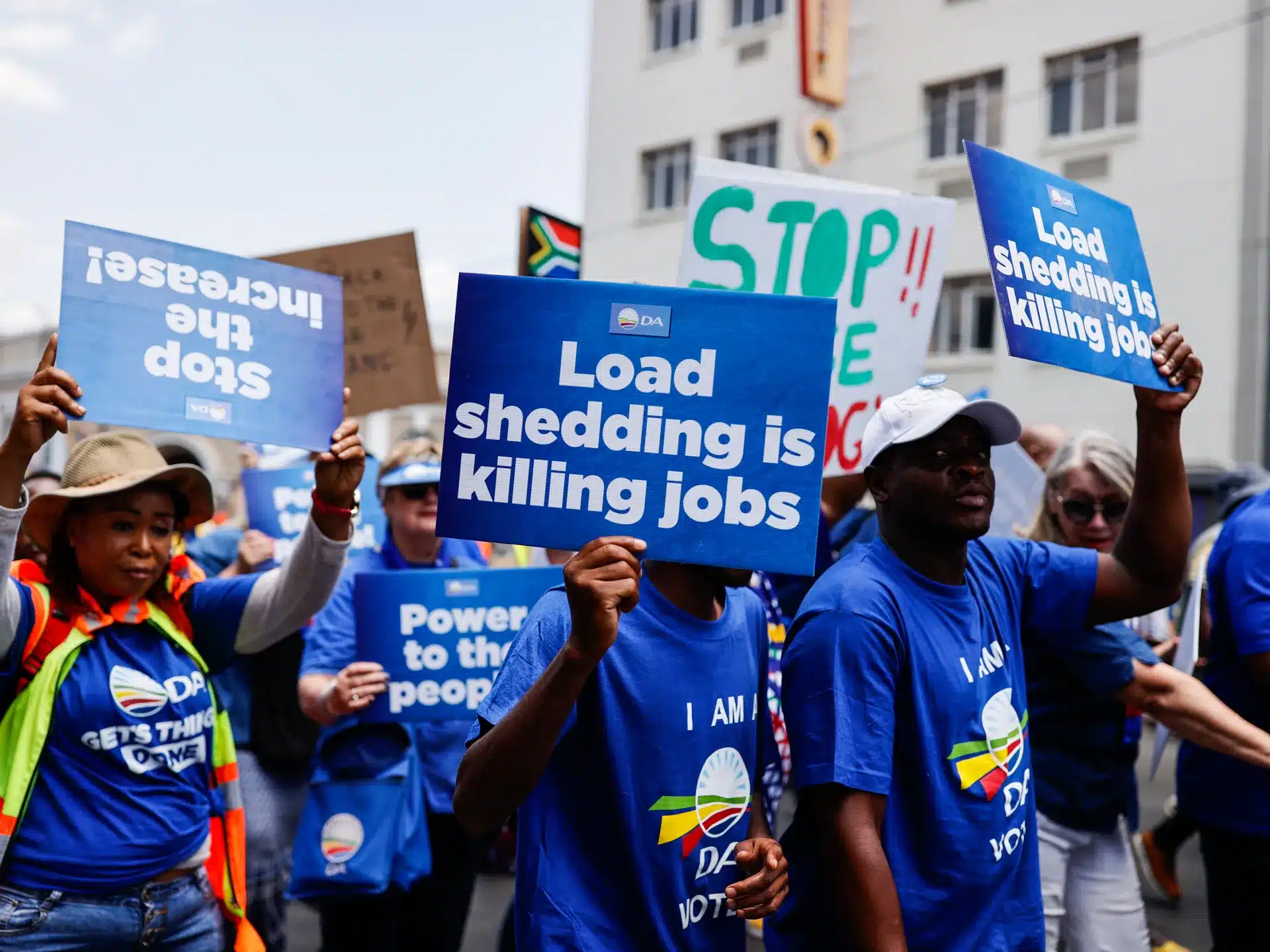
The country has the highest number of people living without electricity in the world.
Today I see a change in the way people solve power deficit challenges.
Unlike the era when the I better pass my neighbour was making waves, a new trend of alternative is setting the pace.
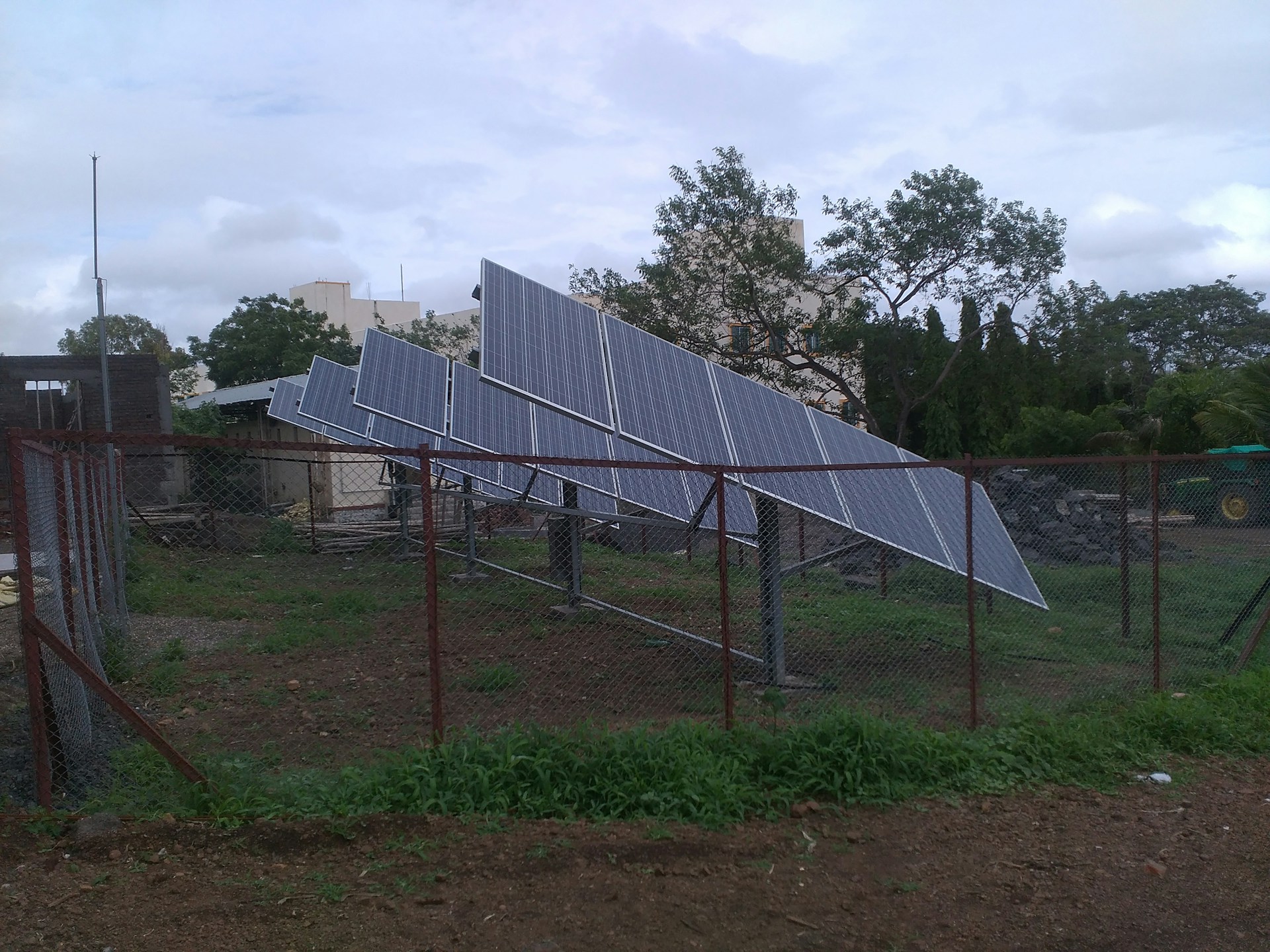
What I see now is most Nigerians, just like my neighbours in our apartment then, migrating from the centralized grid to a more private, isolated solar energy system.
The allure of hanging a solar panel on your rooftop, free from the harsh reality of unstable electricity and ever expanding NEPA bills, has a ring to it.
You get stable electricity and a heightened feeling of being indeed better than your neighbour.
After all, solar energy is not cheap. Unlike the cost friendly, blue-covered Tiger gen, only those who are well to do can afford a fully solar roofed home with twenty four hour electricity and no care for NEPA.
I am aware that there are solar firms who offer discount prices, pay-as-you-go model to their customers, but ultimately, the solar revolution tends to favour the urban-set dwellers than it does the common man.
But beyond this class distinction, the burgeoning solar adoption by the Nigerian elite does not solve the electricity deficiency.
It only reinforces the fact that the problem remains unresolved.
The problem is the long standing failure to fix Nigeria’s power condition after more than two decades of trying.
Nigerians are no doubt resilient people; they are fond of stepping in and doing things themselves especially in places where government’s failure is apparent.
You don’t give us pipe borne water? We drill our own boreholes. In the absence of a working public school system, we build our own public schools and send our children there. We grow our own food. Build our own house. Innovate on basic amenities other nations’ citizens take for granted.

The harsh truth is that Nigerians are the only people in the world ask to do things themselves; this is the evolution of the I better pass my neighbor generator.
It reflects that self willed, do it yourself spirit that is typical of the average Nigerian.
The government can’t just provide electricity; so we look around and find a working alternative — a pocket-friendly, tiny device that lights the bulbs in our homes and powers the fans in our shops.
“I better pass my neighbour”, we declare; simply because we have find a way to do what government should do for everyone ourselves!
The solar evolution in Nigeria is following similar self-styled, libertarian approach that leaves many worse off, but a few protected from the failure of central government planning.
Electricity, all across the world, is the responsibility of the government and the government alone.
No country asks its citizens to buy their own power plants, erect their own electricity poles, secure a transformer and connect to a self-made grid.
These are responsibilities the government has to take on given its economy of scale. It’s like building roads or providing security.
You don’t ask people to build their own fences and then declare it a national border.
Just as the I better pass my neighbor or even bigger generators did not solve the electricity challenge twenty years ago, off-grid solar will now do it twenty years from now.
Regardless of what the renewable energy advocates push and the rhetoric driving off-grid mini-grid scaling across the nation, fact remains that a centralized planning of electricity system will still offer more solutions than any other renewable alternatives out there.
The chief promoter of the renewable evolution to Africa’s electricity problems then was (and perhaps still is) the Africa Development Bank (AfDB) under the auspice of its last president, Mr. Akinwunmi Adeshina.
Mr. Adeshina had a simple philosophy: the industrialization of Africa is directly tied to its mass electrification projects. He is completely right.
As head of the development bank, he championed different off-grid projects in partnership with other international organizations alongside host countries across the continent.
With his Light up and Power Africa initiative, Adeshina was able to mobilise over $12.7 billion in funding for different renewable projects in his eight years in office.
According to some estimate, these projects brought electricity to about 25 million people.
While funding for such renewable projects are noble, they in no way move the needle of the 600 million Africa lingering in darkness despite billions of dollars spent.
At the current pace, with just 25 million people connected every decade, Africa would need about 240 years to achieve full electrification — and that’s without factoring in the continent’s population, which is expected to double by 2050.
In Nigeria, rural electrification programmes, another brainchild of an off-grid solar adoption campaign, claimed to have connect about 2 to 5 million people to renewable energy.
Given that the programme began in 2005 following the Electric Power Sector Reform Act (EPSRA), that means it took the government 20 years to even reach 5 million people (the numbers vary).
At this pace, with over 60 million Nigeria rural dwellers living without electricity, it only stands to reason that it might take another 240 years for these people to be reach — ironically similar to that of the AfDB.
Perhaps we do not have to wait that long to realize that the nation does not need a half-baked, highly personalized solutions to its energy needs. Maybe the answer is not an electricity that leaves one neighbour better off and the other worse off.
If we’re going to solve the electricity problem, Nigeria must recognise the economy of scales, provide large-scale infrastructure, build more gas-powered and thermal plants, fund more transmission lines and provide electricity in large quantities.
Massive hydropower projects come to mind also.
Take Ethiopia, for instance, another country with mass population and electricity shortfall like Nigeria. The East African nation decided to build a $5 billion hydropower dam that will supply a 5,000 MW electricity to its citizens.
Currently, Ethiopia has about 5,200 MW, with 90% of it coming from hydropower.
The new Ethiopian Renaissance Dam (GERD) is expected to double that capacity, and supply electricity to not less than 40 million people living in the country.
Similar trends can be found in other African countries including Egypt, Morocco, South Africa and Kenya where massive centralised infrastructure, upscale grid system meets the electricity needs of millions of people.
So far, the “I better pass my neighbour” individualised mentality still holds back the country’s electricity revolution.
An interesting story about Ethiopia is how the citizens of the nation came together, working both day and night, to help build the GERD hydropower for more than ten years.
A culture of being in it together was seen among the average Ethiopia with no one insisting he might as well mount a solar panel on his roof and go about his day.
The Nigeria’s electricity story may not be that dramatic.
But in situations where companies, factories and even churches now build their own integrated power plants, isolated and insulated from everybody else, it becomes increasingly apparent that it might be difficult for an average Nigerian to see the electricity challenge as a collective struggle and demand from the government a solution that leaves no one behind.
The last time I saw the I better pass my neighbour generator I was fascinated. I approached the vendor and asked for the price.
To my surprise he said it now sells for N140,000 ($94). I wondered if my neighbour back then would be able to buy it today.
In a working country, I wouldn’t have to wonder since my neighbour would be enjoying the electricity that doesn’t come from a small device made in China, but a gas thermal from his own government.