


South African power utility Eskom has finalised a Memorandum of Understanding (MoU) with Samancor Chrome and the Glencore–Merafe Chrome Venture aimed at reducing electricity costs for metal manufacturers in the country.
In a press statement released on Monday and seen by Energy in Africa, Eskom said the milestone followed constructive engagements held on Friday with the Minister of Electricity and Energy and organised labour.
The parties have jointly committed to developing a sustainable, long-term intervention for the ferrochrome sector, which has been severely affected by global market pressures and rising production costs.
The MoU formalises the creation of a joint multi-stakeholder task team comprising Eskom, the two producers, and government representatives.
Their priority is to design an intervention that supports industrial competitiveness while ensuring electricity-pricing solutions do not impose additional burdens on other customers.
A proposed solution is expected within three months.
The power challenge in South Africa’s ferrochrome sector
South Africa holds vast chrome ore reserves, accounting for about 70–72% of the world’s total. However, its share of global ferrochrome production has fallen from roughly 50% in the early 2000s to less than 30% today.
Ferrochrome producers face severe challenges from electricity costs, which have left operations uncompetitive. Tariffs have surged by more than 900% since 2008, far outpacing inflation and commodity price growth.
Rising costs have forced furnace closures and reduced production capacity, leaving smelters operating on the brink of viability.
To shield themselves from excessive costs, Glencore-Merafe and Samancor Chrome currently operate under Negotiated Pricing Agreements (NPAs) approved by the National Energy Regulator of South Africa (NERSA) in October 2023.
These six-year agreements, which took effect earlier this year, fall under the Interim Long-Term Framework issued by the Department of Mineral Resources and Energy in 2020.
The framework provides qualifying energy-intensive industries with access to globally competitive tariff structures aimed at supporting production, protecting jobs, and maintaining South Africa’s industrial capacity.
While these agreements have temporarily stabilised operations, both smelters have stressed the urgency of establishing a more sustainable, long-term solution in partnership with Eskom, which continues to battle widespread load shedding across its infrastructure.
In response, Eskom applied for a temporary waiver of take-or-pay obligations, which NERSA approved for a limited period.
Interim tariff plan for ferrochrome smelters
Meanwhile, Eskom confirmed that NERSA is currently processing an application for an interim tariff adjustment for the smelters, while the government is working on a complementary mechanism to support a more competitive pricing path for the sector.
The mechanism is expected to be finalised within three months.
Once the interim tariff is approved, Eskom stated that the smelters will suspend the Section 189 retrenchment process and bring about 40% of their furnace capacity back online, pending approval of the long-term solution being developed under the MoU.
“Eskom welcomes the collaborative efforts of government, labour, and industry. The MoU creates a structured process to find a sustainable and responsible solution that maintains industrial capacity while protecting broader electricity consumers,” said Eskom Group chief executive, Dan Marokane.
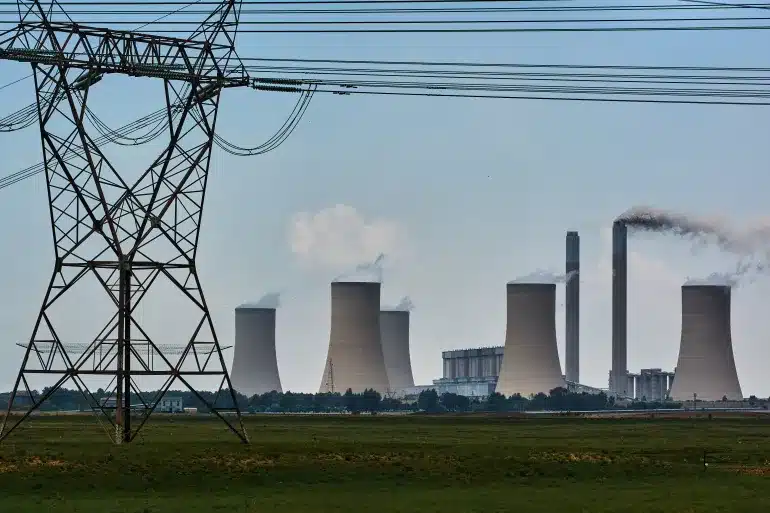
The utility, which recently added 9.6 GW of capacity to the grid through the operationalisation of Unit 6 at the Kusile Power Plant, reaffirmed its commitment to continue engaging transparently and constructively with all stakeholders.