
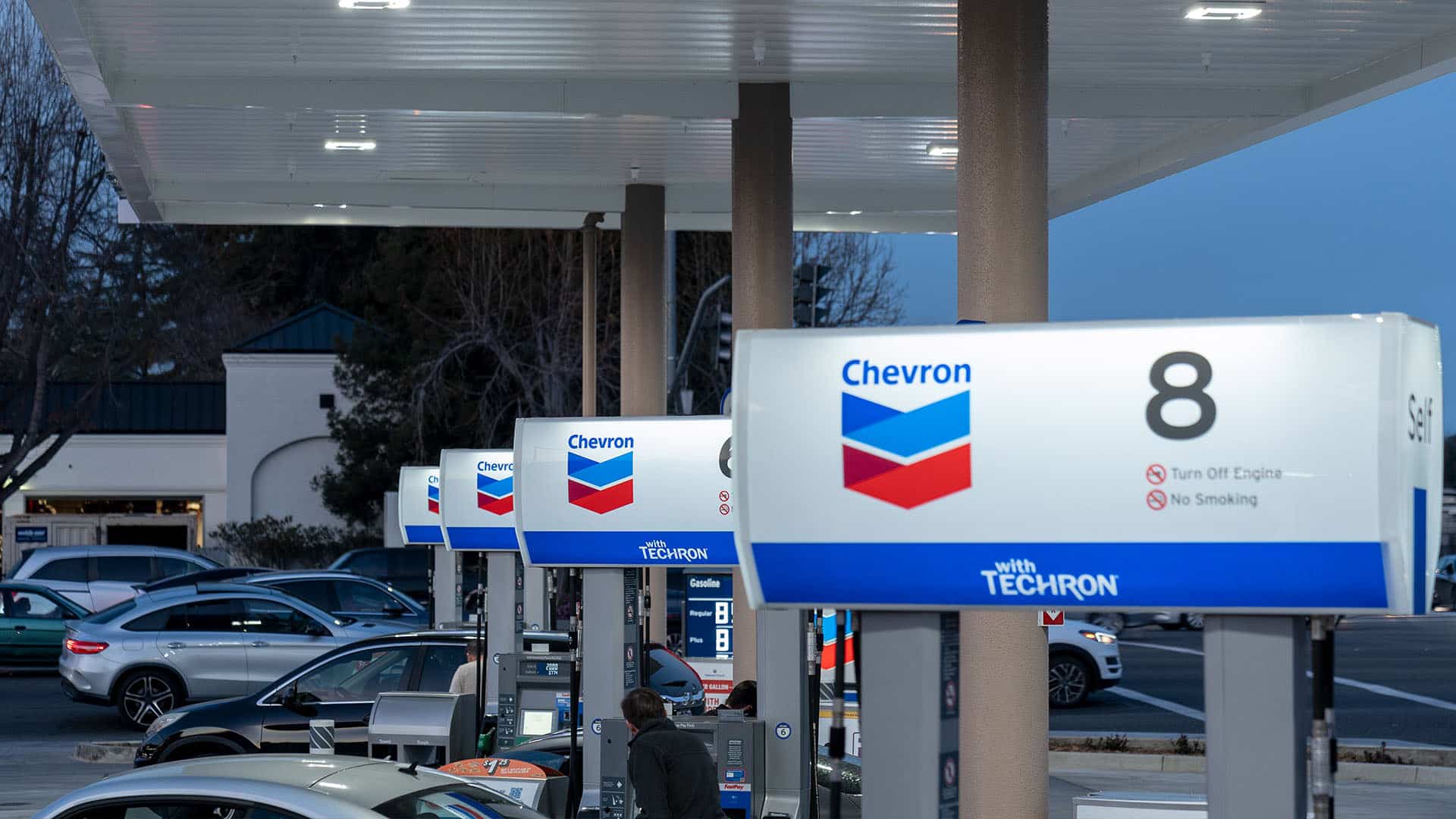


Libya’s National Oil Corporation (NOC) has awarded exploration licenses to American oil giant Chevron and a consortium of Spain’s Repsol and Turkey’s TOPC on Wednesday, in the country’s first licensing round since 2007.
Chevron secured rights to explore the Sirte S4 Basin, while the Repsol-TOPC partnership won access to the C3 basin. The NOC did not disclose financial terms or timelines for the exploration activities.
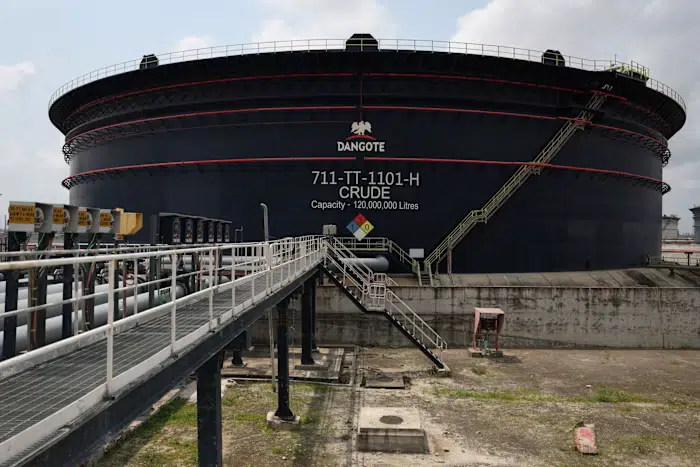
The awards come as Libya recorded its highest oil production in 15 years.
According to data from Middle East Economic Survey, the country averaged 1.374 million barrels per day in 2025, Libya averaged 1.374 million barrels per day in 2025, compared to much lower levels in prior years following the 2011 civil war.
Historical production levels
Libya’s oil output declined from 1.6 million barrels daily in early 2011 to approximately 300,000 barrels during the civil war, according to the U.S. Energy Information Administration.
The drop was so severe enough that the International Energy Agency coordinated an emergency release of 60 million barrels from member countries’ strategic reserves.
For over a decade, production remained unstable as competing governments and local militias controlled different oil facilities.
The country split between the internationally recognized Government of National Accord in Tripoli and the Libyan National Army controlling eastern regions, with both sides using oil infrastructure as political leverage.
The pattern continued into 2024. In August, a dispute over control of the Central Bank of Libya triggered the eastern government to shut down oil fields.
Production dropped from 1,279,386 barrels daily to 591,024 barrels within three days, the NOC reported at the time. The shutdown halted 700,000 barrels per day and pushed global oil prices up 7%.
International companies return after 10-year gap
Production resumed after the dispute ended in late September 2024. By December, the NOC announced production had surpassed its annual target, reaching 1,405,609 barrels per day.
International oil companies, including BP, Eni, Repsol, and OMV, resumed or expanded activities in Libya in 2024 after a multi-year absence.
The companies cited security guarantees from the Libyan National Army and improved operating conditions.
Libya holds Africa’s largest proven oil reserves at 48.4 billion barrels. Its light, sweet crude requires less refining than heavier alternatives, making it attractive to European and Mediterranean markets.
The 22 exploration blocks the NOC is offering are located near existing infrastructure, which reduces development costs for operators.
Chevron’s license in the Sirte S4 Basin gives the company access to one of North Africa’s most productive oil regions.
Repsol already operates in Libya, including the Sharara field, and has maintained a presence in the country since 1966. The partnership with Turkey’s TOPC adds to Repsol’s existing operations.
Economic impact and future targets
Oil revenues account for 95% of Libya’s export earnings. The World Bank reported that Libya’s economy recorded a fiscal surplus of 3.6% of GDP in the first nine months of 2025, up from 0.7% a year earlier.
The bank attributed the improvement to higher oil output despite softer global oil prices.
The NOC has set a target to increase production to 2 million barrels daily within three years. Meeting this goal requires foreign investment and technical expertise to rehabilitate aging infrastructure and develop untapped reserves.
Libya’s last major licensing round occurred in 2007, four years before the civil war. The current bidding round represents the NOC’s attempt to attract the capital needed to expand production capacity.
The awards to Chevron and Repsol-TOPC are the first announced from the licensing round. The NOC has not stated whether additional licenses will be awarded or when exploration activities will begin in the Sirte S4 and C3 basins.