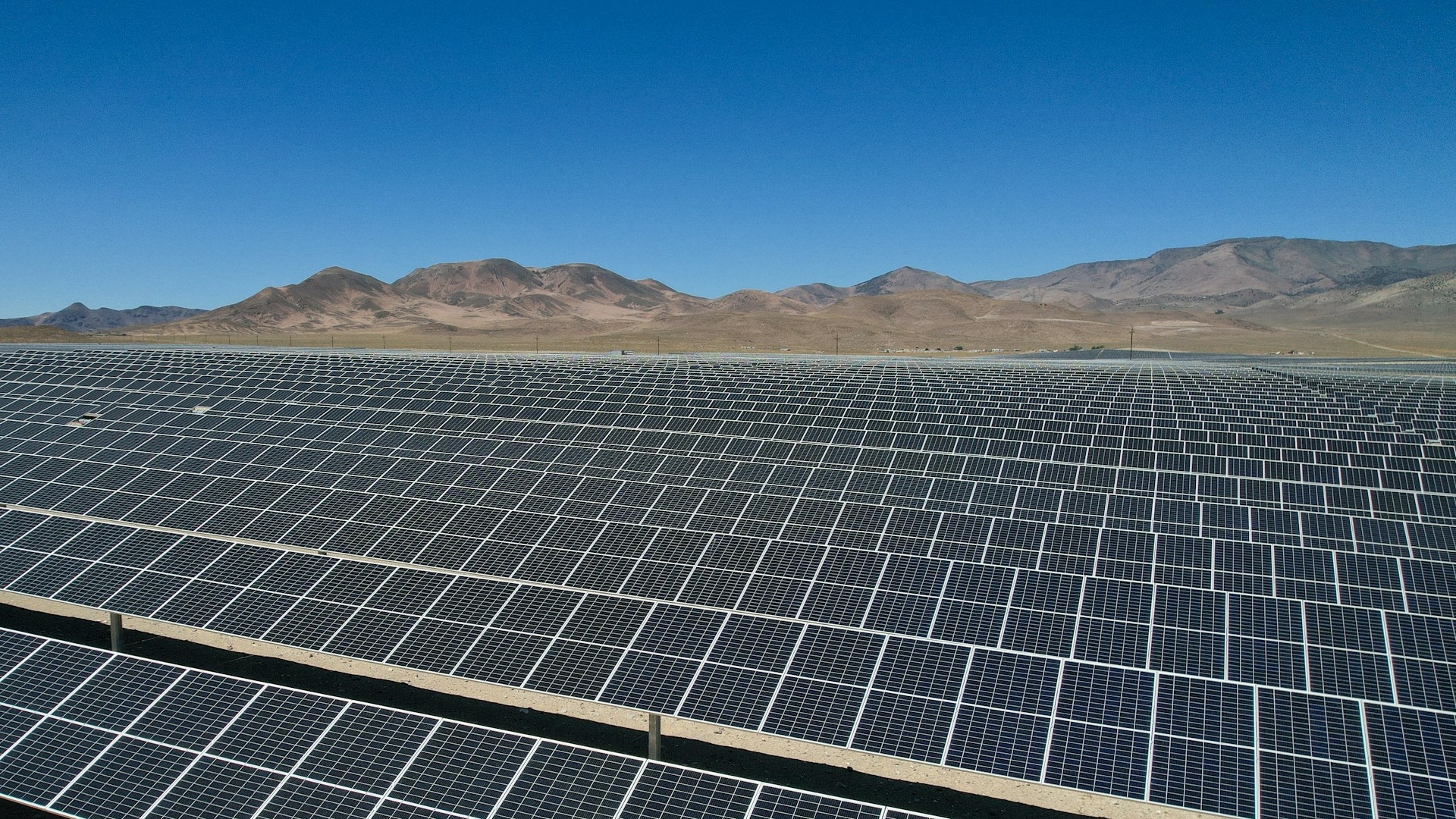



Switzerland Candi Solar has secured $58.5 million in debt financing from the International Finance Corporation (IFC), that will support the expansion of its commercial and industrial solar operations in South Africa and India.
The company noted that the demand for decentralized energy solutions in both markets continues to rise as businesses seek stable and cost-effective power sources.
The Director at Candi Solar, Bruno Rauis said the new funding will boost the company’s expansion plans.
“It propels us into our next phase of growth and strengthens our ambition to be the leading distributed energy partner in India, South Africa, and beyond,” he said.
The financing is expected to support nearly 200 megawatts peak of additional projects across both countries. Candi’s contracted portfolio has more than doubled in the past 18 months and now exceeds 220 megawatts peak.
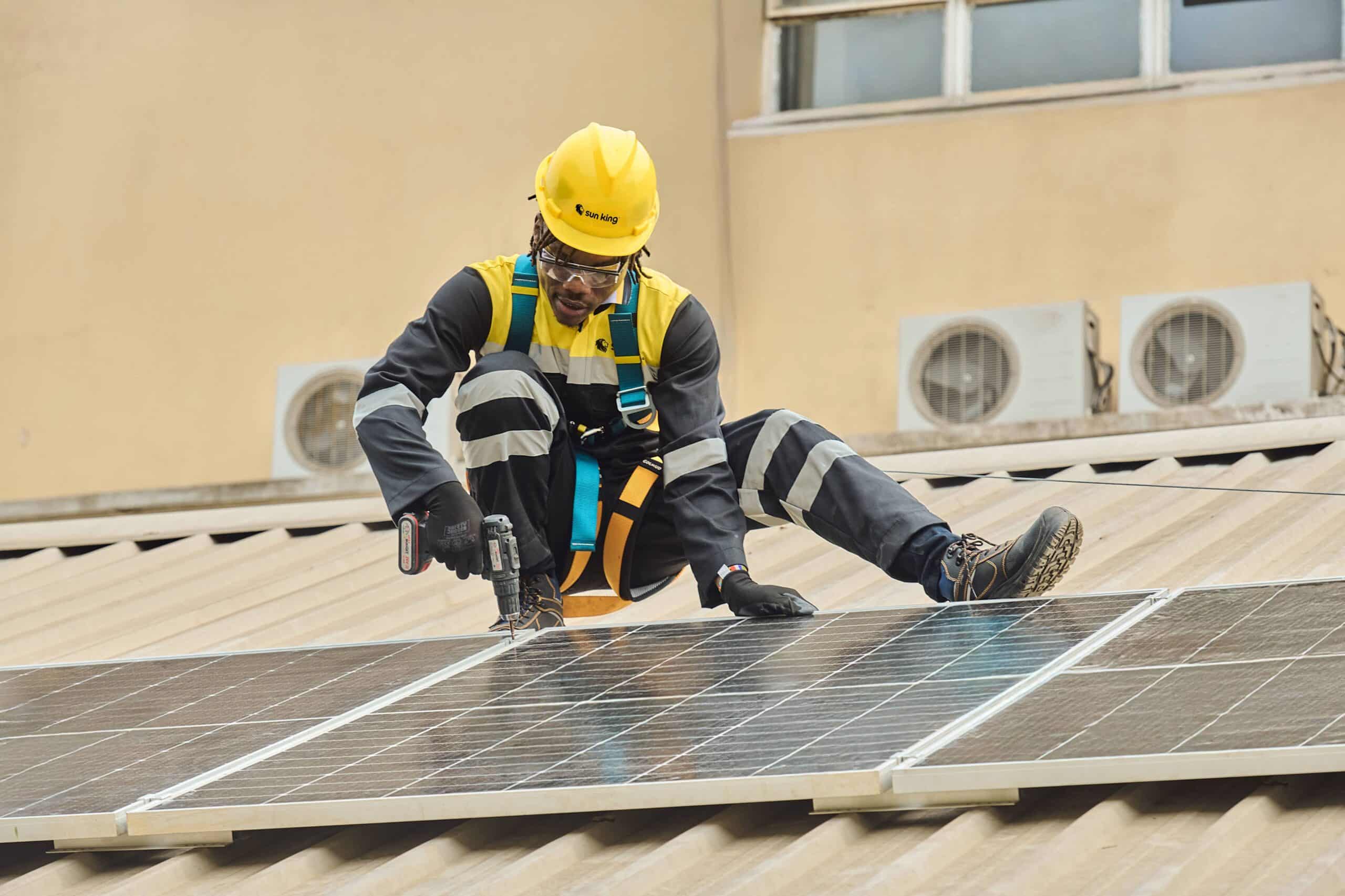
The company said the new systems will serve medium and large businesses that depend heavily on reliable electricity for industrial and commercial operations.
Details of the financing structure
The financing package combines contributions from several platforms. These include the Canada-IFC Blended Climate Finance Platform, co-lending portfolio program, and concessional funding from the Climate Investment Funds’ Clean Technology Fund.
Candi said the structure allows financing in both U.S. dollars and local currencies. This reduces exposure to foreign-exchange risks in markets with unstable currencies.
It operates on long-term power-purchase contracts. Its on-site solar systems help companies limit dependence on national grids that face supply shortages, rising tariffs or frequent outages.
Earlier capital raises
The new funding follows a $24 million equity and mezzanine round closed earlier in 2025.
That round supported the company’s expansion pipeline and preparations for a planned Series D raise in 2026.
Decentralized solar developers across Southern Africa have also attracted new capital this year.
A regional solar company recently closed a $60 million equity round to expand its commercial and industrial portfolio. Development finance institutions and climate-focused private funds participated in that raise.
IFC has backed several programmes aimed at improving access to small-scale renewable power.
These include financing for distributed generation assets and technical support for developers working in markets with weak grid infrastructure.
South Africa’s rising rooftop solar demand
South Africa may see a surge in rooftop solar installations over the next year. Findings from the country’s Largest Solar Survey show that 82% of households without solar plan to install systems within 12 months.
The report, compiled by investment firm Jaltech, shows a shift in consumer priorities.
Jaltech said rising electricity tariffs and the search for long-term financial relief now play a central role in household decisions.
Many households report that grid electricity has become increasingly expensive. Solar, by contrast, provides a more predictable long-term option.
After installation, solar power is estimated to cost 30% to 50% less than grid electricity. This translates to savings of about R1.20 to R1.70 per kilowatt-hour.
Expanding interest in distributed solar models
Candi Solar’s expansion adds to the wider shift toward decentralized energy across emerging markets.
A regional renewable-energy fund manager also recently led a $60 million raise to support decentralized solar infrastructure in Southern Africa.
The move shows the growing investor interest in small-scale renewable energy assets.
The $58.5 million facility is one of Candi Solar’s largest and strengthens its plan to scale commercial and industrial solar portfolios in India and South Africa.