


Floating liquefied natural gas (FLNG) has become a strategic pillar of the global LNG sector over the past decade, according to the Gas Exporting Countries Forum (GECF).
The forum reports that offshore gas now accounts for around 30% of global production, totalling about 1.2 trillion cubic metres per year.
Global LNG trade reached 411.2 million tonnes in 2024, a 2.4% increase on the previous year, with FLNG capacity making up a growing share of new projects.
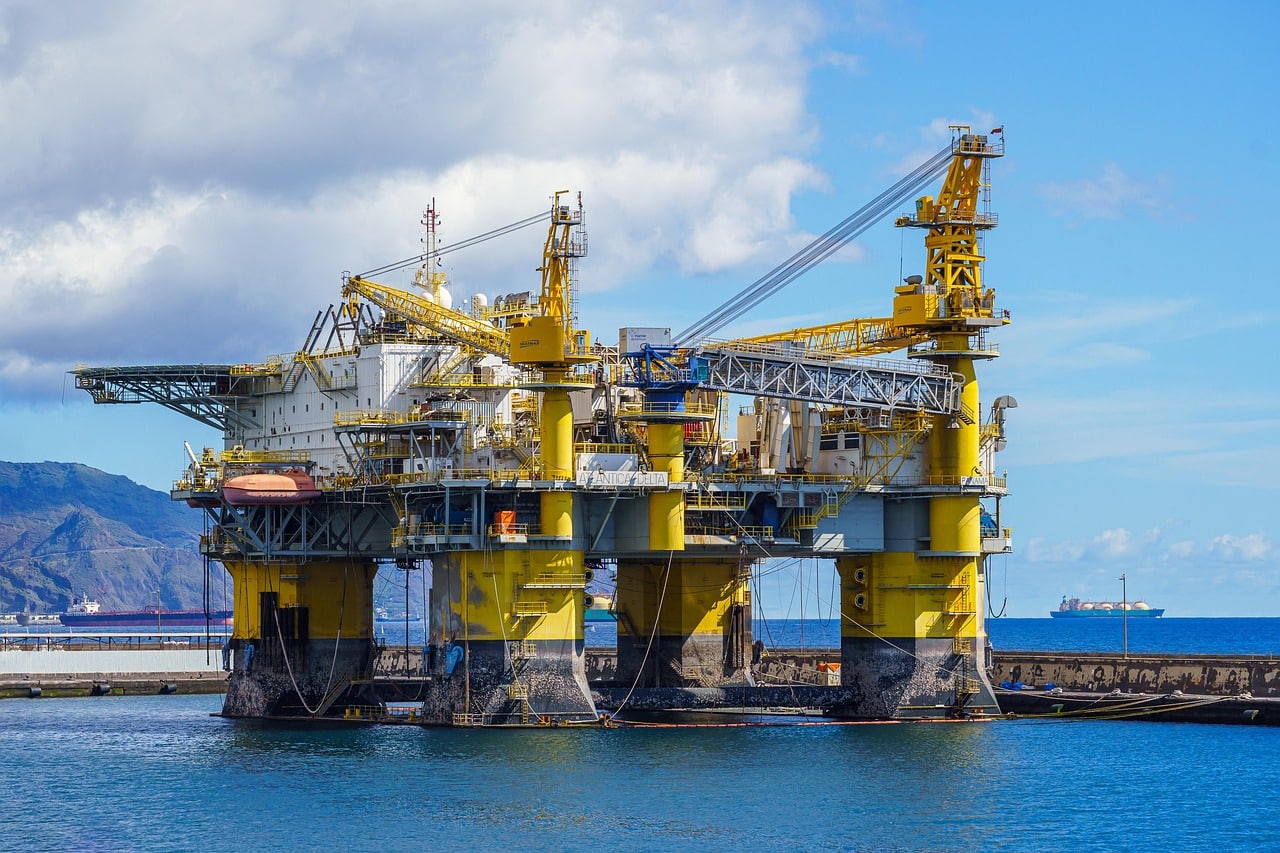
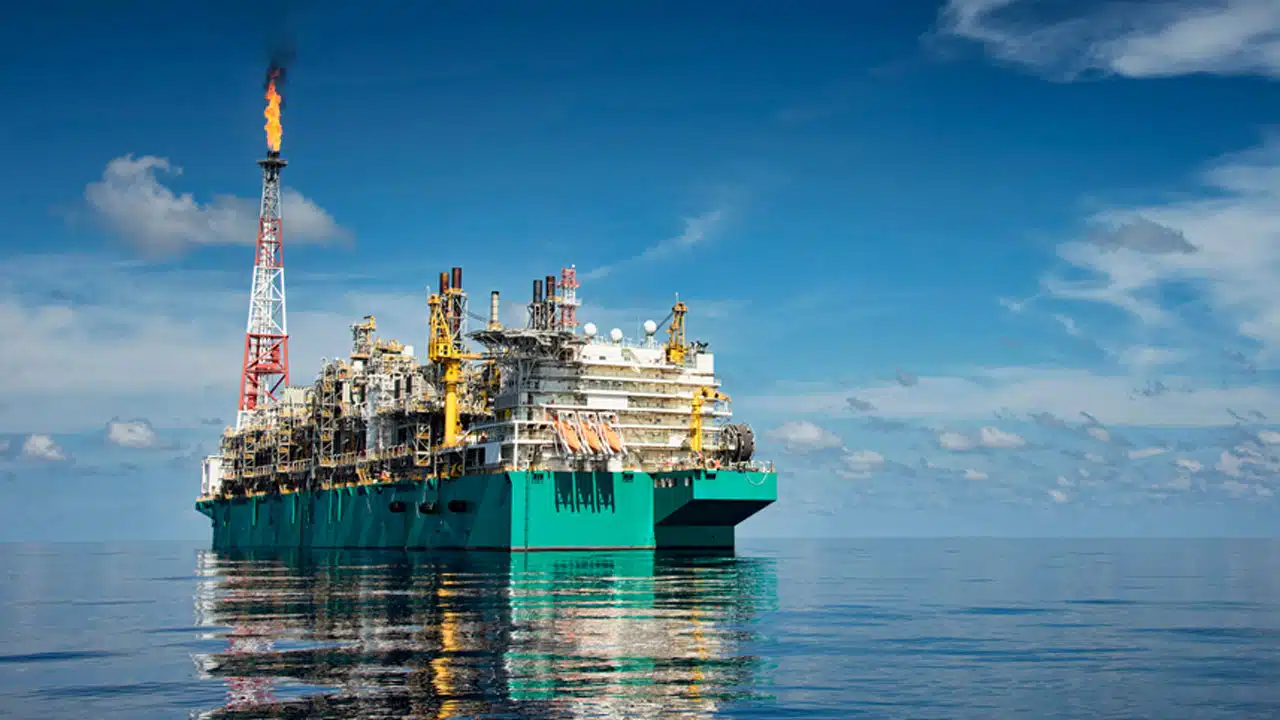
Unlike traditional onshore liquefaction plants, FLNG facilities—built entirely offshore—are faster and cheaper to develop and more economical to operate.
Africa is emerging as the world leader in this technology, accounting for about 40% of operational FLNG capacity worldwide.
Twelve countries currently have projects either operating or under development, with Mozambique leading the way at 7.1 million tonnes per annum (MTPA) of capacity following significant investment in recent years.
Together, African FLNG projects represent more than 10 MTPA of liquefaction capacity, with further expansions expected by 2026. While a global LNG oversupply is forecast from 2027, some forward-thinking African nations view FLNG as the fastest route to monetise offshore gas, bolster domestic energy security and establish themselves as competitive exporters.
“Natural gas is poised to reshape Africa’s economic future. Even as the global LNG market heads toward a period of oversupply, African demand is forecast to rise 60% by 2050,” said NJ Ayuk, Executive Chairman of the African Energy Chamber, in a recent article to World Oil.
Urgency to monetise stranded gas
Africa holds over 500 trillion cubic feet of proven natural gas reserves, concentrated in the Gulf of Guinea, the Niger Delta, and East Africa’s Rovuma Basin.
But vast amounts of these are located offshore, making it difficult to monetise through pipelines or traditional onshore plants.
Sometimes it can take a decade to build, often delayed by land acquisition, community disputes and financing hurdles.
FLNG allows countries to tap directly into stranded offshore fields and export directly to global markets. It can be deployed in 3–5 years, reducing infrastructure bottlenecks. This makes them ideal for Africa’s deepwater and remote gas reserves.
In another interesting scenario at play in Africa, LNG projects are increasingly underpinned by non-associated gas—resources not tied to oil production and therefore more flexible in pricing, commercialization and destination markets.
For instance, Angola launched the Soyo non-associated gas in November 2025 to supply 400 million cubic feet of gas per day and 20,000 barrels of condensates daily from Quiloma and Maboquiero offshore fields to Angola LNG.
Beating the clock
Global LNG supply is forecast to surge by 42% by 2030, reaching 594 million tonnes, with a projected 15 million tonne oversupply by 2027 driven largely by new capacity in the US and Qatar. Africa’s FLNG projects are racing to secure contracts before that glut erodes margins.
By 2026, the continent could add 10–11 MTPA of FLNG capacity, positioning itself as a flexible supplier to both Europe and Asia.
Nigeria’s Securities and Exchange Commission chief economist, Okey Umeano, said Africa was “in the driving seat to potentially become the world’s dominant gas supplier.”
He pointed to the continent’s 115 trillion cubic metres of proven gas reserves, its proximity to Europe, and its relative neutrality in global geopolitical disputes as strategic advantages.
“The lack of infrastructure has been one key reason Africa has yet to fully meet Europe’s gas demand since the war in Ukraine began in 2022,” Umeano noted.
“But FLNG can plug that gap more economically. By floating an offshore facility above a natural gas field to bring up, liquefy, store and then transfer the gas via tanker to Europe, FLNG takes inadequate infrastructure out of the game.”
Global LNG demand is projected to rise to nearly 600 MTPA by 2030, with Africa’s FLNG projects expected to supply both export markets and domestic consumers.
Meanwhile, LNG exports from sub-Saharan Africa are forecast to surge by 174.5%, climbing from 35.7 billion cubic metres in 2024 to 98 bcm in 2034, according to an August 2025 report by Fitch Solutions.
Much of this growth will be driven by rising output in Nigeria and Mozambique.
Domestic energy calls
Africa’s energy story in 2026 is no longer just about exports.
The continent’s governments and energy companies are increasingly prioritising FLNG as a tool to bridge domestic supply gaps, stabilise power generation, and reduce costly fuel imports.
While LNG has traditionally been seen as an export commodity, the rise of FLNG reflects a shift toward flexibility, speed, and local value creation.
This is important because many African countries face persistent electricity deficits, with rolling blackouts undermining industry and households.
Rapid urbanisation and industrialisation are driving gas demand for power, fertilisers and petrochemicals, with nations like Egypt and Nigeria spending billions importing treated gas and refined fuels to cover shortfalls, straining foreign reserves.
FLNG is not just about exports, but offers a way to monetise offshore gas quickly while diverting part of the supply to domestic grids and industries.
Countries like Nigeria, Gabon and Angola are exploring FLNG tie-ins to support local industries.
Many of the continent’s FLNG projects like Mozambique’s Coral Sul and Perenco’s $2 billion Cap Lopez LNG project in Gabon (due online in 2026) are designed to feed both export and domestic demand.
Africa in the global FLNG map
Africa has emerged as a frontline region for floating liquefied natural gas (FLNG), with several pioneering projects already in operation and more scheduled to come online by 2026.
Rising domestic gas use, reduced flaring, credible project timelines and bankable offtake agreements are helping drive momentum across the continent.
According to energy research firm Westwood Global Energy, more than half of the world’s ongoing FLNG projects are currently located in Africa.
The company estimates that around 60% of the additional $13 billion expected to be invested in the sector over the next few years will also be directed to African projects.
Globally, there are eight FLNG projects in operation with a combined capacity of 16.7 million tonnes per annum (MTPA). Africa hosts several of these, including:
- Congo FLNG Phase One – 0.6 MTPA
- Cameroon’s Kribi FLNG – 2.4 MTPA
- Mozambique’s Coral Sul FLNG – 3.5 MTPA
- Senegal/Mauritania’s Greater Tortue Ahmeyim (GTA) FLNG – 2.5 MTPA
The continent also accounts for a significant share of projects under development. About five out of nine additional FLNG ventures (totalling more than 20 MTPA) reported to be at various stages of progress are on the continent too. These include:
- Gabon LNG – 0.7 MTPA
- Congo LNG Phase Two – 2.4 MTPA
- Mozambique’s Coral Norte – 3.5 MTPA
Further projects remain in the pipeline, such as Equatorial Guinea’s Fortuna FLNG (2.2 MTPA) and Nigeria’s UTM Offshore FLNG (2.8 MTPA). At least one of these is expected to reach a final investment decision in 2026.
Risks and constraints to watch out for
Africa’s embrace of floating LNG in 2026 is a calculated gamble: fast-track monetisation, flexible exports and domestic energy gains. With billions of dollars in new investment and multiple projects nearing completion, FLNG is poised to reshape the continent’s role in the global gas market.
The challenge will be sustaining momentum beyond 2027, when oversupply and price volatility are expected to test the resilience of this strategy. Historically, market gluts have depressed prices, limiting returns for investors and host governments.
According to Westwood Global Energy, Africa’s ongoing FLNG projects could add an additional 10 million tonnes to current LNG exports of 40 million tonnes per year by 2027.
Industry voices see both risk and opportunity. “A surplus global LNG market presents an unexpected opportunity,” said Ayuk.
“As prices moderate, buyers seek diverse, reliable suppliers—and Africa, if coordinated, can step into that role. But seizing it demands cooperation: scaling upstream projects, building pipelines and LNG capacity, ensuring transparent pricing, and aligning national priorities with investor needs.”
Security and financing hurdles remain significant, with execution delays common. Analysts also warn that reducing methane emissions and flaring will be essential to keep projects bankable.
Ayuk added: “Gas is the only fossil fuel expected to expand its share of global primary energy, and sub-Saharan Africa—home to more than 70% of the continent’s remaining recoverable resources—will drive that growth.”
At present, FLNG projects—either operating or under development—account for only about 3% of global LNG capacity. Africa’s vast reserves, however, present a timely opportunity. FLNG is faster to deploy than onshore LNG, requires lower capital expenditure, and is well-suited to remote or deepwater gas fields.
“FLNG offers Africa a golden opportunity to build gas production and export capacity quickly, and to take advantage not just of the current demand from Europe but also demand in the years ahead,” said Umeano.