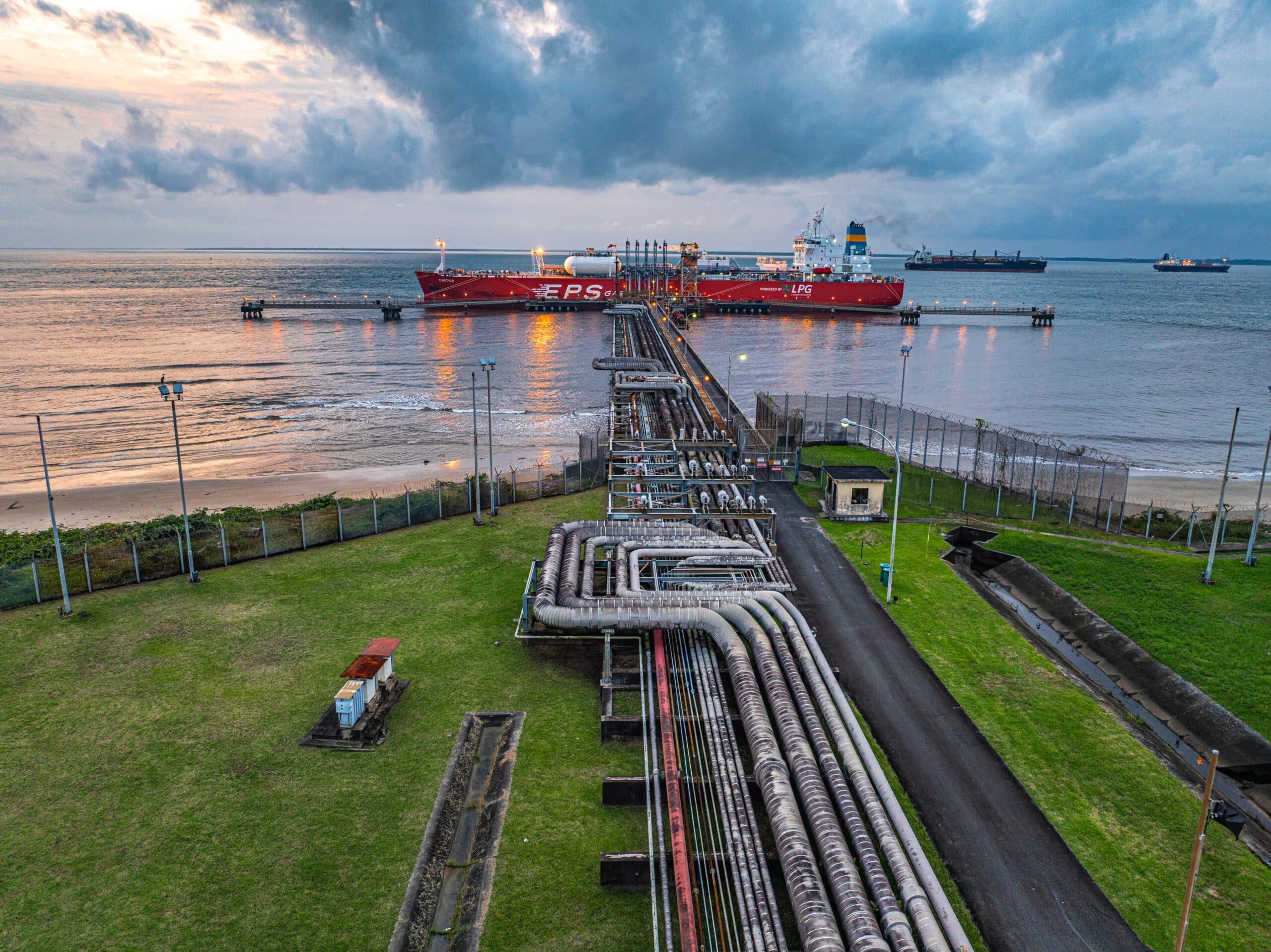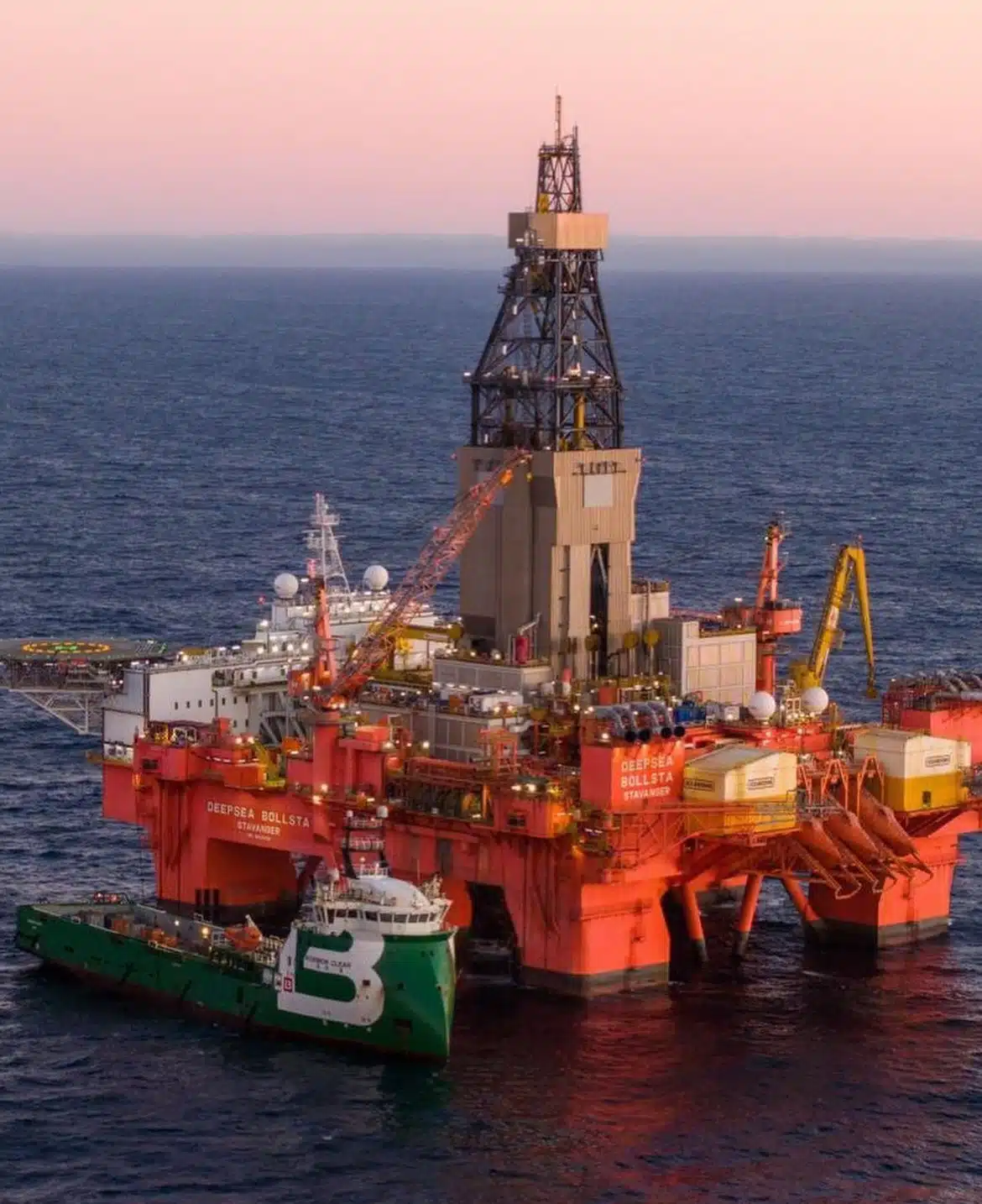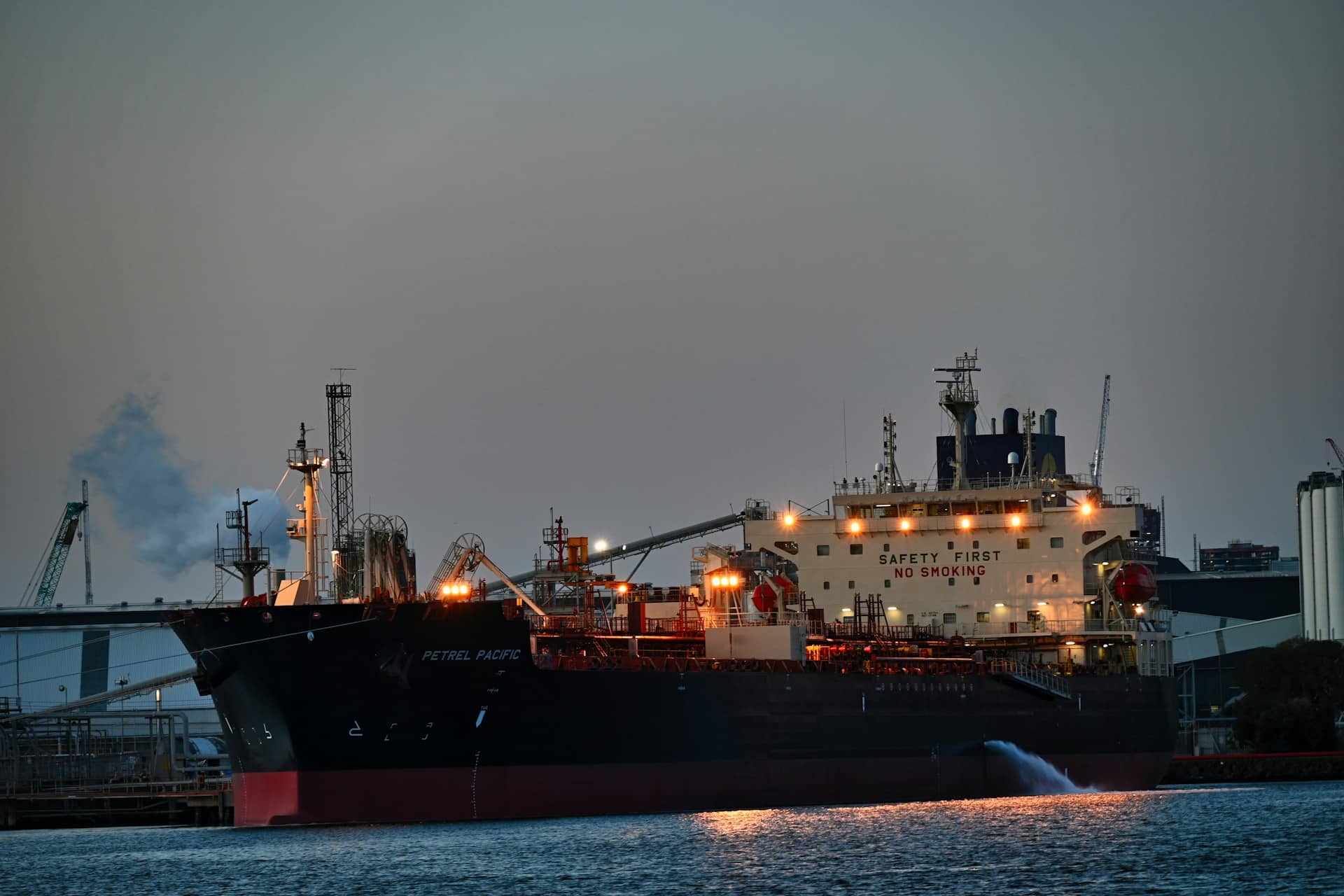



Africa has six members in the oil cartel, OPEC, and one non-member, Angola, which in some ways aligns with the group’s internal politics.
For most African oil-producing nations, OPEC still holds significant influence over what gets pumped out and how much they supply to the global market.
Nigeria, Africa’s largest oil-producing nation in the group, currently produces 1.4 million barrels per day, slightly below the 1.5 million assigned by OPEC.
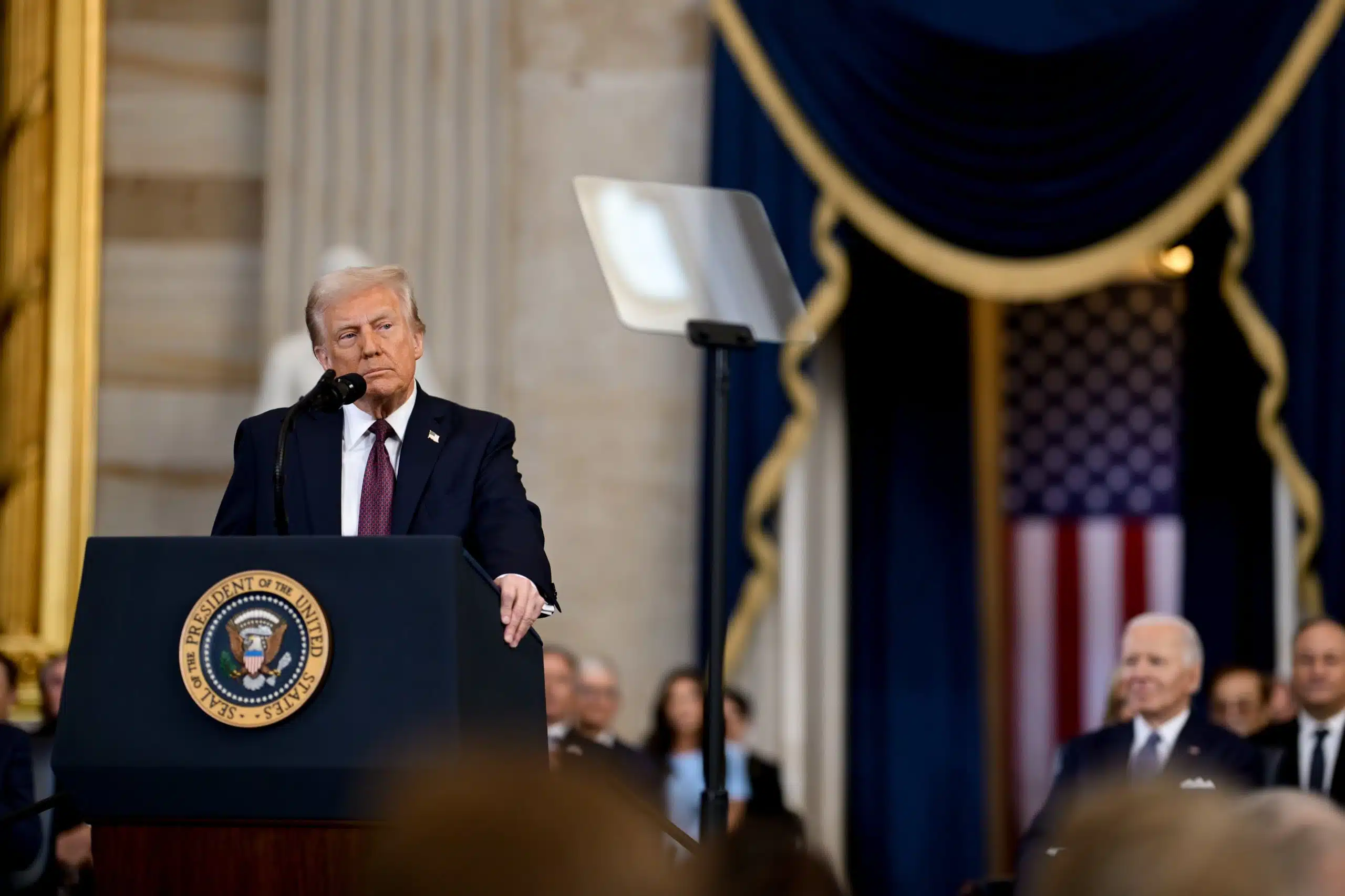
To everyone’s surprise on Sunday, US President Donald Trump invaded Venezuela, another OPEC member and the country with the world’s largest petroleum reserves.
Trump’s elite military force captured Venezuela’s president, Nicolas Maduro, from the state capital, Caracas.
A White House spokesperson said Maduro will be detained in the United States to face charges of “narco-terrorism, drug peddling” and other criminal offenses.
Maduro, abducted alongside his wife, is scheduled to appear in a New York court today for a preliminary hearing.
Immediate impact on the oil market
Trump’s intervention has already sent ripples through the oil market, with further instability expected in the coming days.
Reuters reported that oil prices opened lower, with Brent at $60.26 per barrel and WTI at $56.79 per barrel.
Venezuela, which currently pumps about 1.1 million barrels per day to the global market, sends most of its petroleum products to China, its key ally.
OPEC had earlier announced a pause in any output increase for the first quarter of 2026, to monitor price stability amid fears of oversupply.
Some analysts argue that tensions in Venezuela could temporarily support oil prices, as supply disruptions may occur.
However, Trump has been clear about his objective in Venezuela, stating that the main goal is to increase oil output.
American oil firm Chevron already operates in the country, and Trump believes the company can accelerate production despite the political turmoil.
“The oil business in Venezuela has been a bust, a total bust for a long period of time,” he said. “We are going to have our very large United States oil companies…spend billions of dollars, fix the badly broken infrastructure…and start making money for the country,” he added.
Earlier in December 2025, the US army seized two Venezuelan oil vessels worth over 1.8 million barrels of crude.
The president has also called for a regime change, aiming to increase production, revamp aging infrastructure, and liberalize PDVSA, the national oil company.
Political analysts believe Maduro’s tenure may be over, and he could face nearly twenty years in US prison for the charges filed against him.
Trump’s double-edged sword on oil
If Trump’s plan in Venezuela succeeds—and forecasts suggest it might—Chevron and other private oil companies would gain access to produce more oil, potentially flooding an already saturated market.
Trump, who favors lower crude prices, sees this as a win both geopolitically and domestically.
On the geopolitical side, it would allow the US to control, by proxy, the supply chain to China and reduce Russia’s influence in selling oil at black-market rates to Europe and other regions.
Domestically, low energy prices would help the US economy.
Venezuela, at its peak, produced about 2.2 million barrels per day before its decline. Returning to that level would force OPEC to consider supply cuts to stabilize demand and control prices.
Africa’s OPEC members and their concerns
Back home in Africa, the politics of oil production have taken a new turn.
While OPEC has not formally commented on the Venezuela developments, its stance seems cautiously pragmatic.
Recently, the cartel has faced tough decisions, including cutting planned supply from major producers like the UAE, Saudi Arabia, and Kazakhstan.
For countries like Nigeria, Angola, and Gabon, the concern is not only maintaining current output but also ensuring prices remain profitable enough to support further exploration and drilling.
Nigeria serves as a case study. The country’s production cost hovers around $35 to $40 per barrel. A drop below $60 per barrel could lead to capital flight for most oil companies operating in the region.
With both lower output allocations and falling prices, the economies of these countries may face pressure.
Countries such as Libya, Nigeria, and Equatorial Guinea are also in the midst of licensing rounds, which could see lower bids as companies become cautious about investing in new fields.
Potential silver lining for African oil producers
Meanwhile, the impact may not be as severe as some fear.
Some analysts note that revamping Venezuela’s oil infrastructure could take years, even beyond Trump’s tenure, before production returns to previous levels.
For instance, Rystad Energy estimates that $110 billion in capital expenditure would be required to bring Venezuela’s output back to pre-decline levels.
This amount exceeds what any oil company is likely to invest within a decade, let alone in the remaining three years of Trump’s term.
If this scenario holds, oil prices may remain near the $60 range, regardless of other factors arising from the invasion.
The good and bad of low energy prices
In addition, low energy prices are not entirely negative for African nations.
While oil revenue forms a significant part of government income, cheaper fuel reduces household expenses in countries like Nigeria, which recently removed its fuel subsidy.
Reports indicate falling petrol and diesel prices in South Africa, Ghana, and Nigeria.
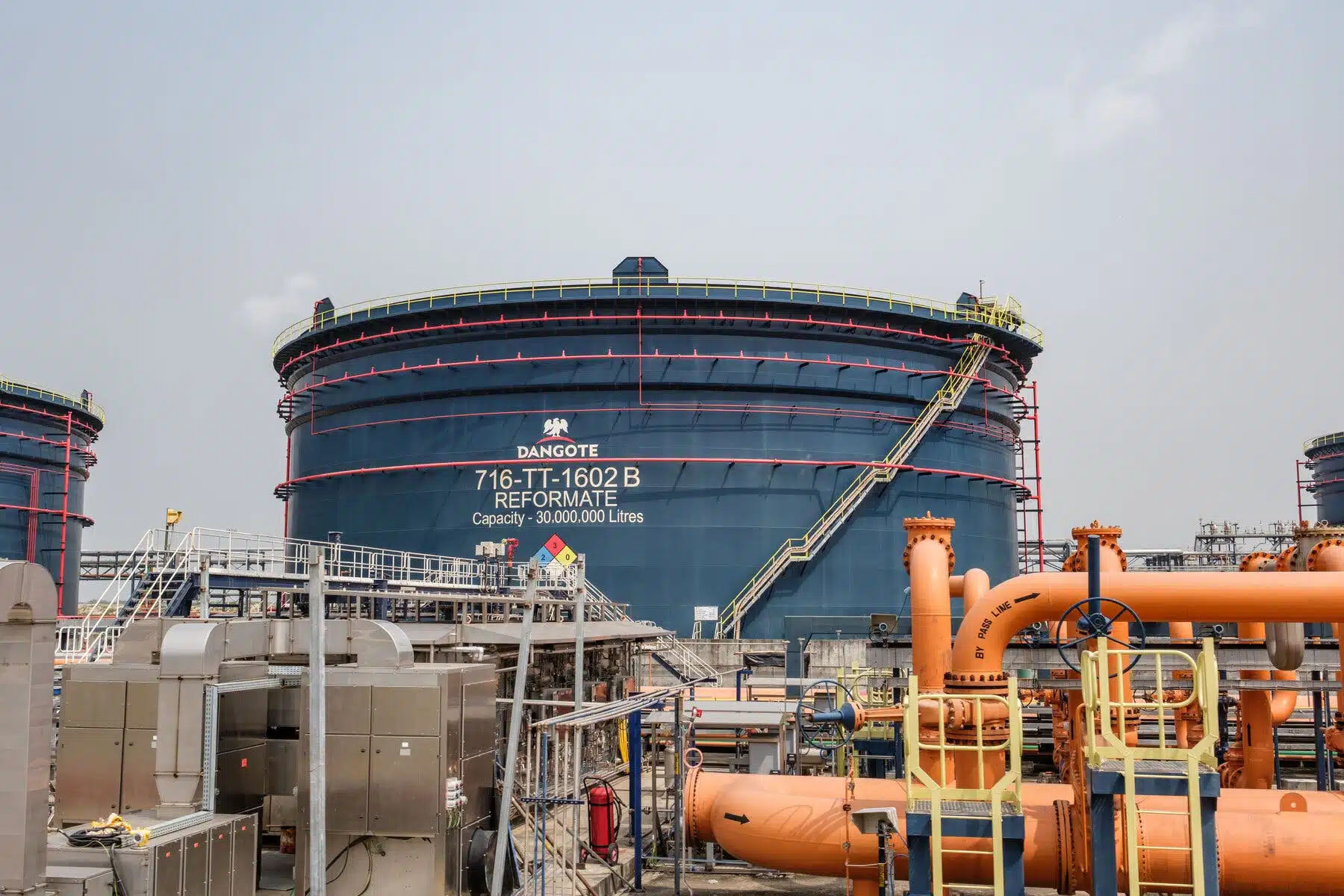
Nigeria, home to the world’s largest single-train refinery—the Dangote Refinery—has significantly reduced petrol prices since removing the subsidy.
Low import costs for crude feedstock, mostly sourced from the US, allow the refinery to sell fuel at lower prices locally.
In 2025 alone, Dangote adjusted its prices over 20 times.
On its part however, Libya, with a highly regulated downstream sector, may see little change in fuel prices despite global developments.
Reduced crude revenue could strain Libya’s economy as the government attempts to maintain its subsidy system.
In a nutshell, African nations must prepare for all possible outcomes in the coming weeks and months.
OPEC to determine the next move for Africa’s producers
OPEC is expected to meet in February to decide how members, including Algeria, will adjust supply and prices.
“The eight OPEC+ countries will hold monthly meetings to review market conditions, conformity, and compensation. The eight countries will meet on 1 February 2026,” OPEC said following the Venezuela incident.
OPEC added that members “will continue to closely monitor and assess market conditions, in their continuous efforts to support market stability.”
Stability here remains the keyword.
A stable oil price in 2026 runs contrary to multiple forecasts by intellegience agencies, including JP Morgan and Kpler.
How OPEC manages this tension will determine how African oil-producing nations fare through the year. It’s no doubt going to be a very long year for oil, and even more so for its African producers.