


Rising fuel prices have once again pushed African governments into a familiar policy dilemma. As global oil markets tighten and domestic inflation pressures build, policymakers are searching for ways to shield households and businesses from rising energy costs without placing additional strain on already stretched public finances.
Across the continent, one response is becoming more common. Governments are reducing or suspending petroleum levies, taxes, and related charges in an effort to ease pressure at the pump.
Namibia has taken a more direct approach.
According to reports, authorities intervened by cutting fuel levies to protect consumers from rising global oil prices. By lowering the tax component of fuel pricing, the government has limited the immediate increase in pump prices.
However, the decision carries fiscal implications, as these levies form part of public revenue.
The move reflects a broader pattern across African markets.
In several countries, fuel levies are a key source of funding for road maintenance, infrastructure, and other public services. At the same time, many of these economies remain exposed to global oil price volatility due to limited refining capacity and continued reliance on imported petroleum products.
This creates a clear policy trade-off. Reducing levies can provide short-term relief by slowing the pass-through of global price increases into domestic inflation. But it also reduces government revenue at a time when fiscal space is already constrained.
As global energy markets remain uncertain, the rollback of petroleum levies is emerging as a key tool for managing domestic pressure. The question is how long that approach can be sustained.
Fuel levies under pressure across key African markets
Kenya provides one of the clearest examples of this shift. The country has long relied on a structured fuel pricing regime that includes various levies to support infrastructure and stabilisation funds.
However, as global oil prices and currency pressures pushed pump prices higher, the government moved to adjust some of these charges.
The aim was to prevent further escalation in fuel costs, which directly affect transport, food prices, and overall inflation.
Kenya’s position as a regional fuel hub also means that pricing decisions in Nairobi have ripple effects across neighbouring countries such as Uganda and parts of Tanzania.
Namibia has taken a similar path. Facing rising import costs and domestic pressure, authorities reduced certain fuel levies to cushion consumers. While the scale of adjustment may differ from Kenya, the underlying logic remains the same.
Lower the tax component of fuel prices to offset global market increases.
South Africa’s approach has been more measured but follows a comparable pattern. The country has periodically reviewed its general fuel levy and related charges, particularly during periods of sharp increases in oil prices.
While not always removing levies entirely, temporary relief measures have been introduced to ease pressure on households and transport-dependent sectors.
More recently, pressure has intensified.
Trade unions and organised agriculture groups have called on the government to reduce excise duties and fuel levies on petrol and diesel, warning that rising energy costs could deepen economic strain. The push comes as global fuel prices rise amid ongoing geopolitical tensions involving the United States, Israel, and Iran, although it remains unclear what specific measures authorities may adopt.
Beyond these countries, others have adopted variations of the same strategy.
Ghana has previously capped or adjusted fuel levies to manage inflation. Nigeria, while operating under a different framework, has also faced similar pressures through subsidy mechanisms and pricing interventions. In North Africa, countries such as Egypt have adjusted fuel pricing structures to balance fiscal reforms with social stability.
The pattern is clear. Governments across Africa are increasingly willing to intervene in fuel pricing structures when global conditions tighten.
Why fuel levies matter more than they appear
Fuel levies are not just minor charges added to pump prices. They are central components of many African fiscal systems.
In several countries, levies on petrol and diesel contribute significantly to government revenue. These funds are often earmarked for road construction, maintenance, and transport infrastructure. Removing or reducing these levies, therefore, has immediate fiscal implications.
According to data from the International Monetary Fund (IMF), fuel-related taxes can account for a notable share of non-oil revenue in some African economies. This makes them difficult to adjust without creating budgetary gaps.
At the same time, fuel prices have a direct and visible impact on everyday life. Transport costs influence food prices. Logistics costs affect business operations. Electricity generation, particularly in diesel-dependent systems, becomes more expensive when fuel prices rise. This creates strong political pressure on governments to act.
Fuel prices are one of the fastest ways inflation is transmitted across the economy. When pump prices rise, everything else follows. This explains why fuel levies often become the first target for policy intervention during periods of price volatility.
The inflation problem driving policy decisions
Inflation remains a key driver behind the rollback of petroleum levies. Across many African economies, inflation has been influenced by a combination of global energy prices, currency depreciation, and supply chain disruptions. Fuel sits at the centre of this dynamic.
When oil prices rise on the international market, import costs increase. If local currencies weaken against the dollar, those costs rise further. The combined effect feeds directly into domestic fuel prices.
This, in turn, affects broader price levels. The World Bank and the International Monetary Fund have both noted that energy costs are a major contributor to inflation in developing economies. In Africa, where transport systems are heavily dependent on fuel, the pass-through effect is particularly strong.
By reducing levies, governments aim to break this chain. Lower pump prices can help stabilise transport costs, which in turn may ease pressure on food and goods prices. This is especially important in urban areas, where cost-of-living concerns can quickly translate into social unrest.
However, this approach comes with trade-offs. Reducing levies may lower inflation in the short term, but it also reduces government revenue. This can limit the ability to fund public services or invest in infrastructure.
In some cases, governments may need to borrow more to cover the gap, which introduces additional fiscal risks.
Fiscal trade-offs and revenue pressures
For finance ministries on the continent, these levies represent a predictable and relatively easy-to-collect source of revenue. Unlike income or corporate taxes, fuel levies are embedded in consumption and are less prone to evasion.
Removing them creates an immediate fiscal hole. This is particularly challenging at a time when many African countries are already dealing with high debt levels and constrained fiscal space. According to the International Monetary Fund, several economies on the continent face elevated debt servicing costs, limiting their ability to absorb revenue shocks.
In this context, fuel levy reductions can complicate fiscal planning. How this works is that for every dollar removed from fuel levies, it has to be replaced somewhere else, either through borrowing or cuts in spending.
This creates a tension between short-term economic relief and long-term fiscal sustainability. Some governments attempt to manage this by making levy reductions temporary. Others adjust levies gradually rather than removing them entirely.
In certain cases, authorities introduce targeted subsidies or support mechanisms instead of broad tax cuts. Each approach reflects a different balance between economic and fiscal priorities.
Import dependence continues to shape outcomes
One of the underlying reasons fuel levies play such a prominent role in policy is Africa’s continued dependence on imported petroleum products.
Despite being home to several oil-producing countries, the continent still imports a significant share of its refined fuel.
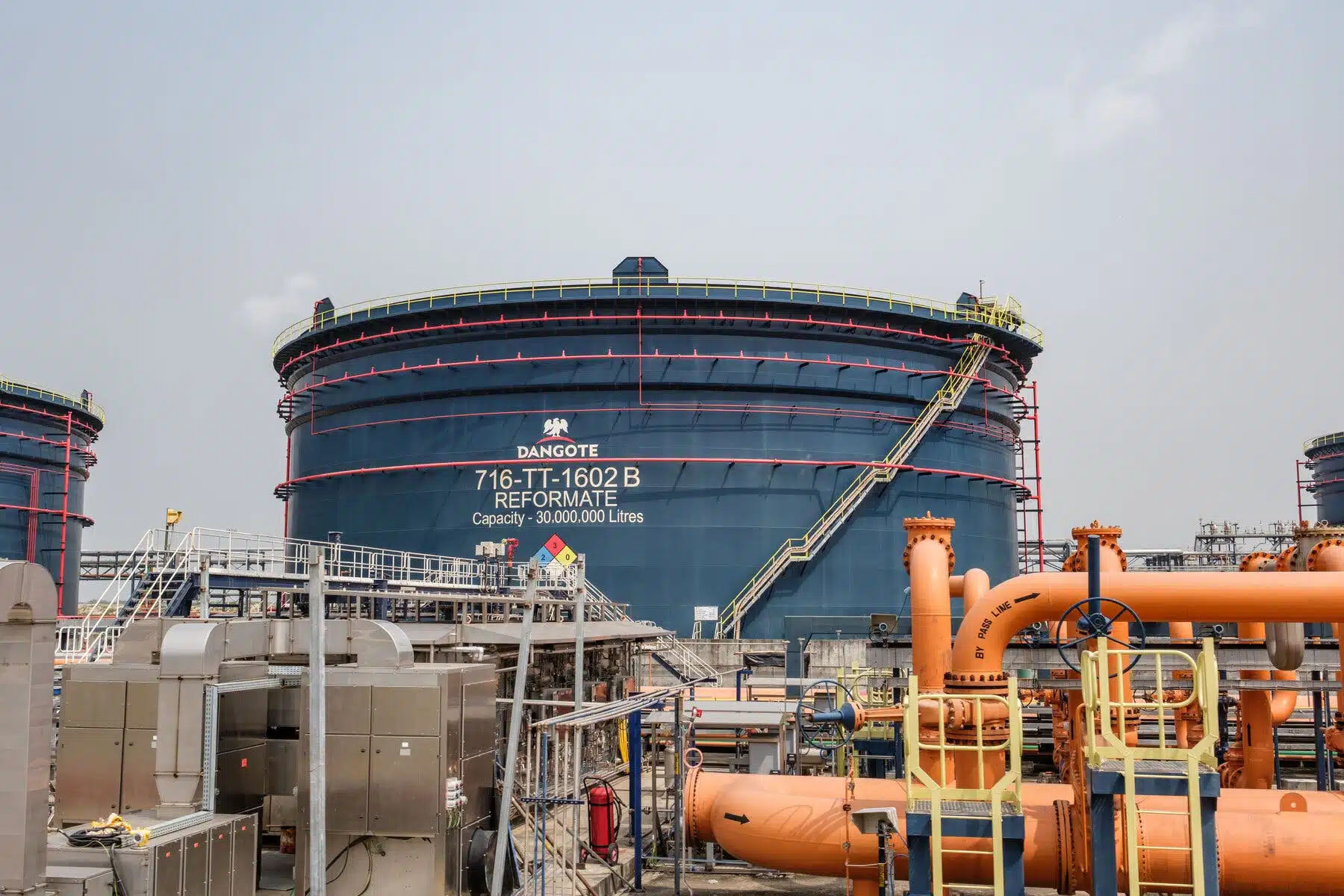
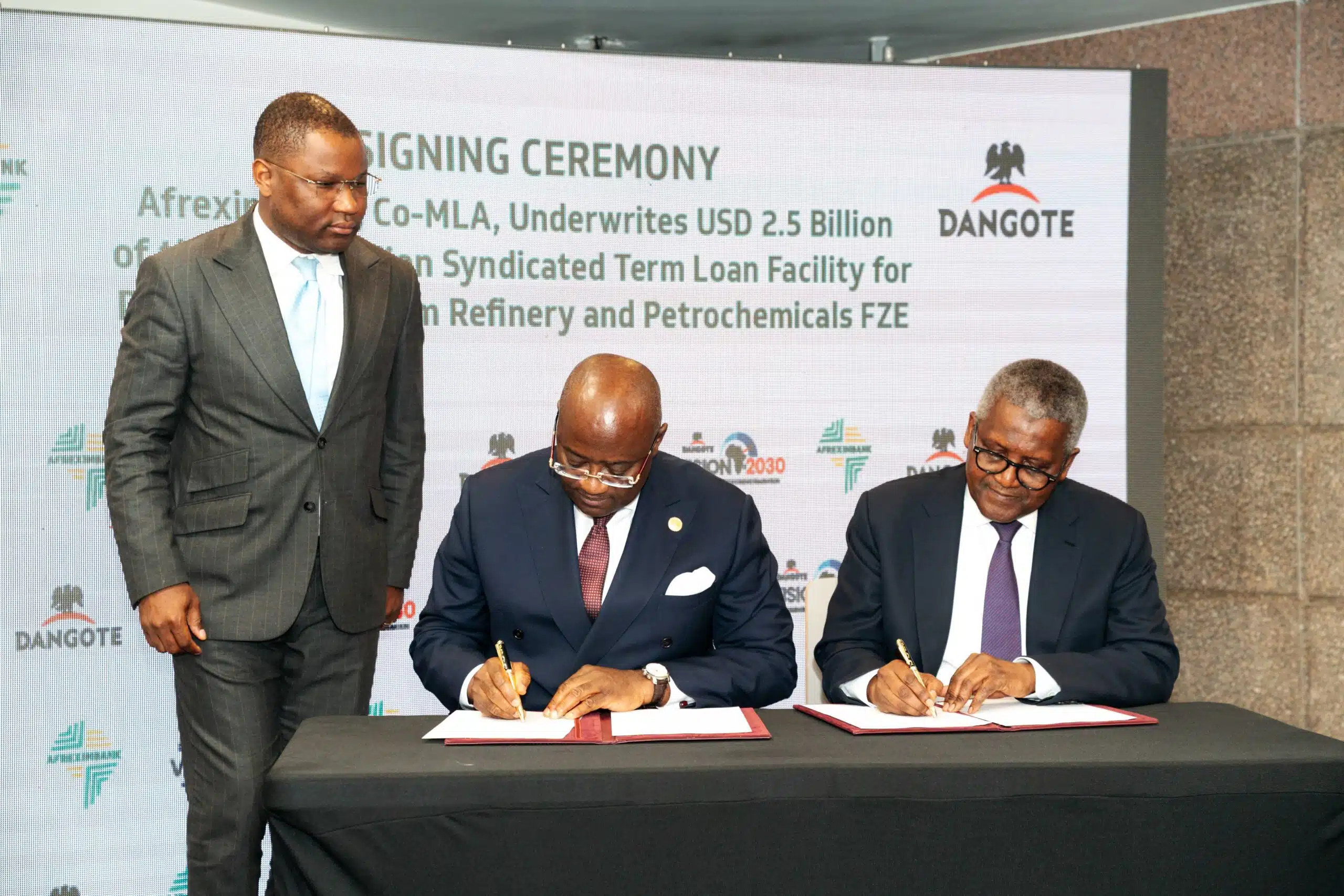
This structural gap means domestic fuel prices are closely tied to global market conditions. Recent developments in refining capacity offer some hope. For example, Dangote refinery has begun supplying refined products into Nigeria’s domestic market, potentially reducing reliance on imports.
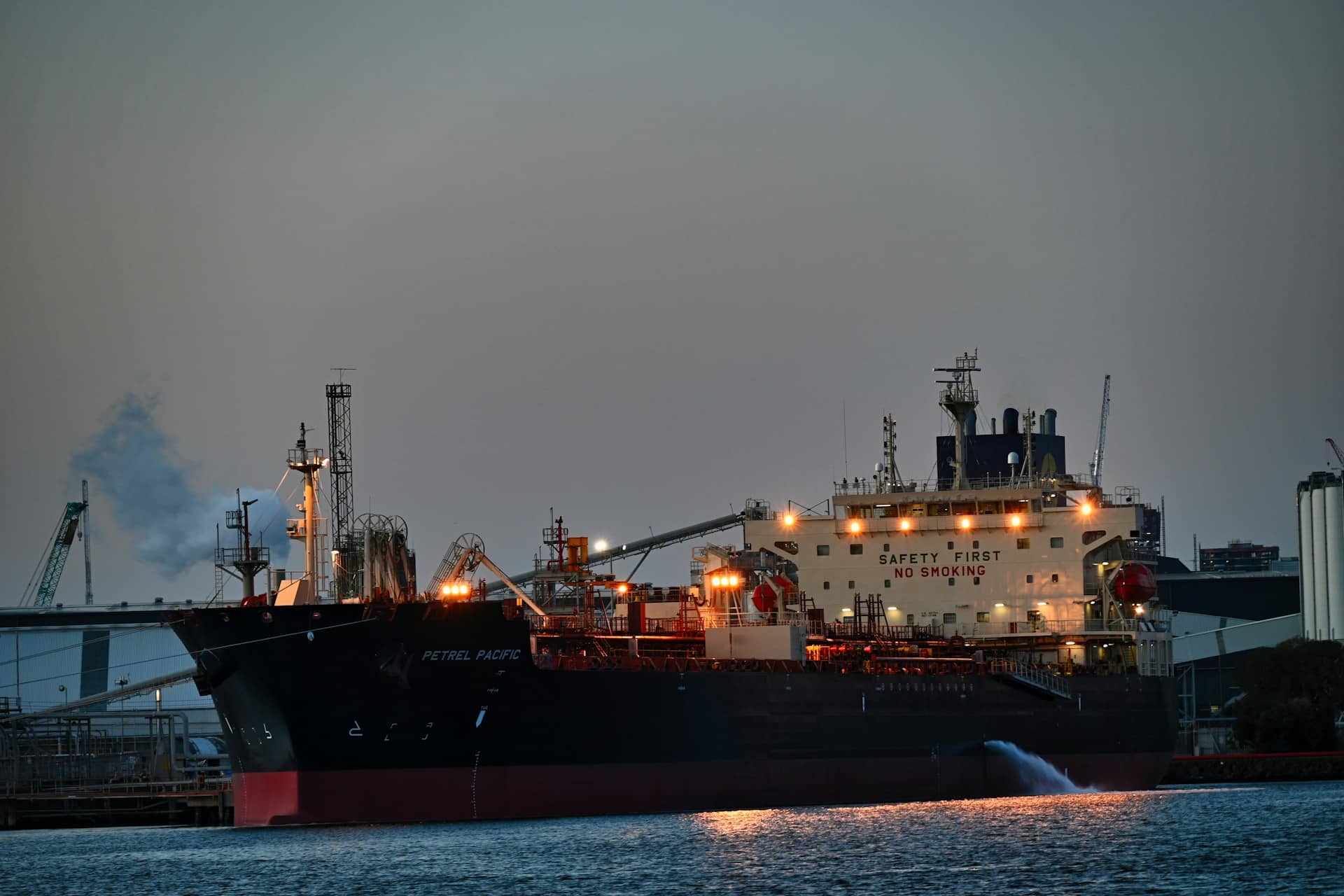
However, the broader picture remains uneven. Many countries lack sufficient refining infrastructure and must rely on imports from international markets, including the Middle East and Europe. This exposes them to price volatility, shipping costs and currency fluctuations.
As a result, governments have limited control over the base cost of fuel. Levies and taxes become one of the few levers available to manage final pump prices.
This explains why adjustments to fuel levies are often used as a policy tool during periods of global price increases.
Investors watching policy signals closely
Fuel pricing policies are not only a domestic issue. They also carry implications for investors. Energy investors pay close attention to pricing frameworks, tax structures, and regulatory stability. Frequent changes to fuel levies can create uncertainty, particularly for companies involved in fuel distribution, logistics, and infrastructure.
At the same time, high fuel costs can affect broader economic activity, influencing investment decisions in sectors such as manufacturing and transport.
There is also a link to the energy transition. High fossil fuel prices can, in theory, make renewable energy more competitive. However, if governments intervene heavily in fuel pricing, the price signals that drive investment decisions can become distorted.
This creates a complex environment for investors. We can agree that policy stability is critical. Investors need to understand how pricing mechanisms will evolve, especially in markets where government intervention is frequent.
This adds another layer to the policy trade-off. Governments must balance immediate economic needs with the need to maintain a stable and predictable investment environment.
What happens next
Looking ahead, several factors will shape the trajectory of fuel levy policies in Africa. Global oil prices remain a key variable. Any sustained increase will continue to put pressure on domestic markets and government policy.
Currency movements will also play a role. A stronger dollar increases the cost of imports, while weaker local currencies amplify price pressures.
Domestic political dynamics cannot be ignored. Fuel prices are highly visible and often politically sensitive. Governments are likely to remain responsive to public pressure, particularly in urban centres.
At the same time, fiscal realities will constrain policy choices. Countries with limited fiscal space may find it harder to sustain levy reductions, particularly if revenue losses begin to affect essential spending.
The interplay between these factors will determine whether current policies persist or shift.