


Uganda’s electricity sector is entering a decisive chapter. After two decades under private management by Umeme Limited, the country’s main electricity distribution company is returning to state control.
The handover marks the end of one of Africa’s longest-running power concessions and reopens a debate that stretches far beyond Kampala. Who manages utilities better in Africa, the state or the market?
When Umeme took over distribution in 2005, Uganda’s power sector was in crisis. Technical losses were high, billing was weak and blackouts were routine. Hydropower output was limited, and expensive diesel generators filled the gap.
The concession was presented as a bold reform that would modernise the network and attract investment.
Two decades later, the sector looks very different. Uganda has expanded generation capacity significantly, largely through hydropower projects such as Bujagali, Isimba and Karuma. Installed capacity now exceeds 1,400 megawatts (MW), far above peak domestic demand of roughly 900 to 1,000 megawatts, according to regulatory data.
Yet surplus generation has not translated into uninterrupted supply. Blackouts persist. Tariffs remain politically sensitive. The government must now prove that reclaiming control will not reverse hard-won gains.
Uganda’s experience sits at the centre of a continental argument. The question for Uganda is not ideological. It is practical. Can the government run distribution more efficiently without destabilising the sector?
Some wins and losses of Umeme
Moreover, Umeme’s record is mixed but measurable. When it assumed control, total distribution losses stood at roughly 38%. Over time, the company reduced losses to below 18%, according to the Electricity Regulatory Authority.
That reduction represents a major operational improvement. Lower technical and commercial losses mean more of the electricity generated is actually billed and paid for.
Metering also expanded significantly. Umeme invested in network upgrades, transformers and prepaid meters. Revenue collection improved, and billing discipline strengthened. These reforms brought a level of operational structure that did not exist in the early 2000s.
However, tariffs steadily increased. Uganda’s electricity tariffs are among the highest in Africa. Industrial users have often complained that high costs undermine competitiveness. Domestic consumers have faced periodic adjustments tied to fuel prices, exchange rates and generation costs.
Critics argue that private management prioritised returns over affordability. Supporters counter that tariffs reflect underlying costs, especially given heavy investment in new generation projects financed in dollars.
Samson Ondiek, an energy economist in Nairobi, Kenya, notes that “loss reduction is one of the clearest indicators of operational improvement. The tariff debate in Uganda is separate. You cannot reduce losses and expand the network without recovering costs.”
This tension between efficiency gains and tariff pressure defined Umeme’s tenure.
A controversial handover to government
The expiry of Umeme’s 20-year concession has not been smooth.
As reported by African Business in its coverage of the legal battle surrounding Uganda’s power takeover, disagreements emerged over the buyout valuation owed to Umeme under the concession terms. Estimates in public discussions have placed the compensation figure in the range of roughly $190 million to $200 million, though final calculations are subject to regulatory review.
For investors, the transition raises concerns about contract sanctity and regulatory stability. Infrastructure concessions rely on predictable exit terms. If buyout calculations become politicised, future private investors may hesitate.
The government has insisted that it is honouring contractual obligations while seeking value for money.
Officials argue that bringing distribution back under state control will reduce duplication and align planning across generation, transmission and distribution.
This marks the second time Uganda’s government will directly manage distribution at scale. Before privatisation, the Uganda Electricity Board oversaw much of the sector.
That era was characterised by underinvestment and financial strain. The risk now is that history repeats itself.
Uganda’s unique electricity paradox
Uganda’s electricity challenge is unusual in the region. Unlike countries facing generation shortages, Uganda has surplus capacity.
The commissioning of large hydropower plants has pushed installed capacity above domestic demand. The country exports electricity to neighbours including Kenya, Tanzania, Rwanda and South Sudan.
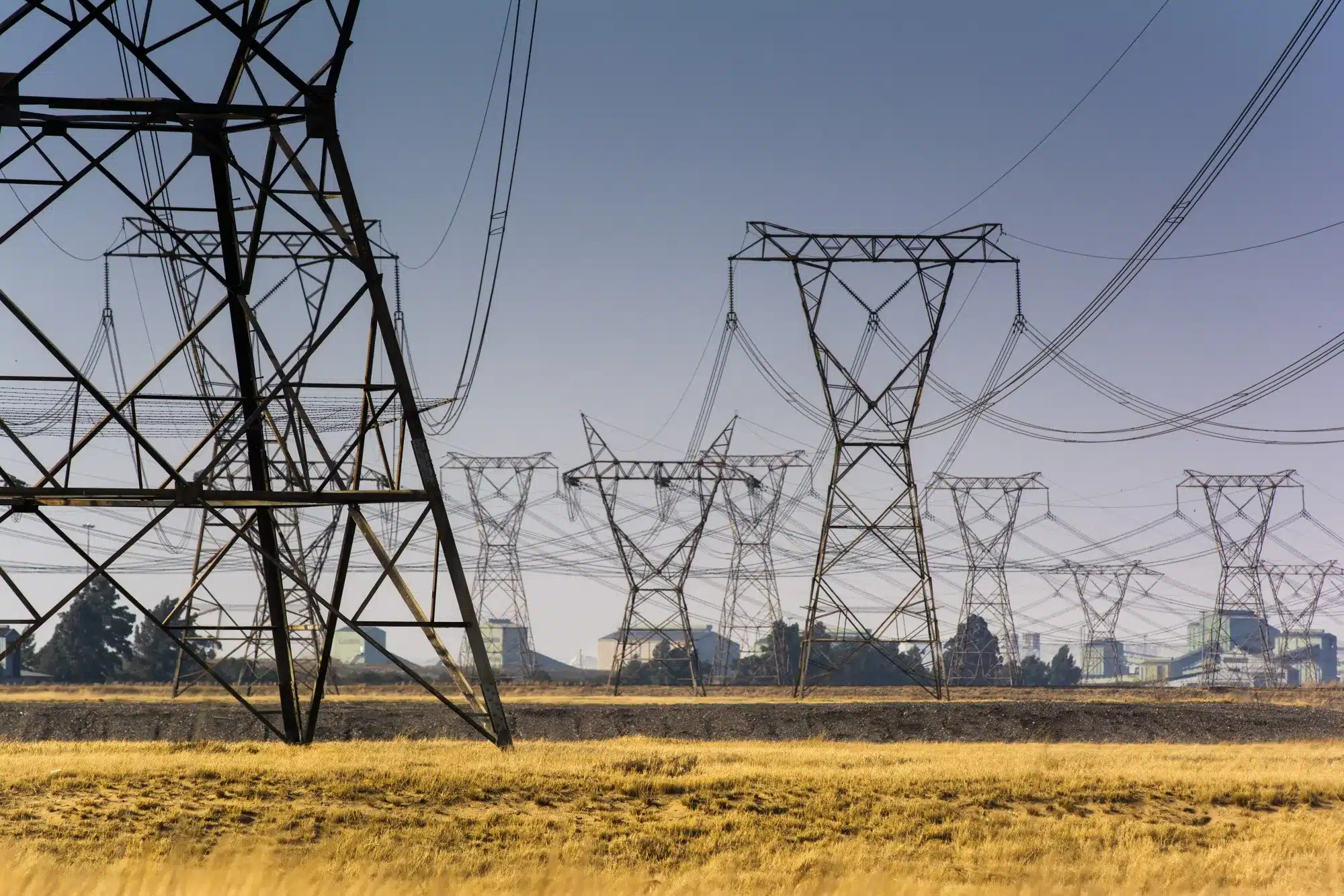
Despite this surplus, Ugandans still experience blackouts. The problem lies not in generation but in distribution and network reliability. Ageing lines, transformer overloads and localised faults can interrupt supply even when generation is adequate.
No doubt, electricity debt across the continent often weakens maintenance and network investment. When utilities struggle with revenue recovery, capital expenditure suffers.
In Uganda’s case, loss reduction improved under Umeme, but investment needs remain substantial. Rapid urbanisation and industrial growth require continuous upgrades.
A Kampala-based power engineer explains that “having surplus megawatts at the plant does not guarantee reliability at the socket. Distribution resilience is a separate engineering challenge.”
This paradox shapes the stakes of the handover. The government inherits a system that is structurally stronger than in 2005 but still fragile.
A second chance for the government
Meanwhile, state management of electricity utilities across Africa has produced mixed results. Indeed, state utilities perform competently where governance is strong and political interference is limited. Others struggle with debt accumulation and delayed maintenance.
Uganda’s government now has a second opportunity to demonstrate that public management can combine efficiency with affordability.
This will require institutional discipline. Distribution companies must collect revenue consistently. Tariff adjustments must reflect cost realities while protecting vulnerable consumers. Investment planning must be transparent and sustained.
If political pressure leads to artificial tariff suppression without budget compensation, revenue gaps will reappear. Energy in Africa’s analysis of debt-driven electricity crises across Africa shows how circular debt can cripple utilities when cost recovery is undermined. Uganda must avoid that trap.
What task is before the new sheriff in town?
The immediate challenge is operational continuity. The transition from Umeme to state management must not disrupt billing systems, metering data or maintenance schedules. Any interruption risks public frustration and investor unease.
Next comes financial management. The buyout compensation adds to fiscal pressure. The government must ensure that new distribution operations are financially viable. This includes disciplined procurement, transparent accounting and realistic revenue projections.
Third is network modernisation. Uganda’s grid will need continued expansion to support industrial parks, rural electrification and cross-border trade. Hydropower surplus offers an opportunity to attract manufacturing, but only if supply is reliable.
An infrastructure finance specialist in Johannesburg says that “the question is not whether the state can manage. It is whether it can manage without political interference in operational decisions.”
Finally, regulatory independence must be preserved. The Electricity Regulatory Authority must retain authority to set tariffs based on transparent formulas. Without credible regulation, investor confidence will weaken.
Can government prove critics wrong?
Critics of state-run utilities argue that public ownership often leads to inefficiency, patronage and financial losses. Supporters counter that private concessions can prioritise profit over social welfare.
Uganda’s case offers a live test. If the government maintains loss levels below 20%, sustains revenue collection and continues network investment, it can demonstrate that public management need not mean regression.
If tariffs become politically frozen and maintenance slips, critics will point to the reversal as evidence that reform has stalled.
The broader African debate remains unresolved. As The Africa Report notes, neither model guarantees success. Governance quality is decisive.
Uganda’s advantage is its generation surplus. Unlike countries scrambling to add megawatts, it can focus on reliability and affordability. Its risk lies in complacency.
After 20 years of private distribution under Umeme, Uganda stands at a crossroads. The concession delivered measurable gains in loss reduction and network investment. It also generated controversy over rising tariffs and corporate returns. Now the state must take responsibility for keeping the lights on.
The handover is more than an administrative shift. It is a test of whether public management can sustain efficiency while addressing affordability concerns. Uganda does not lack megawatts. It must ensure those megawatts reach homes and factories consistently.
If the government can preserve operational discipline, maintain regulatory credibility and invest prudently, it may prove that state stewardship can succeed. If not, the debate over who manages utilities better in Africa will tilt once more toward the market.
The lights staying on in Uganda will answer that question more clearly than any policy paper.