


Those familiar with Nigeria’s downstream fuel market will agree it has been a nest of controversy since President Bola Tinubu removed petrol subsidies in 2023.
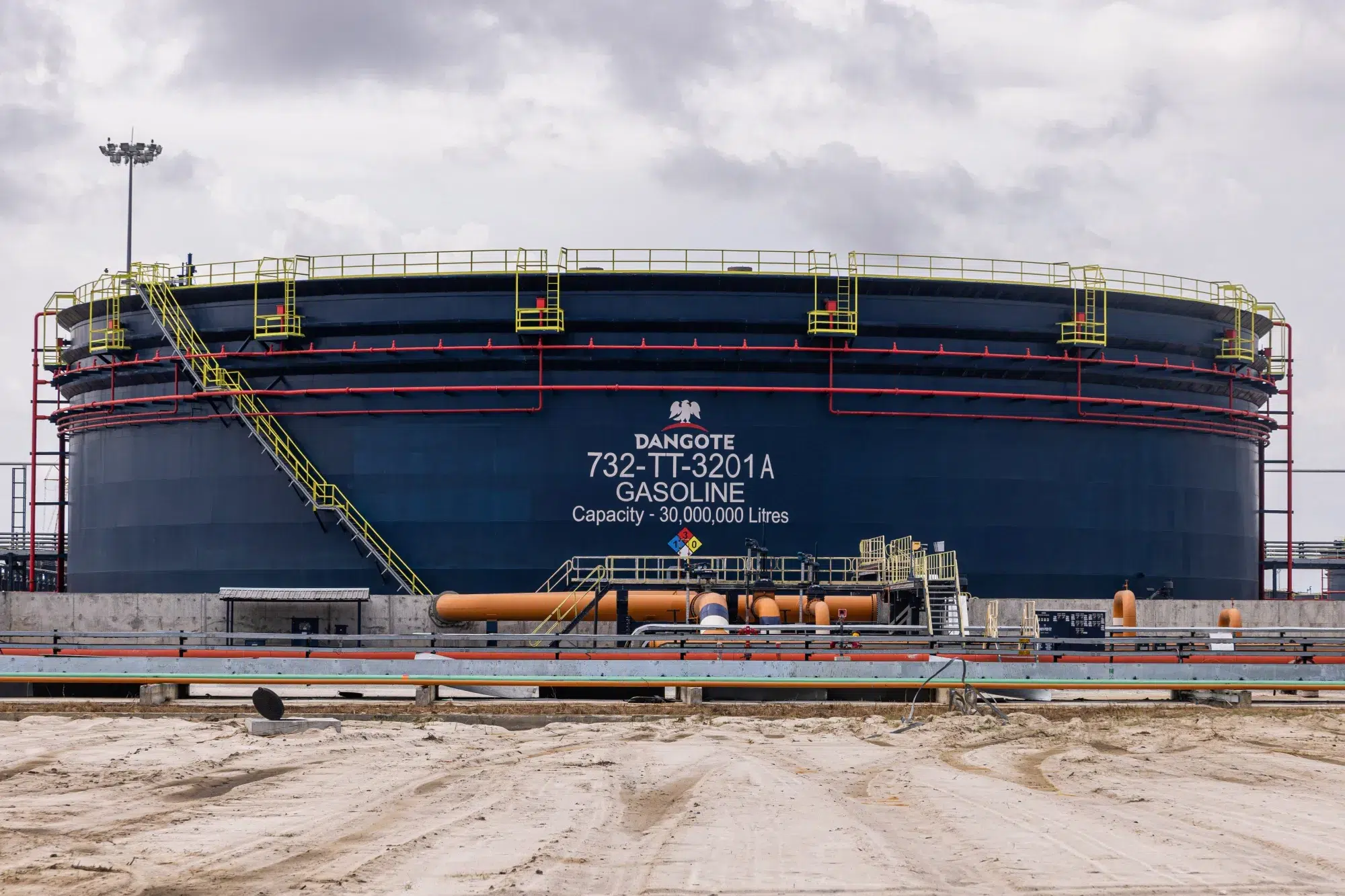
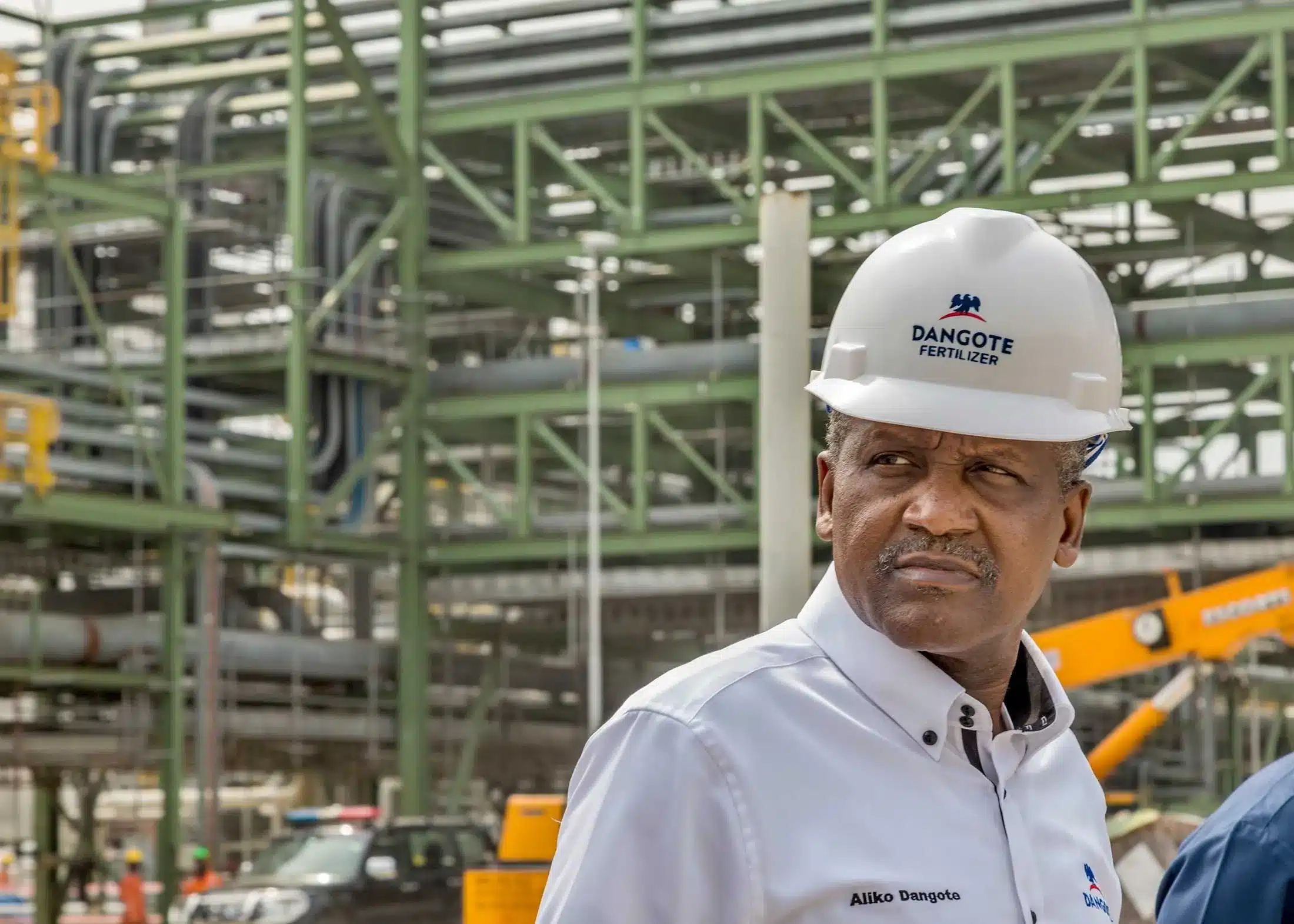
Africa’s richest man, Aliko Dangote, with his $20 billion mega refinery, has often found himself at the centre of these disputes.
Dangote’s refinery was built to end Nigeria’s decades‑long dependence on imported fuel. But since its commissioning in 2024, the plant has struggled not only to secure sufficient feedstock but also to overcome regulatory frustrations.
The billionaire, who has recently signed several energy deals across Africa, claims regulators and marketers collude to keep petrol prices artificially high.
He has openly accused Farouk Ahmed, chief executive of the Nigerian Midstream and Downstream Petroleum Regulatory Authority (NMDPRA), of frustrating efforts to stabilise Nigeria’s fuel market.
In recent briefings, Dangote has gone beyond technical complaints, accusing Ahmed of corruption and sabotage.
Escalating his standoff with Nigeria’s downstream regulator, he alleged that the authority undermines his refinery by permitting excessive fuel imports, describing the environment as “not conducive for anyone to put money into building or reviving a refinery.”
The powerful “fuel mafia” in Nigeria downstream
A network of entrenched importers, marketers, and officials has mounted fierce resistance against the Dangote Refinery, seeing it as a direct threat to their decades‑long grip on the country’s downstream oil sector.
For decades, these groups have thrived on opaque subsidy regimes, inflated import contracts, and manipulation of pump prices. Dangote himself has described them as “more dangerous than drug cartels”, accusing them of orchestrating sabotage and theft to frustrate local refining.
He revealed his refinery had lost $82 million to sabotage and stolen equipment, including cables and critical parts, allegedly linked to organised groups seeking to destabilise operations.
He has repeatedly accused the NMDPRA of siding with importers to keep petrol prices artificially high.
“Prices are going down. The reason is that we have to compete with imports. I was told that marketers have met with the NMDPRA to make sure the price is maintained high,” Dangote explained on Sunday, after approving his biggest petrol price reduction yet.
“That N900‑plus price, you won’t see it again. We have asked IPMAN members and anyone who can buy ten trucks at N699. We will use every resource we have to crash the price down.”
Why Farouk Ahmed is in the crosshairs
As NMDPRA boss, Ahmed controls licensing, pricing frameworks, and allocation approvals—all critical to Dangote’s operations.
Importers and NNPC marketers benefit from high pump prices and continued reliance on imports. Dangote’s aggressive price cuts threaten their margins, and Ahmed is seen as siding with them.
“I know of the [NMDPRA] Authority chief executive Mallam Farouk, who has four of his children educated in Switzerland at the cost of $5 million for their secondary school education alone. So I want to know what kind of system we are operating, where people are busy destroying a country and taking money from the government.”
Dangote released specific details regarding the alleged foreign education expenses of Farouk Ahmed’s four children over a period of six years as follows:
- Faisal Farouk: Montreux School
- Farouk Jr.: Aiglon College
- Ashraf Farouk: Institut Le Rosey
- Farhana Farouk: La Garenne International School
Alleged costs released:
- Total for secondary education (tuition, upkeep, air tickets, etc.): Over $5 million for four children.
- Additional tertiary education: Approximately $2 million for four children’s university fees (over 4 years).
- Specific for 2025: $210,000 spent on Faisal’s Harvard MBA ($150,000 tuition + $60,000 for upkeep, tickets, and incidentals).
By naming Ahmed, Dangote is not just pointing at one man; he’s highlighting the entrenched system of rent‑seeking that has kept Nigeria’s downstream sector dysfunctional.
So far, it is unknown if any of Nigeria’s three anti-graft agencies has summoned the NMDPRA chief for investigation.
When The Africa Report contacted NMDPRA for a response to the allegations, its spokesman George Ene-Ita said he could only respond to technical issues that call for facts, figures and forensic analysis.
“I cannot deal in unsubstantiated claims and malicious allegations,” he said, referring to the issue of school tuition raised by Dangote.
Game-changing data from NMDPRA
Moreover, the ongoing feud between Dangote and the NMDPRA appears to have only awakened following the release of downstream sector figures by the agency.
After a monthslong battle that saw Dangote suing the NMDPRA over the issuance of an import license to NNPC and several other oil marketers, Dangote decided in July to withdraw an application before the Federal High Court in Abuja to discontinue the suit.
It had filed the $66 million suit seeking to nullify these import licences on grounds that NMDPRA violated Sections 317(8) and (9) of the Petroleum Industry Act by issuing licences for the importation of petroleum products, undermining the operations of local refineries.
Before the withdrawal, the NMDPRA had informed the court that Dangote’s production was insufficient to meet the country’s daily petroleum consumption needs.
Last week, the regulator substantiated this stance by releasing an eye-opening factsheet that detailed the operation and consumption in the Nigerian downstream market.
According to NMDPRA, domestic refineries only supplied an average of 19.5 million litres of petrol daily out of a total consumption of 52.1 million litres per day in November.
It also stated that the Dangote refinery had at no point in time supplied up to 50% of Nigeria’s petrol needs.
As a result, it has applied for an extension of a 15% import tariff on petrol and diesel that ought to kick off this month till the first quarter of 2026, jeopardising Dangote’s Yuletide plans.
In a statement made public on Thursday, November 13, NMDPRA announced the suspension of the planned 15% import duty, saying the levy was “no longer in view.”
The suspension, it explained, was necessary to prevent a sharp rise in fuel prices that could worsen inflation and place additional strain on households and businesses.
“Importation is imperative to cover gaps left by the inability of local producers to fill,” NMDPRA says.
However, Dangote said such moves are orchestrated to undermine its efforts to crash prices.