


In October 2025, the federal government of Nigeria announced a shockingly sprawling 15% import tariff on petrol and diesel products. A lot of people were astonished at the declaration given that it went against the government’s earlier promise not to intervene in a now deregulated downstream sector of Africa’s leading oil producing nation.
The reasons given for the new levy were ambiguous, unclear and wrapped in a bureaucratic garb that even felt unprecedented in Nigeria’s political economy.
As expected, industry players and experts protested. Some argued that the tariff was a return to the old guard of protectionism and the same sector wrangling that defined Nigeria’s fuel subsidy era.
Still, many could read between the lines and insisted that certain lobbyists in favour of Dangote refinery were behind the move. Two weeks after, the federal government surprisingly rolled back the policy, calling for a fair reassessment and warning Nigerians against panic buying.
In this instance, it was the downstream regulator, NMDPRA, that made the announcement:
“It should also be noted that the implementation of the 15% ad valorem import duty on imported Premium Motor Spirit and Diesel is no longer in view.
“The Authority wishes to use this opportunity to advise against any hoarding, panic buying or non market reflective escalation of prices of petroleum products.
“The Authority will continue to closely monitor the supply situation and take appropriate regulatory measures to prevent disruption of supply and distribution of petroleum products across the country, especially during this peak demand period,” the authority said.
The way Nigerians reacted to the tariff was telling. It stood in contrast to how people usually respond to issues around Dangote refinery and the downstream sector in general.
A tariff that tested public trust
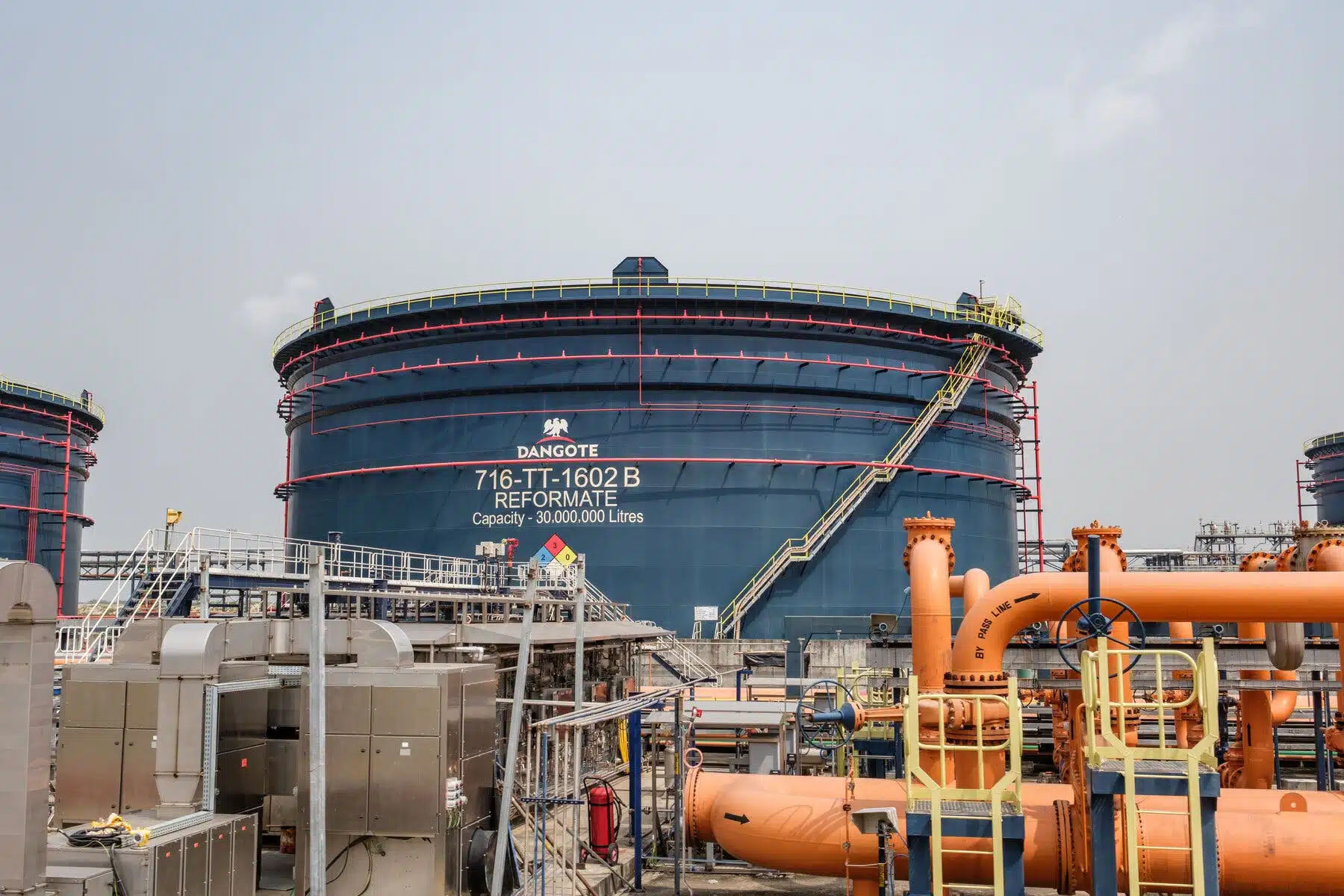
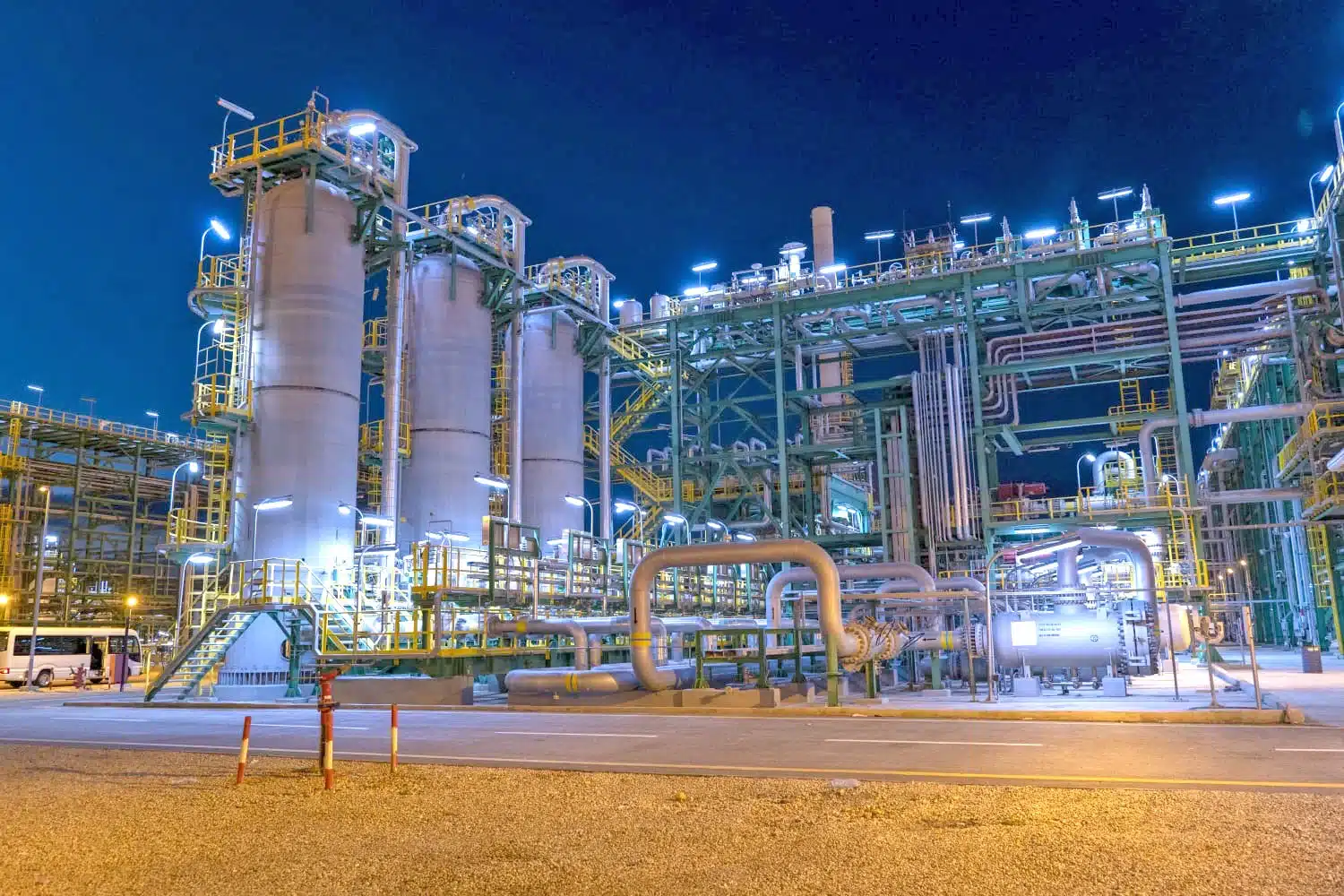
Since its inception in 2023, the $20 billion refinery had enjoyed significant public trust. It was seen as the bejewel and pride of the nation’s economic journey.
Most Nigerians believe, in different ways, that the government has a moral responsibility to protect the interest of the mega project.
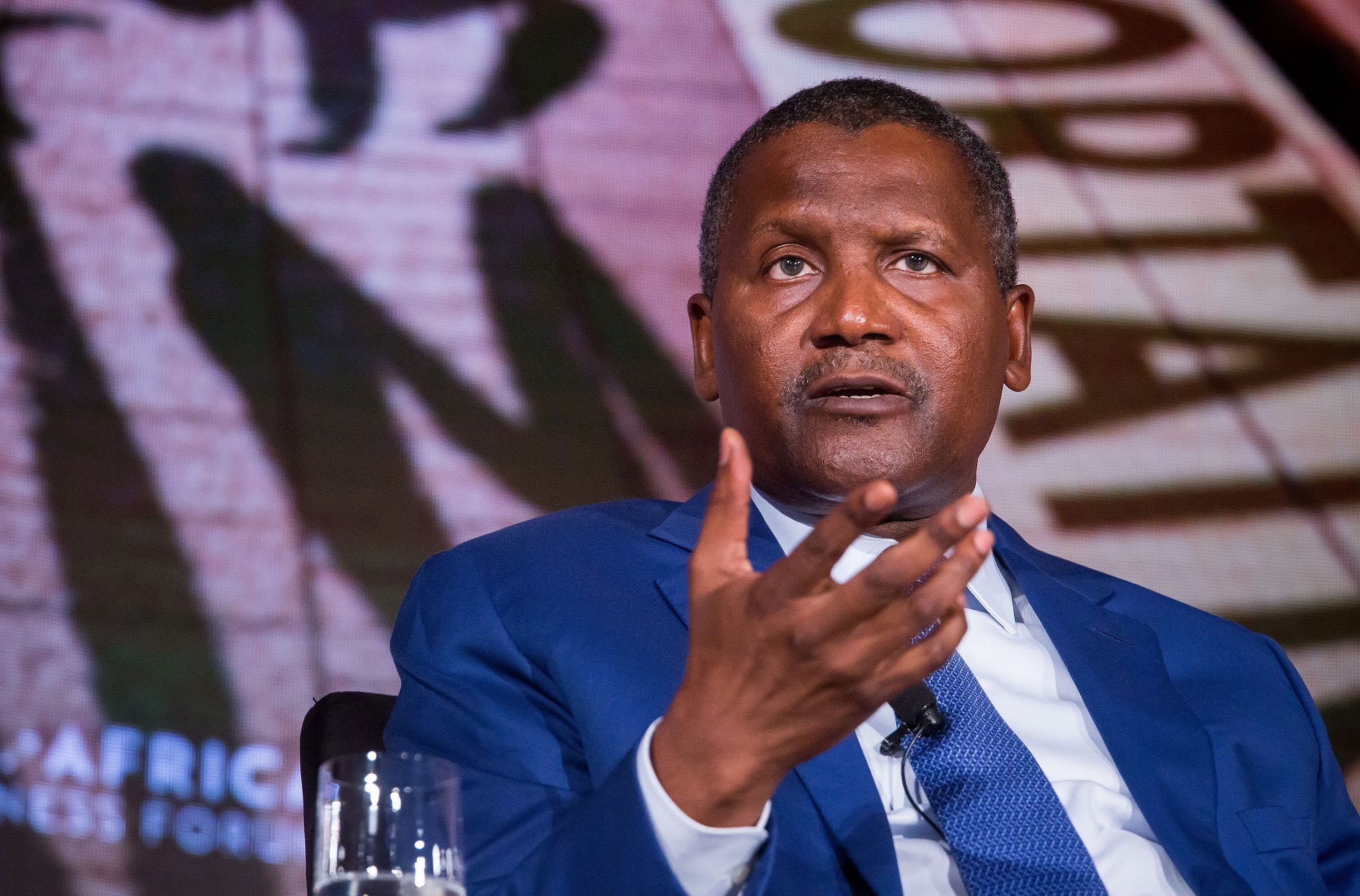
Aliko Dangote himself once captured the mood during a public feud between his company and regulators:
“What is giving us a lot of joy is that we know the majority of the population are with us. And so, we are not discouraged,” the billioniare told journalists.
His confidence is not misplaced. Nigerians have mostly stood behind Dangote. Even when the refinery clashed with senior staff union PENGASSAN and eventually laid off over 800 workers who joined the union, the public sentiment did not turn against the refinery. Naturally, this could have led to a wider outcry. Young engineers lost their jobs. But in the public space, the union took most of the heat, not the refinery.
Now, that sentiment appears to be fading after the implementation of the 15% tariff.
Nigerians understood that while such a levy might discourage importation and benefit Dangote’s position, they also knew the extra cost would come straight from their pockets.
It also came at a time when fuel subsidy had been yanked off completely, leaving Nigerians to pay premium price for the petrol they consume.
I have argued somewhere else that many Nigerians see subsidy removal as a betrayal of trust. As an oil producing nation, people assume that the govenment should provide certain basic things as benefits from their God-endowned natural resources. Any additional cost on petrol therefore only deepens the visceral pain subsidy removal already left behind.
The rollback of the policy showed the strength of the public outcry. It also raised the old question of whether Dangote refinery can meet local demand before importation is completely eliminated. Then there is the issue of monopoly.
Was the 15% tariff a monopolistic push? Should Nigerians worry that their government can side with a large private corporation even when the end result might be higher prices for them?
The data that changed everything
The debate on Dangote’s ability to meet national demand has never been settled. Nigeria still does not have clear, verifiable data on daily petrol consumption. Some estimates say 30 million liters daily. Others insist it is above 50 million. Whatever the figures are, most Nigerians simply do not know. The last time NMDPRA gave an official number was in 2022. That was the assumption until it released new data last two week.
The new data was a bombshell.
NMDPRA revealed not only what the country consumes, but also monthly imports and what local refining adds. To everyone’s surprise, Dangote refinery has never supplied up to 50% of national consumption.
At its peak in February 2025, it produced around 23 million liters a day. On average, the refinery supplied between 17 million and 18 million liters. Meanwhile Nigeria consumes about 50 million liters daily. That is the regulator’s figure.
In other words, without importation, the downstream sector will grind to a halt. The argument for banning petrol imports falls completely apart.
Dangote refinery tries to save face
Shortly after the report became widespread, Dangote refinery released its own press release that looked like an attempt to save face and win back public support.
The statement read:
“We are writing to confirm our commitment to supply Nigerian domestic PMS requirements. Dangote refinery is ready and able to supply 1.5 billion litres of PMS per month which is 50 million litres per day in December and January, followed by 1.7 billion litres per month which is 57 million litres per day from February 2026 onwards.
“We will appreciate your usual consideration and support to secure Nigeria’s domestic fuel security and abundance. Please allow the ‘Nigeria First’ policy to work to the benefit of all Nigerians.”
The message is simple. The refinery was saying that it could deliver 1.5 billion liters of fuel over time and that Nigerians could hold it accountable. It is a statement of trust more than a statement of fact.
It is true that the refinery has faced setbacks on its RFCC unit which affected production in recent months. However, the NMDPRA data covered a wider period including months when production was expected to be stronger. And in the refinery’s rebuttal, it said many things but did not dispute the regulator’s numbers.
It also did not explain how production will suddenly move from 18 million liters per day to 50 million liters per day in a short window. To me, it sounds more like corporate pandering than a hard guarantee.
Indeed, the refinery will one day meet the nation’s full demand. As production ramps up and national consumption levels drop, it will be able to supply every drop of fuel Nigerians use. But that future is not December 2025.
A 1.5 billion liters of petrol reasons
Still, I like that the refinery is trying to maintain a positive image. It shows that a bit of pressure and competition is good for everyone.
Dangote now has 1.5 billion liters of petrol reasons to win back public trust. Whether it succeeds is a different matter.
For now, both Dangote and the importers are on their toes, trying to look good before their most important customers, Nigerians.
And maybe that is one of the few admirable things about a post subsidy and fully deregulated downstream era.