


When global oil and gas prices surge, the expectation is straightforward. Expensive fossil fuels should accelerate the shift to cleaner alternatives. In many advanced economies, that logic has held. Rising gas prices in Europe, for instance, have reinforced investments in wind, solar, and energy efficiency.
In Africa, the picture is more complex.
Recent volatility in oil and liquefied natural gas markets, driven by geopolitical tensions in the Middle East, has exposed a deeper reality.
While higher fossil fuel prices strengthen the long-term case for renewables, they are also complicating the very conditions needed to finance and scale those projects across the continent.
This tension sits at the heart of Africa’s energy transition. The continent faces a dual challenge. It must expand electricity access to support economic growth while managing exposure to volatile global fuel markets.
At the same time, it must attract billions of dollars in investment to build renewable capacity in systems that are often constrained by weak grids, currency risks, and limited fiscal space.
According to the International Energy Agency (IEA), Africa accounts for nearly 20 percent of the global population but less than 6 percent of global energy consumption. Yet demand is rising rapidly, driven by urbanisation, industrialisation and population growth. Meeting that demand requires not only more power but also more reliable and affordable power.
The recent rise in fossil fuel prices such as LNG and crude oil should, in theory, accelerate this shift. In practice, they are forcing governments, investors, and utilities to rethink how and when renewable investments can be deployed. The result is not a straightforward transition but a recalibration.
Fossil fuel dependence meets price volatility
Africa’s energy systems remain deeply tied to fossil fuels. Oil continues to dominate transport across the continent, while gas and coal play a central role in electricity generation in several key markets.
In countries such as Nigeria and Ghana, gas-fired plants are essential for grid stability.
South Africa, the continent’s most industrialised economy, still relies on coal for more than 80 percent of its electricity generation, according to official data and IEA estimates.
A growing number of African countries depend on imported fuels to sustain their power sectors.
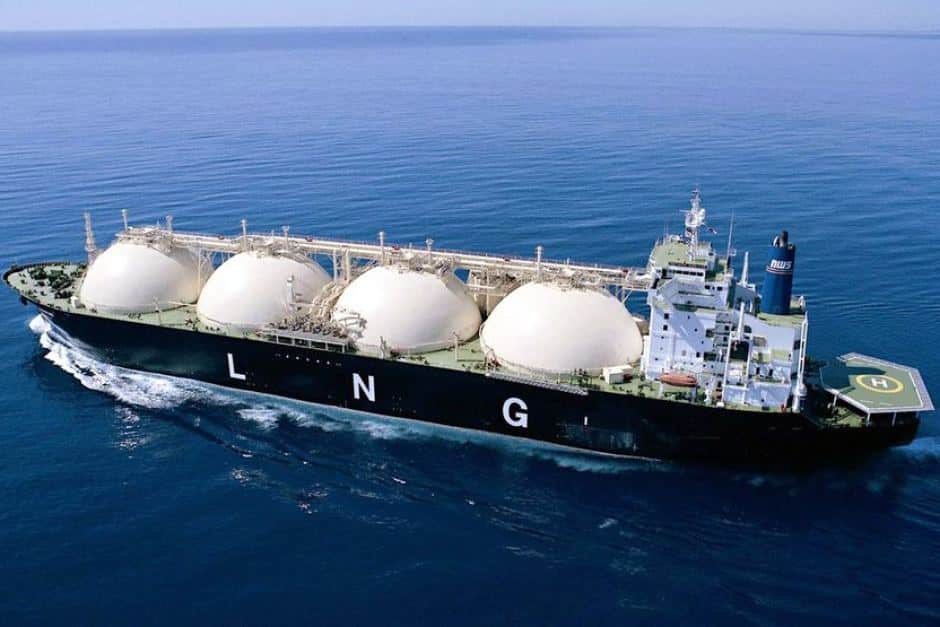
Liquefied natural gas has become an important component of this mix. Ghana imports LNG to support thermal generation. Egypt has turned to LNG imports during peak demand periods despite being a major gas producer. South Africa has explored LNG import options as part of its long-term energy diversification strategy.
This growing reliance on global fuel markets exposes African economies to price shocks. With oil prices above $100 per barrel, the cost of transport increases. When LNG prices spike, electricity generation becomes more expensive. During recent global supply disruptions, LNG prices surged sharply, placing pressure on countries that rely on imports for power generation. In Africa, where many governments subsidise fuel or electricity, these price shocks often translate into fiscal strain.
The impact is not uniform. Oil-exporting countries still benefit from higher crude prices, but even they often import refined products. Net importers face a more direct burden, with higher import bills widening trade deficits and putting pressure on foreign exchange reserves.
This structural dependence means that rising fossil fuel prices do not simply encourage a shift to renewables. They also create immediate economic pressures that shape policy decisions in the short term.
Why higher fossil fuel prices are not automatically boosting renewables
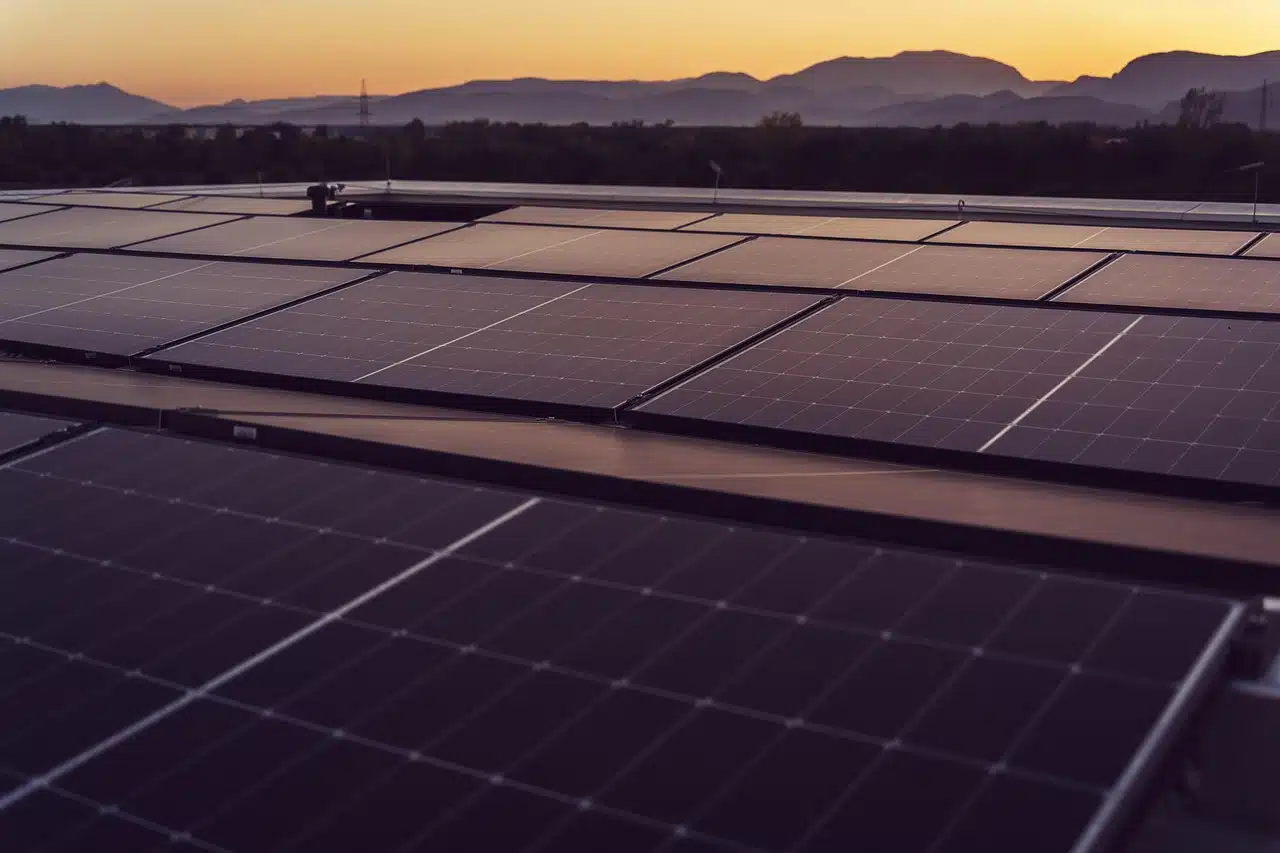
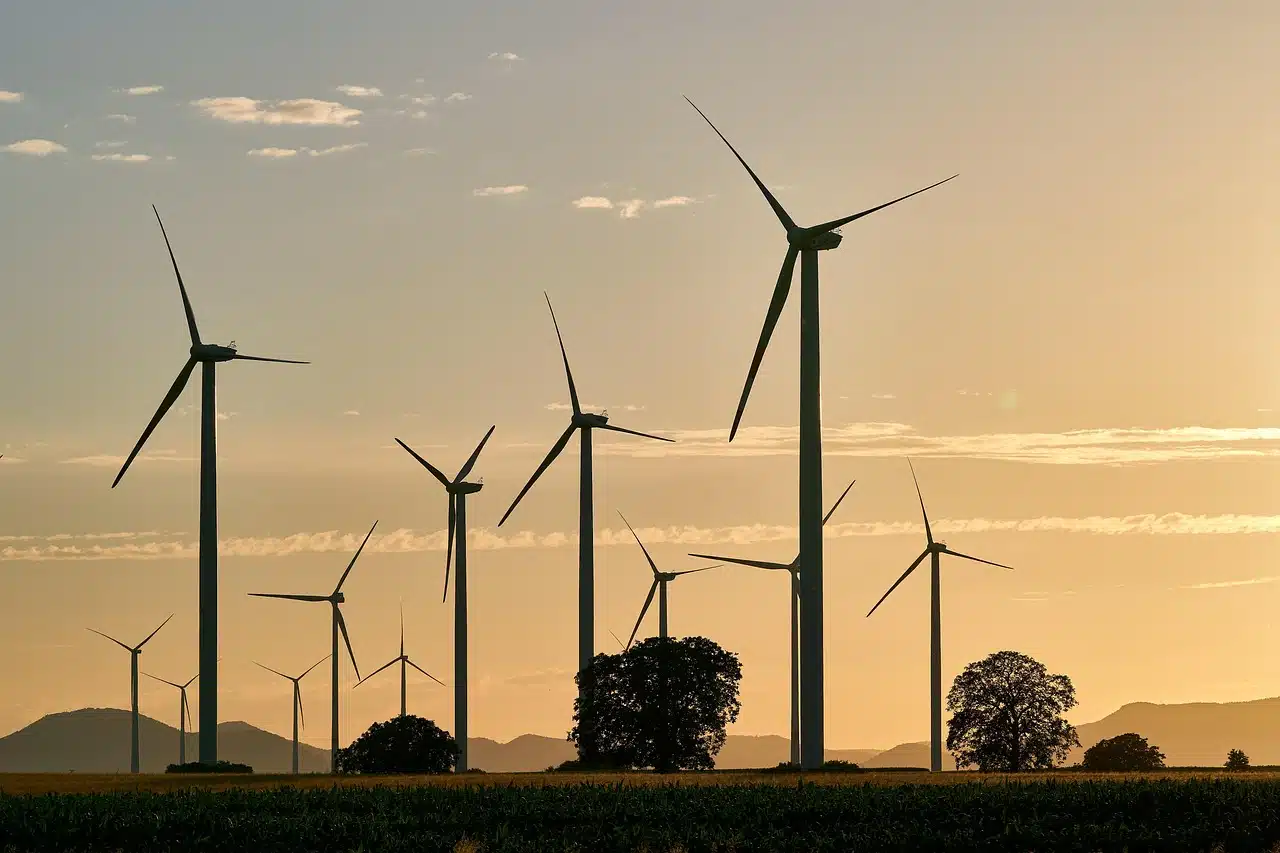
At first glance, higher fossil fuel prices should make renewable energy more attractive. Solar and wind power have no fuel costs. Once built, they offer relatively stable operating expenses compared to fuel-based generation.
However, renewable energy investment in Africa is not driven primarily by fuel economics. It is driven by finance.
Building solar parks, wind farms, and grid infrastructure requires significant upfront capital. These projects depend on long-term financing, often denominated in foreign currency. When global financial conditions tighten, the cost of capital rises.
Over the past few years, global interest rates have increased as central banks respond to inflation. For African markets, this has translated into higher borrowing costs and reduced access to concessional financing.
Most renewable energy projects in Africa are financed in US dollars or euros. However, revenues are often earned in local currency. When local currencies depreciate, the cost of servicing foreign-denominated debt increases. This mismatch can make projects less attractive to investors.
For instance, BloombergNEF and other international analysts have noted that currency volatility is one of the biggest barriers to renewable investment in emerging markets. In Africa, where several currencies have weakened against the dollar, this risk is particularly acute.
Rising fossil fuel prices also contribute to inflation across economies. Higher inflation can lead to tighter monetary policy, further increasing borrowing costs.
Renewable projects are sensitive to financing conditions. Even if fuel prices rise, higher interest rates and currency risk can offset the economic advantage of renewables.
In other words, higher fossil fuel prices do not automatically translate into faster renewable deployment. The financial environment must also support investment.
Infrastructure and policy constraints are slowing the transition
Beyond finance, structural constraints continue to shape Africa’s energy transition. One of the most significant challenges is grid infrastructure.
Renewable energy projects require reliable transmission networks to deliver electricity from generation sites to consumers. In many African countries, grid capacity is limited, ageing or unevenly distributed.
South Africa provides a clear example. The country has made significant progress in procuring renewable energy through its independent power producer programme. However, transmission constraints in key regions, particularly in areas with strong solar and wind resources, have slowed further expansion.
Energy analysts have noted that grid congestion, rather than generation capacity, is now one of the primary bottlenecks for renewable growth in the country.
Similar challenges exist elsewhere
In West Africa, transmission infrastructure remains fragmented. In East Africa, cross-border interconnections are still developing. Without strong grids, scaling renewable energy becomes difficult, regardless of cost competitiveness. Policy and regulatory frameworks also play a critical role.
Investors require clarity on tariffs, contracts, and regulatory processes. Inconsistent policies or delays in approvals can deter investment. In some cases, governments continue to prioritise fossil fuel-based solutions for immediate energy needs.
Gas is often seen as a transition fuel that can provide stable, dispatchable power. Countries such as Nigeria and Mozambique have emphasised gas development as part of their energy strategies.
However, rising LNG prices complicate this approach. While gas can support grid stability, reliance on imported gas exposes countries to global price volatility.
This creates a tension between short-term energy security and long-term sustainability. The African Development Bank has emphasised the importance of balancing these priorities. Expanding access to electricity remains a critical goal, but it must be aligned with investments that enhance resilience and reduce exposure to external shocks.
A transition shaped by resilience, not just cost
Despite these challenges, renewable energy development in Africa is progressing. Countries such as Kenya have built strong renewable portfolios, with geothermal and wind contributing significantly to electricity generation.
Morocco has invested heavily in solar and wind infrastructure, positioning itself as a regional leader in clean energy. South Africa continues to expand its renewable capacity, even as it navigates grid constraints.
These examples highlight an important point. Where policy frameworks are stable, infrastructure is improving, and financing is available, renewable energy can scale.
The key issue is not whether renewables are viable in Africa. It is whether the broader system can support them.
Rising fossil fuel prices are prompting a rethink of investment strategies across the continent. Governments and investors are recognising that energy security requires more than access to resources. It requires systems that can withstand volatility.
This includes strengthening grid infrastructure to integrate renewable capacity, developing local currency financing mechanisms to reduce exchange rate risk, expanding regional power pools to improve efficiency and reliability and investing in energy storage to complement intermittent renewable generation
Strategic planning also plays a role. Countries that rely heavily on imported fuels may prioritise diversification to reduce exposure. This could include a mix of renewable energy, domestic gas production and improved energy efficiency.
The transition is therefore not linear. It is shaped by a combination of global market dynamics and local structural conditions.
Where this leaves Africa
Rising fossil fuel prices have once again highlighted Africa’s vulnerability to global energy shocks. While higher oil and gas prices strengthen the long-term case for renewable energy, they also expose the financial and structural constraints that limit its rapid deployment across the continent.
The result is a more complex transition than often assumed. Africa’s energy future will not be determined solely by the relative cost of fuels. It will depend on the ability of governments, investors and institutions to build systems that support sustainable growth.
This means investing in infrastructure, strengthening regulatory frameworks and developing financing models that reflect the realities of African markets.
The shift to renewable energy remains essential. But as recent events show, it is not simply a question of transition. It is a question of economic survival.
In a world of volatile energy markets, Africa’s ability to navigate this transition will shape not only its energy systems, but its broader economic trajectory.