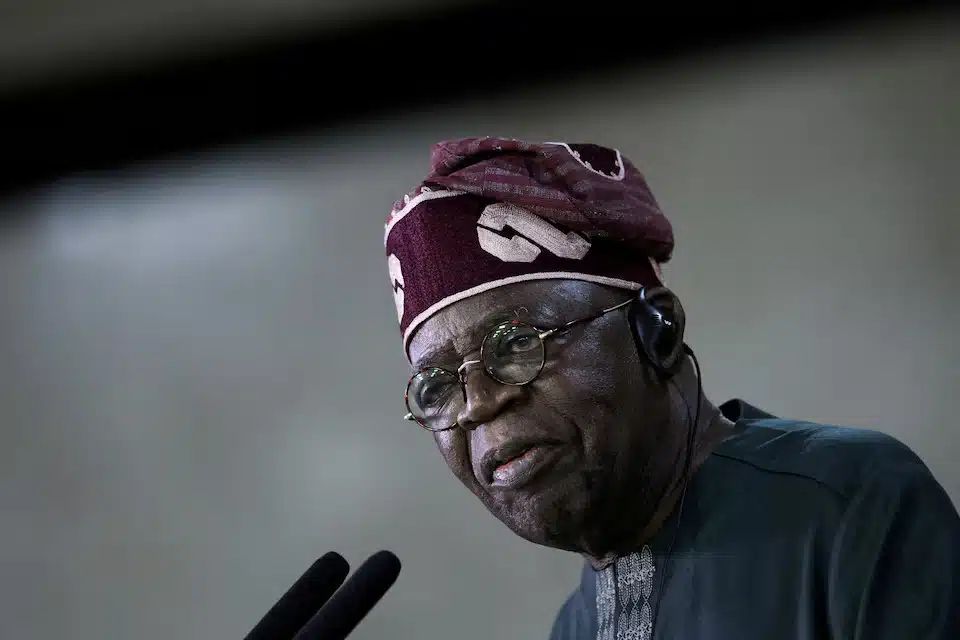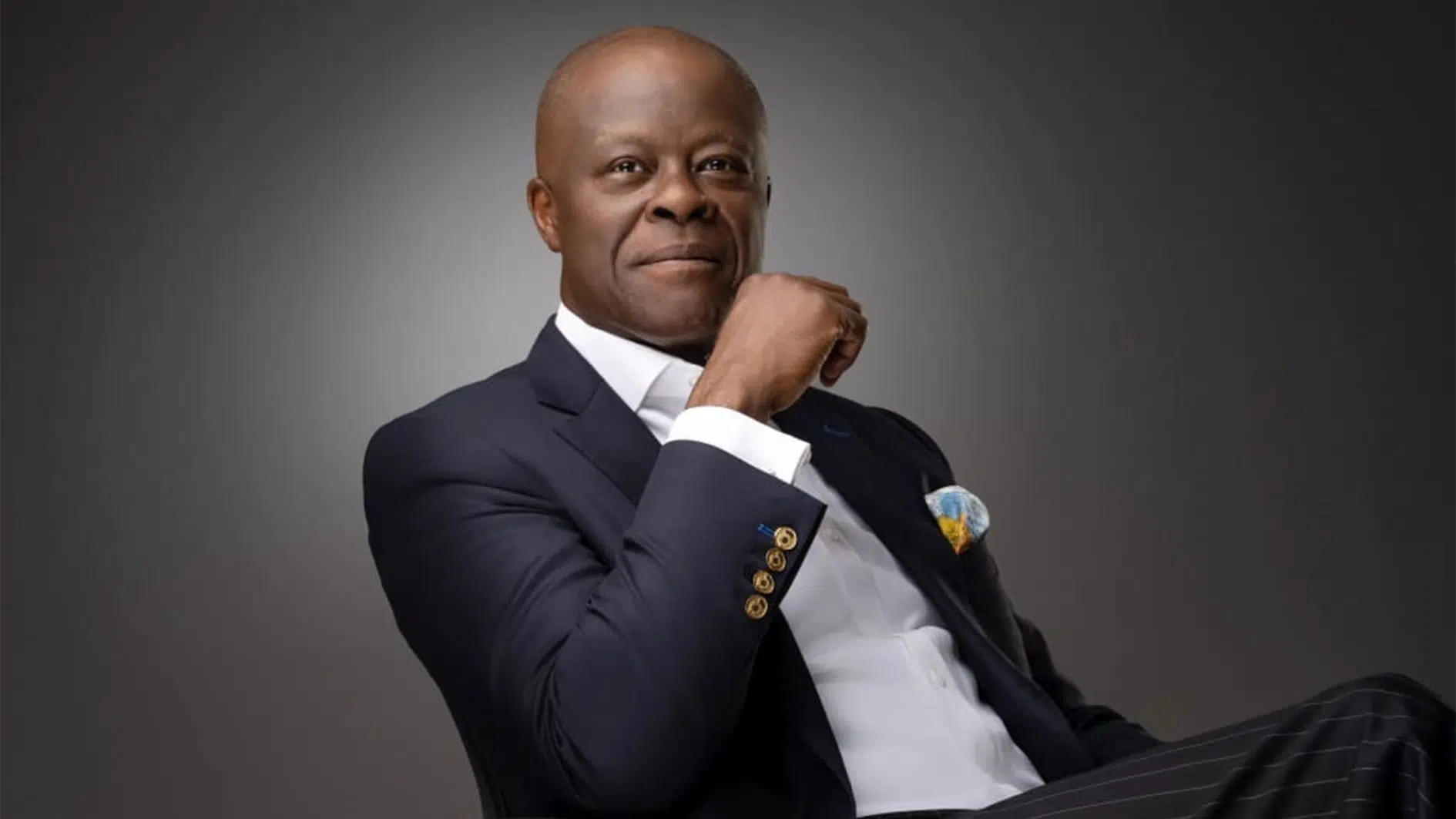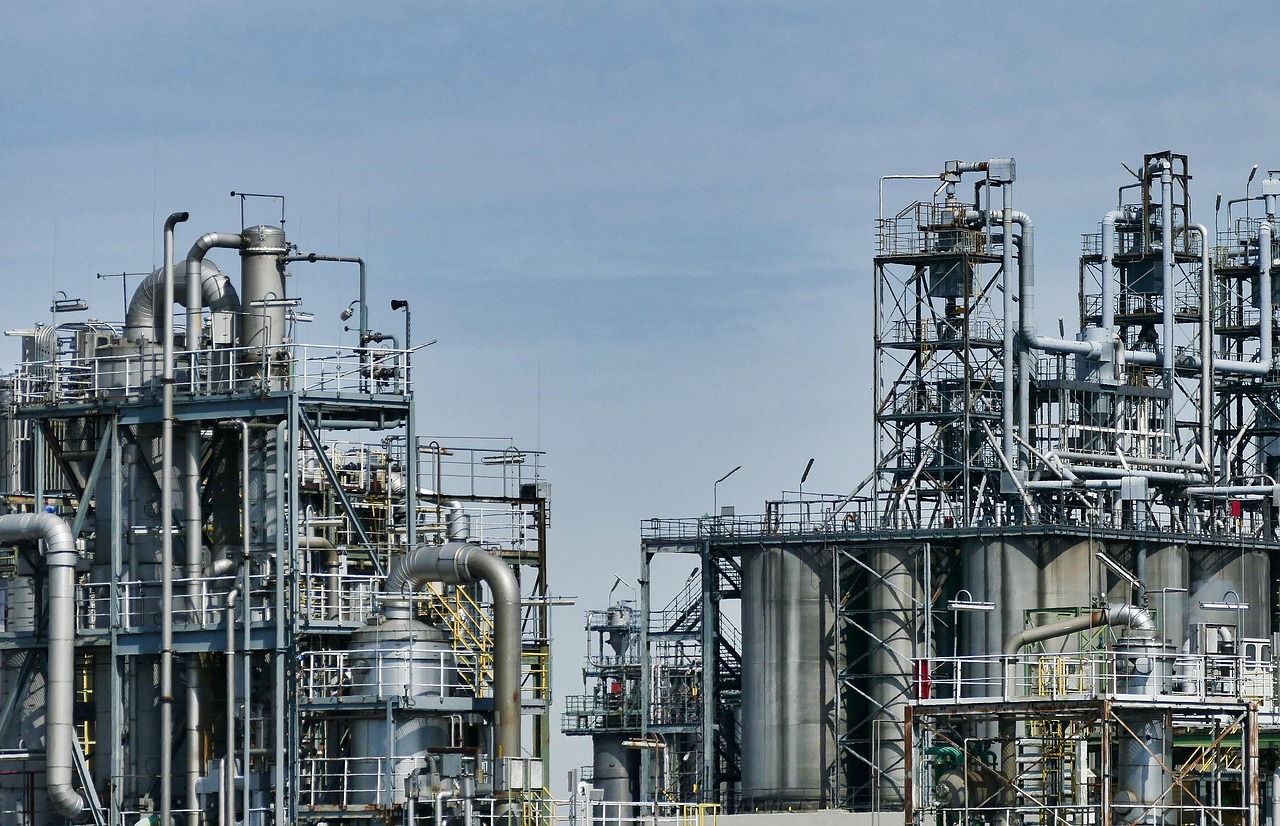

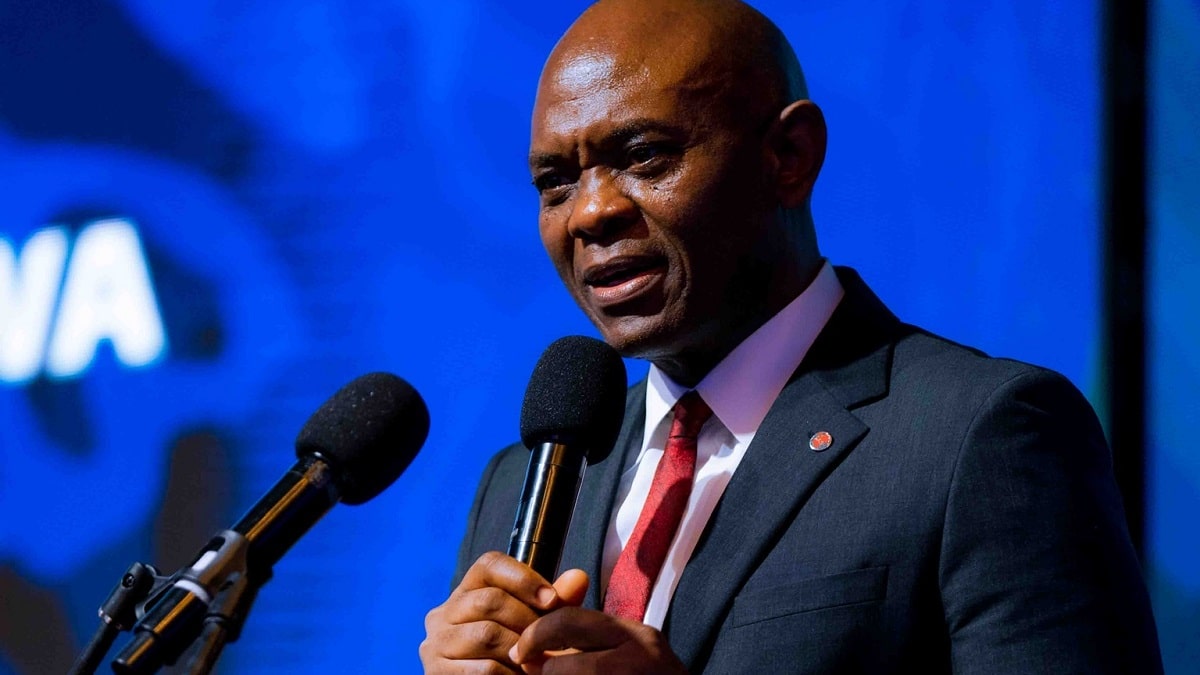


Nigerian billionaire Tony Elumelu capped off 2025 with a major move in the country’s energy sector. Just days after his company Heirs Energies secured a $750 million financing facility from Afreximbank to support operations and expansion, the firm acquired French group Maurel & Prom’s entire 20.07% stake in Seplat Energy Plc.
The deal, worth $550 million, makes Heirs Energies the single largest shareholder in Seplat—Nigeria’s leading independent oil and gas producer and the largest indigenous energy company by market value.
Elumelu, 62, described the acquisition as a strategic bet on Africa’s future.
“This reflects our belief in Africa’s capacity to own, develop and manage its strategic resources. It is a long-term investment in Nigeria’s and Africa’s energy future and aligns with our objective of supporting energy security and industrial development,” he said.
The billionaire, widely known as the champion of Africapitalism, has in recent years pursued a contrarian strategy of buying equity stakes in established or promising energy assets. His latest move is seen as more than a financial play.
Analysts say it could reshape Seplat’s ambitions in 2026, particularly in gas, where the company has positioned itself as a key player in Nigeria’s energy transition.
By taking control of the largest single shareholding, Elumelu adds another chapter to his market playbook—one that could redefine Seplat’s gas portfolio and strengthen its role in powering Nigeria’s industrial growth.
Why gas matters for Seplat
As an energy integrated company, Seplat Energy has long positioned itself as a gas-first company, viewing natural gas as central to Nigeria’s energy transition.
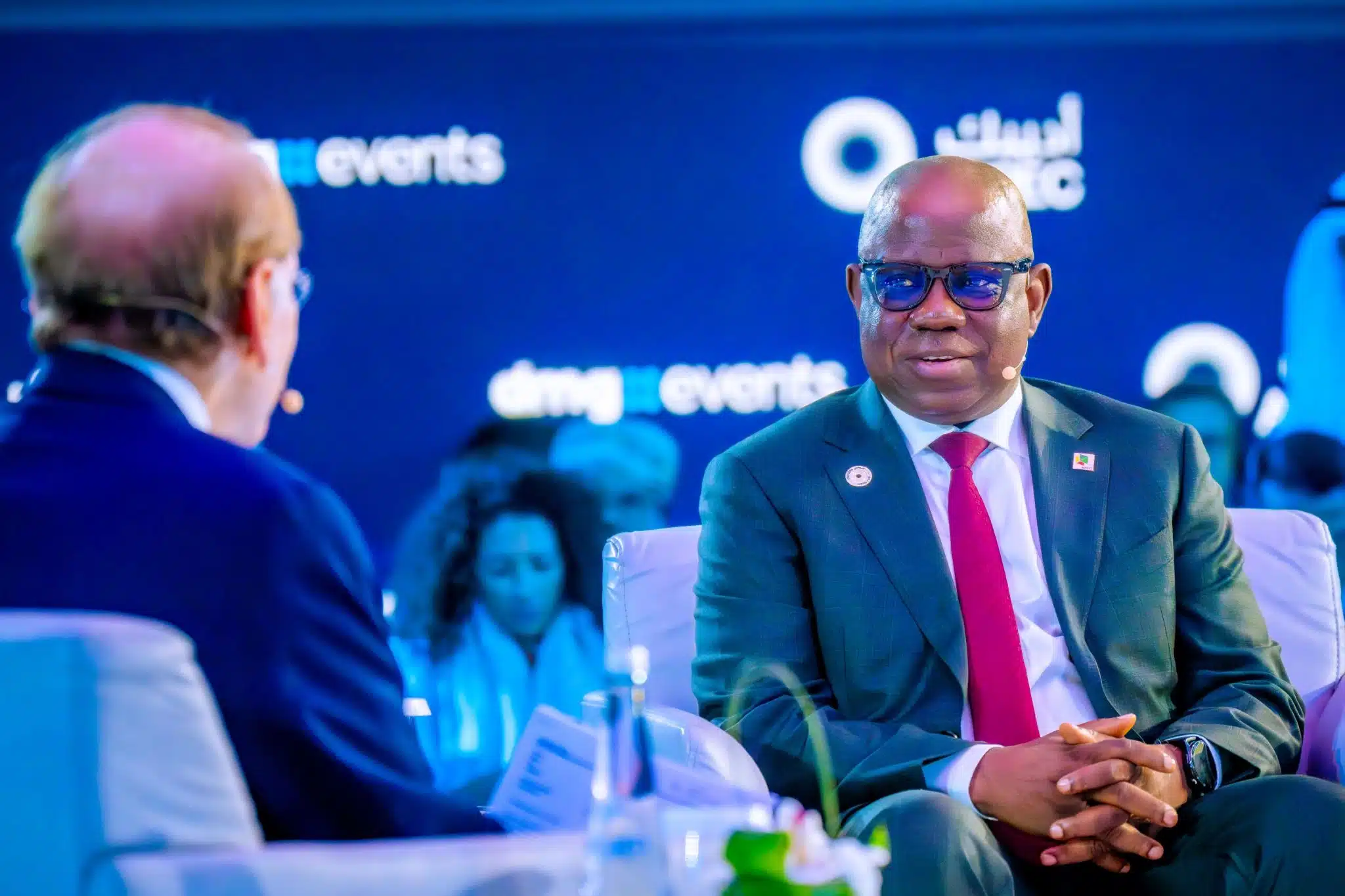
Board chairman Udoma Udoma recently said: “Our gas division will grow rapidly with enormous resources offshore, as well as our well-established onshore gas business.”
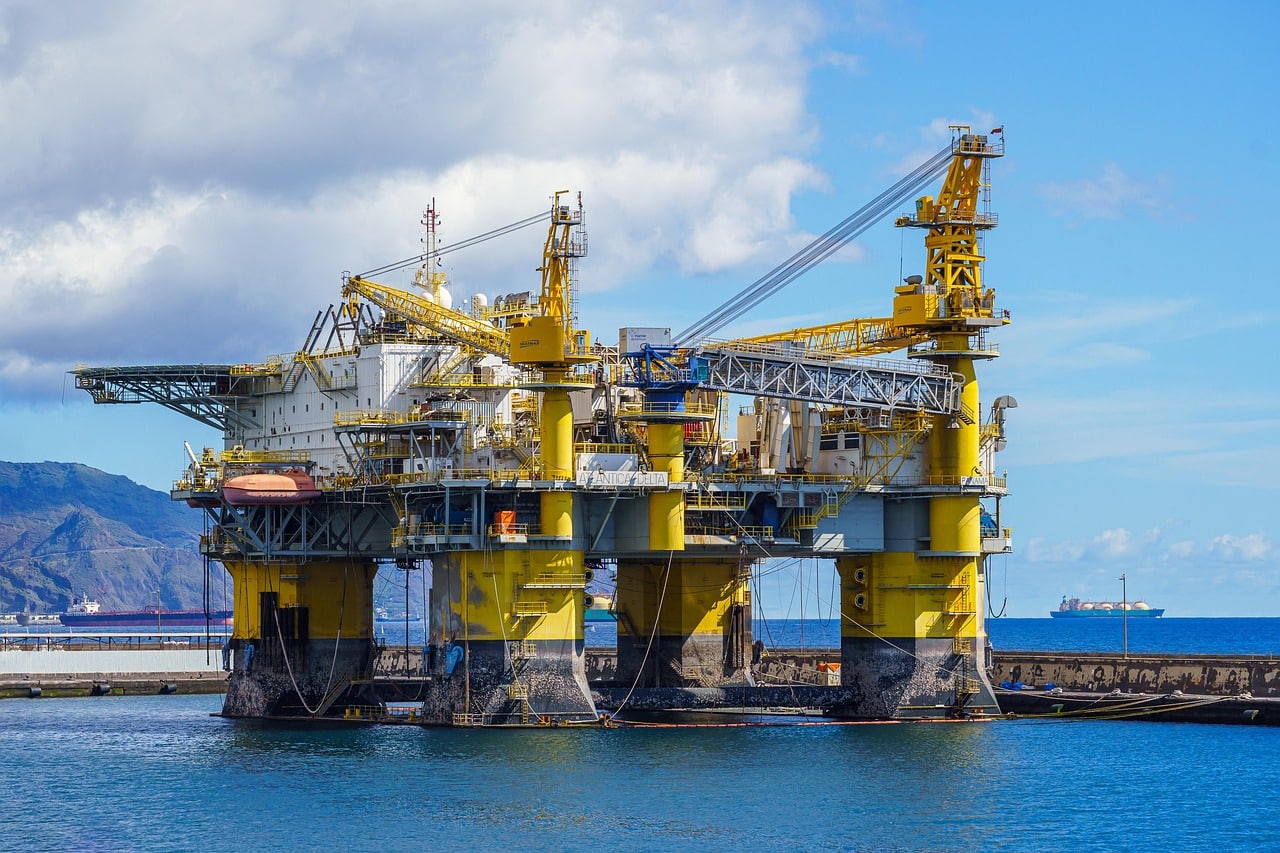
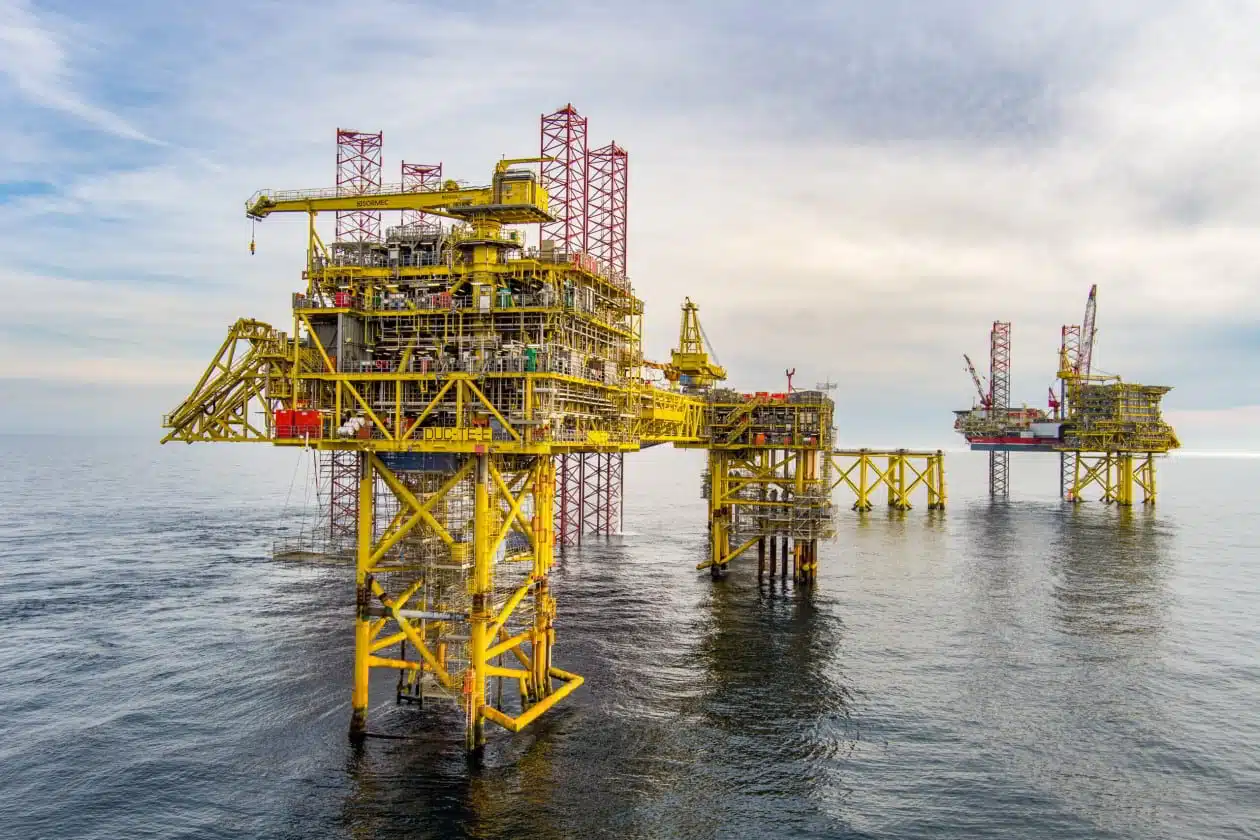
The company plans to invest between $2.5 billion and $3 billion before the end of the decade across three new gas projects, alongside an aggressive drilling campaign that could lift output to around 200,000 barrels of oil equivalent.
Industry analysts say the partnership with Heirs Energies, which recently secured a $750 million credit facility from Afreximbank, could accelerate spending.
Etulan Adu, a Port Harcourt-based oil and gas expert, told Energy in Africa: “This partnership can see Seplat Energy already spending up to 20% of its anticipated gas capex for the period in 2026 alone.”
Seplat’s pivot to gas has been underway for nearly a decade. In 2016, the company struck a $1.28 billion deal with ExxonMobil, acquiring five gas processing facilities and 48 producing oil and gas fields. The immediate plan was to invest $320 million to revive hundreds of idle wells.
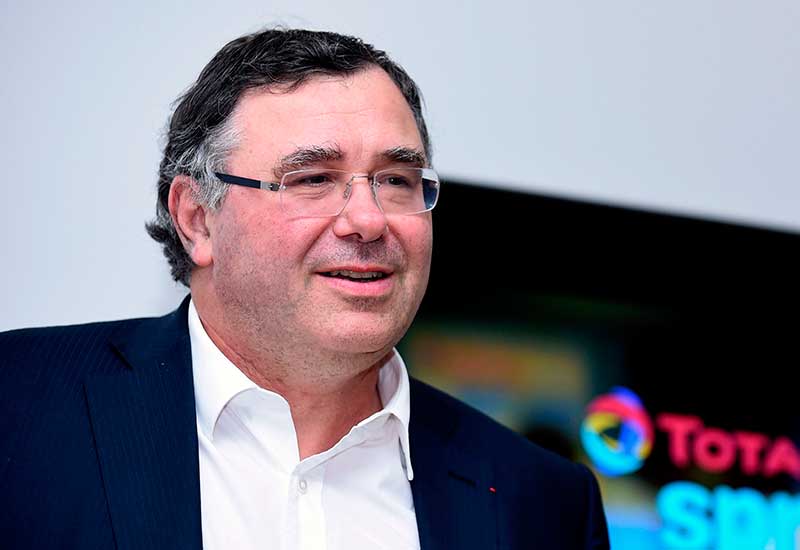
Chief executive Roger Brown said: “We are focused on reviving existing wells, expanding drilling campaigns, and increasing gas volumes. In the portfolio we have significant gas opportunities.”
That strategy has already delivered results. Seplat’s gas output jumped by 50%, rising from 10 billion cubic feet in the fourth quarter of 2024 to 14.9 billion cubic feet in the first quarter of 2025. Its assets now supply feedstock to power plants and industries, reducing Nigeria’s reliance on imported fuels.
Investor confidence has followed.
“Seplat Energy has established a well-governed operating platform with long-term growth potential, and we are pleased to support its continued development and value creation for stakeholders,” said Tony Elumelu, whose Heirs Energies recently became Seplat’s largest shareholder.
With Heirs’ 20% influence, Seplat’s gas strategy is expected to shift further, reflecting both companies’ interest in Nigeria’s burgeoning gas economy.
“We foresee a big growth in the gas sector in Nigeria, because there are a lot of gas reserves in the east. We believe in this for the future,” executive director Samson Ezugworie said last year.
Seplat is currently working to unlock 850 million cubic feet per day across three major gas projects—Anoh, Oben and Sapele—which could serve between 15 and 20 million Nigerians.
Elumelu’s market playbook
Elumelu has built a reputation for long-term bets on energy and infrastructure.
Many of his earlier proposals to acquire legacy assets were blocked under former President Muhammadu Buhari on national security grounds.
But in 2021, his company Heirs Energies (then TNOG) made a breakthrough, securing a $1.2 billion deal for 45% of Shell’s stake in the prolific OML 17 block. The move marked a bold entry into Nigeria’s upstream oil market and drew widespread attention.
Just a few years on, Heirs Holdings controls significant oil and gas assets and has invested heavily in power generation. Through Abuja Disco, Transcorp Power and TransAfam Power, the group now accounts for about 17% of Nigeria’s installed electricity supply capacity.
“We are one of the three lowest-cost operators in Nigeria. We’ve had the highest oil production growth in Nigeria in the five-year period of 2020–2024. We have built a champion in OML 17,” said Osa Igiehon, chief executive of Heirs Energies, during a financing agreement signing with Afreximbank in December.
Heirs Energies has signalled its ambition to become an integrated energy player. At the company’s annual event in Lagos last year, Elumelu said: “You know for us, we will integrate ultimately. But we wanted to start with oil production first. When we have oil, which is the raw material, then going into fertiliser, petrochemicals, and even refinery won’t be as difficult.”
Analysts believe Elumelu’s entry into Seplat could reshape its gas portfolio.
James Akwaji, an oil and gas analyst, said: “This strategic move would increase Seplat’s gas portfolio in 2026 by injecting Heirs’ expertise from OML 17, where they pump 120–135 million cubic feet of gas daily to power plants. Expect faster ramps on Seplat’s ANOH plant, now eyeing first gas and Sapele projects.
“Heirs’ $750 million funding firepower accelerates capex, targeting Seplat’s 50% output growth to 200,000 boepd by 2030 with gas in focus.”
By taking control of Seplat’s largest stake, Elumelu gains leverage to shift the company’s focus further toward gas rather than oil, potentially linking upstream gas directly to downstream electricity generation.
“For me, this partnership represents more than just a financial venture but embodies a shared vision for a more sustainable and efficient energy landscape in Nigeria,” said Adu.
“This collaboration promises to accelerate the development of Seplat’s gas assets—potentially prioritising projects like the ANOH gas plant and the development of the Yoho gas field that will bolster domestic gas supply and pave the way for increased local industry.”
The synergy between the two entities is striking.
Their combined production capacity is expected to reach 490 million standard cubic feet of gas per day, representing about 6.5% of Nigeria’s average daily gas production as of July 2025.
Key among Seplat’s pending gas expansion projects is the 2.8 MTPA floating LNG project spearheaded by UTM Offshore, involving global commodity trader Vitol and Afreximbank.
The delayed $5 billion project, designed to tap feedstock gas from Seplat’s Yoho offshore field, is nearing a final investment decision that could be announced before the end of the year.
Seplat’s gas outlook for 2026
Moreover, Elumelu’s entry could mark a turning point for Seplat’s gas portfolio. With his capital, networks and strategic vision, the company is expected to push forward some of its long-held ambitions in Nigeria’s gas sector.
Yet progress will depend on overcoming familiar hurdles.
Gas commercialisation projects in Nigeria have often been slowed by endemic routine flaring and infrastructure bottlenecks.
The potential upside remains significant.
Nigeria’s proven but underutilised gas reserves—estimated at more than 200 trillion cubic feet—offer vast room for expansion.
At the same time, around 80% of the country’s 200 million-plus population still rely on dirty fuels for cooking, presenting a huge market for forward-looking gas operators.
For major local players such as Seplat and Heirs Energies, which already hold substantial stakes in Nigeria’s gas and power sectors, the partnership is expected to deliver meaningful results in 2026, becoming part of a broader revival across the country’s upstream industry.
Industry voices are cautiously optimistic.
“In 2026 and beyond, we hope to witness strong and strategic collaborations between indigenous energy companies to foster local participation that would drive investor confidence,” said Adu. “However, capital discipline must be assured to enable local players with the right operational capabilities to thrive,” he warned.