
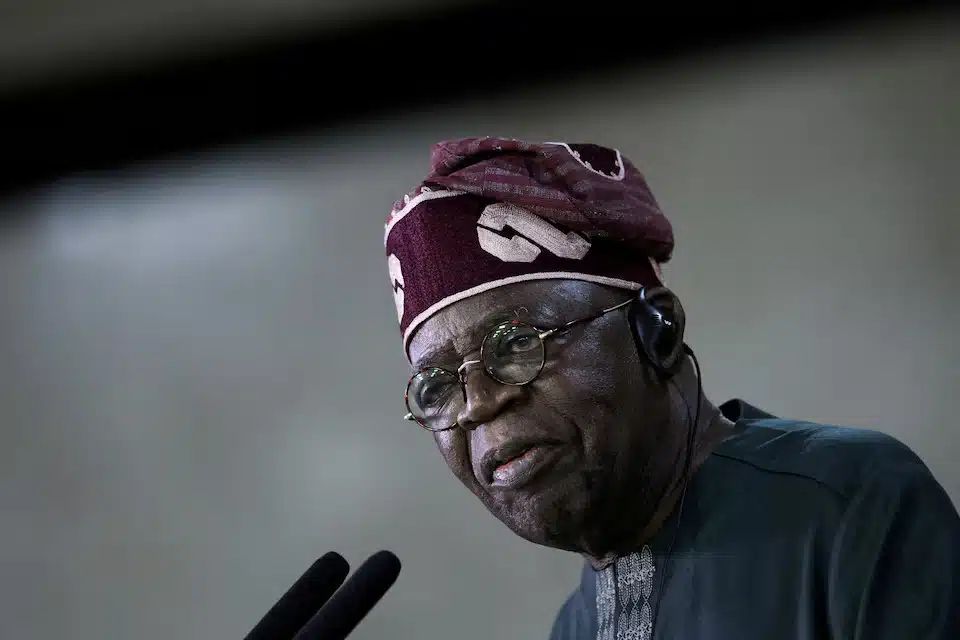


When Bola Tinubu stepped into office, one of the talking points that followed him was his ExxonMobil pedigree—his early career ties to the oil giant.
For many citizens, the question before the polls was simple: would that background translate into tangible gains for Nigeria whose economy remains tied to a struggling energy sector?
Fast forward to today, and the conversation feels more alive than ever as industry figures make headlines every now and then.
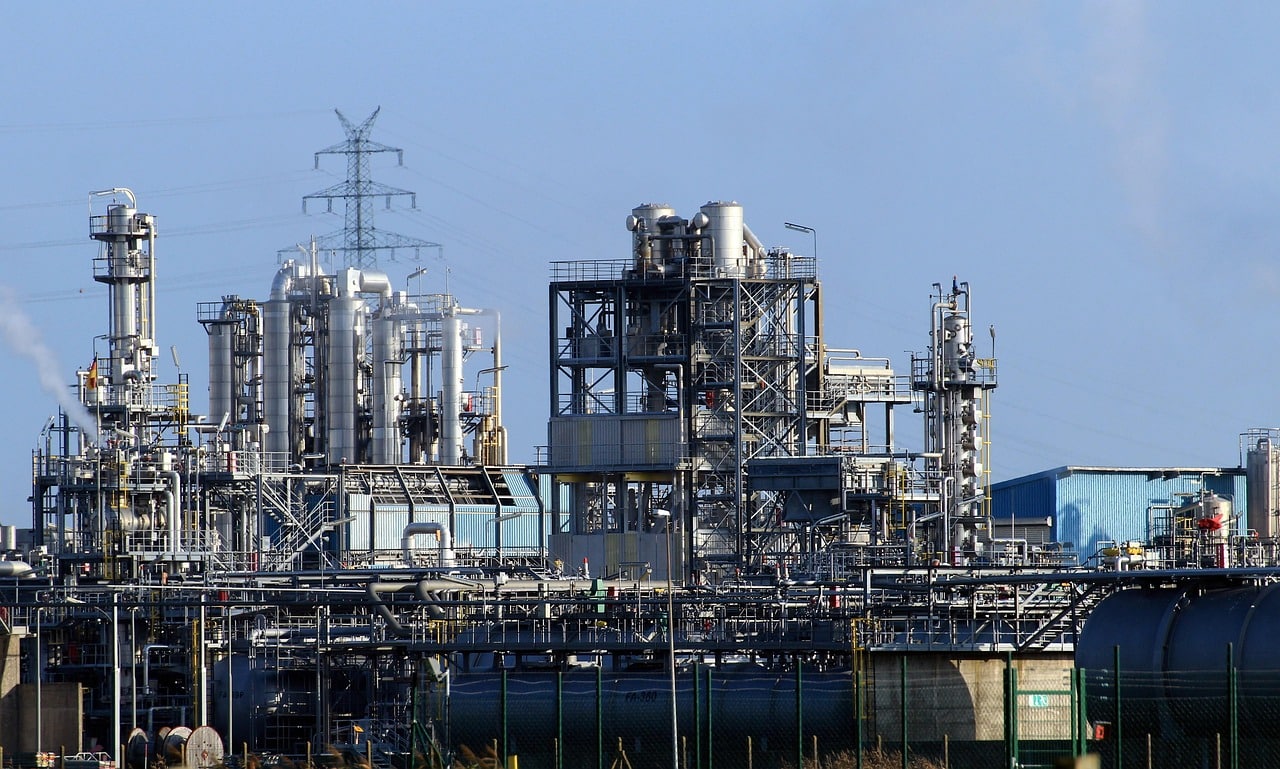
Ask energy analysts about the state of Nigeria’s oil industry, and most will likely say the sector is showing signs of revival, after years of enduring underinvestment, ageing infrastructure, and policy uncertainty,
Production numbers are creeping upward, new deepwater projects are back on the table, and international oil companies are cautiously re-engaging.
A technocrat with energy credentials
After completing his studies at Chicago State University, Tinubu began his career at Deloitte, Haskins & Sells (now Deloitte & Touche) in 1979.
His strong performance there opened doors into the oil and gas sector. He later joined Mobil Oil Nigeria (now ExxonMobil), where he worked as a professional accountant.
Tinubu has often described this transition as the result of academic excellence and career progression.
“I joined Deloitte and was trained by one of the biggest accounting firms in the world because of my education,” he told Nigerians in India during the G20 summit in 2023. “That’s how I got to ExxonMobil and was a very successful accountant, auditor‑general, and treasurer until I joined politics with a can‑do attitude.”
At ExxonMobil, Tinubu gained exposure to the financial and operational workings of a multinational energy giant.
He often cites this experience as part of his private‑sector credentials, arguing that it prepared him for leadership and gave him the ability to make tough decisions.
Speaking the language of investors
Tinubu’s ExxonMobil background is more than a line on his CV. It signals familiarity with global oil markets, the technical demands of exploration, and the corporate culture of major energy players.
It’s like having a former banker run the treasury—there’s a certain fluency investors notice.
Another hallmark of his approach has been appointing seasoned professionals to lead key agencies.
During the 2023 presidential campaign, he stressed: “Teamwork is crucially important. Give people the opportunity to exercise their talents in turning around the ship of the nation.”
Months into office, he split the petroleum ministry into two—oil and gas—aimed at accelerating the utilisation of Nigeria’s vast gas reserves.
Each subsector now has distinct financing, infrastructure, and regulatory frameworks.
He also replaced the heads of the two regulatory agencies after a corruption fallout involving the Dangote Refinery, installing industry veterans with decades of experience.
“We could also point to key appointments, such as the Special Energy Adviser, Mrs Olu Verheijen, and the Bayo Ojulari‑led NNPC, which have made an impact,” Ayomide Anifowose, an energy business analyst said.
Policy reforms driving investment
Tinubu’s administration has leaned heavily on fiscal reforms, building on the Petroleum Industry Act of 2021 (PIA).
“Reform is critical to me, having been in that industry before as the finance person on the Osso (Exxon’s) condensate project,” he said.
Some of the notable changes over the last three years under the Tinubu-led administration include:
- Lower entry barriers: Signature bonuses for oil licensing rounds have been cut significantly to attract foreign investors. In the current round, for instance, the bonus is $3 million for onshore and shallow water blocks (down from $7 million) and $7 million for deep water blocks, down from $10 million.
- Deferred taxation: Investors are incentivised with deferred tax periods, allowing returns to compound before government takes its share. Tinubu explained: “If you attract investment with incentives, you have an expanded base of money coming in. All you have is a deferred tax period. If you want an omelette you have to break the egg.”
- Gas incentives: Deep offshore gas projects enjoy full exemption from hydrocarbon tax, while non‑associated gas developments qualify for tax credits for up to ten years. These credits are volume-based and calibrated to the hydrocarbon liquid content of production, making deepwater gas the cornerstone of Nigeria’s production growth strategy.
- Efficiency‑based tax credits: Companies can claim credits if they keep operating costs below benchmarks, recouping up to 50% of government’s gain from efficiency savings. The annual tax credit claim is limited to 20% of a company’s tax liability for that year.
These measures target Nigeria’s chronic cost problem, where producing a barrel of crude has been far more expensive than in competitor countries.
As of 2025, it costs Nigerian operators between $25-40 to produce a barrel of crude oil, way higher than in other countries like Russia, Iraq and Iran.
Signs of revival
The reforms are already reshaping the sector.
Active oil rigs have seen an astronomical rise from eight in 2021 to 46 by mid‑2025.
Production climbed to 1.7 million bpd, the highest in years, despite missing OPEC targets lately.
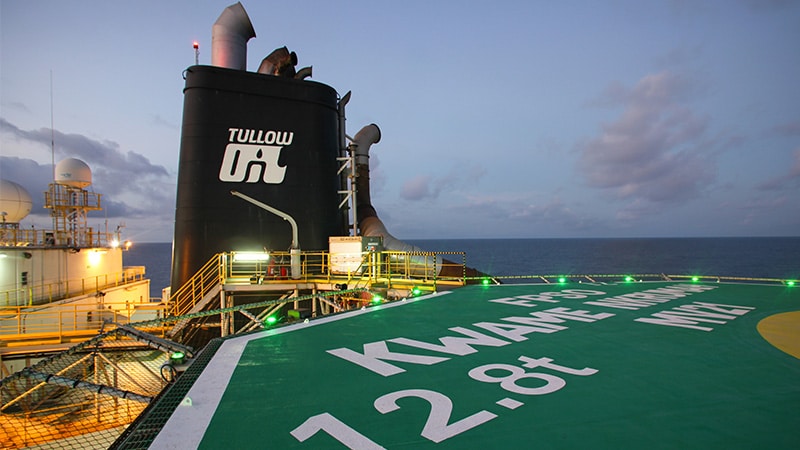
Deepwater projects like Shell’s Bonga North and Bonga South West Aparo are being revived, while TotalEnergies is preparing for a final investment decision on its Ima gas project.
Local firms are also stepping into spaces once dominated by international majors, with billion‑dollar acquisitions reshaping the landscape. This includes:
- Renaissance Group took over Shell’s onshore business
- Seplat/ExxonMobil onshore/shallow water asset acquisition deal
- Heirs Energies’ $500 million stake acquisition in Seplat
- Conoil swapped key offshore block with TotalEnergies
- Nipco’s 19.4% stake acquisition in Savannah Energy
Infrastructure projects such as the AKK pipeline, Kolmani frontier development, and NLNG Train 7 are advancing after years of delay.
Moreover, the NUPRC in 2025 said it has up to 220 unlicensed oil blocks across several frontier basins that are being primed for future award.
To support these efforts, the government projects total inflows into the oil and gas sector will reach $20 billion by the end of the decade, as the country emerges as the destination of choice for upstream investment in recent months on the continent.
Pedigree or coincidence?
So, is Tinubu’s ExxonMobil pedigree paying off?
In some respects, yes.
His administration has leaned on reforms, and the sector is showing momentum.
Analysts note that he listens to industry grievances and has created a more investor‑friendly environment.
Clementine Wallop, a popular analyst of the Nigerian energy industry in November told Energy in Africa: “The new president is a president who listens to the grievances of the oil players and investors.”
“I think there’s quite a diversion from what was before and what we currently have now.”
Yet others argue the revival is more about the PIA and broader macroeconomic reforms than Tinubu’s ExxonMobil past.
As Anifowose put it: “For me, it comes down to two things: macroeconomic reforms and PIA implementation.”
“If we look at reforms in the upstream sector—for example, the divestment and recalibration of NNPC and the regulator—these are direct outcomes of the Act.
“However, I believe macroeconomic reforms across the broader economy have also played a huge role in strengthening our most lucrative (oil) sector.”
Ultimately, Tinubu’s ExxonMobil experience gives him credibility when speaking the language of oil investors. But Nigeria’s boom will depend less on pedigree and more on whether reforms stick, local players scale up, and global investors believe the country can deliver stability.
Energy advisory Wood Mackenzie said Nigeria would need an annual investment of around $5 billion to sustain its current level of production, let alone meeting the 3 million bpd aimed for 2030 by the Tinubu government
“Investment has suffered a steep fall from a peak of $29billion (real) in 2014 to just over $5 billion in 2024. We believe the latter is the absolute minimum required merely to sustain current levels of production,” the consultancy said.
Exxon may have given Tinubu the vocabulary of oil. The challenge now is turning that language into lasting action.