


When one thinks of Ghana, the West African nation, one imagines a country with immense natural resources like gold, cocoa, and other minerals. The country, once nicknamed the Gold Coast because of its richness in same resource, is not in any way known for its oil production.
Ghana produces moderate oil, but not enough to be counted among big leaguers like Nigeria, Angola, or Libya. And unlike the latter, it is also not a member of the global oil bloc, OPEC.
But Ghana has done extremely well with its black gold in comparison to larger oil-rich nations.
Its two major oil fields — the TEN field and the Sankofa field — produce an average of about 110,000 barrels of crude per day. This is about 10% of the quantity its neighboring Nigeria produces, by the way.
However, what Ghana lacks in quantity it makes up for in efficiency. In 2024, oil contributed about 7% of Ghana’s GDP, a notable increase from about 3% five years earlier. Ghana began commercial oil production in 2010.
Red carpet for oil investors
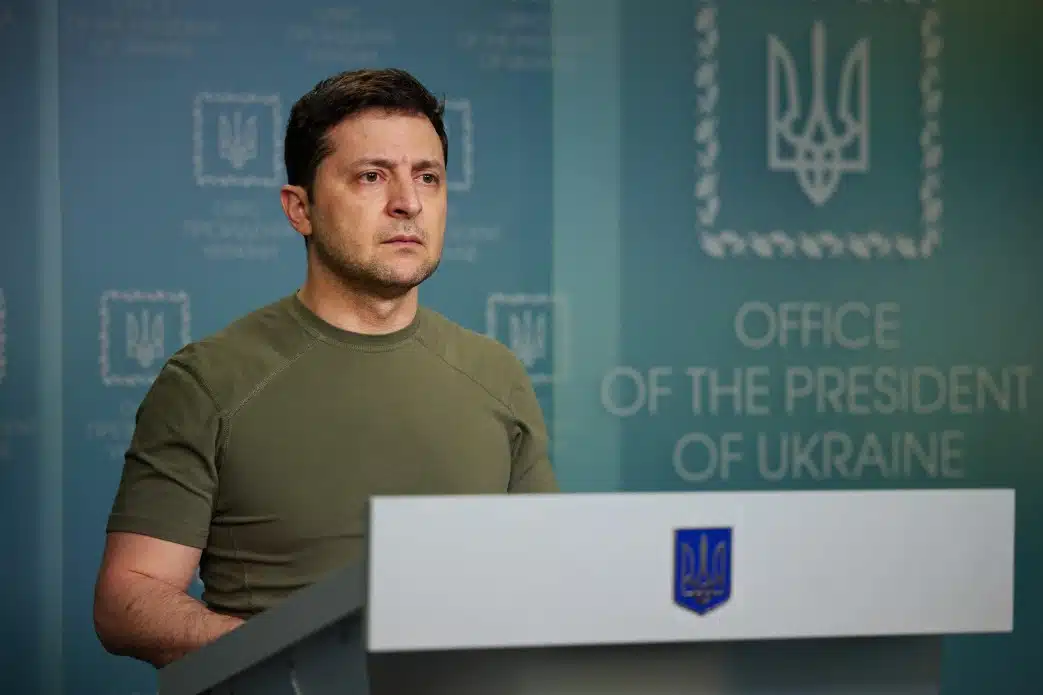
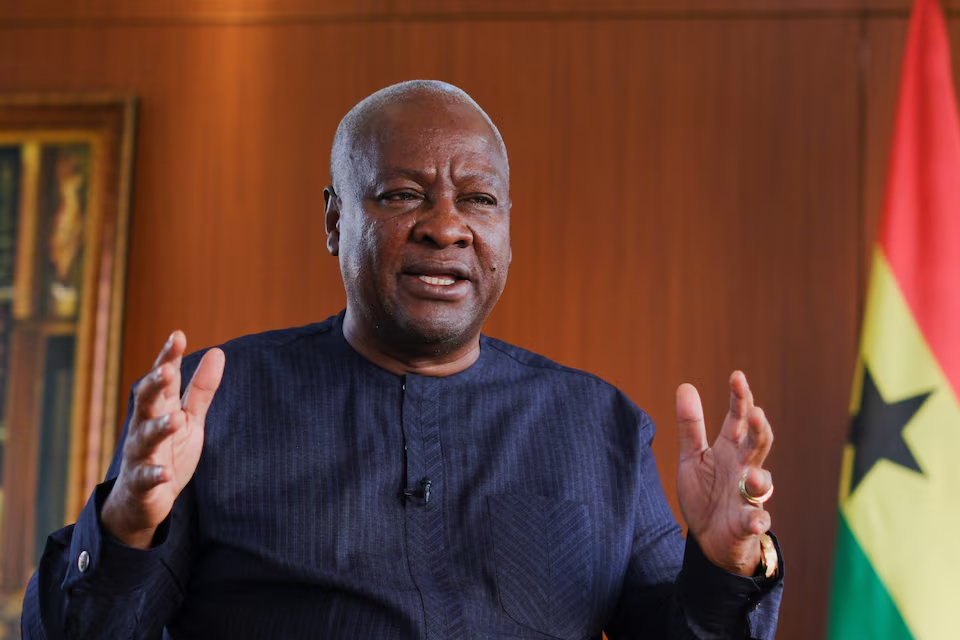
At the center of this oil push is its stoic, two-term president, John Mahama, who is now becoming the face of Ghana’s renewed emphasis on its oil and gas sector. Mahama, who assumed office in January 2025, implemented a wide range of reforms, including in the oil and gas sector.
Unlike his predecessors, whose focus was usually cocoa and gold, Mahama has taken a keen interest in his nation’s burgeoning oil sector.
Reforms including paying off legacy debts to gas suppliers such as Eni and Vitol top the list of Ghana’s democratically elected leader’s agenda.
In one of his first out-of-the-country outings, Mahama told oil firms in Côte d’Ivoire to “drill and pump” more oil like there is no tomorrow.
“I will lay a red carpet to anybody who wants to drill and pump oil because in the next decade or two, the world would have made a transition to renewables,” the president said.
He did roll out the red carpet for oil firms including British Tullow Oil and Italian Eni.
Since resuming office, Mahama has launched oil exploration in the Volta Region, aiming to diversify production beyond the nation’s offshore Western Basin.
While production is yet to rebound to its pre-Covid peak, activities in the nation’s upstream sector have surged significantly. New deals and projects have also been kicked off, particularly with smaller independents.
“It is instructive to note that Ghana, like most African countries, has large unlicensed acreages across our offshore and onshore basins. The onshore Voltaian Basin presents one of the most exciting frontiers on the continent,” Mahama said late last year.
“The GNPC and its exploration subsidiary, Explorco, are advancing preparations to drill new exploration wells by the end of the third quarter of 2026. This presents a unique opportunity for partners seeking to pioneer Ghana’s onshore potential.”
Ghana’s oil production rebound
So far, the president’s bet is paying off.
Kosmos Energy, the operator of the Jubilee Field, recently reported the successful drilling and completion of the J-74 well, the second producer in its 2025–2026 development program. This new well is expected to add over 10,000 barrels of oil per day (bpd), raising Jubilee’s total output to nearly 70,000 bpd, an increase from the roughly 59,000 bpd averaged in late 2025.
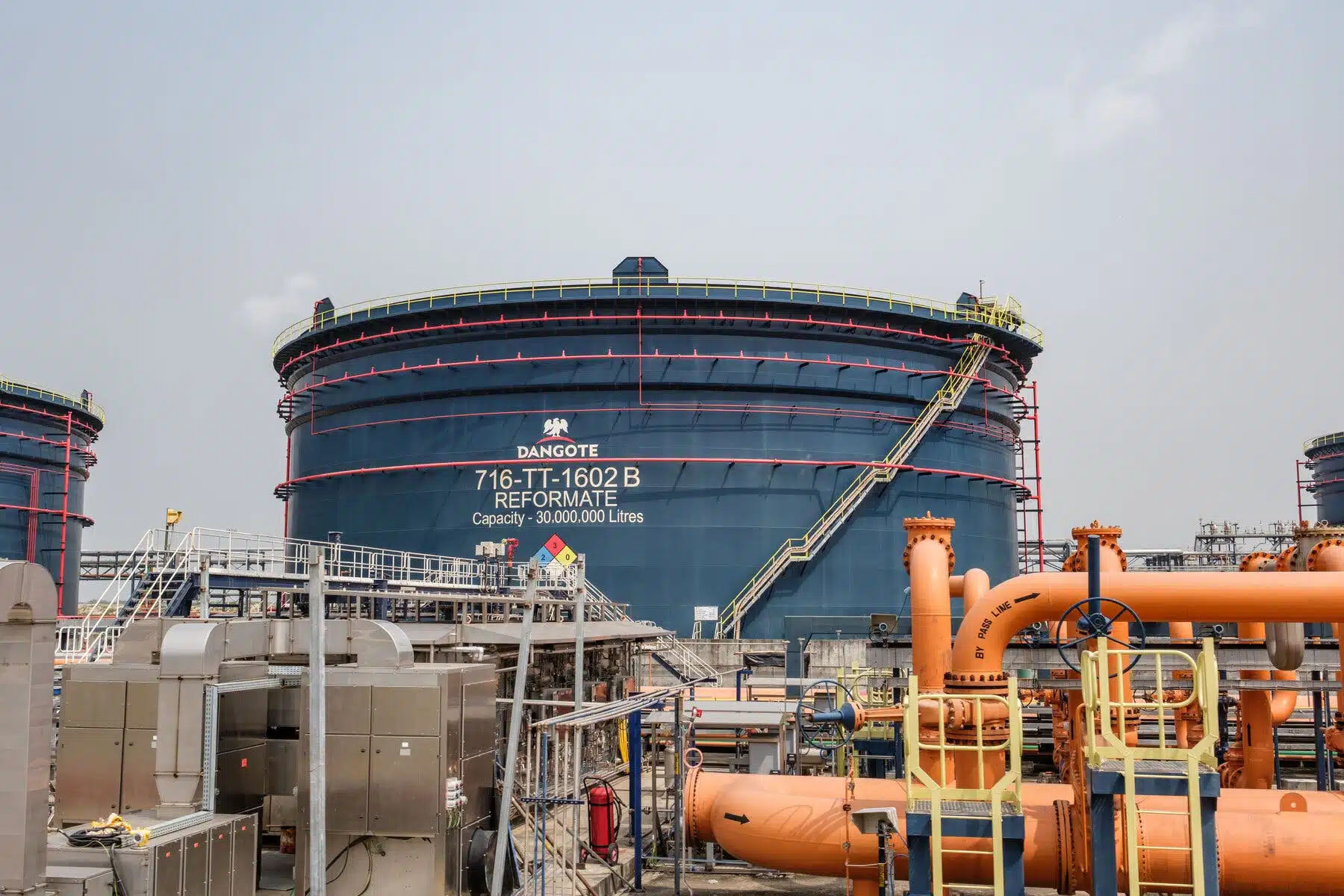
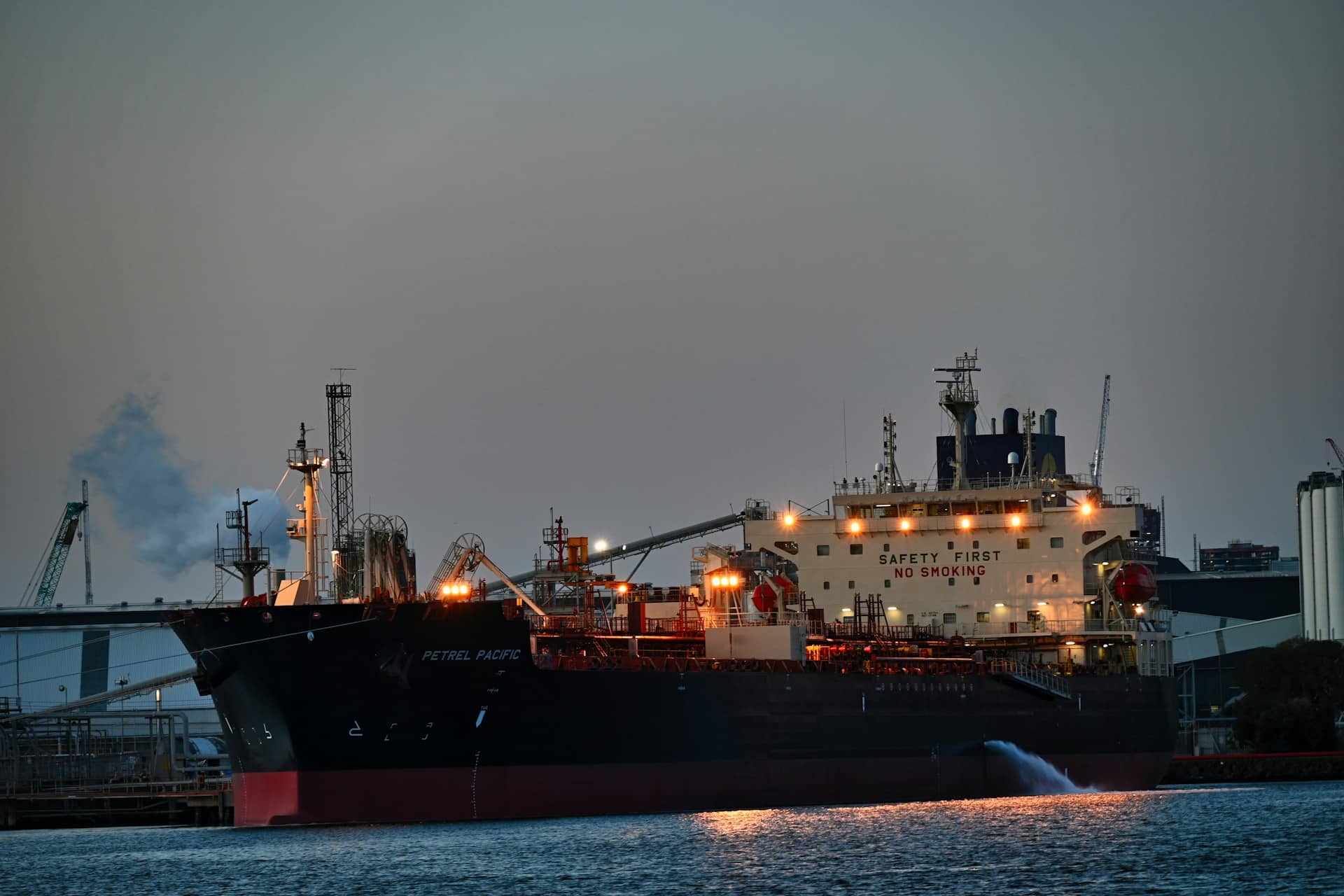
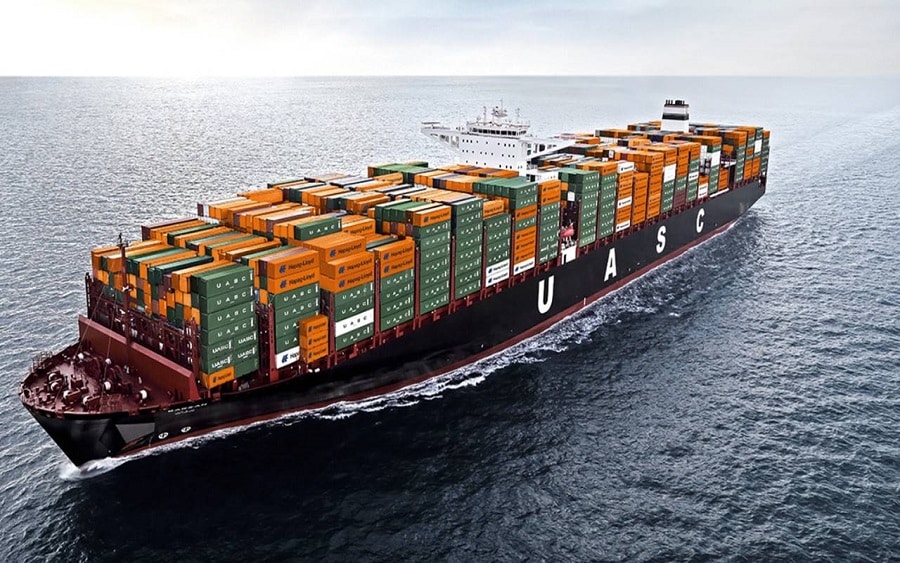
Ghana has also exported two cargoes of crude oil to the Dangote refinery in Lagos, Nigeria, within the year. It is one of the African countries the refinery has sourced part of its feedstock from.
“There is a deliberate focus on re-energising exploration and production, particularly at a time when African producers must take pragmatic decisions about monetising hydrocarbons before global capital fully pivots away from fossil fuels,” Ghanaian petroleum economist and CEO of Royal Essence Petroleum, Michael Akomea, told Energy in Africa.
Akomea added that while oil production has been declining, it did not “begin under the current administration”, but was largely due to underinvestment in exploration over decades.
Akomea believes Mahama is tackling these issues head-on, with multiple reforms rolled out to restore investors’ confidence in the nation’s oil and gas sector and ensure access to finance in the energy industry in general.
“I would describe President Mahama more accurately as an energy-focused president rather than strictly an oil and gas president,” he said.
The stabilisation observed in the nation’s hydrocarbon space, the petroleum economist said, is not a matter of chance but a strategic repositioning anchored by the new administration.
In its downstream sector, the nation has also fired up its oldest refinery, Tema, to refine crude locally.
The refinery is expected to save the country hundreds of about $400 million in foreign exchange annually by curbing imports of petroleum products. Tema refinery was first built in 1963, one of the oldest in Africa.
But like most ageing refineries on the continent, Tema had been shut down for years due to mismanagement, corruption, and lack of political priority. Its restart signals a new era of energy sufficiency in Ghana’s downstream sector.
Soon, the Black Star nation may reduce crude sales to Dangote, having its own refining plant, albeit relatively smaller in size.
What lies ahead for Ghana’s oil sector
Mahama’s success in the oil sector, however, is not without setbacks.
The financing landscape has been difficult, with international lending increasingly unfavorable to hydrocarbons. Like most African nations facing similar challenges, turning to global financiers may prove tough.
According to Ghana’s Minister of Finance, Cassiel Ato Forson, the administration inherited about $9 billion in energy-sector debt. Some of it has been settled; other portions remain outstanding.
Also, the West African nation is yet to return to its peak pre-Covid production levels. Output has remained moderate, with new fields yet to come on stream.
Technology has also proven to be a challenge. Newer, smarter equipment for drilling and exploration is being developed and deployed every day.
“For Ghana, the central challenge ahead is not merely producing more oil, but extracting smarter, more resilient value from hydrocarbons while preparing the energy system for long-term sustainability. That is where the true measure of policy success will lie,” Akomea said.
For a president barely one years into his administration, one may argue he has made a good start. The question now remains whether, when it comes to oil and gas, Mahama will continue to put the chips on the table.