


Kenya’s energy industry is currently going through one of the biggest governance problems in recent times. There has been a major scandal involving petrol imports into the country, which has drawn international attention.
There are ongoing investigations on allegations that some top government officials had manipulated the country’s national fuel stock data in order to justify the importation of emergency petrol at inflated prices.
It is alleged that the shipments were not only overvalued but also inferior in quality. According to reports, tests showed high levels of sulphur, which failed to meet Kenyan fuel standards.
In response, three of the top figures in the oil industry have resigned from their posts.
They include Joe Sang, the managing director of the Kenya Pipeline Corporation; Daniel Kiptoo Bargoria, the director general of the Energy and Petroleum Regulatory Authority; and Mohamed Liban, the petroleum principal secretary.
The investigating authorities have said, however, that resignation would not provide any sort of protection from legal action. In addition to the resignations, there have been several arrests and interrogations of other high-level officials by the Directorate of Criminal Investigations (DCI).
Kenya’s reliance on oil imports makes the significance of this corruption scandal quite evident. Petrol plays an important role in Kenya’s transportation, air travel, and manufacturing sectors. Any disruption within this sector might create ripples throughout the economy.
The petrol import scandal goes beyond a single shipment. It raises serious questions about how Kenya safeguards its fuel supply, manages public funds, and maintains integrity in its petroleum system.
How the scandal began
The scandal started when an emergency consignment of petrol was delivered via a route that did not fall within the government-to-government (G2G) procurement system in Kenya. According to authorities, the national fuel stock data was deliberately manipulated to create the impression of fuel shortages.
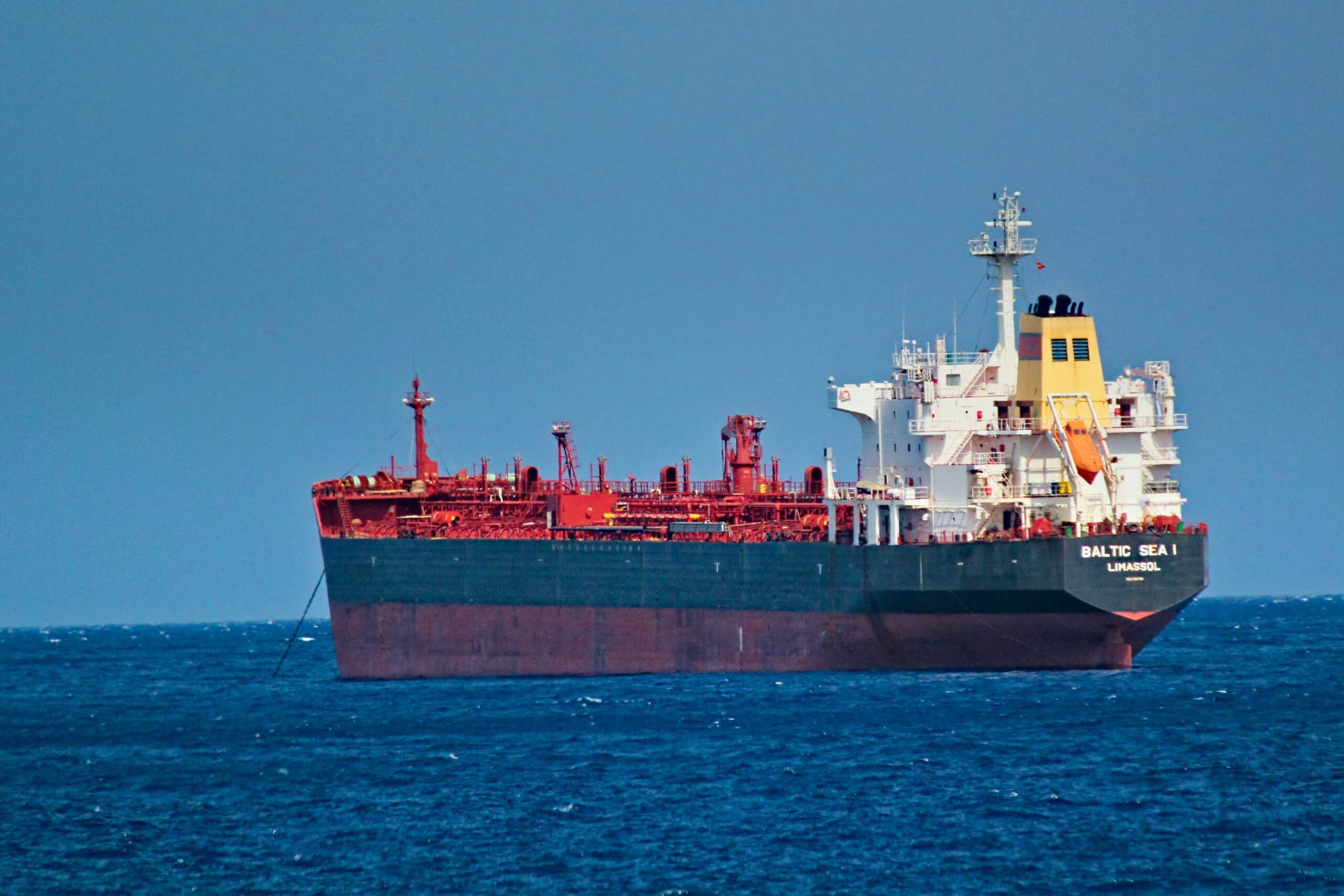
The consignment was transported by the ship MV Paloma, which docked at the Port of Mombasa from 27 to 29 March 2026. The shipment consisted of over 60,000 tonnes of petrol valued at KSh4.8 billion ($37 million).
According to preliminary investigations, the shipment of the fuel had initially been intended for Angola but was rerouted to Kenya through a local intermediary. Authorities explain that the import was used to create a sense of panic by manipulating stock information, thus buying the fuel at higher prices.
Disputes arose when the quality management team at KPC realized that the fuel had higher sulphur content, which was not in line with Kenyan requirements. One of the managers rejected signing off on its discharge.
Private corporations like One Petroleum and Oryx Energy have come under suspicion for their involvement in facilitating the shipment. It is being investigated whether the rerouting and pricing of the shipment are a part of a larger conspiracy to take advantage of market volatility.
The alleged scheme behind the import
Investigators allege that senior officials in Kenya’s energy sector deliberately manipulated fuel stock data to create the impression of an imminent shortage.
Chief of Staff Felix Koskei said the officials involved falsified in-country fuel stock levels to make it appear there was a fuel crisis. The manipulated data was then used to justify an emergency petrol import outside the G2G framework.
“The emergency shipment was procured in blatant breach of the G2G framework, in complete disregard of established emergency procurement procedures,” Koskei stated.
Preliminary findings indicate that officials coordinated with private companies to execute the shipment. One Petroleum Limited is alleged to have facilitated the purchase at a price above standard G2G rates, while Oryx Energy Limited is under investigation for assisting with local handling of the fuel.
Experts say the scandal exposes systemic weaknesses in Kenya’s centralised fuel procurement system. By bypassing checks and balances, the alleged scheme allowed private actors to profit at the public’s expense, while causing unnecessary alarm.
“This incident shows how even well-designed procurement frameworks can be exploited if oversight is weak. The system is only as strong as the controls that enforce it, and in this case, those controls failed,” Njeri Faith, a Nairobi-based energy policy analyst, told Energy in Africa.
Faith added that timing was critical. Rising petrol prices and public concern over fuel availability created conditions where the emergency import could appear legitimate, even though G2G suppliers were already meeting Kenya’s needs.
She described the actions as a serious breach of public trust that could constitute economic crimes under Kenya’s Anti-Corruption and Economic Crimes Act and the Penal Code.
Pricing and financial implications
The emergency petrol import reportedly came at a significant premium compared with standard G2G shipments.
According to Energy Cabinet Secretary Opiyo Wandayi, invoices from One Petroleum show a landed cost of KSh198,855 per metric tonne ($1,540), while a comparable G2G shipment from Gulf Energy cost KSh140,111 per tonne ($1,085).
“This difference of Ksh58,744 per metric ton works out to KSh 43.4 per liter, with the G2G cargo being cheaper by that amount. Both cargoes are for the month of March,” Wandayi said.
He confirmed that the scandal contributed to projected financial loss of KSh2.9 billion ($22 million) for the government. He added that the shipment of a second consignment was suspended to avoid any more loss.
The overvalued price and the poor quality of the fuel raise questions regarding mismanagement. Experts say that such situations may lead to a lack of investor trust in the fuel industry.
“While the G2G framework was designed to shield Kenya from price shocks, bypassing it allowed private actors to profit from public anxiety,” Faith said. “It is imperative that there be more transparency and compliance audits to avoid similar problems in the future.”
The combination of high costs, poor quality fuel, and circumvention of procedure has led to demands for an audit of oversight measures within the Kenya’s energy sector.
Arrests, resignation, and investigation
The aftermath of the emergency fuel imports quickly developed into an all-out probe by the Kenyan government.
Petroleum Principal Secretary Mohamed Liban, Kenya Pipeline Company (KPC) Managing Director Joe Sang, and Energy and Petroleum Regulatory Authority (EPRA) Director General Daniel Kiptoo, now face legal and administrative proceedings.
Joseph Wafula, Deputy Director of Petroleum, and Joel Mburu, KPC’s Supply and Logistics Manager, were also arrested. The DCI is coordinating the investigation.
The investigators are collaborating with both domestic and international agencies. The Mutual Legal Assistance (MLA) framework has been used to gain access to records and cooperation from abroad. It is reported that searches relating to the case have recovered hundreds of millions of Kenyan shillings.
Private companies associated with the importation, such as One Petroleum Limited and Oryx Energy Limited, are also being investigated. It is being looked into whether these firms helped flout any procurement procedures and whether the diversion of fuel from Angola was deliberate.
Government response and present supply status
The Kenyan government has sought to convince the public that the country’s fuel supply remains stable despite the scandal.
Energy Cabinet Secretary Opiyo Wandayi stated that the Kenyan authorities had responded to the problem promptly to ensure public interests. Internal actions have been taken by the Kenyan government in order to regulate the supply of petroleum products in a more efficient manner.
After the resignation of the Director General of EPRA, Daniel Kiptoo, Dr. Eng. Joseph Oketch has been appointed acting Director General.
The G2G system of procurement was defended by Wandayi, citing its continued protection of Kenya from international disturbances and the systematic process of stabilizing supply.
Based on current reserve figures, Kenya holds approximately 16 days of petrol, 19 days of diesel, and about 49 days of jet fuel and kerosene. Analysts note that while these supplies meet immediate demand, the situation remains sensitive due to global price volatility.
What this means for Kenya’s fuel system
This incident has highlighted major loopholes within Kenya’s centralized fuel procurement system. The G2G strategy that was meant to create stability and safeguard the country from the impact of price shocks in international markets has been bypassed.
This loophole might bring about many challenges in future. Allowing private companies to make profits during an emergency period is bound to affect the level of investor confidence in the market.
“This episode shows that even well-intentioned systems can be undermined if internal controls are weak. It is important to have strong and independent oversight,” Daniel Onyango, an energy economist from Kenya, told Energy in Africa.
According to Onyango, the current response from the government may either strengthen the current governance system of the fuel sector, or continue with the cycles of problems.
For now, the Kenyan authorities have pledged to strengthen internal control measures, compliance with G2G agreements, and increased transparency within the petroleum industry.
The episode serves as a wake-up call for policymakers, investors, and consumers alike. It proves that even established procurement systems are vulnerable without continuous monitoring, accountability, and enforcement.