


Kenya recently launched the sale of a majority stake in Kenya Pipeline Company as it seeks fresh funding from the capital market amid rising fiscal pressure.
The offer, which involves selling 65% of the state owned firm, is aimed at raising about $825 million and marks a major shift in how the government finances infrastructure.
The transaction sits at the centre of President William Ruto’s plan to reduce the state’s role in commercial enterprises while easing pressure from high public debt and shrinking budget space.
With debt repayments consuming about 40% of government revenues, Ruto is turning to asset sales and market funding to close financing gaps.
The pipeline company IPO is being closely watched by investors because it opens up ownership in a strategic energy asset that has long been fully controlled by the state.
Below are ten things readers may not know about the offer and why it matters.
1. Largest IPO in Kenya’s history
The Kenya Pipeline Company offer is the largest initial public offering ever launched in the country. The government is seeking to raise about Kenya shillings 106.3 billion from the sale.
This makes it larger than the landmark Safaricom listing in 2008, which raised just over Kenya shillings 50 billion. At the time, Safaricom was considered a once in a generation transaction for the local market.
The scale of the pipeline IPO reflects both the size of the company and the government’s funding needs. It also signals a renewed push to use the capital market to fund public priorities.
In local currency terms, no previous Kenyan IPO has matched the value of the pipeline sale. This places the transaction at the top of the country’s equity market history.
2. Largest IPO ever seen in East Africa
Beyond Kenya, the pipeline company offer is the biggest IPO ever recorded in East Africa in local currency terms. No previous listing in the region has reached its size.
The transaction surpasses other high profile offerings across neighbouring markets. It underlines Kenya’s position as the region’s most active capital market.
In dollar terms, currency movements mean older deals may still appear larger on paper. However, within the regional context, the pipeline IPO stands out for its scale.
The size of the offer is expected to draw attention from investors beyond Kenya’s borders. Regional participation has been built into the allocation structure.
3. The pipeline company long operated as a monopoly
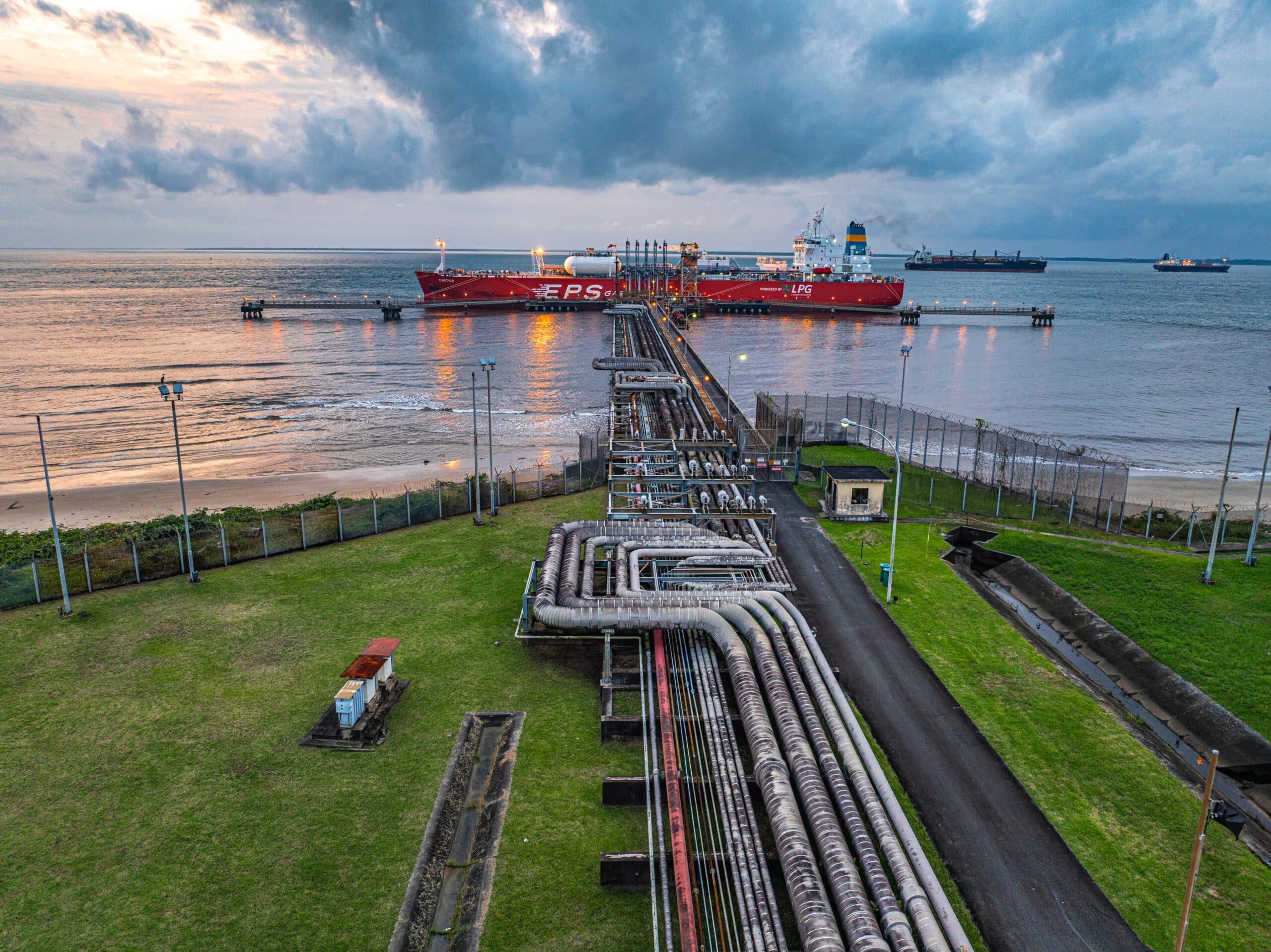
Kenya Pipeline Company runs the country’s main fuel transportation and storage network.
For decades, it has been the only operator moving refined petroleum products across large parts of the country.
Its infrastructure supports fuel supply not just within Kenya but also into neighbouring countries. These include Uganda, Rwanda, Burundi, South Sudan and parts of eastern Democratic Republic of Congo.
Because of this role, the company sits at the heart of regional fuel logistics. Disruptions to its operations can have immediate economic consequences.
The monopoly position explains why the government has retained a 35% interest in the firm even after opening it to private investors. Energy security remains a central concern.
4. Employees are being given a dedicated stake
The IPO includes a specific allocation for Kenya Pipeline Company employees. 5% of the total shares on offer have been reserved for staff.
This move is designed to give workers a direct financial interest in the company’s future performance. It also mirrors structures used in previous state divestments.
Employee participation is often seen as a way to smooth the transition from full state ownership. It can help align internal incentives with shareholder expectations.
By setting aside shares for staff, the government is signalling that the listing is not only about raising funds. It is also about changing how the company is owned and governed.
5. The government will still own 35% of the company
Even after selling 65% of Kenya Pipeline Company, the government will retain a 35% stake.
At the IPO valuation, that holding is worth about Kenya shillings 57.25 billion.
This ensures the state remains a major shareholder in a strategic energy asset. It also gives the government influence over long term decisions.
Retaining a minority stake allows the state to benefit from future dividends. It also provides exposure to any improvement in the company’s market value.
The structure reflects a balance between privatisation and control. The government is stepping back without fully exiting.
6. Oil marketing companies have a special allocation
In addition, 15% of the shares on offer have been reserved for oil marketing companies. These firms are among the pipeline’s biggest users.
Oil marketing companies rely heavily on the pipeline network to move products inland. Ownership gives them a direct stake in its efficiency and expansion.
This group is expected to be among the most active participants in the offer. Their involvement also adds an industry dimension to the shareholder base.
7. The IPO is part of a broader divestment drive
The pipeline sale is not an isolated transaction.
It forms part of President William Ruto’s wider plan to divest from state owned companies.
The government is also reducing its stake in telecoms operator Safaricom. Authorities have said traditional funding options are no longer sufficient.
“We must turn to innovative financing mechanisms to fund our infrastructure and public service projects,” finance minister John Mbadi said at the IPO launch. “The traditional methods of financing our budget, taxation and debt, there is no longer any space.”
High public debt and limited tax room have forced a rethink of funding models. Asset sales are now a central pillar of that strategy.
8. The offer price is set at 9 shillings per share
The government has priced the Kenya Pipeline Company IPO at nine shillings per share. This pricing is outlined in the offer documents.
At that level, the sale is expected to raise about Kenya shillings 106.3 billion. It also places the company’s valuation at about Kenya shillings 163.56 billion.
The pricing was set to attract broad participation across investor groups. Retail investors are a key target alongside institutions.
Accessible pricing has been positioned as a way to deepen market participation. Authorities want the offer to be widely held.
9. Shares are expected to start trading in March
The offer will run until February 19. After the close, the shares are scheduled to begin trading on the Nairobi Securities Exchange on March 9.
This timeline allows for allocation processing and settlement. It also gives the market time to absorb the size of the transaction.
Once listed, Kenya Pipeline Company will become one of the exchange’s most valuable firms. Its entry will reshape market indices.
Trading will mark the final step in the company’s transition from a fully state owned enterprise to a publicly listed firm.
10. The IPO comes during a strong market rally
The pipeline listing is taking place amid a sharp rally on the Nairobi Securities Exchange. Kenyan shares have risen by more than 50% over the past year.
This performance has outpaced the MSCI Frontier Africa index. Strong market momentum has improved sentiment around new listings.
Globally, equity capital markets have also rebounded. Activity reached $738.4 billion last year, the strongest performance in four years.
The timing may support demand for the pipeline IPO. Authorities are hoping favourable conditions will help absorb the size of the offer.