


On 28 February 2026, the United States and Israel launched Operation Epic Fury against Iran, citing its nuclear activities and refusal to meet “zero‑enrichment” demands.
The initial strikes not only killed several senior Iranian officials—including Supreme Leader Ali Khamenei at his compound in Tehran—but also triggered a systemic shock to the global economy that has now entered its fourth consecutive week.
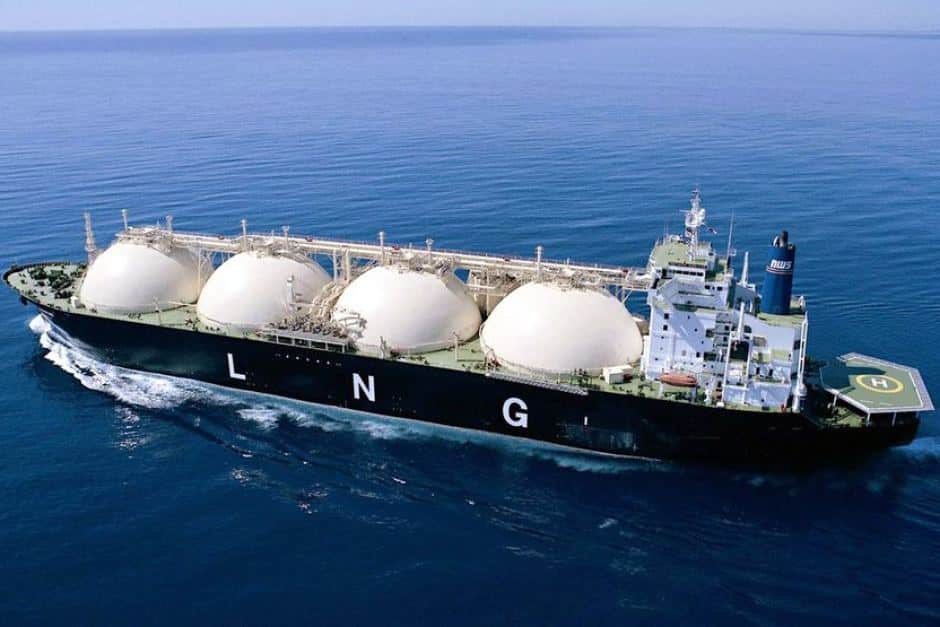
Brent crude prices surged dramatically, climbing from below $70 to nearly $120 per barrel (₦165,000) in early March, after Iran imposed a blockade on the Strait of Hormuz, through which around 20% of the world’s oil and liquefied natural gas (LNG) flows.
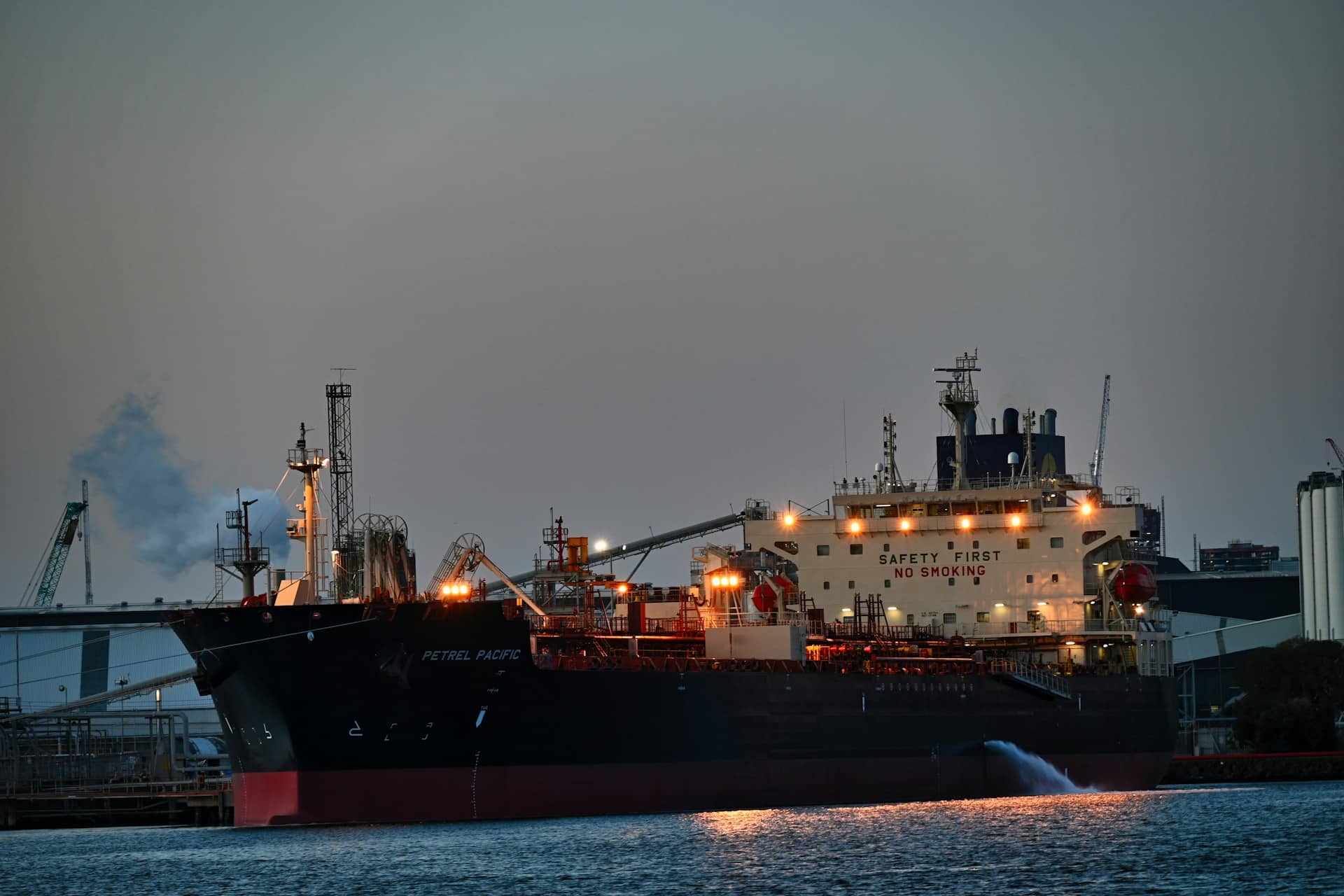
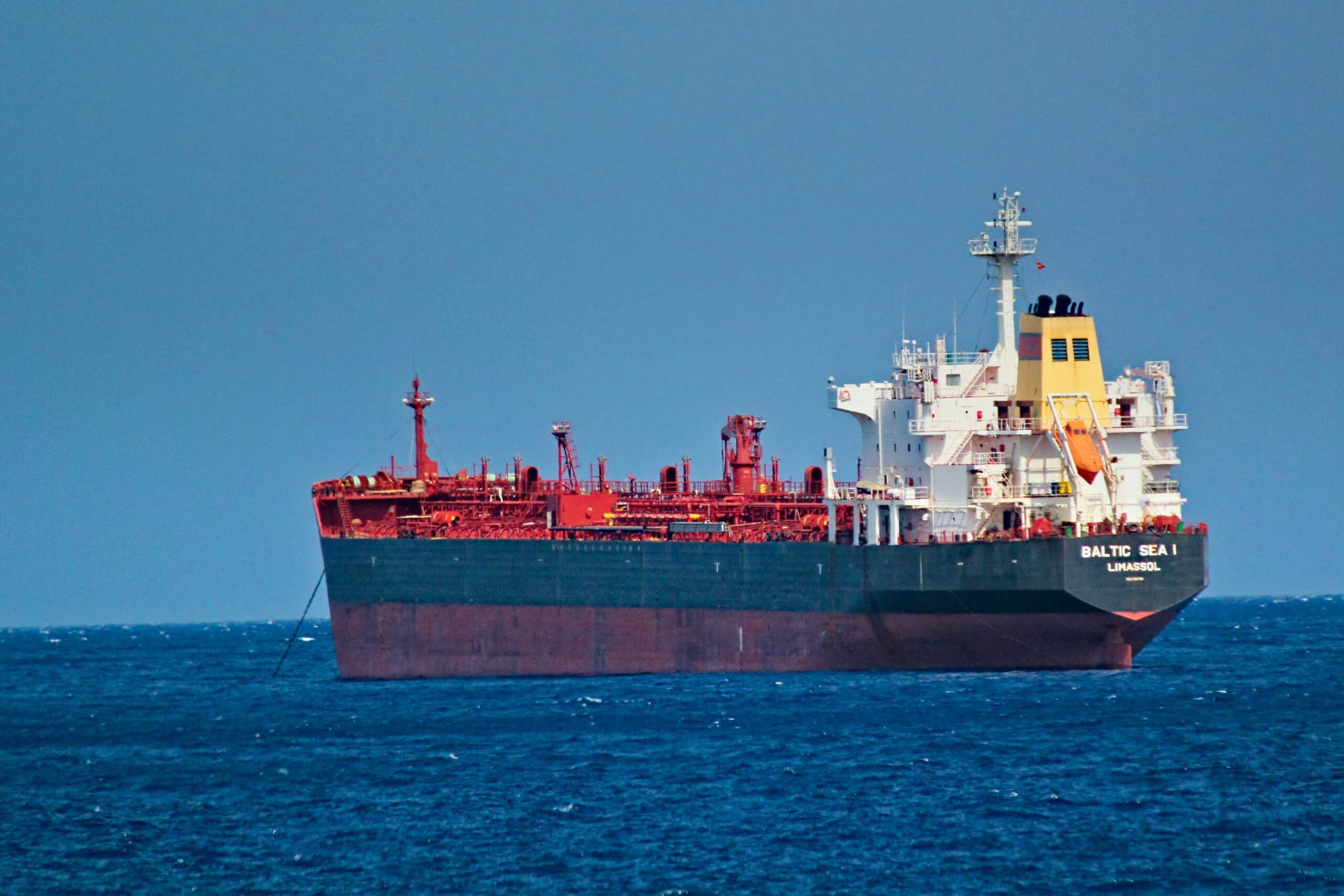
Maritime traffic through the chokepoint has collapsed by more than 95%, forcing major carriers to reroute vessels around the Cape of Good Hope, adding 10–14 days to journey times and significantly increasing fuel costs.
Although geographically distant, Africa has been acutely affected by the Middle East conflict due to its reliance on global energy routes, commodity markets, and maritime trade.
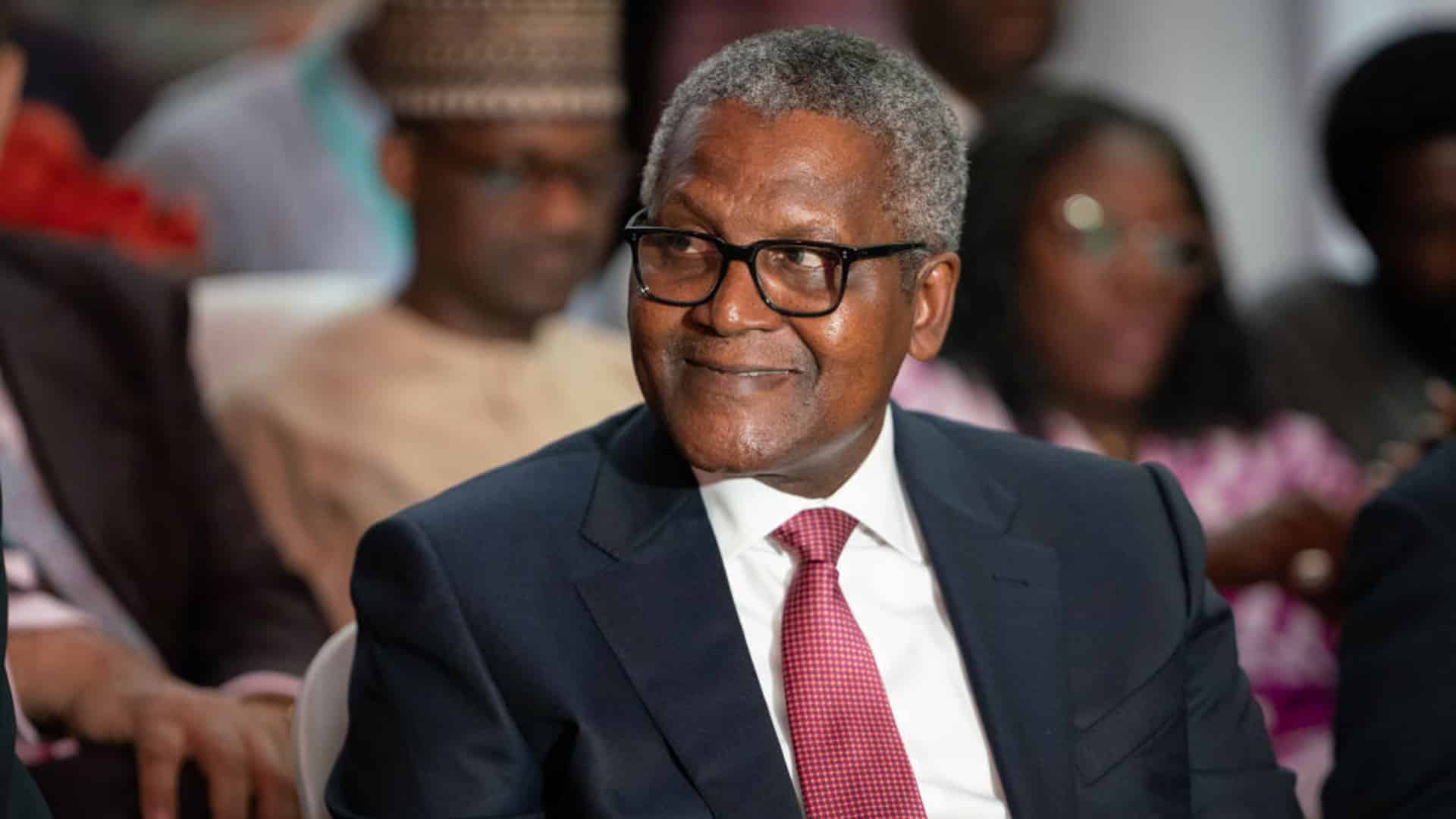
“Africa may be worst hit if war by the US and Israel on Iran continues… we are part of a global village, and unfortunately, developments like this will affect us even if we are not directly involved,” warned Aliko Dangote, Africa’s richest man.
Across the continent, most nations—being net energy importers—have faced immediate price hikes. Zimbabwe, for instance, raised petrol prices from $1.56 to $1.71 per litre in early March.
Nigeria, however, presents a more complex picture. As Africa’s largest oil producer, the crisis has created both opportunities and challenges.
While uncertainty looms, the surge in crude prices has delivered windfalls to certain players in the industry, even as others struggle under mounting pressures.
This unsettling moment of conflict has split Nigeria’s oil sector into clear winners and losers.
We will start with the winners:
Federal Government enjoys revenue boost
The ongoing conflict has created a significant fiscal windfall for Nigeria, primarily due to global oil prices surging well above the 2026 budget benchmark of $64.85 per barrel. As of March 24, 2026, Brent crude remains elevated, trading above $100 per barrel.
The “price premium” from the war is generating substantial unbudgeted income, though structural production issues limit the total gain.
With current prices, the projection from Price Waterhouse Coopers (PwC) suggests Nigeria could earn an estimated $55.5 million in extra gross revenue per day above its budget targets.
The Nigeria Economic Summit Group (NESG) says additional oil revenues potentially ranging from ₦2.3 trillion ($1.67 billion) to as much as ₦30.2 trillion ($21.95 billion) could be pocketed by the government if the conflict persists.
But the revenue gain is partially blunted by low output; Nigeria produced an average of 1.48 million barrels per day (bpd) in Q1 2026, failing to meet the 1.84 million bpd budget target.
However, the windfall from the crisis is expected to significantly reduce the projected N25 trillion ($18.17 billion) fiscal deficit for 2026.
Windfall to bolster Nigeria’s foreign reserves
Higher oil receipts have bolstered Nigeria’s external buffers, strengthening the Central Bank of Nigeria’s (CBN) ability to manage the Naira.
Gross external reserves surged to $50.45 billion (₦69.4 trillion) as of February 16, 2026, the highest level in over a decade.
Analysts at Financial Derivatives Company (FDC) expect reserves to hit $55 billion by the end of March 2026 if tensions continue.
Similarly, net FX inflows could reach $18.6 billion (₦25.6 trillion) during the crisis, allowing for an estimated $7.4 billion (₦10.2 trillion) increase in reserve accumulation.
So far, the increased reserves provide a buffer that has helped the Naira remain relatively stable despite global market volatility.
Oil windfalls in Nigeria are not immediately spent but saved in stabilisation accounts like the Nigeria Sovereign Investment Authority (NSIA), as advised by NESG.
Profit windfall for upstream operators
For upstream oil producers in Nigeria—including international oil companies (IOCs) like Shell, Chevron, and TotalEnergies, as well as local players like Seplat and Oando—the 2026 Iran conflict is a “double-edged sword.”
The most immediate impact, of course, is the surge in Brent Crude prices, which has hovered around $100 per barrel for weeks now.
With production costs in Nigeria averaging $25–$40 per barrel, producers are seeing profit margins expand by over 200% compared to early 2025.
Nigerian independent producers have seen their stock prices climb as investors seek “safe” oil far from the Middle East.
Seplat Energy, for instance, has benefited from the increased global appetite for non-Gulf crude. But this can only be said of those with stable production and export channels.
While the conflict has sent revenues soaring, it has also triggered massive operational costs and security headaches.
Ironically, producing oil has become much more expensive because of the global shortage of Jet A1 (aviation fuel).
Upstream operations in the Niger Delta rely heavily on helicopters to transport personnel and equipment to offshore platforms. With aviation fuel prices doubling to over N2,500 per litre in Nigeria, the daily “OPEX” (operating expenditure) for logistics has skyrocketed.
For some, the blockade on Hormuz has paralysed the supply chain for specialised oilfield equipment, which might delay key projects from taking off on schedule.
Dangote dominates fuel supply
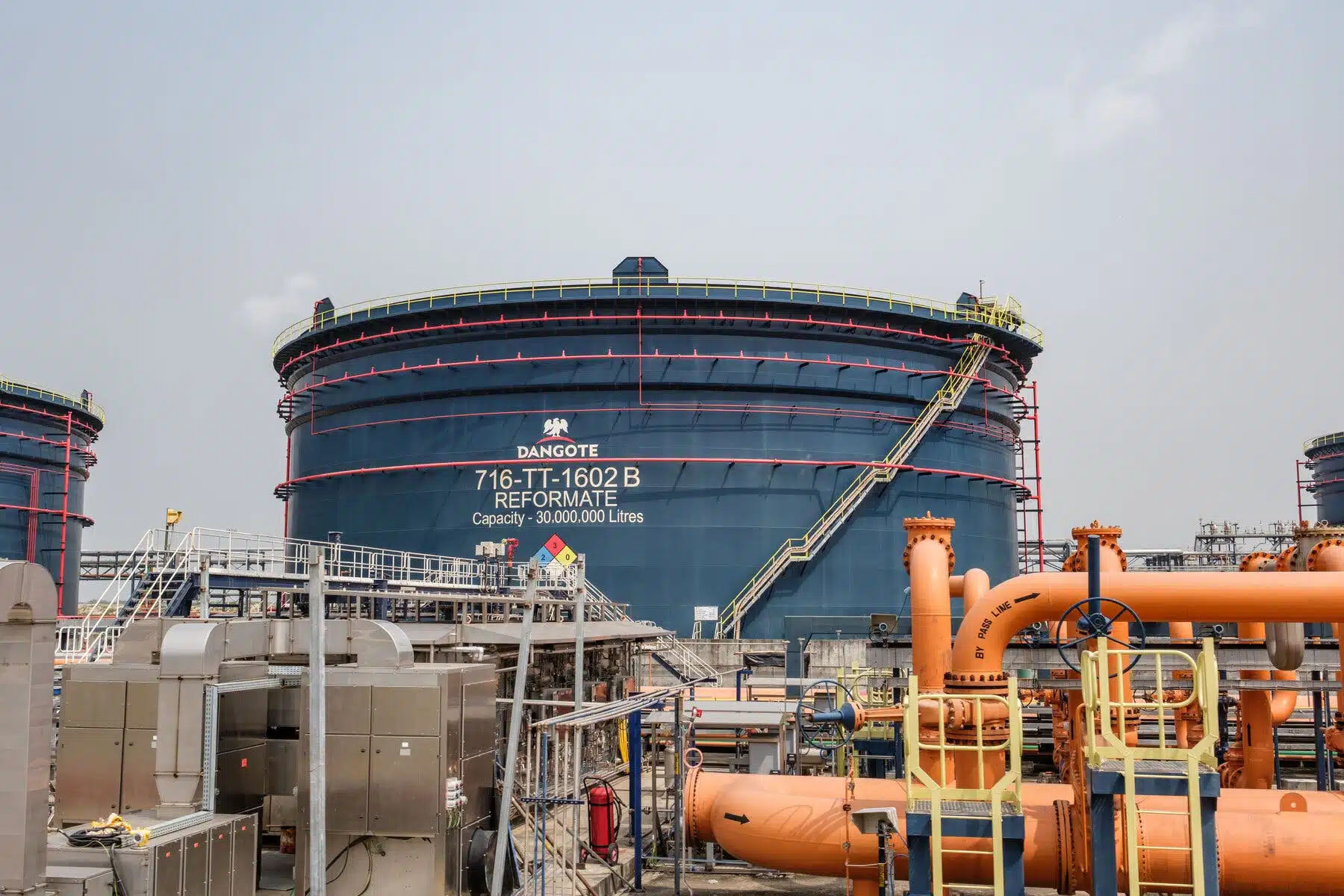
The Dangote Refinery, having reached its 650,000 barrels-per-day nameplate capacity in February 2026, has emerged as a critical strategic asset in this Middle East crisis, gaining significant market leverage as a regional “energy lifeline”.
While global oil prices have spiked due to the US-Israel-Iran war, the refinery is capitalising on its geographic proximity and massive production capacity to dominate the fuel supply chain in Nigeria.
For the first time since starting commercial operations two years ago, Dangote is now supplying about 60% of Nigeria’s total refined petroleum products demand, and as much as 90% of its petrol needs.
Elsewhere, Dangote is also filling the voids.
Other African countries whose fuel supply chains have been impacted by shutdown or constrained processors in the Middle East are now swamping the Nigerian refiner with orders as they scramble for fuel security.
As of 23 March, report has it that the mega refiner has sold 12 cargoes (456,000 tons) of refined petroleum products (mostly petrol and diesel) on a free on board basis to at least five African countries, including Ghana, Togo, Tanzania, Côte d’Ivoire and Cameroon.
South Africa is reportedly negotiating a 12-month standard supply contract to hedge against Middle Eastern shortages.
The losers
Meanwhile, not everyone is cashing in on $100 oil. For some players in Nigeria’s energy chain, the price surge is less a windfall and more a squeeze.
Below are those feeling the heat:
Moment of gloom for airline operators
Nigeria’s aviation sector is in a period of severe turbulence as operators face a dual crisis of rising costs and falling revenues.
Aviation minister Festus Keyamo said the “sector is feeling the immediate impact of the crisis unfolding in the Middle East. Routes that are vital to Nigeria’s international air traffic have been severely disrupted over the past two weeks, leaving thousands of our citizens stranded abroad and causing airlines to rework schedules in unprecedented ways.”
He said cancelled flights for many Nigerian passengers have “created a chain reaction of logistical challenges that we are still trying to address”.
In fact, airlines operating between Nigeria and Middle Eastern hubs have lost an estimated N7.54 billion within the first few days of the conflict.
The price of Jet A1 has surged by nearly 100%, jumping from approximately N1,000 per litre ($0.73) before the conflict to over N2,000 per litre ($1.45) as of late March 2026.
Keyamo said, “Jet fuel is essential to the functioning of airlines, and because Nigeria is part of the global aviation market, any fluctuations in international energy prices affect us immediately. Airlines here have to absorb higher operational costs, and this directly influences ticket pricing, scheduling, and overall sector stability.”
Multiple reports show fuel now accounts for an estimated 40–55% of domestic airline operating expenses, up from the usual 30%. For instance, average one-way domestic tickets, which previously sold for around N150,000 ($109), have now climbed toward N200,000 ($145.39). Some international routes have seen increases of over 150%.
While the Airline Operators of Nigeria (AON) noted they are absorbing some losses, many carriers are pushing for a 20–25% fare hike to remain viable.
The ongoing Iran crisis has severely impacted aviation in Africa as approximately 70% of the continent’s jet fuel and kerosene imports typically flow through the Strait of Hormuz. But supply from the Dangote Refinery has greatly eased things for airlines in Nigeria.
Importers suffer the squeeze
The intensifying conflict in the Middle East has turned the world of Nigerian fuel importers upside down.
Nigeria still imports up to 40% of its refined petroleum products, a market local refiners like Dangote have in recent weeks edged into as the conflict cut off the flow of “cheap” supplies from Europe and the Gulf.
However, because of the US-Israel-Iran hostilities, shipping fuel through the Middle East has become a gamble. Shipowners and insurers have slapped a “war risk premium” on every vessel.
For a Nigerian importer, this means that before your fuel even touches the Atlantic, you’re already paying millions more in insurance and freight than you did in January.
With the market now deregulated, importers are no longer protected by government subsidies. If the landing cost of petrol rises globally, they must pass that cost directly to you at the pump to stay in business. This has caused pump prices to skyrocket, hitting between ₦1,050 and ₦1,330 per litre across different states like Kogi and Lagos.
The independent marketers and importers are battling “replacement cost” anxiety—they fear selling their current stock too cheap only to find they can’t afford to buy the next batch.
Meanwhile, the average Nigerian is the ultimate loser, facing a 40% jump in fuel costs that is rapidly driving up food and transport prices
Cost of production rises for manufacturers and businesses
While the federal government and oil producers see higher oil revenues, the private sector is struggling with a 50–100% spike in energy costs and critical supply chain delays as a result of the ongoing Iran conflict.
For most Nigerian businesses, energy is the single largest operating expense. The war has disrupted global markets, leading to immediate domestic price hikes.
As is often the case everywhere, rising energy costs often squeeze margins for industries dependent on fuel and power, eventually undermining competitiveness and growth prospects.
Manufacturers, who rely heavily on gas and diesel-powered generators due to unreliable grid power, are seeing their profit margins compressed or wiped out entirely.
Mike Obadan, a professor of Economics and former member of the Monetary Policy Committee of the Central Bank of Nigeria, told THISDAY, a local newspaper, that “Already, through very high energy costs, manufacturers are under serious cost pressures. Cost of production has risen sharply due to the high prices of diesel, petrol, and aviation fuel.”
“The energy price stabilising force of the Dangote Refinery has now been disrupted with petrol price per litre rising from about ₦830.00 pre-US-Iran war to the present ₦1,300 and above depending on the location. Diesel price per litre has similarly risen from about ₦950 to ₦1,650.”
Beyond fuel, the closure of the Strait of Hormuz has also trapped essential inputs. Many manufacturers are facing “stock-out” situations as vessels carrying raw materials are stranded or rerouted, adding weeks to delivery times as well as extra cost to freight rates.
Domestic consumers bear ultimate costs
More importantly, Nigerians face higher fuel and energy costs, as elevated crude prices feed into petrol, diesel, and kerosene prices, worsening inflationary pressures.
Since the war started in late February, the pump prices of petrol—Nigeria’s most used petroleum product—have increased by about 50% from below ₦1,000 per litre ($0.73) to nearly ₦1,500 per litre ($1.09).
The acting general secretary of the Nigeria Labour Congress (NLC), Comrade Benson Upah, said the “impact on us [of the Middle East conflict] was instantaneous, suggesting there were no reserves, and if there were, they were not released. Pump prices have almost doubled since then, with no end in sight to the raging war.”
As a remedy, NLC has advised the government to sell sufficient crude in naira to the Dangote Refinery and other functional refineries to at least ease prices at the pump.
The bottom line
The Middle East conflict has created a mixed reality for Nigeria’s oil sector — with clear winners and losers emerging.
While Nigeria gains significantly from higher crude revenues, the benefits are unevenly distributed.
The government and upstream producers are clear winners, but households, businesses, and the downstream sector bear the brunt of the pain, as they are now forced to pay high fuel costs.
The crisis underscores Nigeria’s long‑standing vulnerability to oil price shocks—again reminding the government that diversification and domestic refining capacity remain critical to balancing the scales.